NASA condensed 25 years of a supernova expanding into a 40 second video
Published on Jan 13, 2026 at 6:12 AM (UTC+4)
by Jack Marsh
Last updated on Jan 12, 2026 at 9:14 PM (UTC+4)
Edited by
Amelia Jean Hershman-Jones
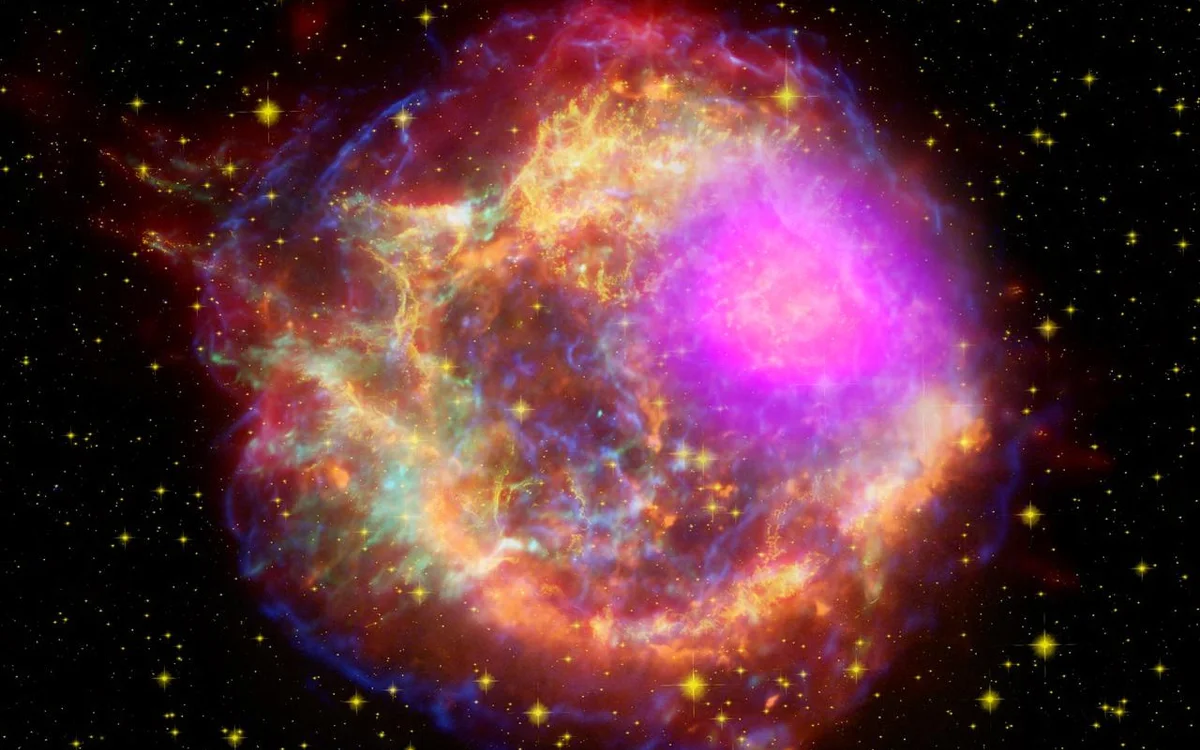

Millions of years ago, a planet not unlike Earth imploded into tiny pieces, and somehow, NASA recorded the supernova into a 40-second clip.
Our planet is already around 40 million years old, but in double that amount of time in the future, the Milky Way could be running out of time.
But out in the wider universe, many stars and planets have already succumbed to time, and when that happens, a supernova erupts.
First spotted with the naked eye back in 1604, Kepler’s Supernova Remnants are still visible today, and NASA has just revealed 25 years of inspection into a 40-second heartbeating space miracle.
VISIT SBX CARS – View live supercar auctions powered by Supercar Blondie
How the Chandra X-ray Observatory has been tracking the last-seen supernova
NASA has a number of telescopes around the galaxy that are keenly positioned to uncover some of the universe’s biggest secrets.
Just last year, the James Webb telescope discovered a brand-new moon that had been hiding on the shadowy side of Uranus.
But one Observatory out in space has been precisely positioned towards one area of the Milky Way where a supernova once occurred.
The Kepler’s Supernova was first spotted by the naked eye back in 1604, and has since been the reference point for how stars die.
So much so that you can still see the gases and rubble moving through the sky, and the Chandra X-Ray Observatory has been gathering a quarter of a century’s worth of footage.
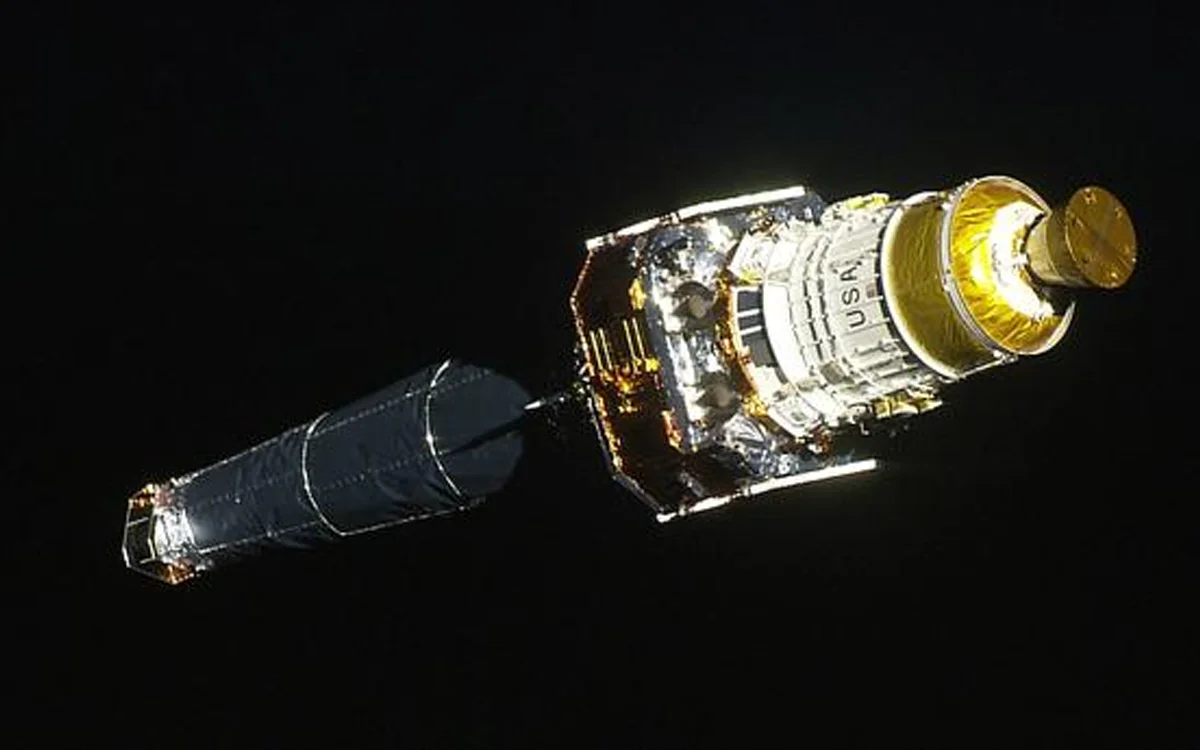
The telescope uses X-ray pulses to measure the density of the matter around the supernova site, and, some 400 years on from the first time we ever saw it, Kepler’s Supernova still burns bright.
NASA folds 25 years of Kepler’s Supernova movement into 40 seconds
As you can see in the video at the top of the page, the supernova has been pulsating, throwing around its weight before sucking it back in again.
The phenomenon is highlighted by the blue X-ray scans, and it serves as key information for astronomers who study how the universe began.
“The plot of Kepler’s story is just now beginning to unfold,” study lead and George Mason University student Jessye Gassel said.
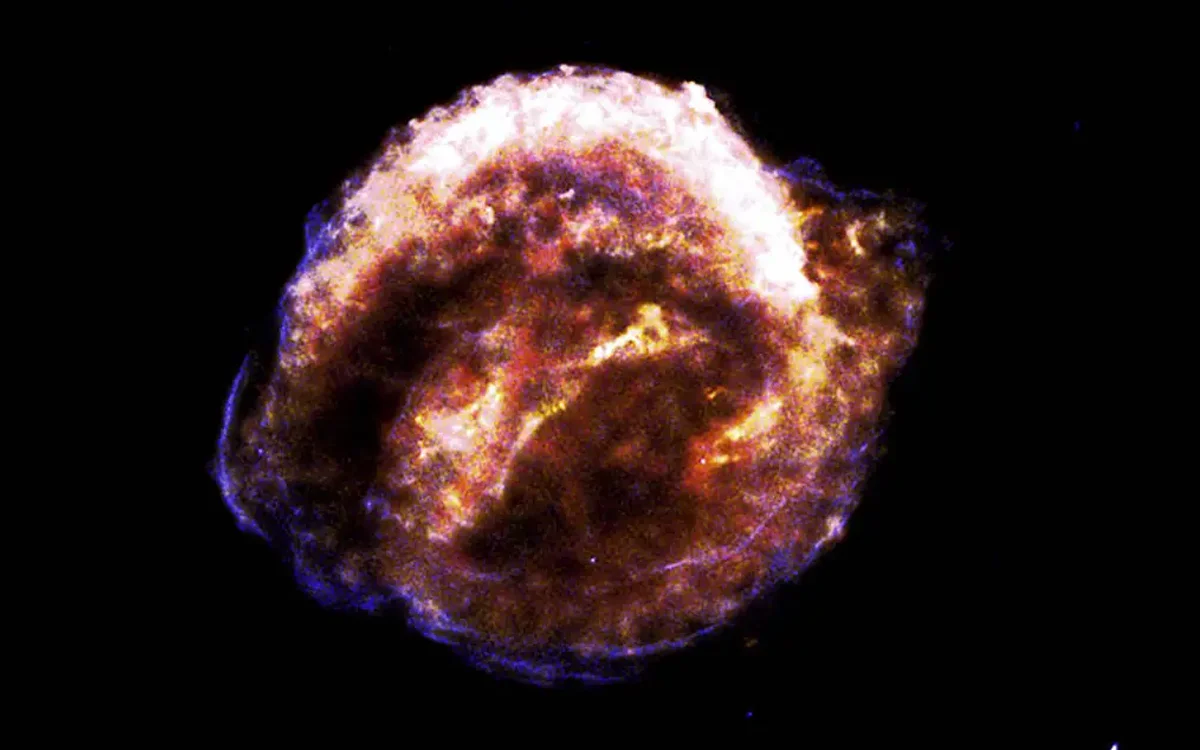
“It’s remarkable that we can watch as these remains from this shattered star crash into material already thrown out into space.”
The telescope continues to collect more data about dark matter, black holes, and remnants like Kepler’s, proving to be one of the key observatories in the world.
DISCOVER SBX CARS: The global premium car auction platform powered by Supercar Blondie
After beginning his career writing about all things gaming, Jack joined the Supercar Blondie team in November 2024 as a Content Writer. Since joining SB Media, in addition to a love for covering emerging tech, he has developed an admiration for vintage restorations, particularly old American brands like Dodge and Ford.