NASA built a $144,000,000 vehicle to transport rocket ships in Florida and almost no one knows it exists
Published on Feb 10, 2026 at 12:01 PM (UTC+4)
by Jason Fan
Last updated on Feb 10, 2026 at 1:24 PM (UTC+4)
Edited by
Kate Bain

Before liftoff, NASA relies on its giant crawler-transporters to haul rocket ships on a journey that is even slower than the pace most people walk.
These massive machines look like something out of a sci-fi movie, yet they have been quietly doing the heavy lifting behind America’s biggest space missions for decades.
While rockets get the glory, these slow, steel giants handle the first critical miles of every journey to space.
And a new video shows exactly how important these vehicles are to NASA’s mission.
DISCOVER SBX CARS – The global premium auction platform powered by Supercar Blondie
This is the largest self-powered land vehicle on Earth
Meet the crawler-transporter, a $144 million behemoth that carries NASA’s Space Launch System and its mobile launcher.
The transporter carries these all-important parts from the Vehicle Assembly Building to the launchpad at Kennedy Space Center in Florida.
The trip is only about four miles, but it can take more than 10 hours.
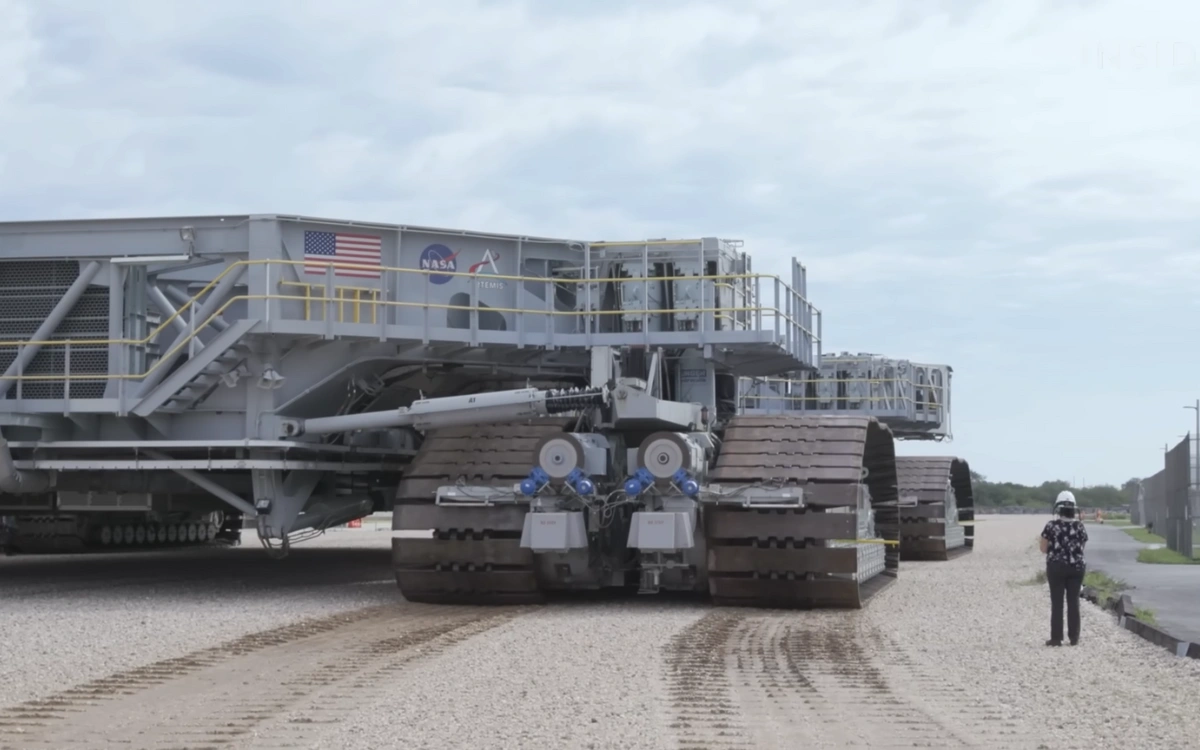
That is because the crawler creeps along at roughly 1 mile per hour while supporting a combined load that can reach up to 18 million pounds after upgrades.
Suffice to say, you won’t be seeing the crawler on your local highway anytime soon.
Calling it a vehicle almost feels unfair.
It is large enough to fit nearly a professional baseball infield on top, and is considered the largest self-powered land vehicle on Earth.
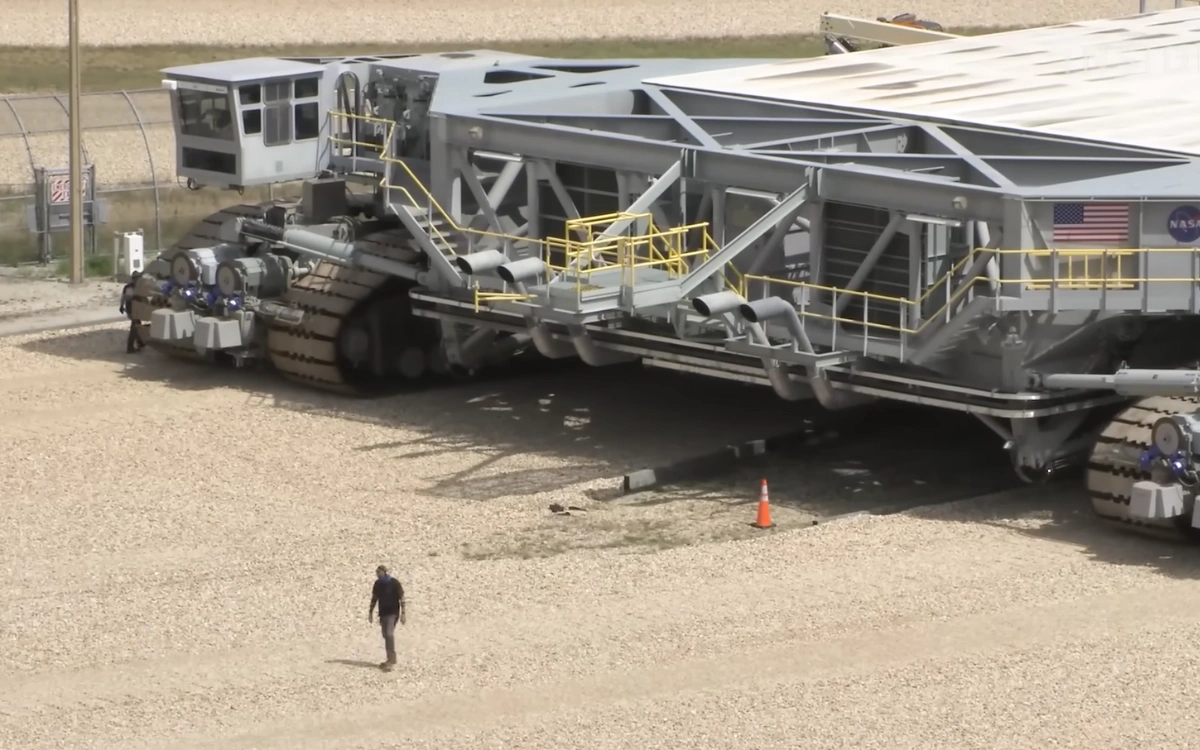
Built in the 1960s by adapting mining equipment, NASA’s two crawlers have transported every launch vehicle from the Apollo era through the space shuttle and now the Artemis program.
Click the star icon next to supercarblondie.com in Google Search to stay ahead of the curve on the latest and greatest supercars, hypercars, and ground-breaking technology
Running the slow-crawler is a complex operation
Operating one of these crawler-transporters is a team sport.
Around 25 to 30 engineers and technicians are involved, including drivers, system operators, and ‘walkers’ who move alongside the crawler watching for issues.
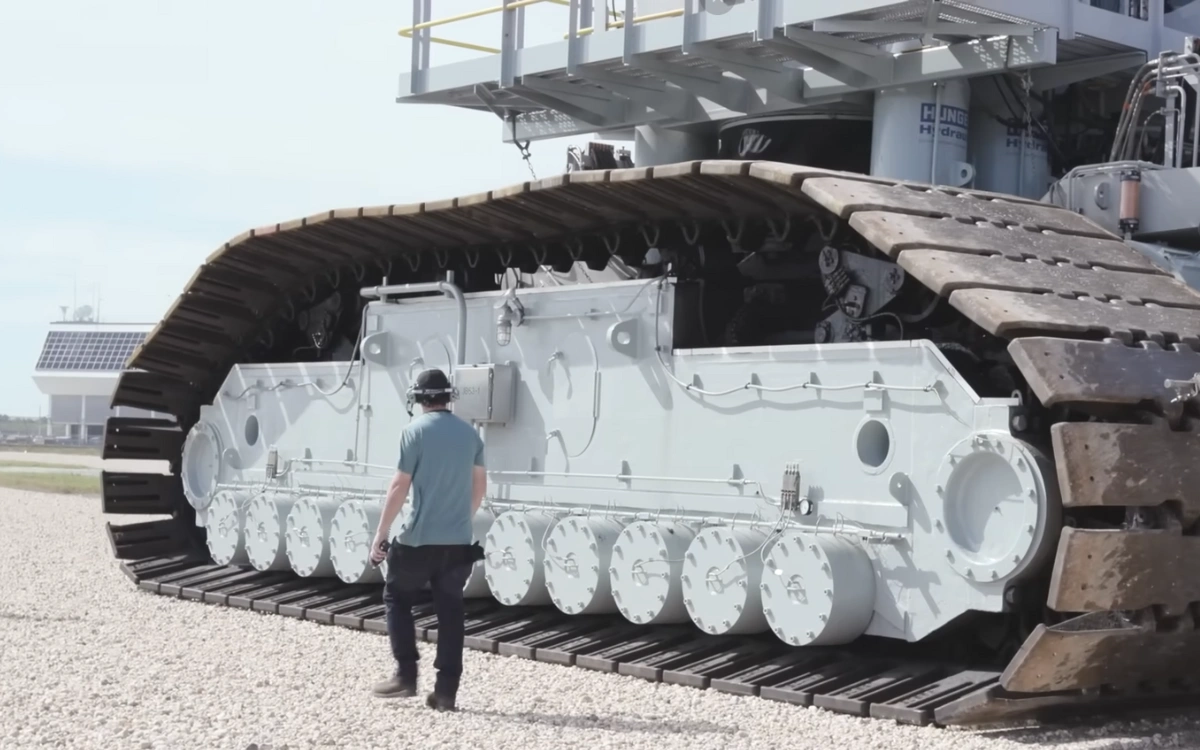
Drivers sit in cabs at opposite corners, and instead of backing up, they switch cabs when direction changes.
One of the trickiest parts is steering.
The crawler can only turn its massive tracked ‘trucks’ by a few degrees, so drivers have to anticipate curves well in advance.
A special jacking, equalizing, and leveling system keeps the rocket perfectly level, even when the crawler climbs slopes or rolls over uneven ground.
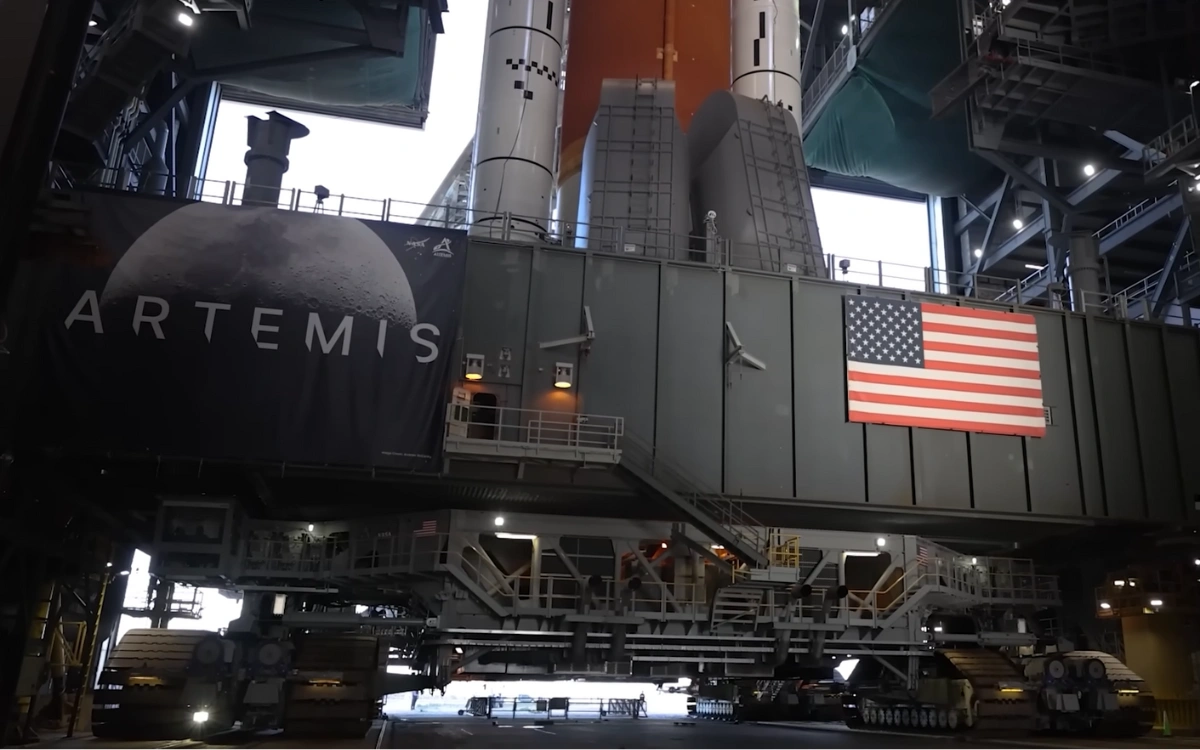
Under the hood, the crawler is a blend of old and new.
Some of its giant engines date back to the original build, while modern upgrades like new roller bearings have boosted its carrying capacity.
Ahead of each trip, crews inspect thousands of components because they are responsible for billions of dollars of hardware riding on top.
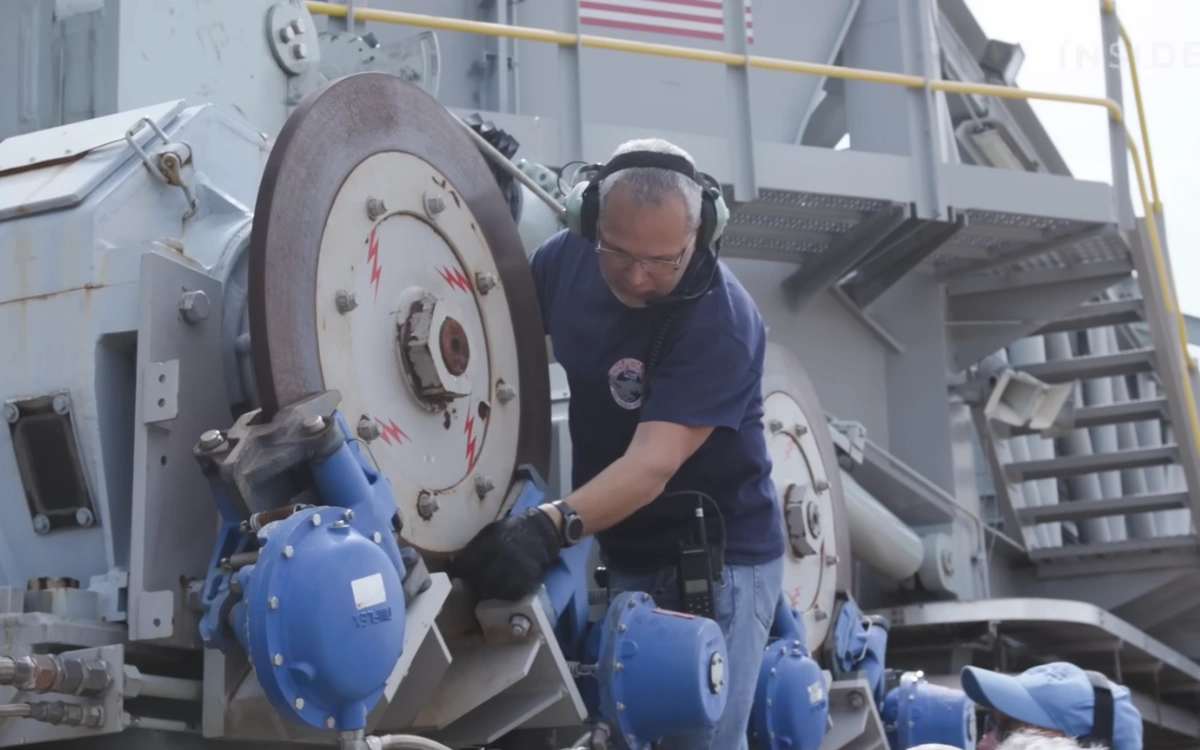
It may not fly, but without this slow, rumbling giant, none of NASA’s rockets would ever leave the ground.
DISCOVER SBX CARS: The global premium car auction platform powered by Supercar Blondie