NASA's Lunar Gateway gets a massive boost as its revolutionary electric engines pass testing
Published on Dec 19, 2025 at 10:18 AM (UTC+4)
by Jason Fan
Last updated on Dec 19, 2025 at 5:49 PM (UTC+4)
Edited by
Kate Bain
The Lunar Gateway just took a major leap forward, as NASA recently cleared some of the most powerful electric engines ever built for spaceflight.
The agency has successfully tested and accepted new high-output propulsion systems that will help power its future space station orbiting the Moon.
These cutting-edge electric thrusters promise unprecedented efficiency for long-duration missions beyond Earth.
And they could fundamentally change how humans explore deep space in the decades ahead.
SBX CARS – View live supercar auctions powered by Supercar Blondie
The Lunar Gateway isn’t your average space station
At the center of this milestone are three new electric engines that will power the Gateway station as it travels around the Moon.
Instead of burning fuel like traditional rockets, these engines use electricity to gently but continuously push the spacecraft forward.
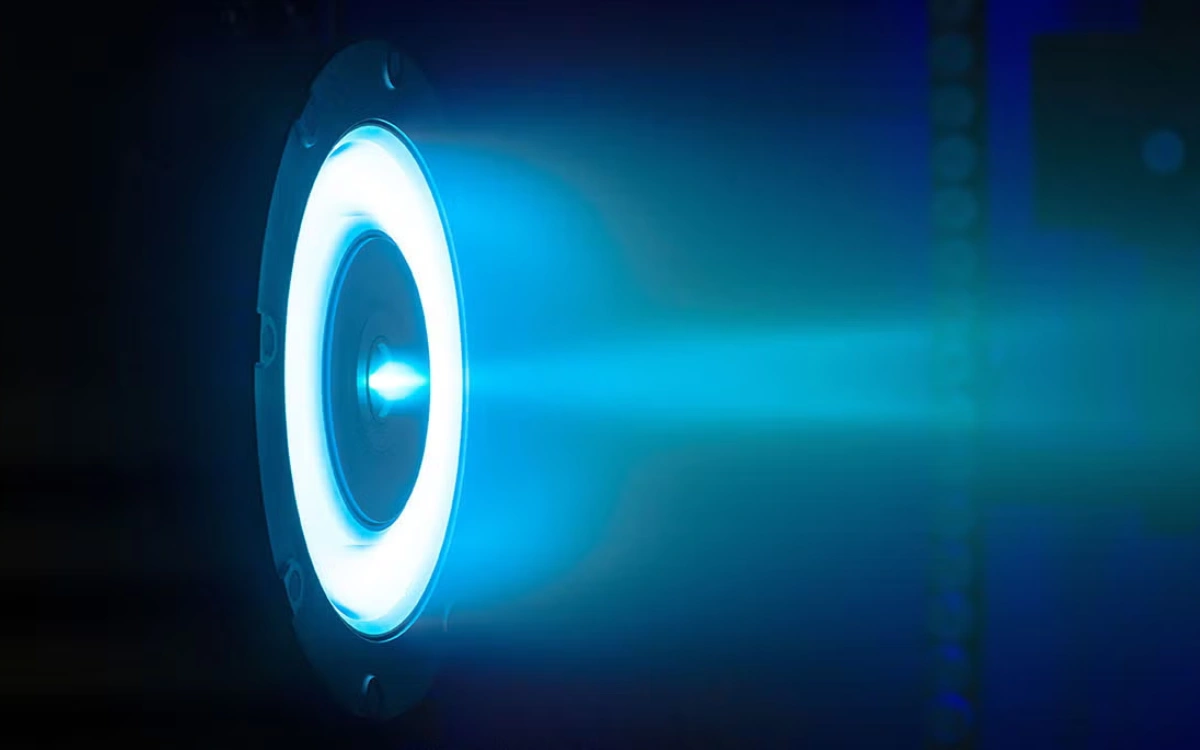
The result is far greater efficiency, meaning Gateway can move and adjust its position using much less fuel over long periods of time.
Before being approved, the engines went through months of tough testing to make sure they could survive the intense shaking of launch and work reliably in space.
Engineers fired them up repeatedly to confirm they performed exactly as expected.
Passing these tests means the engines are now cleared to be installed on Gateway’s Power and Propulsion Element, which is essentially the module that keeps the station running and in the right place.
Gateway itself is not a space station like the International Space Station, where astronauts live for months at a time.
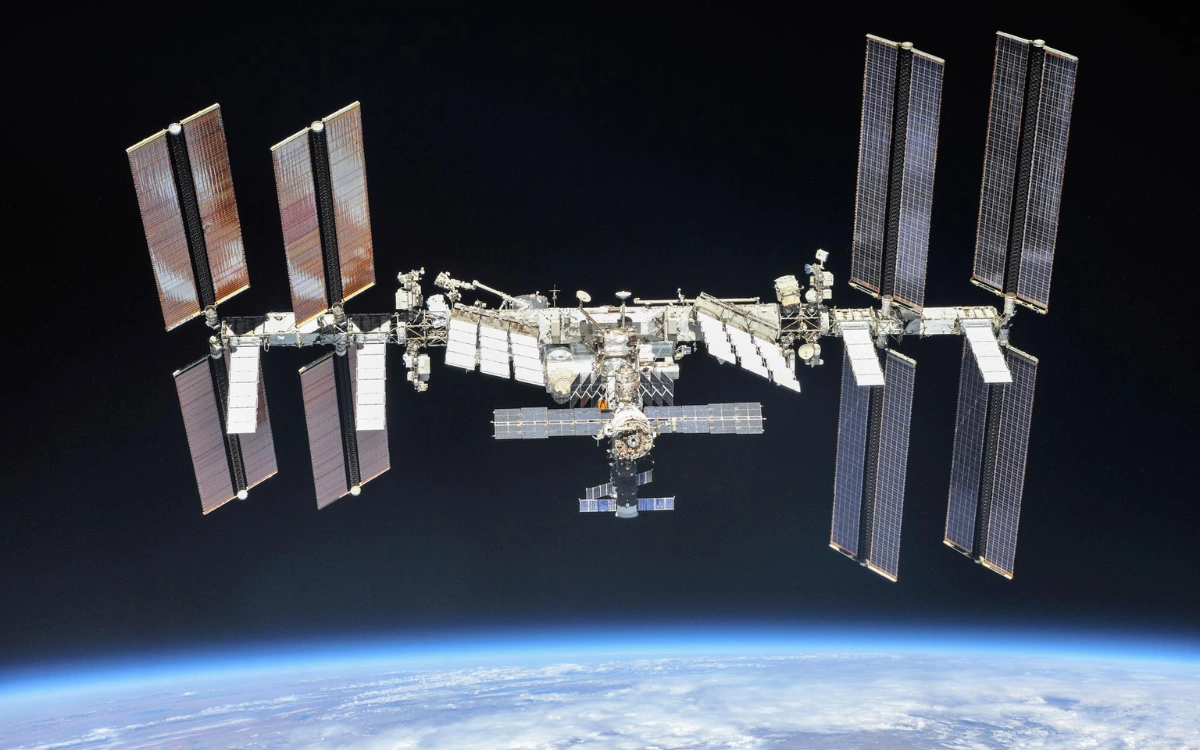
Instead, it’s a smaller outpost that will orbit the Moon and act as a pit stop for missions heading to the lunar surface.
Astronauts will dock their spacecraft there, prepare for Moon landings, and then return to Gateway before heading back to Earth.
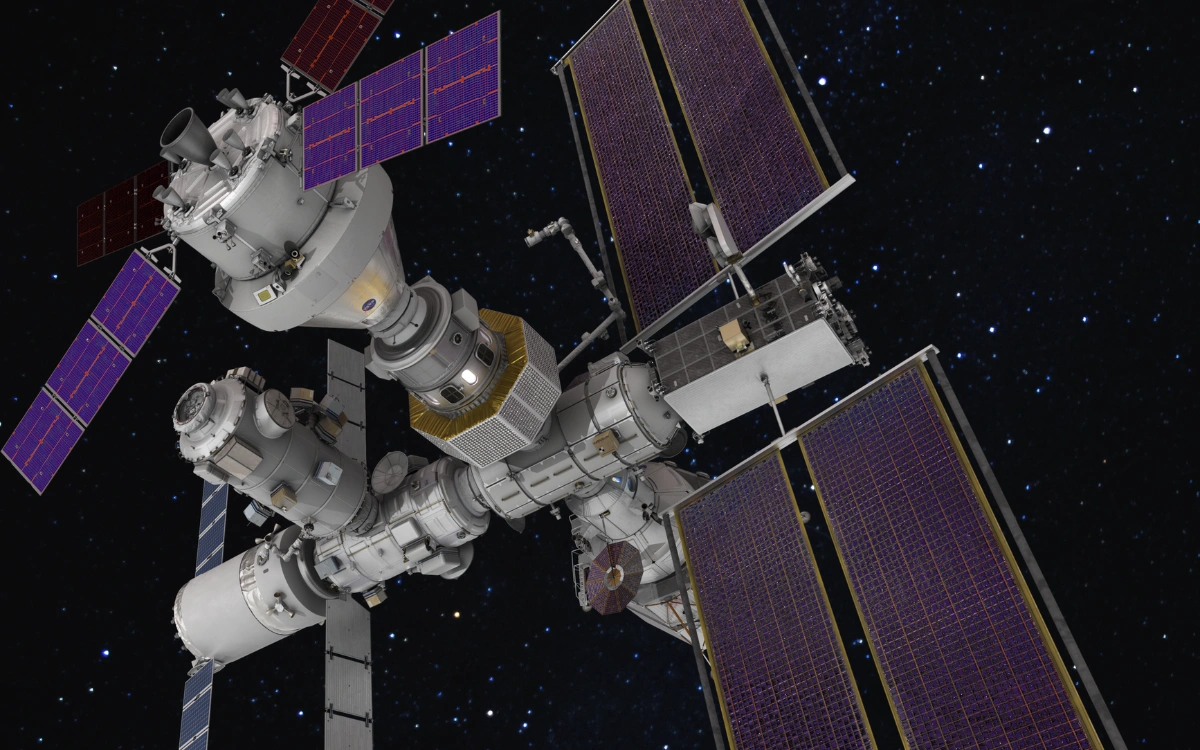
Think of it as a fancy parking lot in space.
This setup makes repeated trips to the Moon safer and more flexible.
Electric engines allow for longer space trips
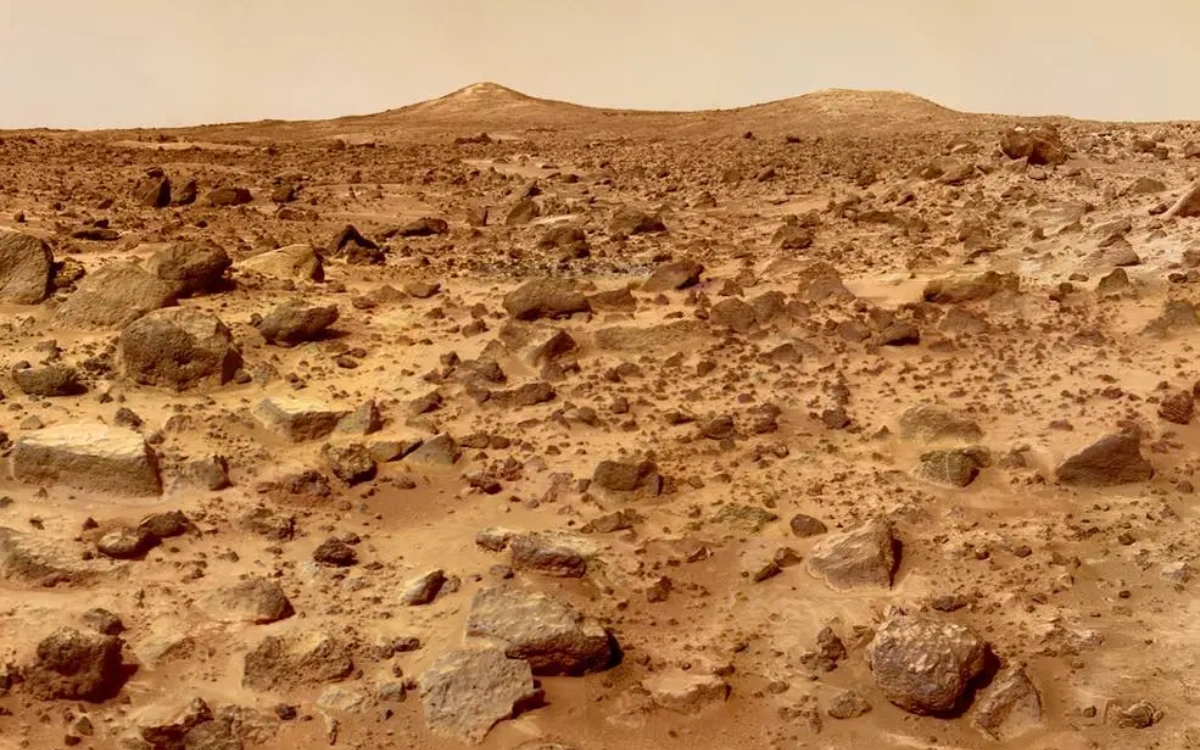
One reason Gateway matters so much is that it’s helping NASA prepare for future missions to Mars.
Operating a station so far from Earth forces engineers to design systems that are more reliable and more efficient.
The electric engines being tested now could eventually be used to move heavy cargo through space, or send robotic spacecraft on long journeys to distant planets.
In simple terms, these new engines give NASA a more economical way to travel in space, the same way EVs are more cost-efficient compared to gas-powered cars.
However, while EVs are generally considered to be inferior to ICE cars in terms of long drives, electric engines allow space missions to go further, last longer, and carry more equipment.
After all, there are no gas stations in space.
With this technology now proven, the Lunar Gateway is one big step closer to becoming humanity’s next launch point into the solar system.
DISCOVER SBX CARS: The global premium car auction platform powered by Supercar Blondie