NASA is sending a robotic arm into orbit to help construct vital infrastructure in space
Published on Dec 14, 2025 at 8:17 PM (UTC+4)
by Claire Reid
Last updated on Dec 12, 2025 at 2:52 PM (UTC+4)
Edited by
Kate Bain
NASA is sending a robotic arm into orbit to help construct habitats and vital infrastructure in space, and Space X is lending a hand.
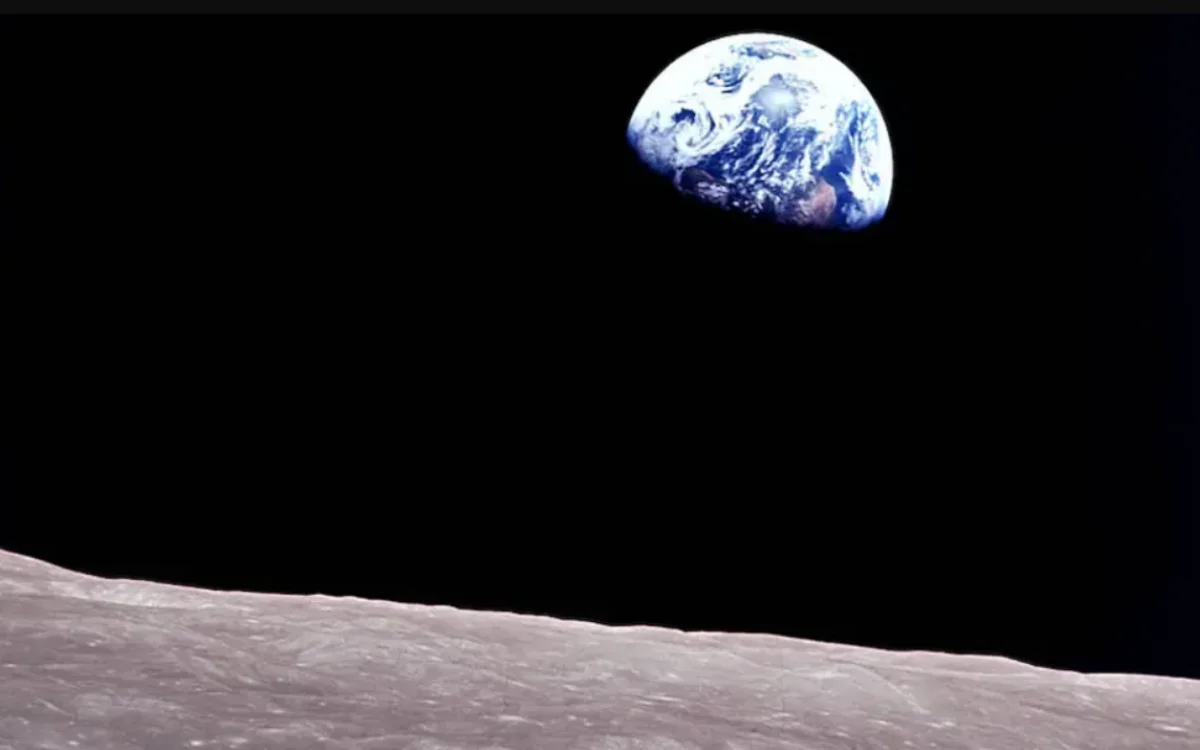
It’s been more than five decades since American astronauts have been on the Moon.
But earlier this year, NASA announced plans to send four astronauts on a lunar mission in early 2026 amid plans to colonize the Moon.
Helping NASA achieve its goal is a handful of businesses, including Elon Musk’s SpaceX.
DISCOVER SBX CARS – The global premium auction platform powered by Supercar Blondie
The robotic arm can use tools autonomously and works in zero gravity
Ahead of its ambitious plans to colonize the Moon, NASA will launch its Fly Foundational Robots mission in late 2027.
The mission aims to advance in-space operations to help support future exploration.
As part of this mission, NASA is working with the robotics industry, including Motiv Space Systems, which has created a dexterous robotic arm.
The arm is capable of autonomous tool use and can even ‘walk’ across spacecrafts in zero or partial gravity.
Motiv Space Systems says this could lay the groundwork for robotic servicing, inspection, and assembly tasks while in orbit.
“Today it’s a robotic arm demonstration, but one day these same technologies could be assembling solar arrays, refueling satellites, constructing lunar habitats, or manufacturing products that benefit life on Earth,” NASA’s senior technical lead for In-space Servicing, Assembly, and Manufacturing Bo Naasz said.
“This is how we build a dominant space economy and sustained human presence on the Moon and Mars.”
Not only could the robotic arm have many useful applications in space, it could also help advance technologies across a bunch of industries here on Earth, including construction, medicine, and transportation.
NASA will launch a lunar mission next year
NASA is gearing up to send its first manned mission to the Moon in half a century.
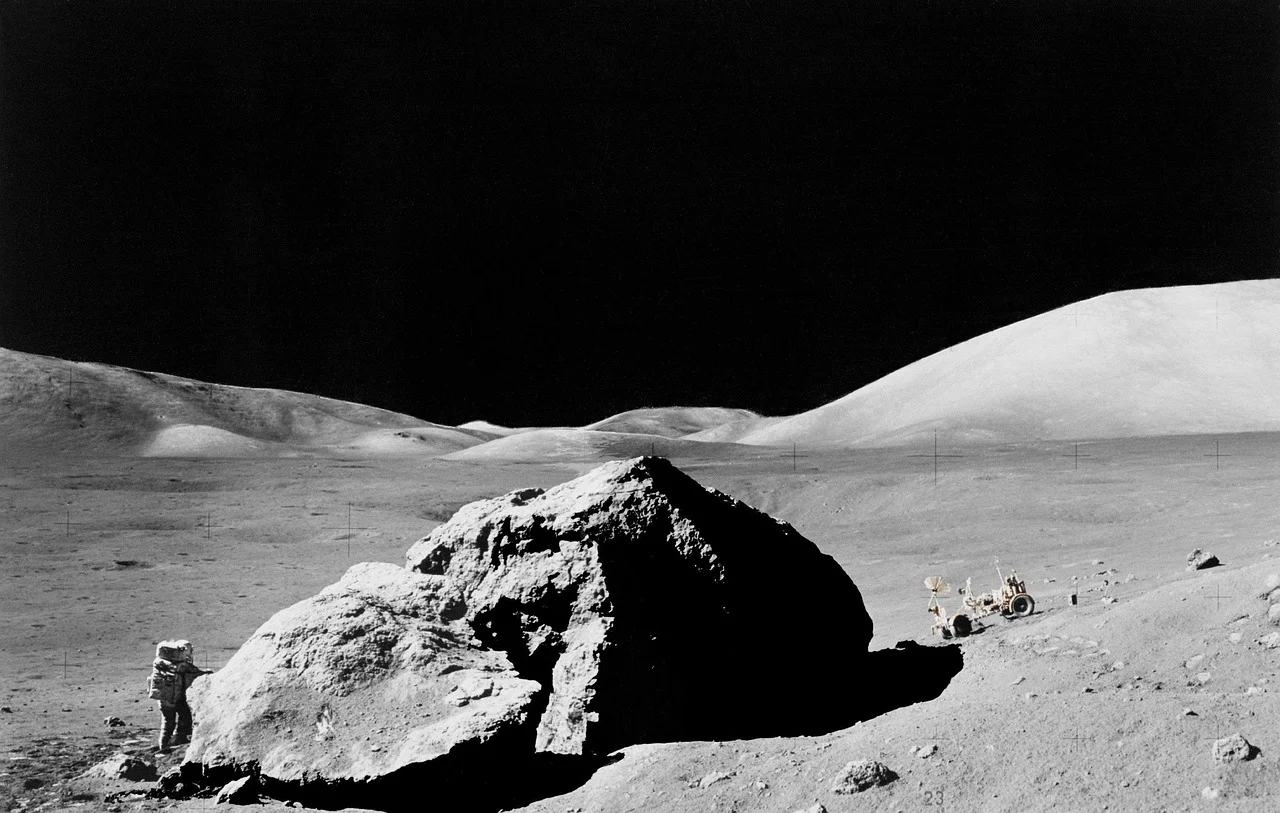
Its Artemis II mission is set to blast off as early as February 2026 with astronauts Reid Wiseman, Victor Glover, and Christina Koch, as well as Jeremy Hansen of the Canadian Space Agency, going on a 10-day round trip to the Moon and back.
The four-strong team of astronauts won’t actually land on the Moon this time around, but they will be flying further into space than anyone has before, and will help pave the way for Artemis III, which aims to land astronauts on the lunar surface for the first time since 1972.
DISCOVER SBX CARS: The global premium car auction platform powered by Supercar Blondie
With a background in both local and national press in the UK, Claire has covered a range of topics, including technology, gaming, and cryptocurrency, since joining the editorial team at Supercar Blondie in May 2024. Her ability to be first to a story has been integral to making SB’s coverage of scientific discovery, AI, and global tech news a slick 24/7 operation.