Technologies developed for Apollo missions now power devices we use every day
Published on Oct 09, 2025 at 2:45 AM (UTC+4)
by Jack Marsh
Last updated on Oct 08, 2025 at 3:46 PM (UTC+4)
Edited by
Emma Matthews
NASA developed an abundance of new technologies for Apollo missions back in the 1960s and 70s that now power devices we use every day.
“One small step for man, one giant leap for mankind.”
That iconic quote from Neil Armstrong was one that echoed through time and space, quite literally.
But while we haven’t done much moon exploration since Apollo 11, and nothing since 1972, the legendary rocket journey was primed with tech that inspired so many of our everyday devices.
VISIT SBX CARS – View live supercar auctions powered by Supercar Blondie
How NASA developed technologies for Apollo missions that are still used today
The Apollo missions are some of the most important scientific operations ever, being the only time mankind has ever set foot on the moon.
But it was more than just a moon-landing gimmick, and NASA built technologies for Apollo missions that are still active now.
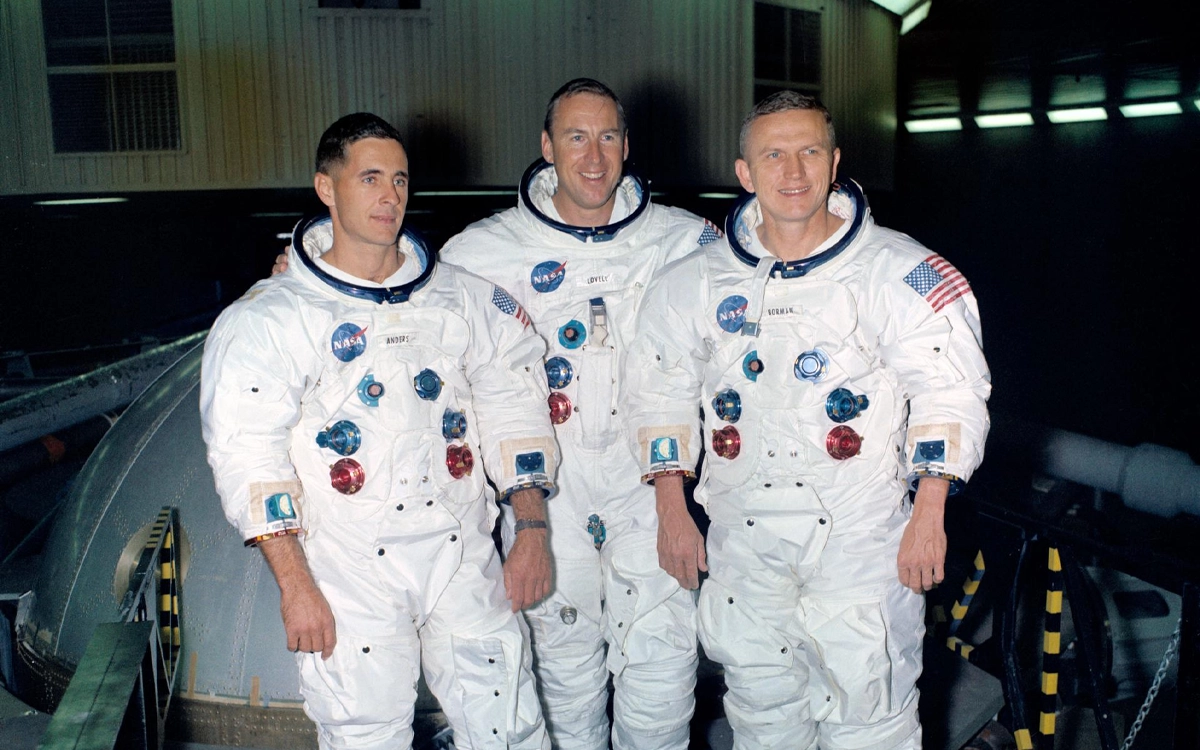
One being the astronaut suits.
As the earliest program to send humans to space, the suits designed by NASA have been consistent in design through the decades. Even the most recent explorers have suits based on the Apollo dressage.
Future space suits are set to have a designer’s touch, thanks to Prada, but at their core are the original NASA prototypes.
Then, there’s the command module, which, despite being improved upon with a modern-day look, is still a key component in getting people comfy in rockets.
The same module mock-up is used in Orion rockets that NASA uses to get to the Space Station and other units in the universe.
But as for gadgets that you might have used, then the S-Band Transponder was a massive advancement in technology that allowed for communication for the astronauts, and has been succeeded by other headsets and comm units.
The Apollo Guidance Computer also inspired tech that goes into most aircraft and GPS systems for cars, serving as the first Sat Nav.
When are we going back to the moon?
Well, thanks to NASA technology again, the Artemis campaign is set to take us back to our lunar companion, as early as spring 2026.
Recently, private companies also landed vacant shuttles on the moon, as NASA faces competition from SpaceX, Firefly Aerospace, and other companies from China and Russia.
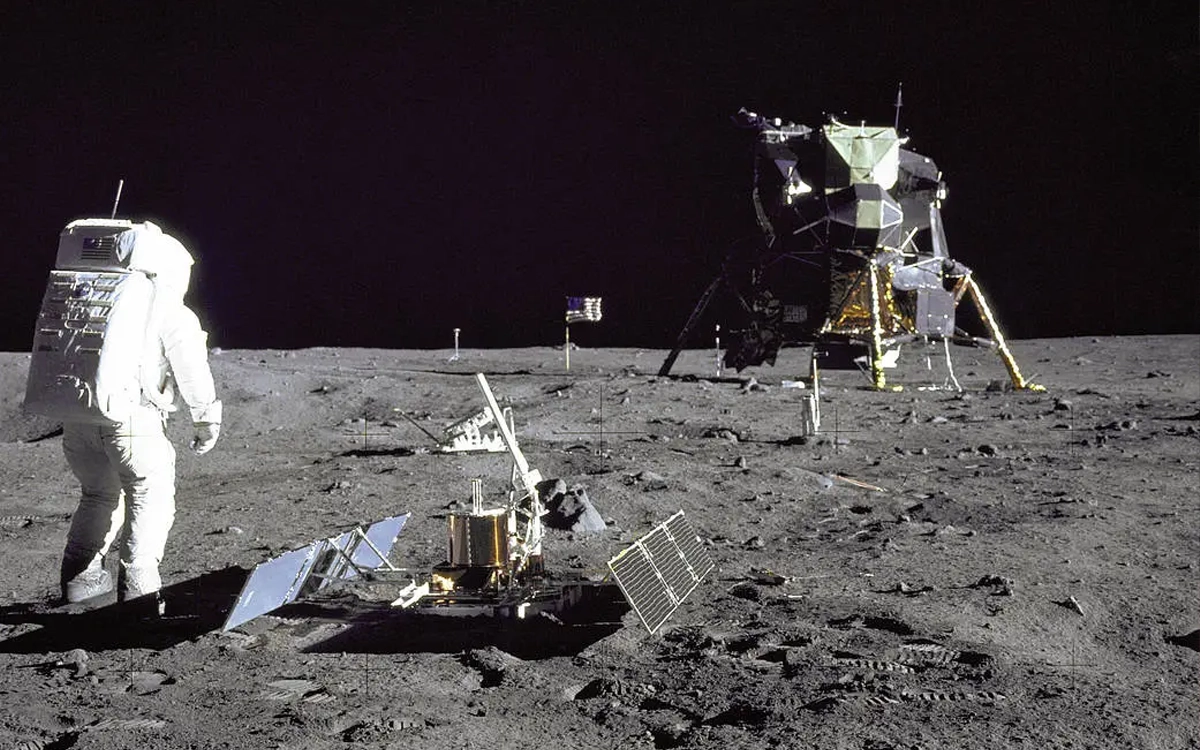
The upcoming Artemis missions, specifically, could be key to colonizing the moon, as they want to build houses there that can be homes for astronauts and civilians.
DISCOVER SBX CARS: The global premium car auction platform powered by Supercar Blondie
After beginning his career writing about all things gaming, Jack joined the Supercar Blondie team in November 2024 as a Content Writer. Since joining SB Media, in addition to a love for covering emerging tech, he has developed an admiration for vintage restorations, particularly old American brands like Dodge and Ford.