NASA's 'Son of Concorde' X-59 jet reaches its quiet supersonic target points for the first time ever
Published on Jun 30, 2026 at 10:09 AM (UTC-4)
by Alessandro Renesis
Last updated on Jul 02, 2026 at 9:12 AM (UTC-4)
Edited by
Mason Jones
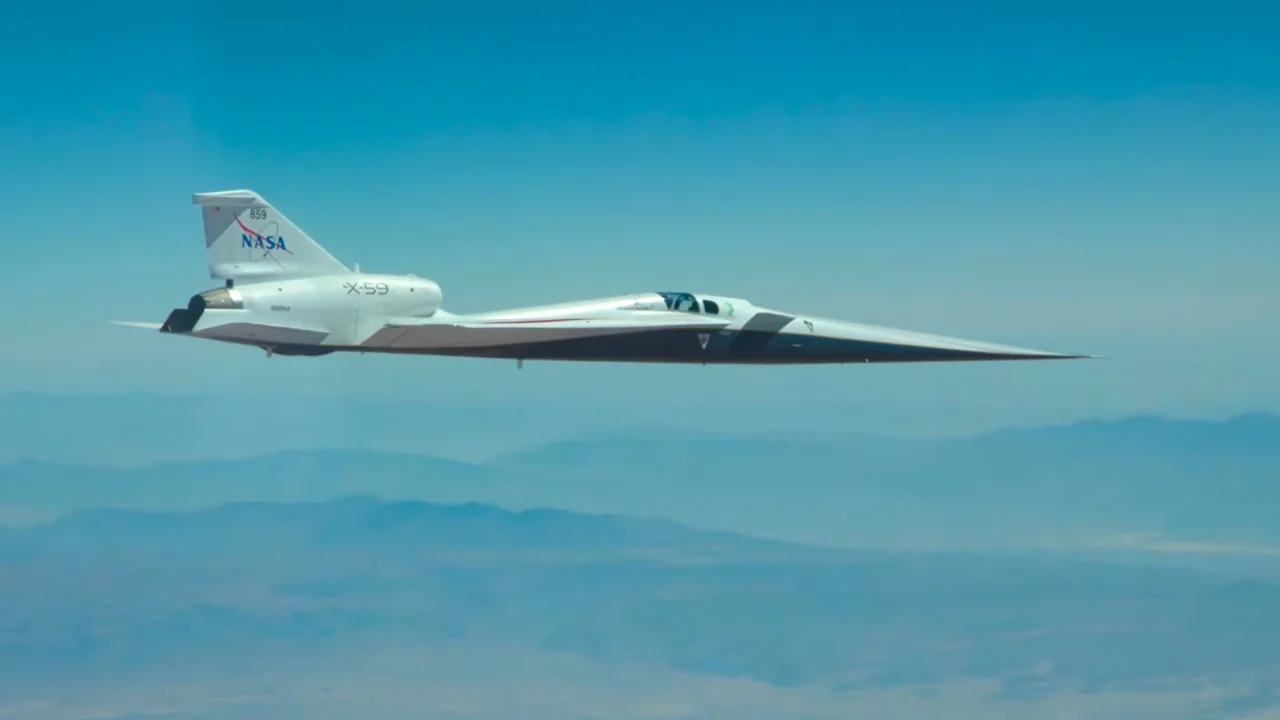

The new NASA X-59, the Son of Concorde as some people call it, reached its supersonic target points for the first time, which sounds great but requires some context.
NASA had set several target points, which is corporate speak for the ‘plane did what we wanted it to do’.
And that’s certainly good news.
More importantly, NASA seems to have solved the ultimate problem.
This is why they’re talking about ‘target points’
With enough time and money and no legal and bureaucratic constraints, building a supersonic aircraft is technically doable.
However, if you want to build a commercially viable aircraft that can legally fly supersonic from, say, London to New York, which is what Concorde did, there are a lot of boxes you need to check.
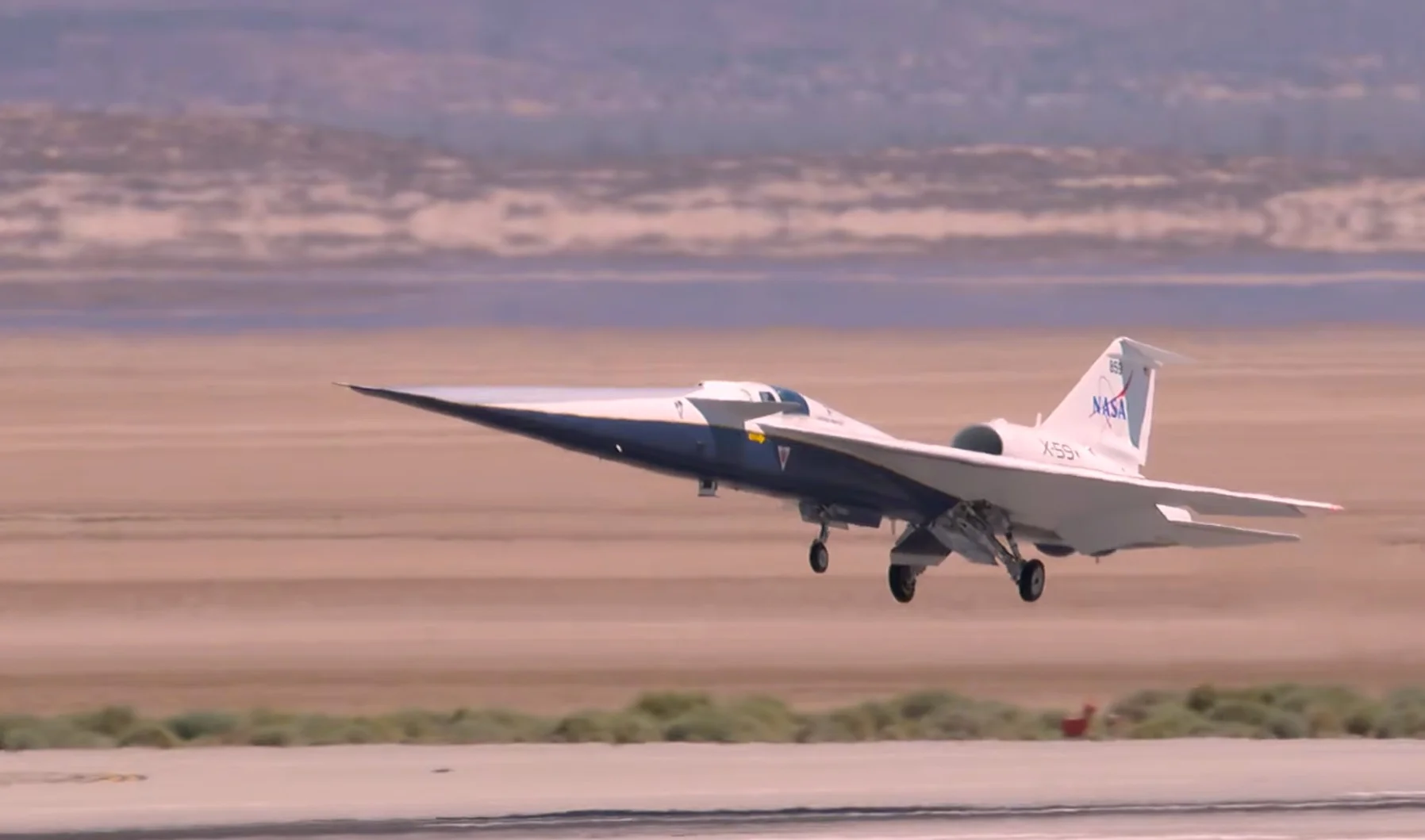
So when they say the aircraft achieved its ‘target points’ and its ‘mission-design’ – the Quesst mission – performance, what they mean is the plane did exactly what they hoped it would.
There are two main things, two main items on the menu, so to speak.
Related
Has NASA solved the sonic boom problem that Concorde had?
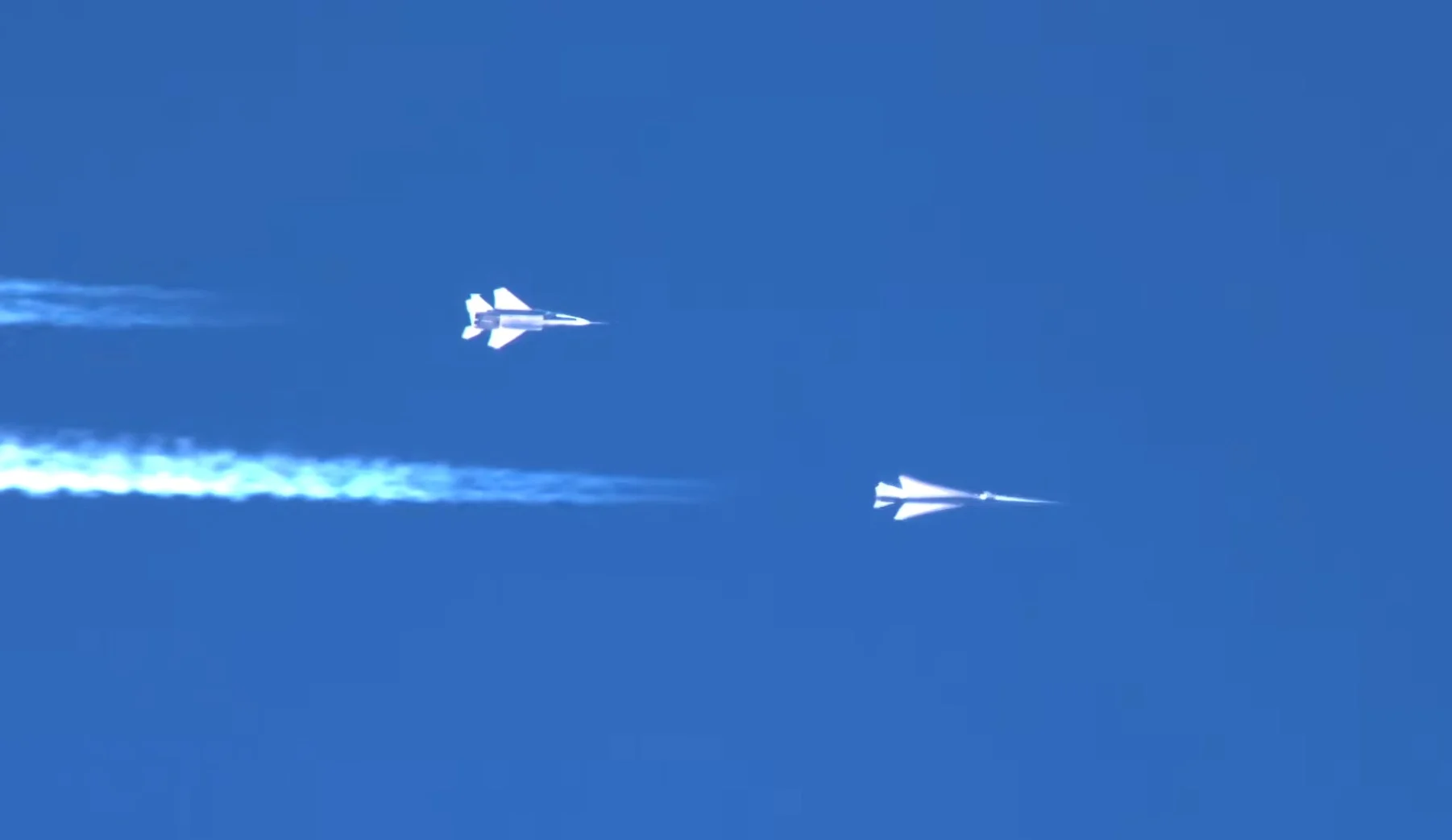
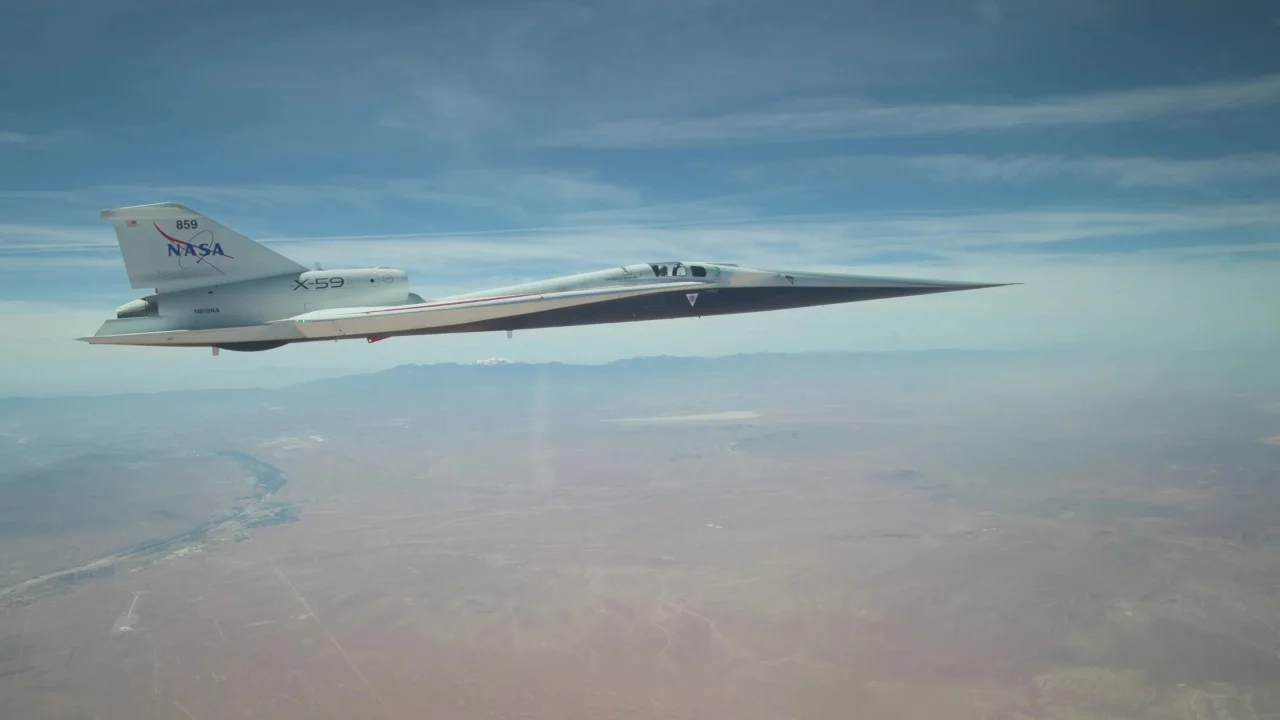
The X-59 – or Son of Concorde as some people call it – has been in development for about 10 years, but NASA is accelerating.
Over the last couple of years, they built a working prototype, got it first to near-supersonic speeds, and then to supersonic-level speeds.
In their latest test, the NASA X-59 was able to fly at an altitude of 55,000 feet at Mach 1.4, which is basically a real-world simulation of what similar planes are expected to do when they become commercially available.
The second thing is the sonic boom, which NASA has apparently removed.
One of the biggest problems with supersonic flying is that several countries outlawed the sonic boom, the distinctive (and loud) noise the plane makes when it breaks the sound barrier.
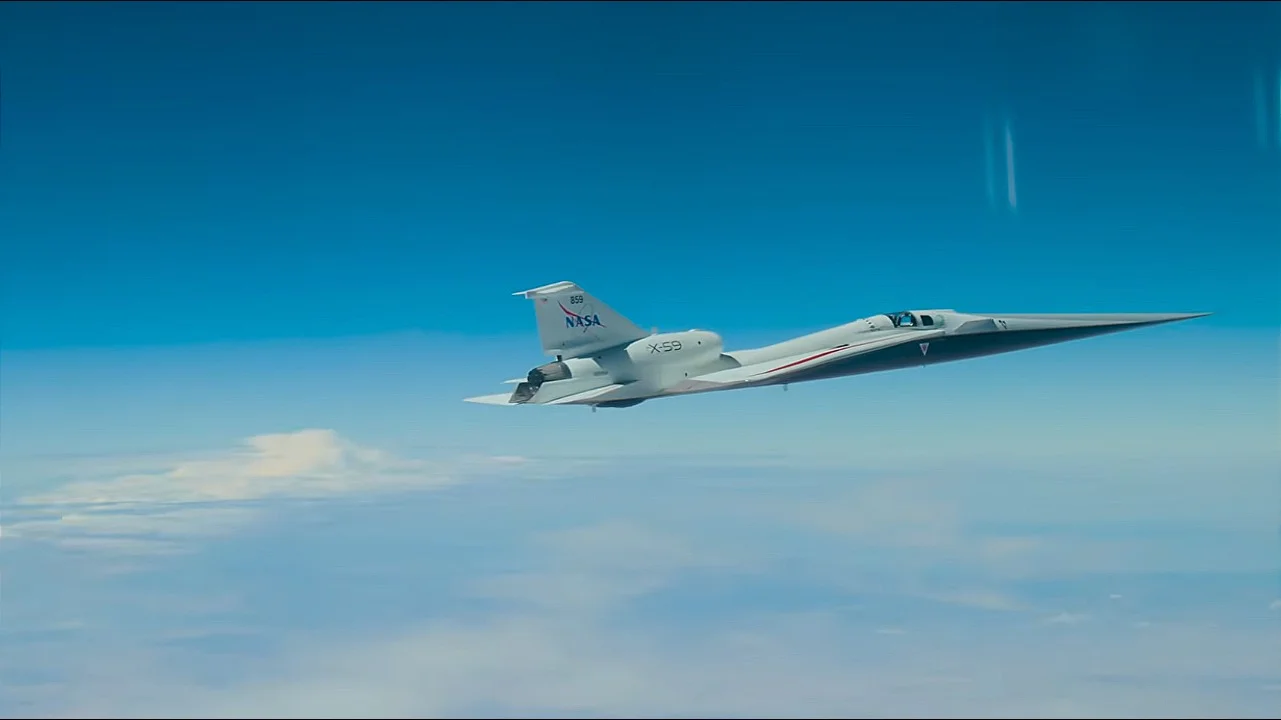
Unlike traditional supersonic aircraft that produce a disruptive, jarring sonic boom, the X-59 is uniquely engineered to generate a quiet ‘sonic thump’.
It produces the same noise as someone slamming a car door about 100 yards from you.
We’re still a long way from flying supersonic again.
But this is certainly a step in the right direction.

Alessandro is an automotive journalist with 10 years of experience covering supercars, automotive history, emerging vehicle technology, and luxury transportation. He wrote the first article published on SupercarBlondie.com when the website launched in 2022 and has since built a reputation for insightful reporting across the automotive and transportation industries. His expertise is grounded in hands-on experience. Alessandro has driven every Tesla model ever produced, from the original Roadster to the Cybertruck, and regularly covers the latest developments in electric vehicles and automotive innovation. His passion for transportation extends beyond cars, he has even flown a Boeing 787 Dreamliner simulator in Addis Ababa, Ethiopia. His reporting spans everything from classic American muscle cars and rare automotive discoveries to luxury yachts, private aircraft, high-end watches, and cutting-edge vehicle technology. Known for his deep knowledge of automotive history and ability to uncover the stories behind iconic vehicles, Alessandro brings readers a blend of historical context, technical expertise, and first-hand experience.