Audi’s all-black F1 prototype is officially the first 2026 car to hit the track
Published on Jan 14, 2026 at 8:41 AM (UTC+4)
by Jason Fan
Last updated on Jan 14, 2026 at 1:55 PM (UTC+4)
Edited by
Mason Jones

Sightings of the Audi F1 prototype have already ignited excitement ahead of what could be Formula 1’s most transformative season in decades.
Audi’s new challenger has been seen running at the Circuit de Barcelona-Catalunya, well before its official unveiling on January 20.
The low-key test marked the first time a 2026-spec Formula 1 car has turned laps in public.
It also offered fans an early listen to Audi’s brand-new hybrid power unit.
SBX CARS – View live supercar auctions powered by Supercar Blondie
F1 is about to be reshaped entirely
The 2026 Formula 1 season represents a full reset for the sport, with some very major changes added.
The regulations have been rewritten to produce smaller, lighter, and more agile cars.
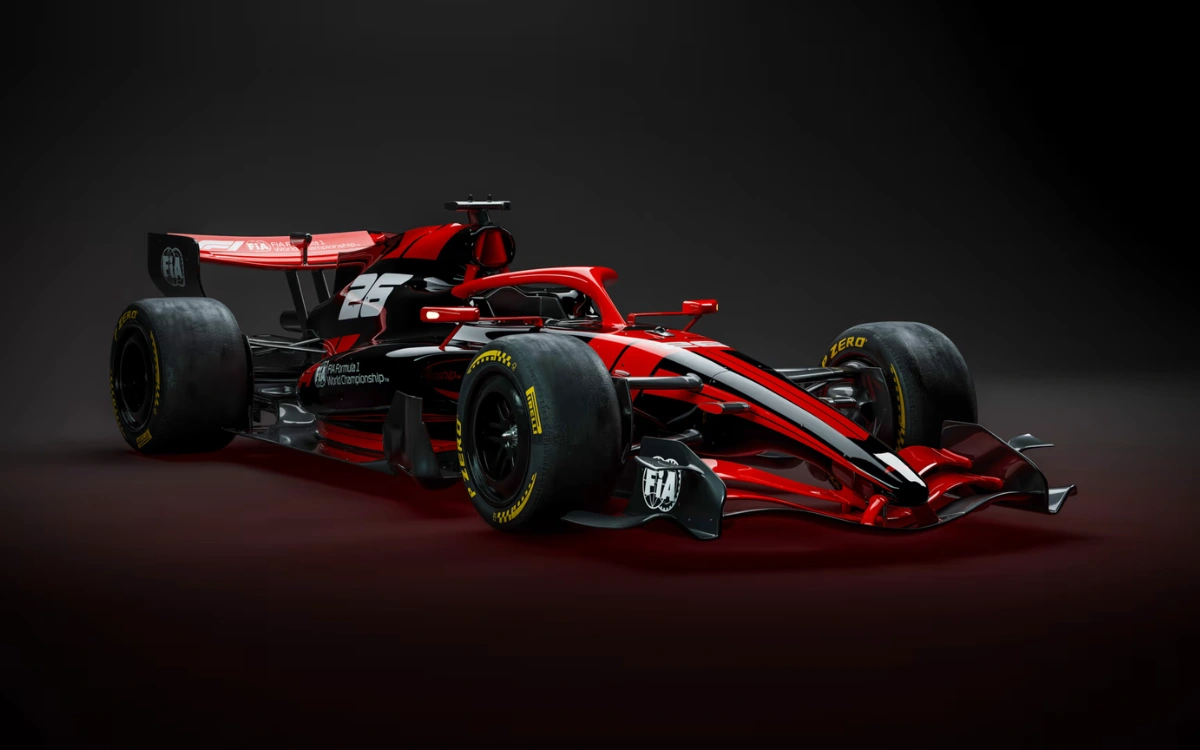
Overall downforce has been reduced, while drag has been cut significantly.
The goal is simple: closer racing and better on-track battles.
Ground-effect tunnels have been removed, changing how cars generate grip through corners.
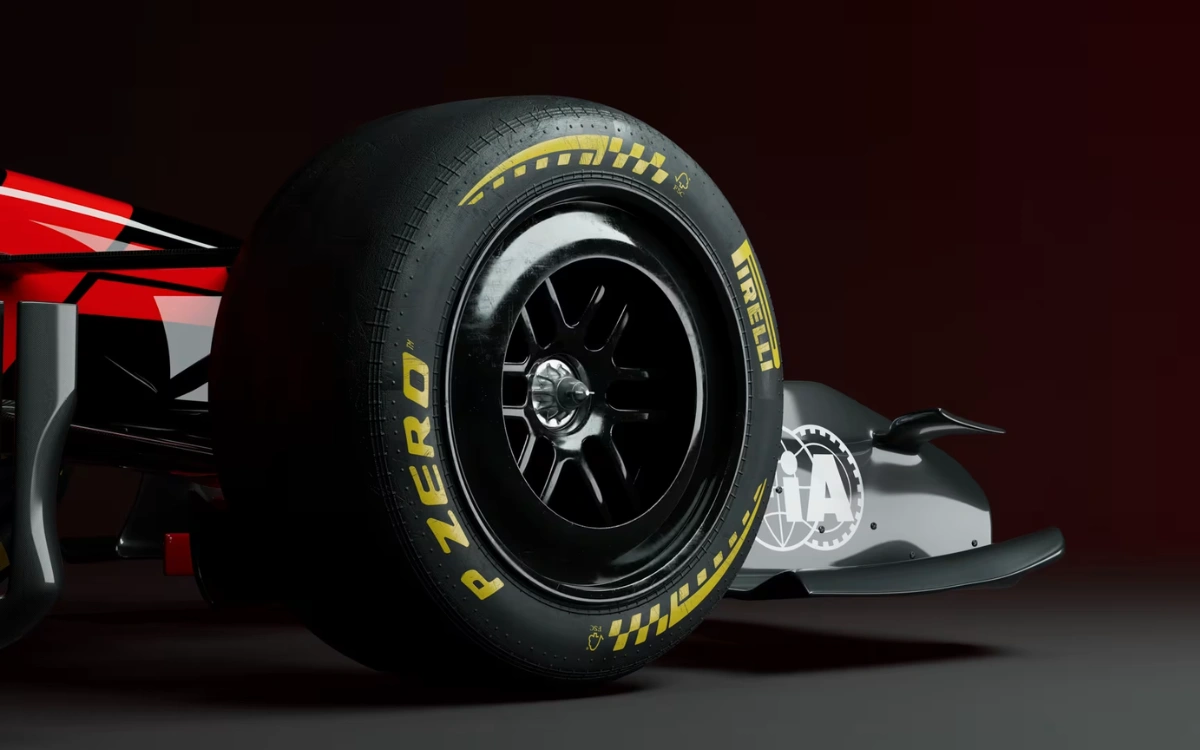
In their place comes a more conventional aero approach, paired with narrower tyres and a reduced footprint.
One of the biggest changes arrives in the form of active aerodynamics.
Movable front and rear wing elements will now adjust depending on track conditions.
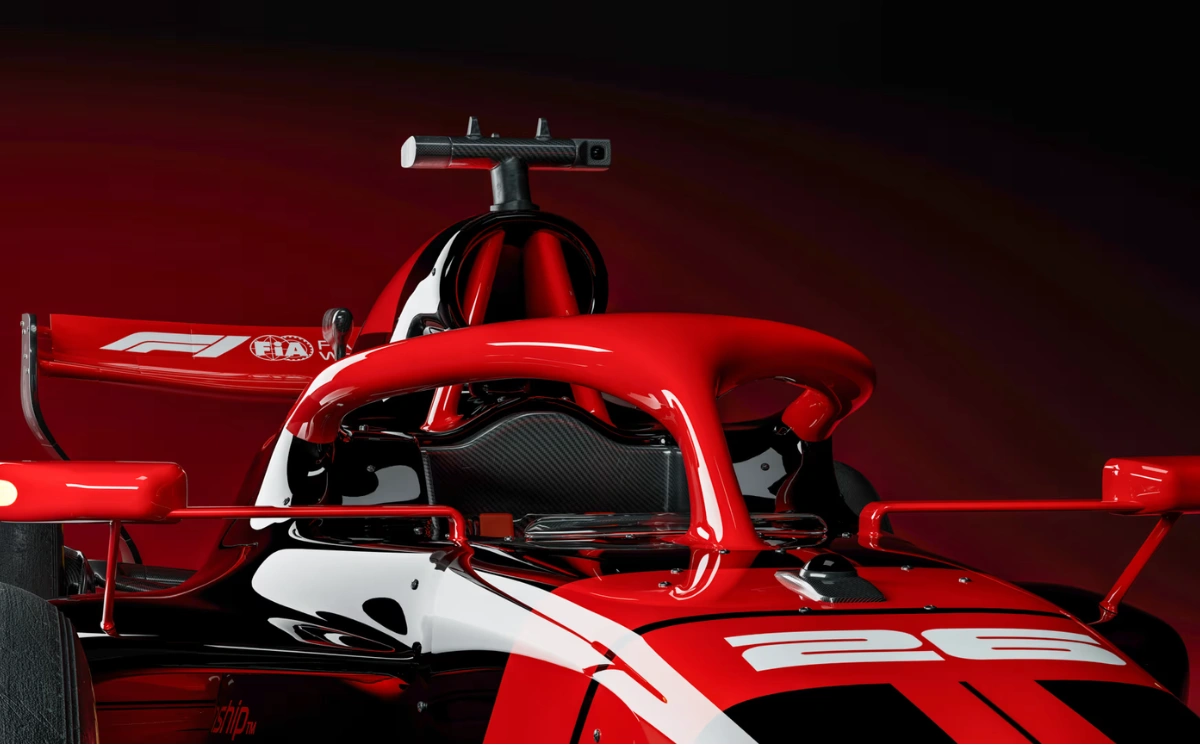
This system effectively replaces F1’s Drag Reduction System (DRS).
Drivers will switch between high-downforce and low-drag modes, adding a strategic layer to both qualifying and racing.
The cars are also designed to be more efficient, aligning with Formula 1’s broader sustainability push, like the switch from V12 to V6 engines.
The Audi F1 prototype is the first to be seen in public
Against this backdrop, Audi’s early appearance feels symbolic.
The Audi Revolut F1 Team, formed from Sauber, became the first outfit to run a 2026 car in public.
Footage from Barcelona shows the R26 circulating in a stealthy all-black livery.
The team has been careful not to reveal key aerodynamic details.
While it’s heavily camouflaged, the car’s presence is still significant.
It signals Audi’s intent as it prepares for its first full Formula 1 season as a factory team.
Audi also shared a handful of carefully framed images on social media.
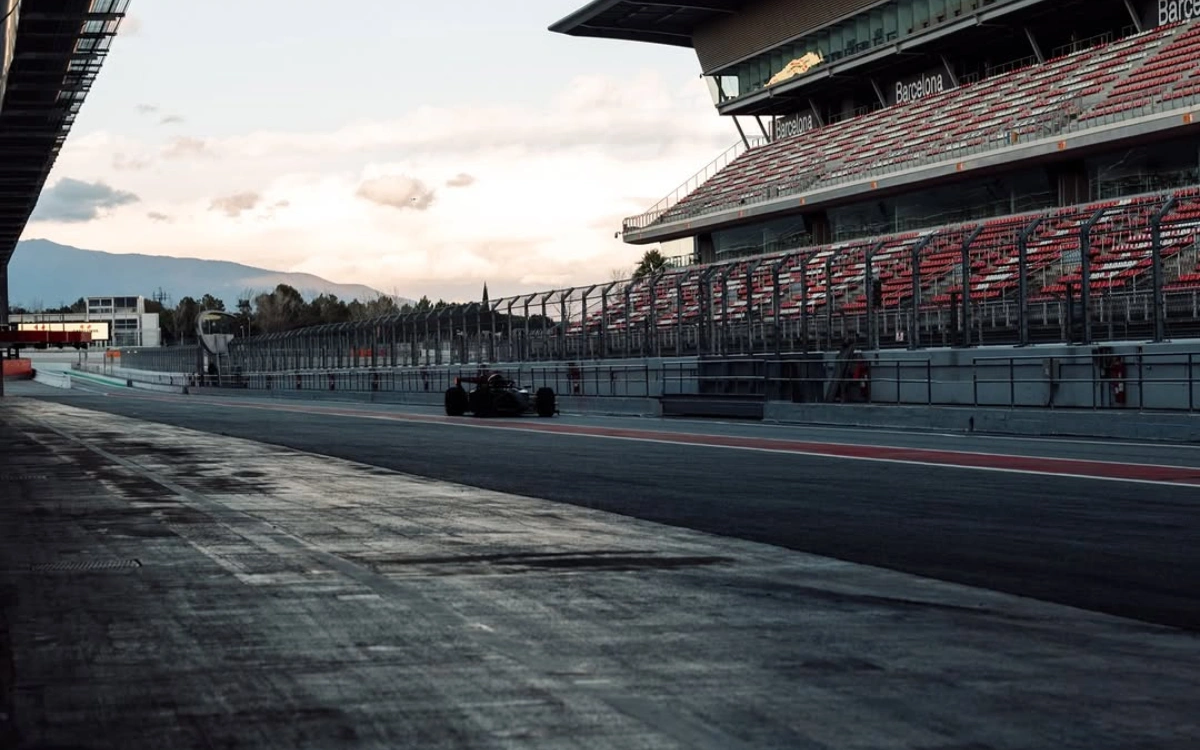
While the photos focus more on atmosphere than detail, the buzz is unmistakable.
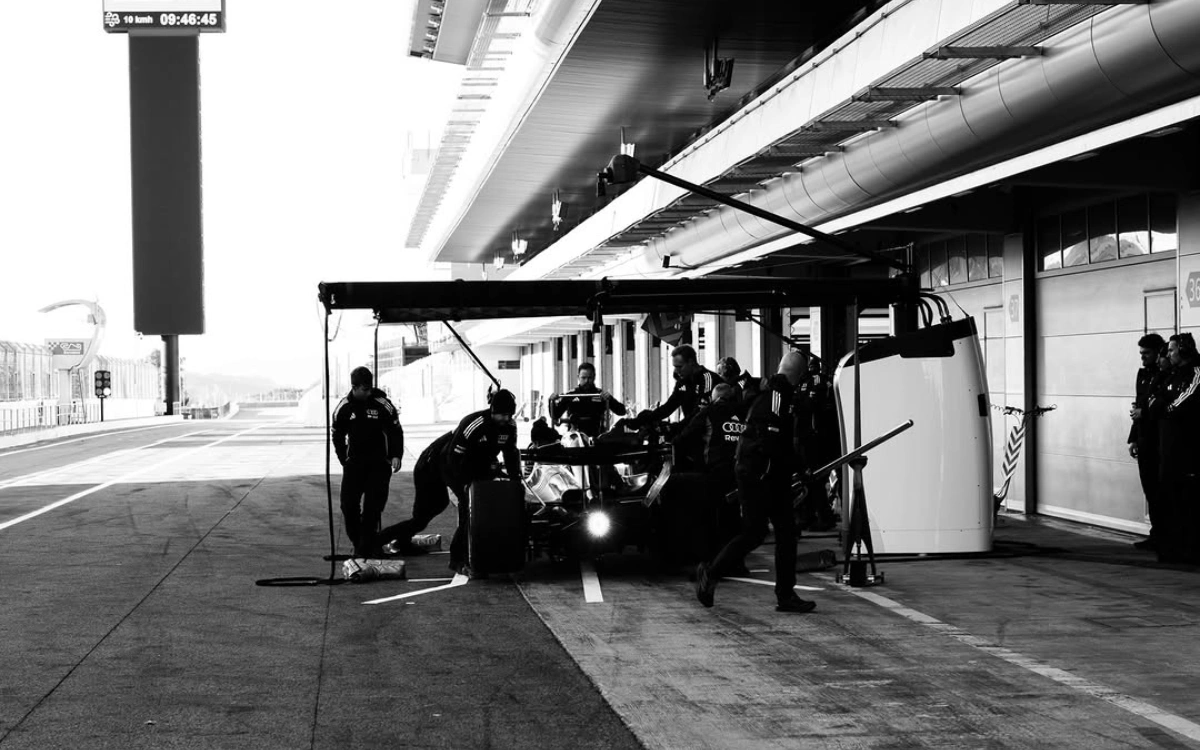
Renderings of the Audi F1 prototype has been shared previously, but this is the first time the public is seeing the actual car in action.
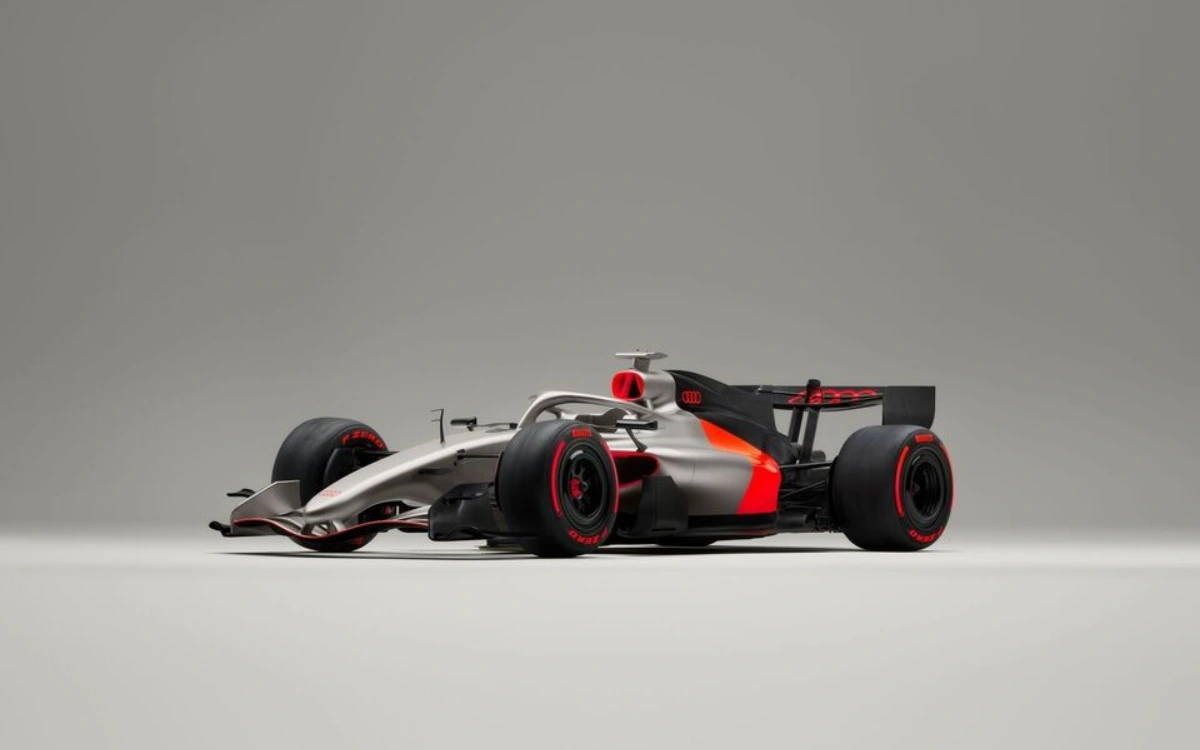
With car reveals starting this week and continuing through early February, Formula 1’s next era is rapidly coming into view.
For fans, the countdown to the 2026 season has truly begun.
Major F1 regulation changes
1950: The first F1 World Championship launched, with front-engine cars and minimal safety rules
1966: A major engine capacity overhaul was introduced, with engines jumping to 3.0-liter naturally aspirated, or 1.5-liter turbocharged units
1983: Flat floors were mandated to slow cars down and reduce risk, marking one of F1’s biggest safety-driven regulation shifts
1989: Turbo engines were banned, and F1 returned to naturally aspirated engines to control speeds and costs
1994: Following the deaths of Ayrton Senna and Roland Ratzenberger, sweeping safety changes were introduced, including lower speeds, redesigned circuits, and improved crash protection
2014: The hybrid power era began, with F1 switching to 1.6-liter turbo-hybrid V6 engines
2022: A new generation of cars was designed to follow more closely using underfloor aerodynamics, aiming to improve wheel-to-wheel racing
2026: The Formula 1 2026 changes brought new rules to both the chassis and power units marking the sport’s biggest reset in decades
DISCOVER SBX CARS: The global premium car auction platform powered by Supercar Blondie