New regulation is being explored that could make new cars electronically stop drivers from speeding and completely control their speed
Published on Jul 31, 2026 at 8:44 PM (UTC-4)
by Daisy Edwards
Last updated on Jul 31, 2026 at 8:44 PM (UTC-4)
Edited by
Kate Bain
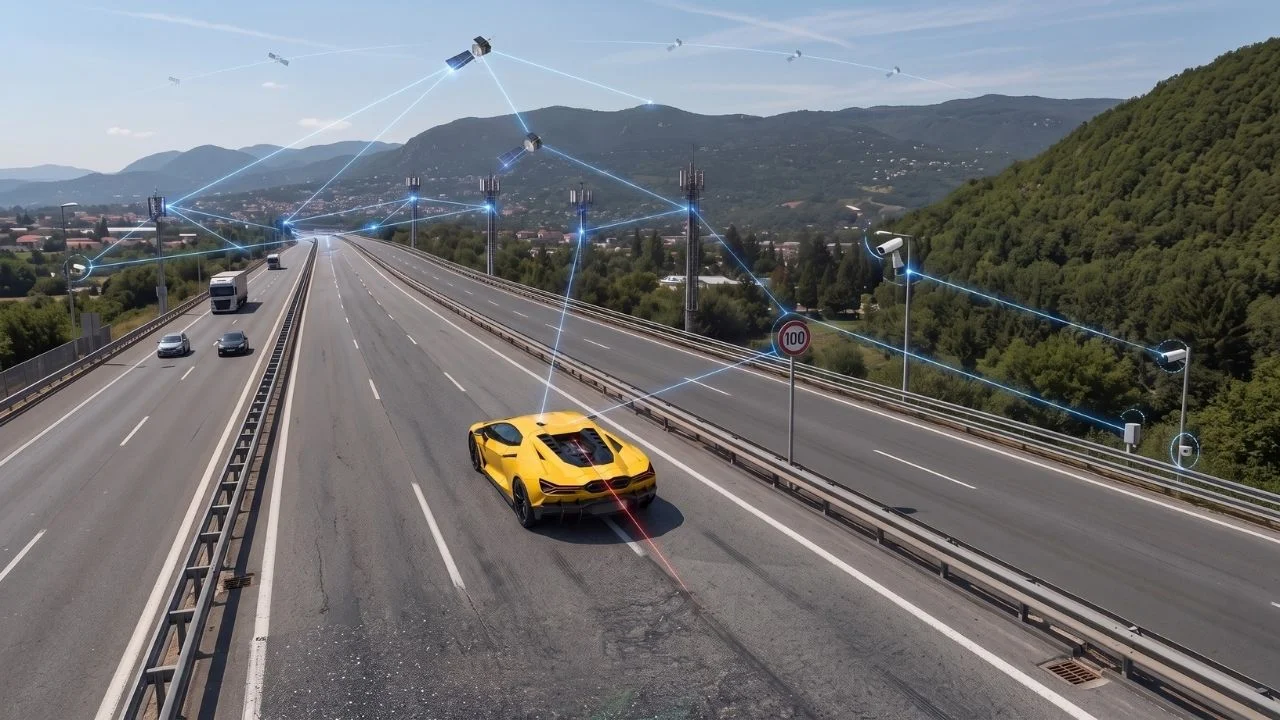

It sounds like something straight out of sci-fi, but Europe is now exploring technology and implementing a regulation that could electronically stop drivers from speeding.
The proposal would take today’s Intelligent Speed Assistance (ISA) systems much further by giving cars the ability to automatically limit acceleration when drivers go too fast.
While the idea has sparked plenty of debate, it’s important to note that nothing has been approved yet.
And there is one major safety concern at the center of the debate.
How do you electronically stop drivers from speeding?
Drivers across the European Union are already familiar with Intelligent Speed Assistance.
Since July 2024, every new car sold in the EU has been required to include the technology as part of updated vehicle safety regulations.
Current ISA systems use a combination of forward-facing cameras, GPS data and digital maps to identify the local speed limit.
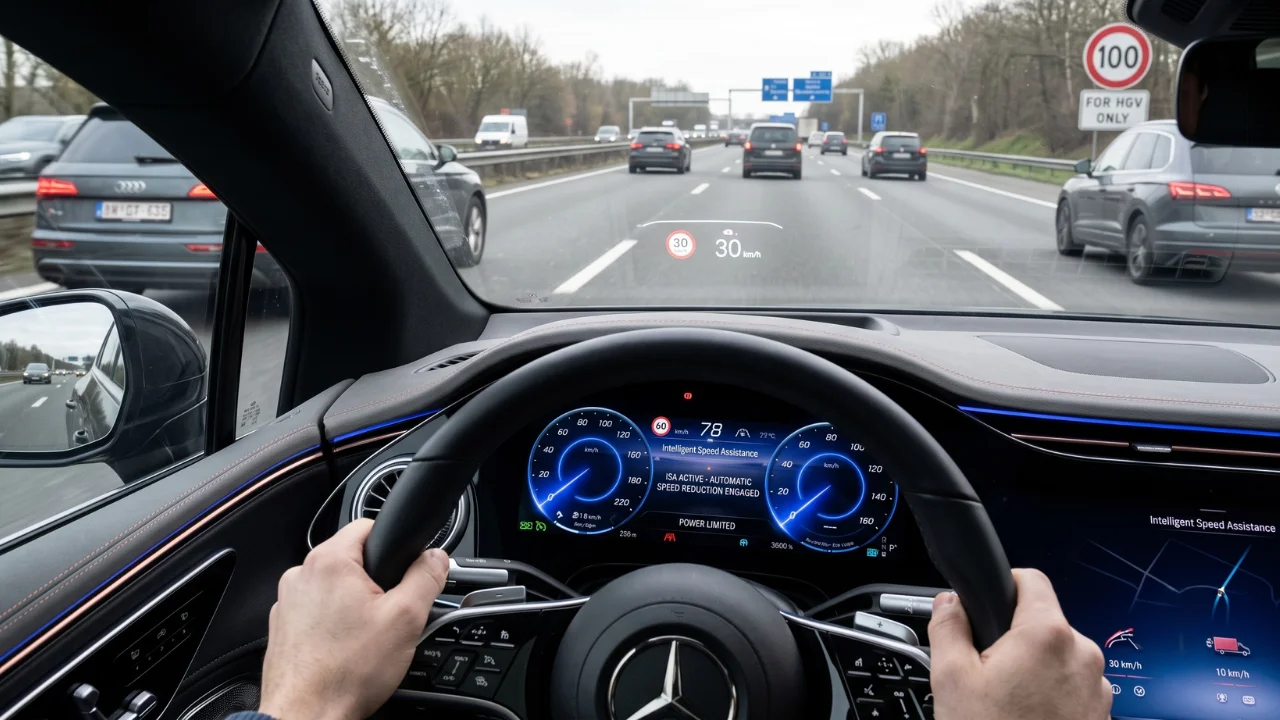
Depending on the manufacturer, they can alert the driver with visual or audio warnings, add resistance through the accelerator pedal, or gently reduce speed.
However, the systems are designed so drivers can override them by pressing harder on the accelerator, and they can also be temporarily switched off – although they automatically reactivate every time the car is restarted.
Now, the European Commission is reportedly discussing a more advanced version that would go a step further.

Related


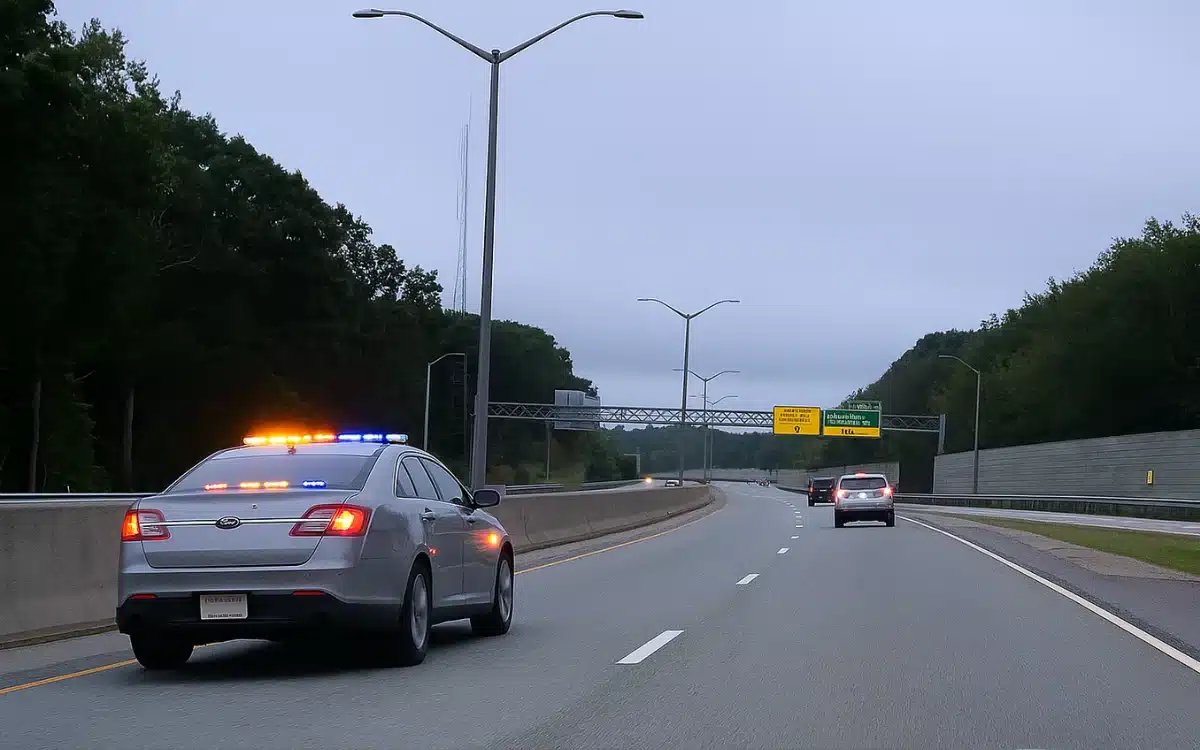
How the Intelligent Speed Assistance regulation would work
Instead of simply warning drivers, the proposed system could use GPS, 5G positioning, onboard cameras and mapping data to automatically reduce engine power whenever a vehicle exceeds the detected speed limit.
Reports have suggested the technology could be considered around 2030, but the Commission has stressed that no legislation, technical standard or implementation timeline has been agreed.
At this stage, it is simply being explored.
The European Commission says the concept remains in the exploratory stage, with no official rollout date or legislation in place.
There is one major concern with the new regulation
While the concept is intended to improve road safety, critics say there is one obvious hurdle – accuracy.
If a vehicle incorrectly identifies the speed limit, an automated system could intervene when it shouldn’t, creating a potentially dangerous situation for the driver and those around them.
Recent testing from Thatcham Research highlighted why that remains a concern.
Its real-world evaluation found that one production vehicle displayed the wrong speed limit during roughly one in four speed-limit change events when measured using an event-based testing method.

Researchers also found examples where cars displayed impossible public-road speed limits, including 5mph, 10mph, 15mph and even 100mph.
Those kinds of errors are currently frustrating for drivers using warning systems.
But if future versions were given greater authority over a vehicle’s acceleration, incorrect readings could have much bigger consequences.
For now, though, the Intelligent Speed Assistance proposal remains just that – a proposal.
Any future system would still need to overcome technical, regulatory and public acceptance hurdles before appearing in production vehicles, and there is currently no confirmed date for such technology to become mandatory.
Daisy is a technology and automotive journalist covering artificial intelligence, consumer tech, Apple news, cryptocurrency, emerging technologies, and transportation innovation. Since joining the team in 2025, she has reported on everything from AI-powered startups and major iOS updates to viral car stories and the latest developments shaping transportation and the digital economy. Drawing on her background in automotive journalism and a degree in History and Journalism from Goldsmiths, University of London, Daisy specializes in breaking down complex topics into clear, engaging reporting for a global audience. Her work spans cutting-edge technology, innovative vehicles, and the people driving change across both industries. Daisy has gained first-hand access to some of the world's most talked-about technologies and innovators, including meeting Tesla's Optimus humanoid robot during its first European appearance in London. She has also discussed the future of space exploration with an astronaut, bringing unique insights and real-world perspectives to her coverage of emerging technology.