New study clears up once and for all if driving an electric car puts you at risk of radiation
Published on Jan 01, 2026 at 1:12 PM (UTC+4)
by Claire Reid
Last updated on Dec 23, 2025 at 4:22 PM (UTC+4)
Edited by
Kate Bain
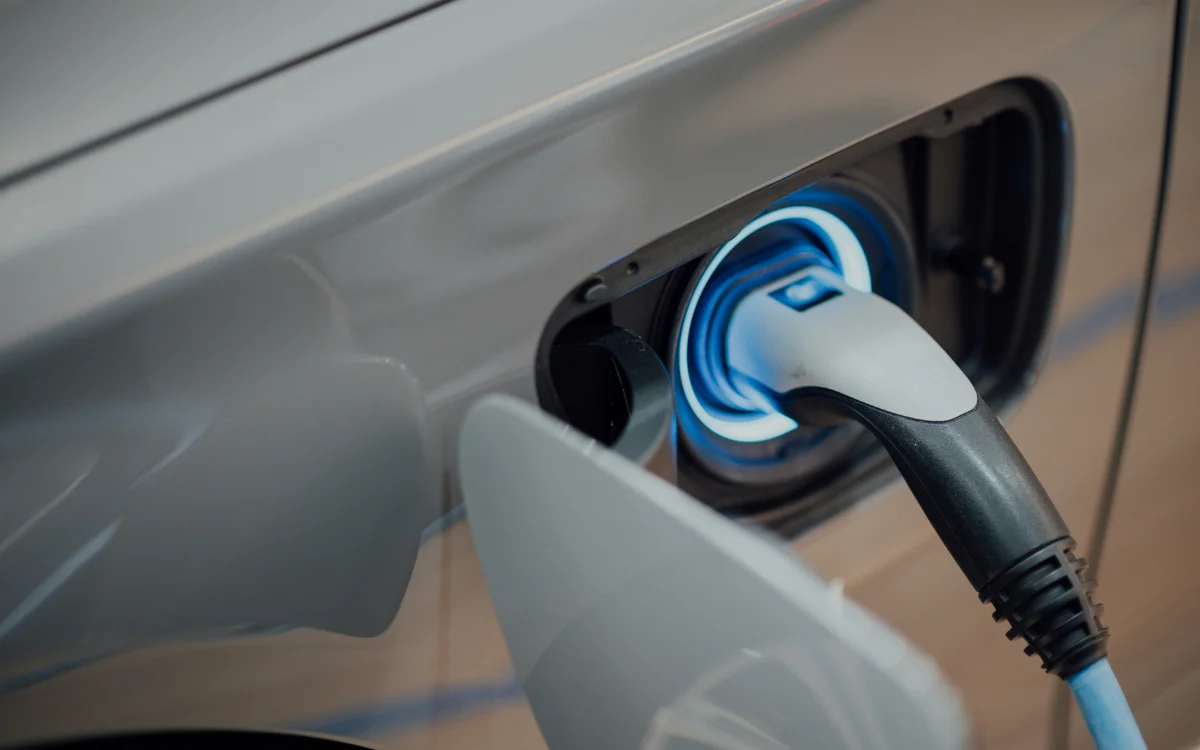

If you’re an EV driver, you may have wondered about the potential implications of being sat on top of a huge battery, and now a new study has determined whether driving an electric car puts you at a higher risk of radiation.
Although electric cars date back to the 19th century, the technology we use today has come a long way in a relatively short period of time.
Which is why studies and reports on things like EV battery health and how to boost your range are so important.
It’s also important to investigate any potential health issues, which is what researchers from Germany’s ADAC auto club recently did.
DISCOVER SBX CARS – The global premium auction platform powered by Supercar Blondie
What did the study find when looking at electric car radiation levels?
The study was commissioned by the Federal Office for Radiation Protection in Germany to take a closer look at the electromagnetic fields in electric vehicles.
Researchers tested eleven different EV models, as well as some hybrid cars, and an ICE-powered vehicle.
The team wanted to get an understanding of how strong the magnetic fields could be under normal real-world driving conditions.
So, they used a series of probes and sensors and moved them around the car into different seating positions while they were being driven or were being charged.
In on-road testing, the team did note there were some short spikes in the magnetic field during hard braking or acceleration, but also said they were to be expected in a car powered by electricity and still fell well below the recommended limits.
Overall, the study determined that driving an EV posed no greater radiation risk than driving an ICE vehicle, whether being driven or on charge.
More EV myths have been challenged
This isn’t the first study to help debunk a common EV myth.
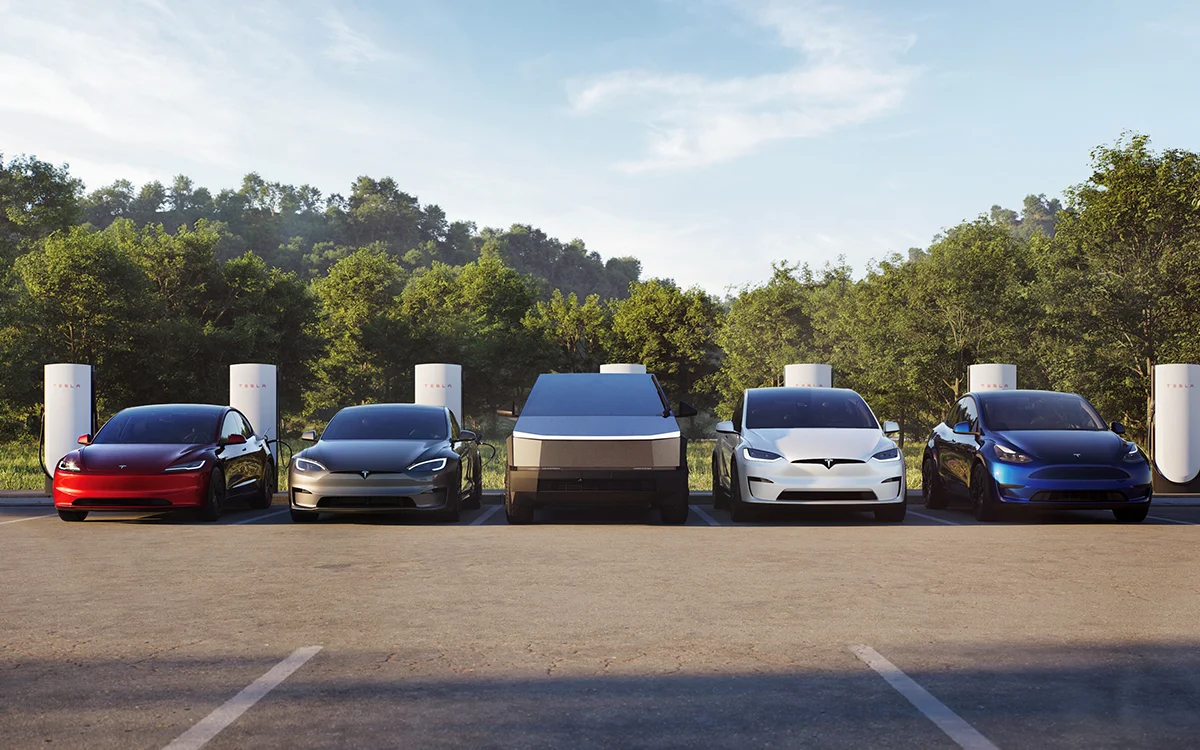
Earlier this year, the Guardian conducted research into whether an EV was actually cleaner and greener than ICE-powered cars.
The research showed that while EVs do require a lot more energy during manufacturing, they soon make up for it when out on the road.
In effect, this means that with each mile it clocks up, a gas-powered car is producing more pollution and making the gap smaller.
Eventually, the additional pollution caused during the making of the electric car will be offset simply by driving it.
DISCOVER SBX CARS: The global premium car auction platform powered by Supercar Blondie
With a background in both local and national press in the UK, Claire has covered a range of topics, including technology, gaming, and cryptocurrency, since joining the editorial team at Supercar Blondie in May 2024. Her ability to be first to a story has been integral to making SB’s coverage of scientific discovery, AI, and global tech news a slick 24/7 operation.