5 things that the original Tesla Roadster had that the new one certainly won't
Published on Sep 16, 2026 at 10:03 PM (UTC-4)
by Alessandro Renesis
Last updated on Sep 16, 2026 at 10:03 PM (UTC-4)
Edited by
Mason Jones
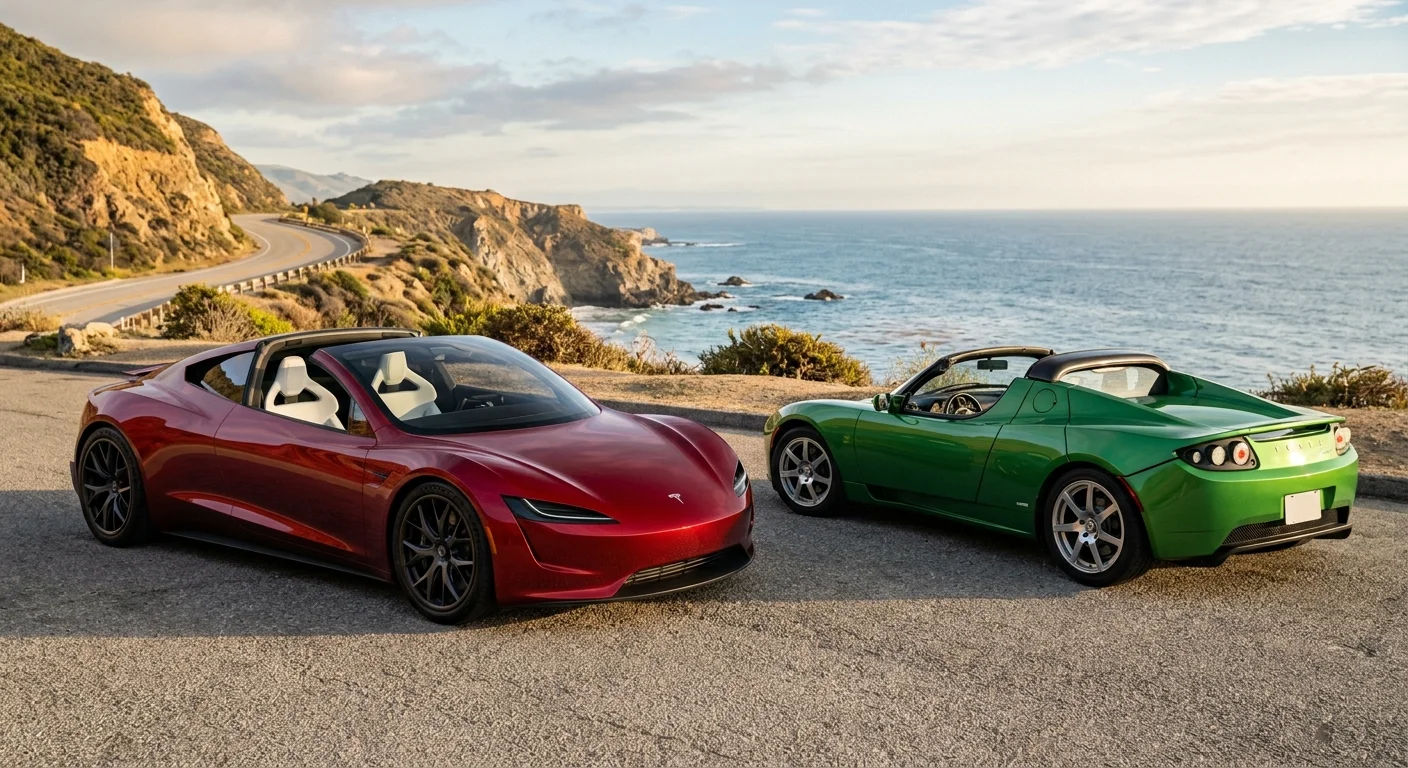

After a long, long wait, the new Tesla Roadster is about to be unveiled, and people are asking questions about it.
If everything goes to plan, the Roadster should hit the road almost 20 years after the original Roadster.
Two decades is a long time when it comes to cars, especially now with all this tech.
And we identified five things the new Roadster absolutely won’t share with the old one.
1. The underpinnings of a Lotus Elise
To be clear, the list of things that the new Roadster won’t share with the old one is much longer than this.
It’d be a lot easier to list the things that it does share: its name, and the fact it’s an electric convertible.
But our time on Earth is finite, so we figured we’d narrow it down to five things, starting with the old car’s connection to the Lotus Elise.
Some people may not know, and others may have forgotten, but the original Roadster was actually a Lotus Elise in disguise.
Which is crazy if you think about it now.
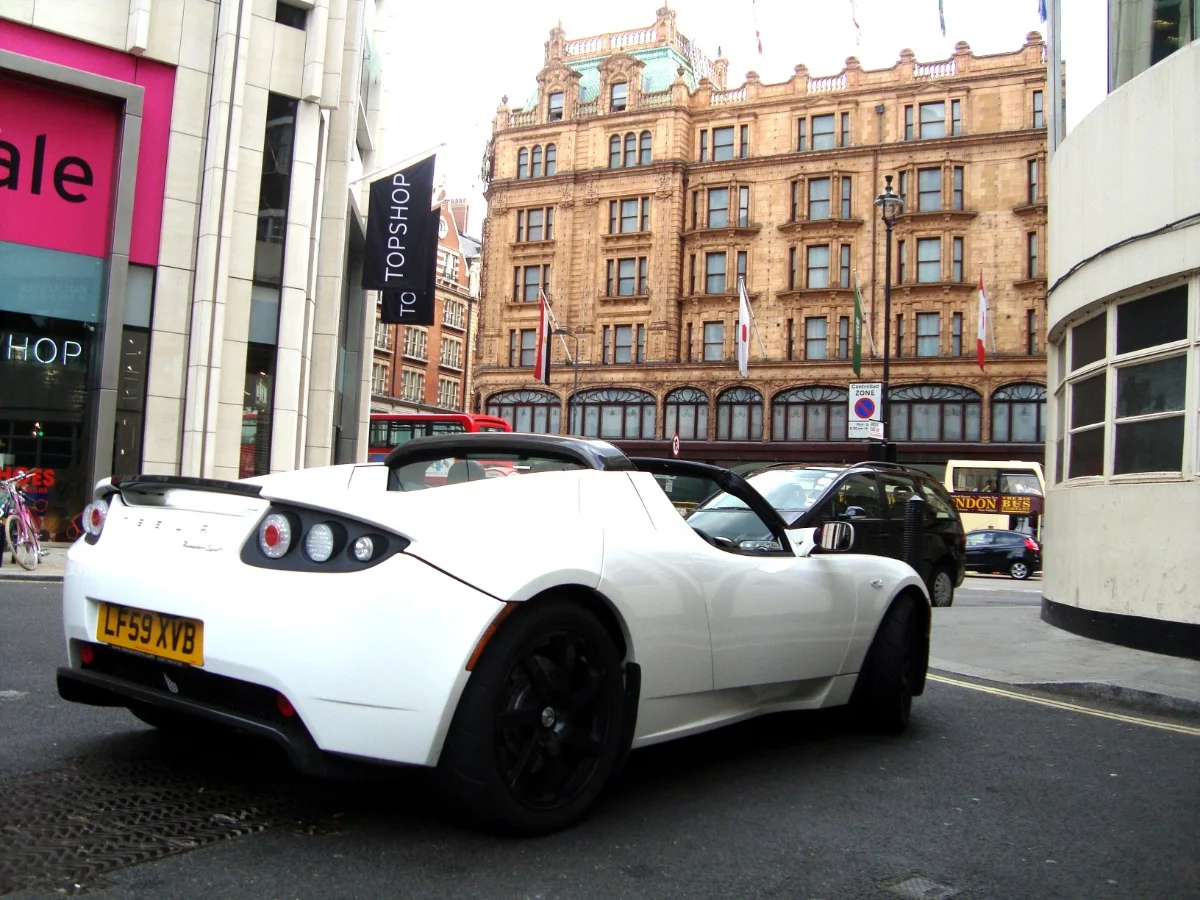
Back then, Tesla was a two-bit startup funded with lunch money, so the budget was limited.
Tesla decided to use the underpinnings (modified, of course) of a Lotus Elise – of all cars – and you can actually tell if you look at the car.
This made the Roadster relatively lightweight, despite the batteries, very low to the ground, and fun.
And uncomfortable.
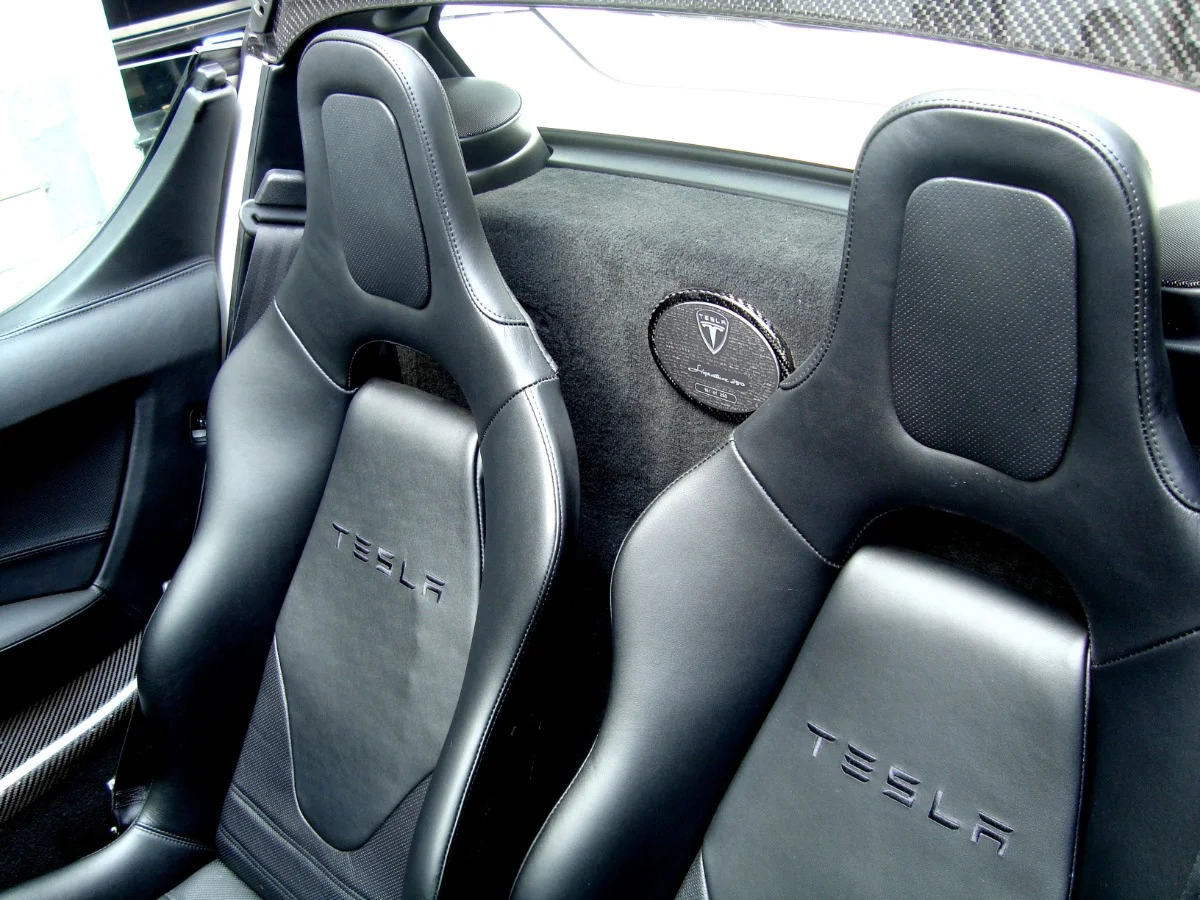
Tesla did its best, but the Lotus Elise is a very uncomfortable car, and the Roadster was one step better, but still not great.
2. Lithium cobalt oxide batteries
The original 2008–2012 Tesla Roadster used a 53-kWh (56-kWh, in some models) battery pack made of roughly 6,831 off-the-shelf cylindrical cells with lithium cobalt oxide chemistry.
They were basically 6,831 laptop batteries glued together.
The upcoming Tesla Roadster Gen 2 is designed around a massive 200 kWh structural battery pack, which will likely rely on high-density, nickel-rich cells double-stacked directly into the chassis.
3. Analog physical controls (Tesla seems to hate those)
Some people believe that Tesla is going too far with digital controls. And I agree.
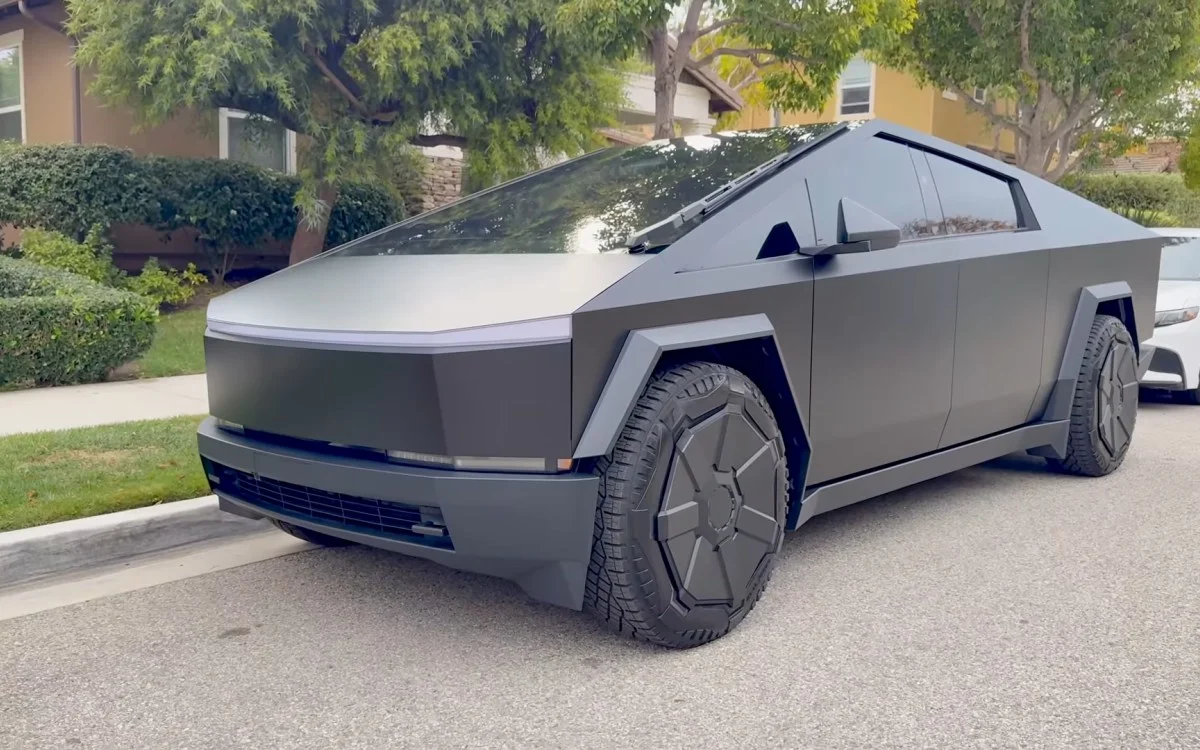
I recently drove the Cybertruck and the fact that it has practically zero buttons or dials on the dashboard is annoying.
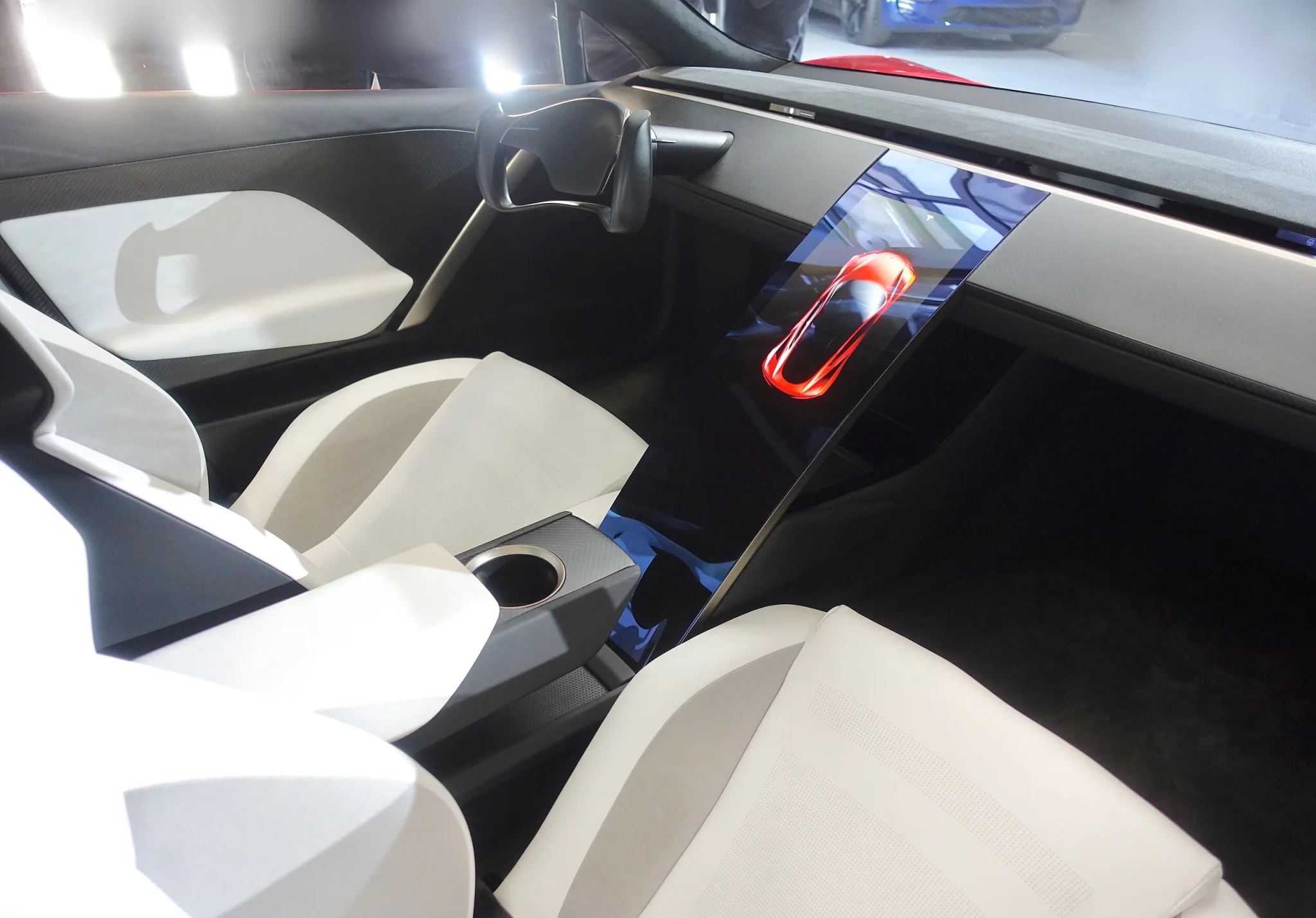
But it is what it is, and we can safely presume that the new Tesla Roadster will follow the same principle.
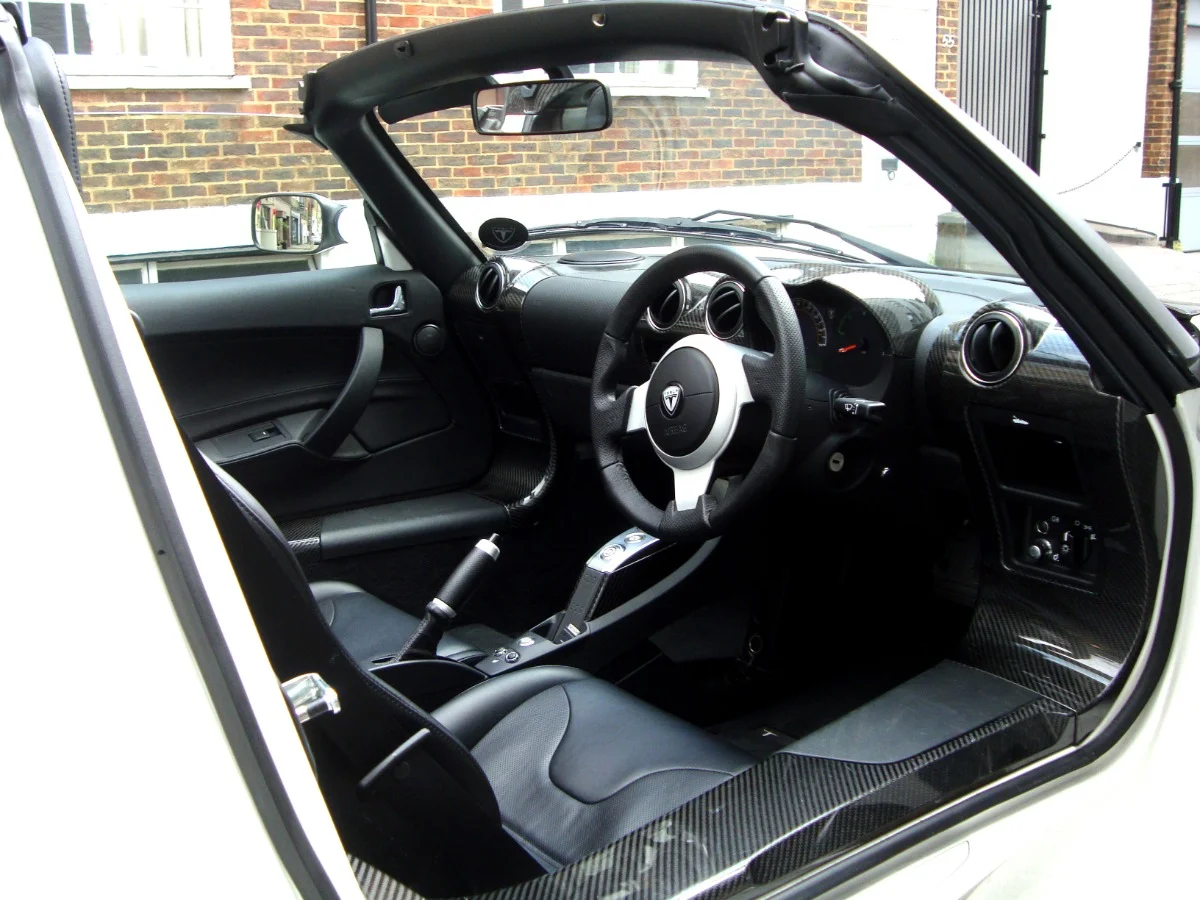
The Gen 1 dash featured actual physical buttons, mechanical knobs for HVAC, and traditional analogue gauges behind the wheel.
The next-gen Roadster will route almost every function through a central touchscreen and yoke/wheel controls.
4. A physical ignition key (Tesla doesn’t like those either)
Ditto.
The old one had buttons and a physical key.
The new one won’t have buttons, and it certainly won’t have a physical key.
Tesla has actually been phasing out all kinds of physical keys – or at least trying.
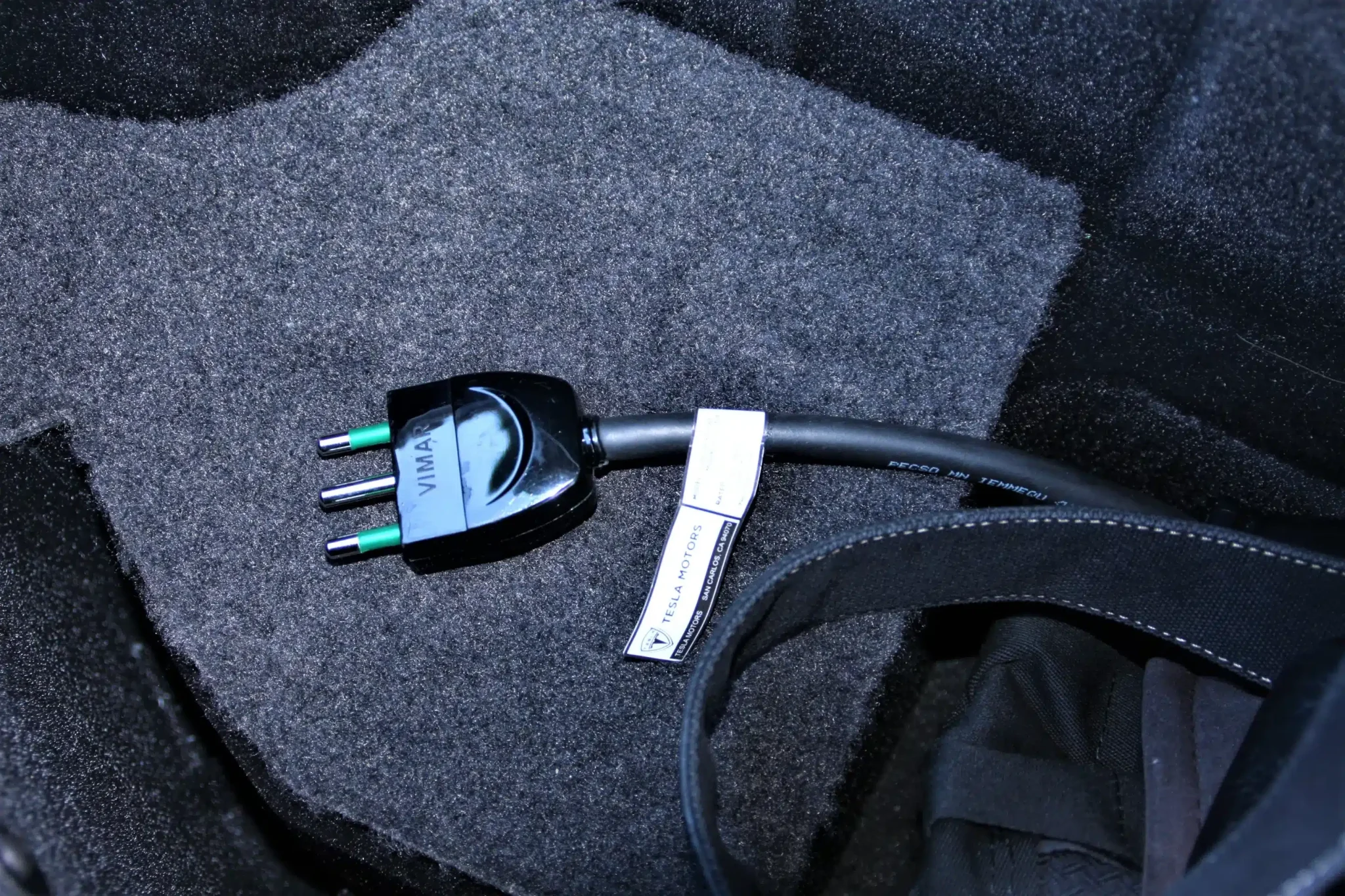
Today, most owners rely on the app alone, and they don’t have to use a physical card, let alone an actual key.
To be fair, they’re not alone.
Most new cars come with key fobs but no key, and some come with cards or apps.
5. A two-seat layout
Precisely because it was based on the Lotus Elise, the old model had two seats.
I’m sorry I keep ranting on about this, but the seats were thin and uncomfortable, and I’m fairly sure the new Roadster will have seats that are neither thin nor uncomfortable.
Also, it will almost certainly have four.
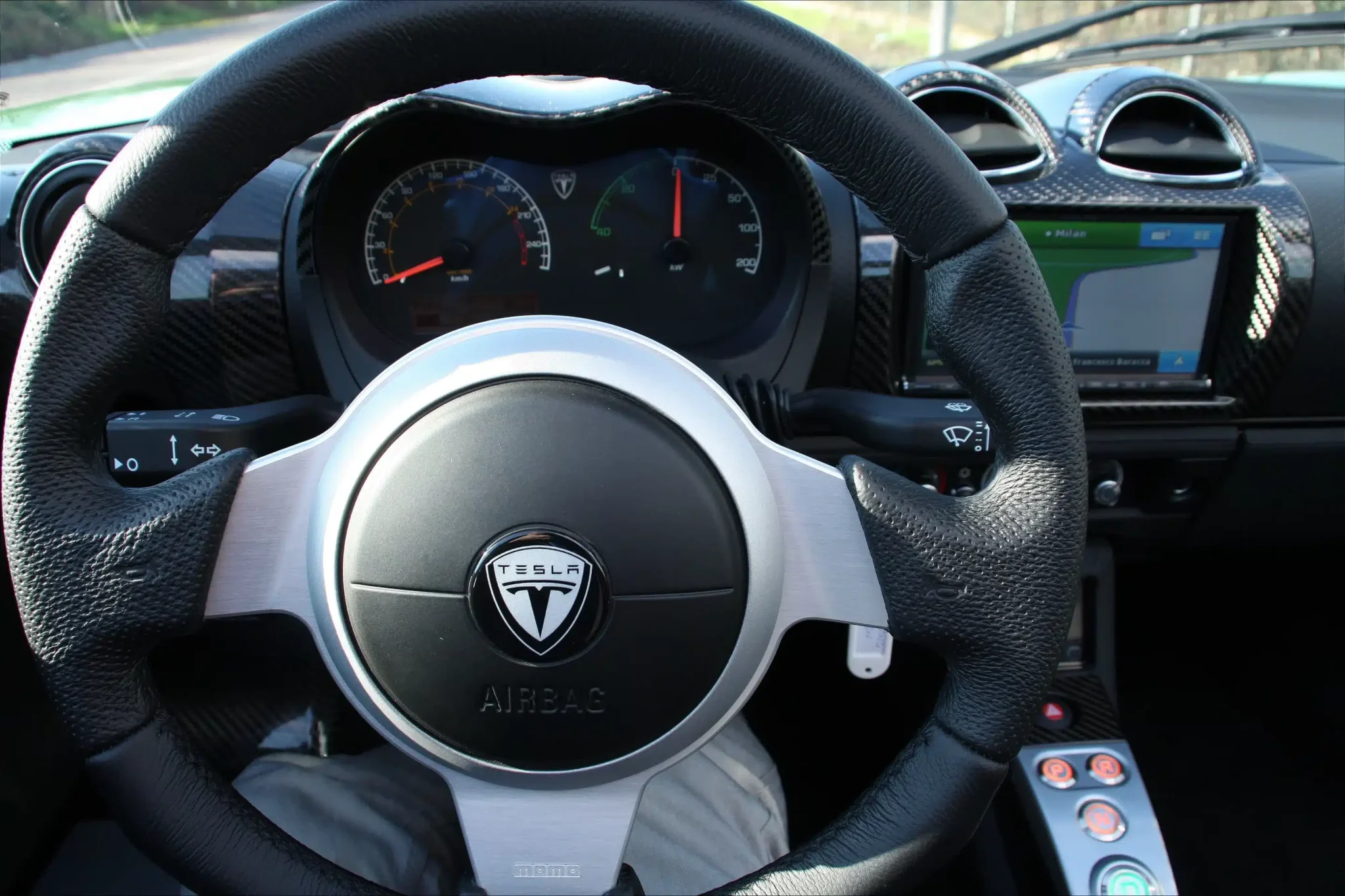
In a Lotus Elise – and therefore in a first-gen Roadster – you’re inches away from the front bumper, and inches away from the motor, which is right behind the cabin.
The new Roadster should feature a ‘real’ cabin with the classic 2+2 layout that so many roadsters/convertibles use.
Shaq probably won’t fit – but everyone else should.
Alessandro is an automotive journalist with 10 years of experience covering supercars, automotive history, emerging vehicle technology, and luxury transportation. He wrote the first article published on SupercarBlondie.com when the website launched in 2022 and has since built a reputation for insightful reporting across the automotive and transportation industries. His expertise is grounded in hands-on experience. Alessandro has driven every Tesla model ever produced, from the original Roadster to the Cybertruck, and regularly covers the latest developments in electric vehicles and automotive innovation. His passion for transportation extends beyond cars, he has even flown a Boeing 787 Dreamliner simulator in Addis Ababa, Ethiopia. His reporting spans everything from classic American muscle cars and rare automotive discoveries to luxury yachts, private aircraft, high-end watches, and cutting-edge vehicle technology. Known for his deep knowledge of automotive history and ability to uncover the stories behind iconic vehicles, Alessandro brings readers a blend of historical context, technical expertise, and first-hand experience.