Nvidia just unveiled 'Alpamayo' which is the first AI that can make cars think and explain mistakes
Published on Jan 08, 2026 at 4:10 AM (UTC+4)
by Claire Reid
Last updated on Jan 08, 2026 at 11:43 AM (UTC+4)
Edited by
Claire Reid
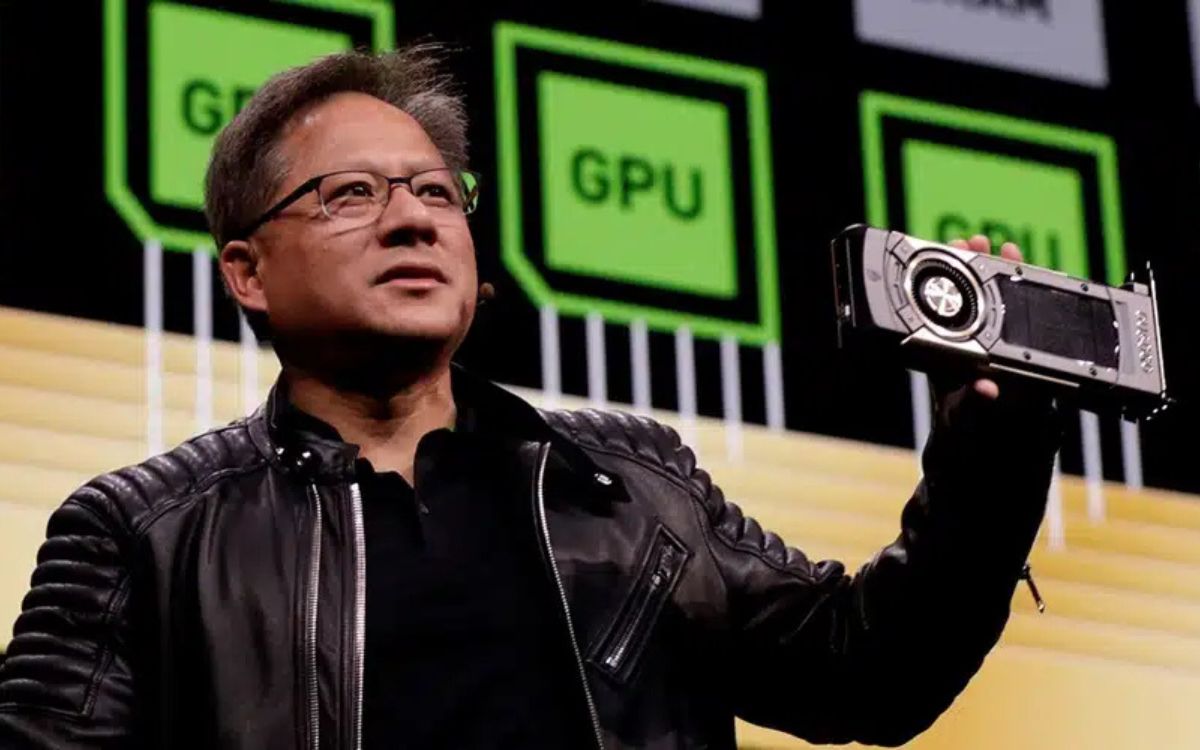

Nvidia has unveiled Alpamayo – its new AI tech platform for autonomous vehicles, which the company says will allow cars to ‘think’ and ‘explain’ driving decisions.
The world’s biggest chip-maker announced the new platform this week at CES 2026 in Las Vegas.
Nvidia CEO Jense Huang said robotaxis will be ‘among the first to benefit’ from the new technology.
But that in the future he envisions a future world where every single vehicle on the road is autonomous.
DISCOVER SBX CARS – The global premium auction platform powered by Supercar Blondie
Nvidia says Alpamayo is the ‘ChatGPT moment for physical AI’
Nvidia has been a significant driving force behind recent AI developments and software, like ChatGPT, but now it seems the chip-maker is eager to branch out into physical products.
Alpamayo is a family of open AI models, simulation tools, and datasets that Nvidia says will help usher in the ‘next era’ of autonomous vehicles that are able to use reason when tackling complex driving situations.
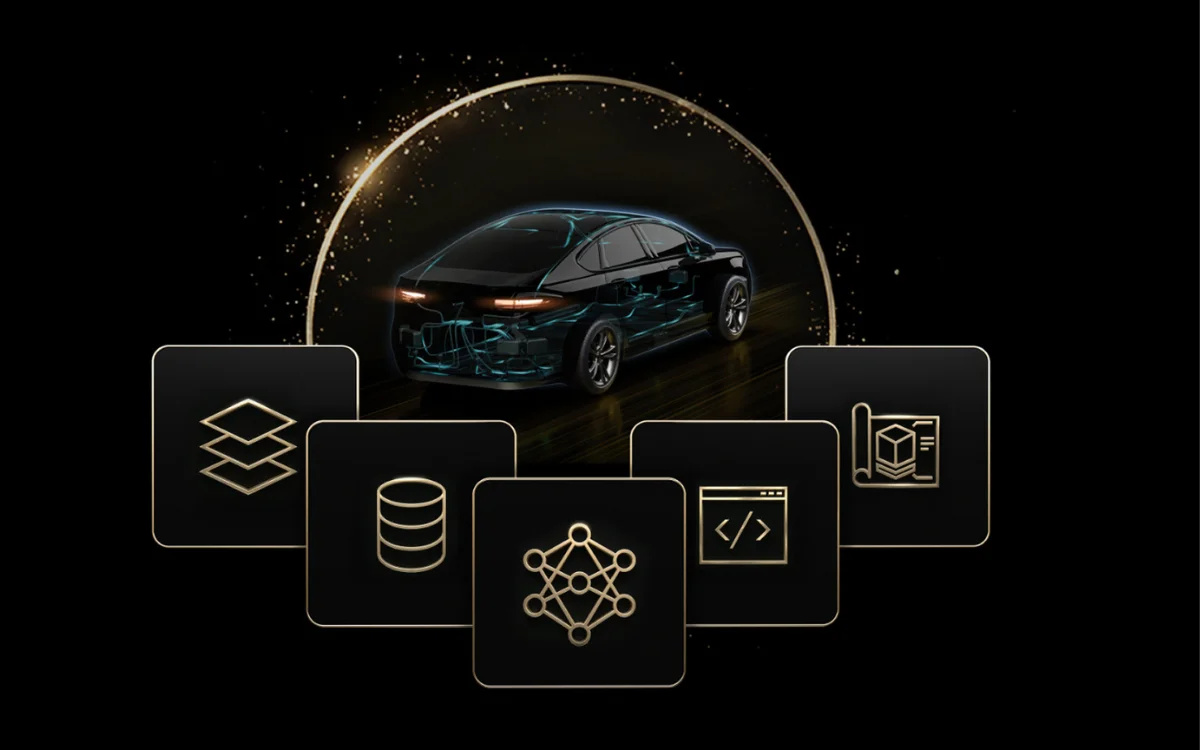
“The ChatGPT moment for physical AI is here – when machines begin to understand, reason and act in the real world,” Huang said.
“Robotaxis are among the first to benefit.
“Alpamayo brings reasoning to autonomous vehicles, allowing them to think through rare scenarios, drive safely in complex environments and explain their driving decisions – it’s the foundation for safe, scalable autonomy.”
The company says the Alpamayo will allow driverless cars to think in a human-like way so it can handle even complicated traffic scenario, such as a broken traffic light, even if it’s never faced them before.
Nvidia vice president of automotive Ali Kani told journalists Alpamayo worked by breaking down problems into steps and then ‘reasoning through every possibility’ before choosing the safest option.
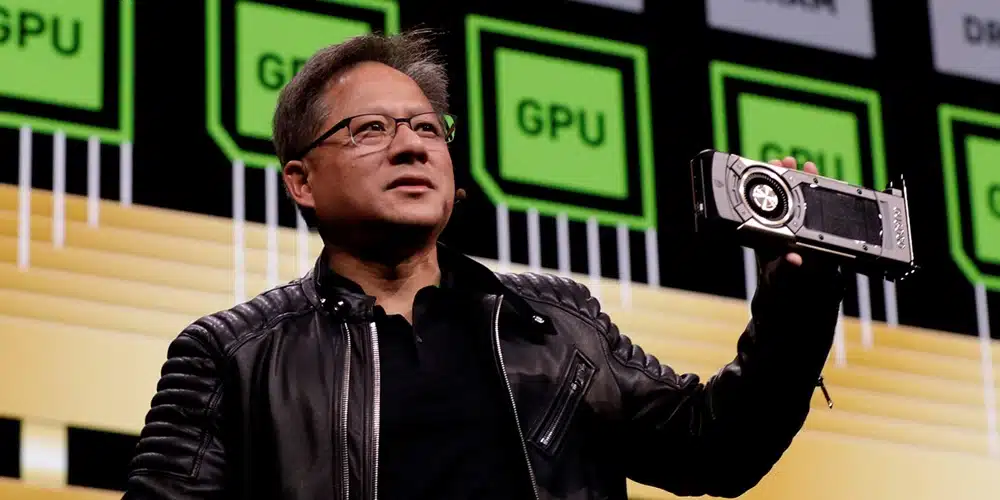
Nvidia said several industry giants had already shown an interest in Alpamayo, including Uber, Lucid, and JLR.
“Alpamayo creates exciting new opportunities for the industry to accelerate physical AI, improve transparency and increase safe level 4 deployments,” Uber’s global head of autonomous mobility Sarfraz Maredia said.
Elon Musk wished the company well, but had a warning
Shortly after Nvidia made its announcement, Elon Musk had some words of warning for the company.
Responding to the news on X, he wrote: “Well that’s just exactly what Tesla is doing.”
But he went on to say that achieving its goal could prove difficult for Nvidia.
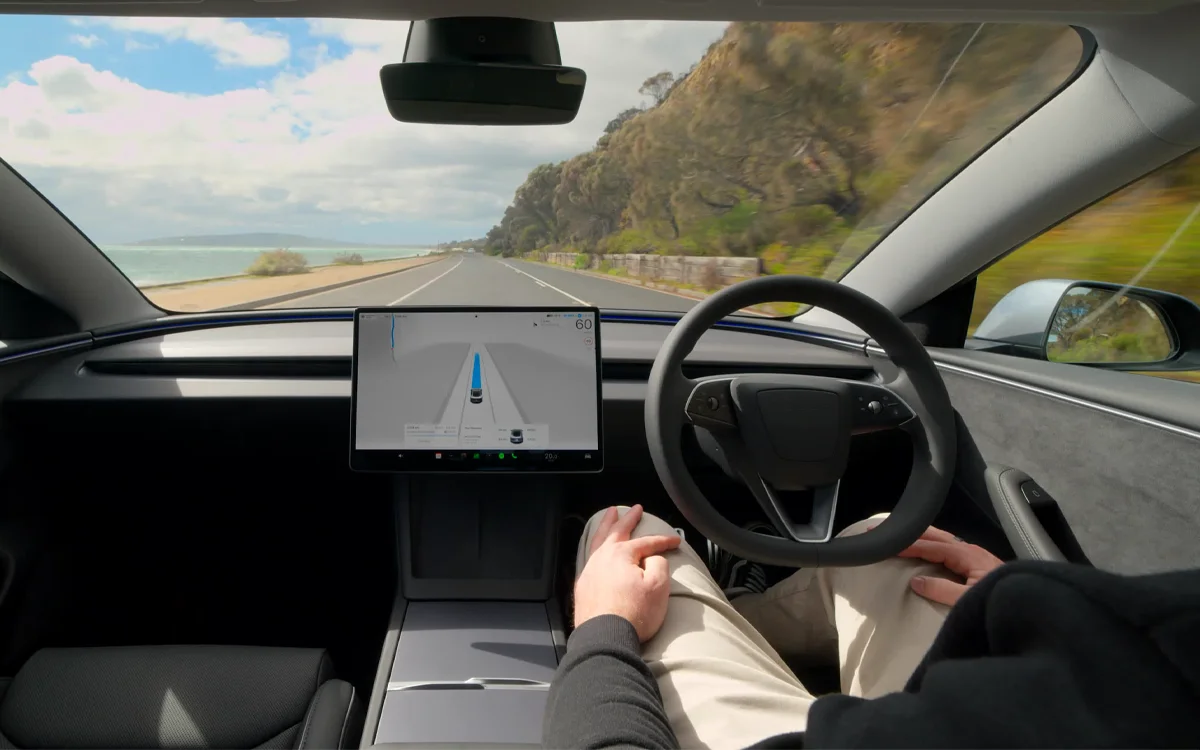
“What they will find is that it’s easy to get to 99 percent and then super hard to solve the long tail of the distribution,” he added.
Despite being a direct competitor to Tesla’s Full Self-Driving, Musk wished Nvidia and Alpamayo well.
“I honestly hope they succeed,” he wrote in a follow-up post.
Timeline of Tesla’s Full Self-Driving
2020: FSD ‘beta’ first released to select testers in the US
2021 – 2022: Rollout expands, as hardware updates come in
Early 2024: FSD ‘beta’ is now labelled ‘supervised’, meaning driver supervision is still required
2025: International expansion targets for FSD (Supervised) set in regions like Europe and China
Mid-2025: FSD v14 update announced
Late 2025: Roll-out of FSD v14 builds
Early 2026: Unsupervised FSD rollout goal
DISCOVER SBX CARS: The global premium car auction platform powered by Supercar Blondie
With a background in both local and national press in the UK, Claire has covered a range of topics, including technology, gaming, and cryptocurrency, since joining the editorial team at Supercar Blondie in May 2024. Her ability to be first to a story has been integral to making SB’s coverage of scientific discovery, AI, and global tech news a slick 24/7 operation.