Porsche proves not all tests can be digital with drivers testing the Cayenne in some of the world's most extreme conditions
Published on Sep 17, 2025 at 10:03 AM (UTC-4)
by Alessandro Renesis
Last updated on Sep 17, 2025 at 1:13 PM (UTC-4)
Edited by
Kate Bain
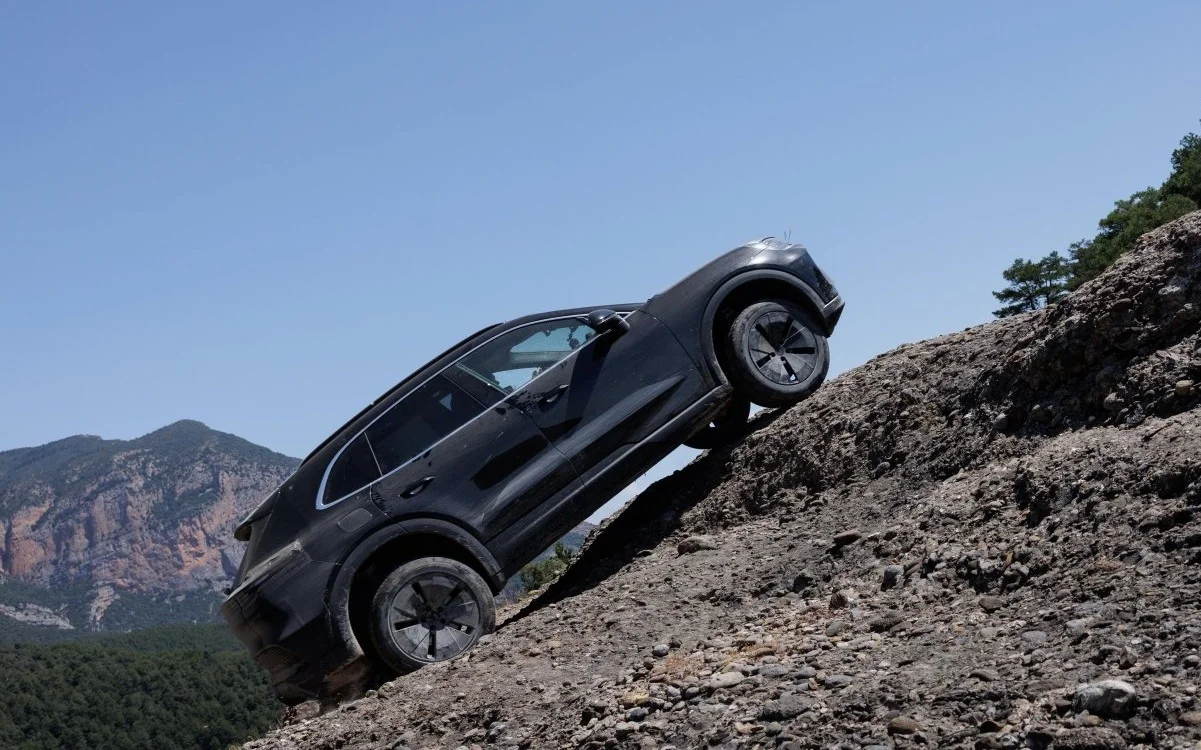

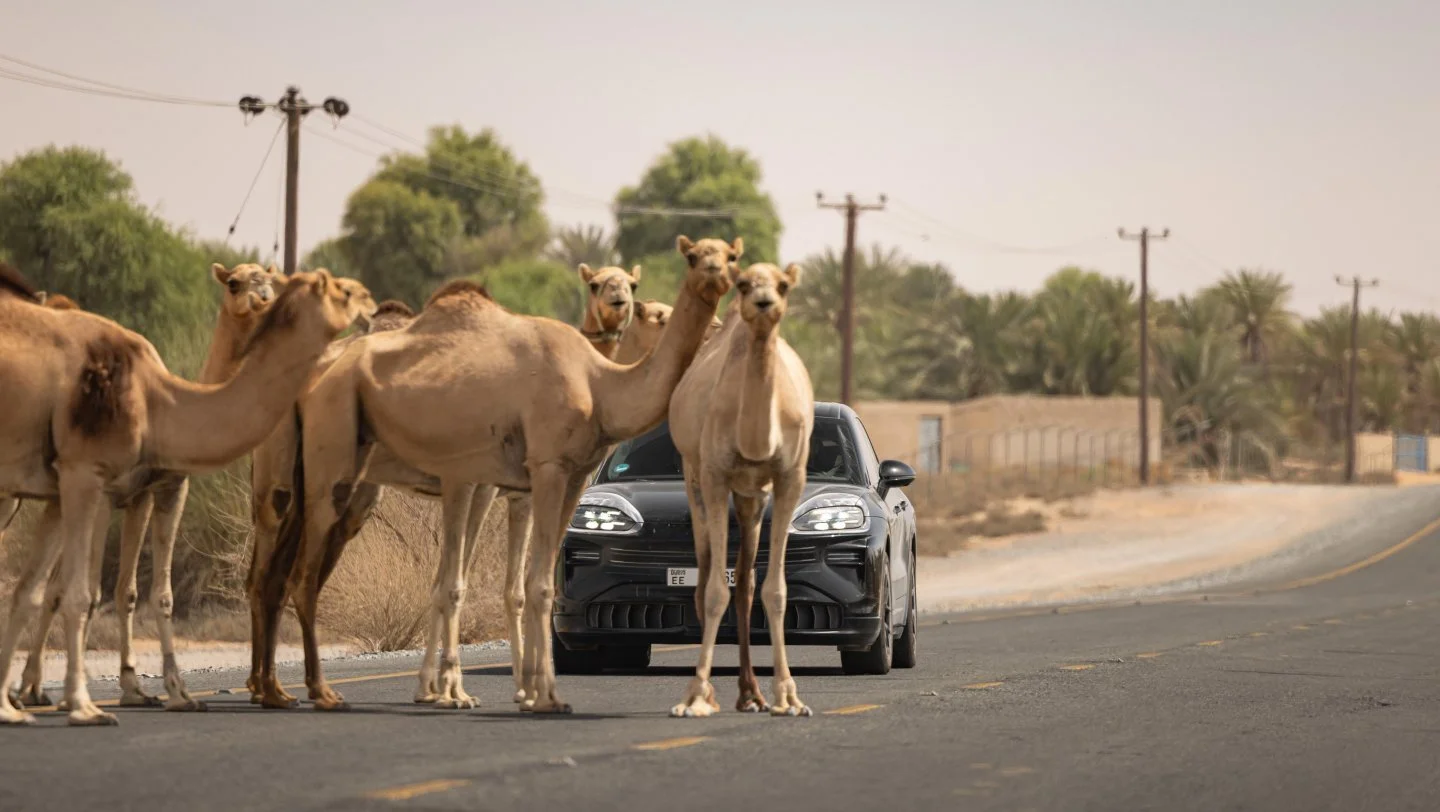
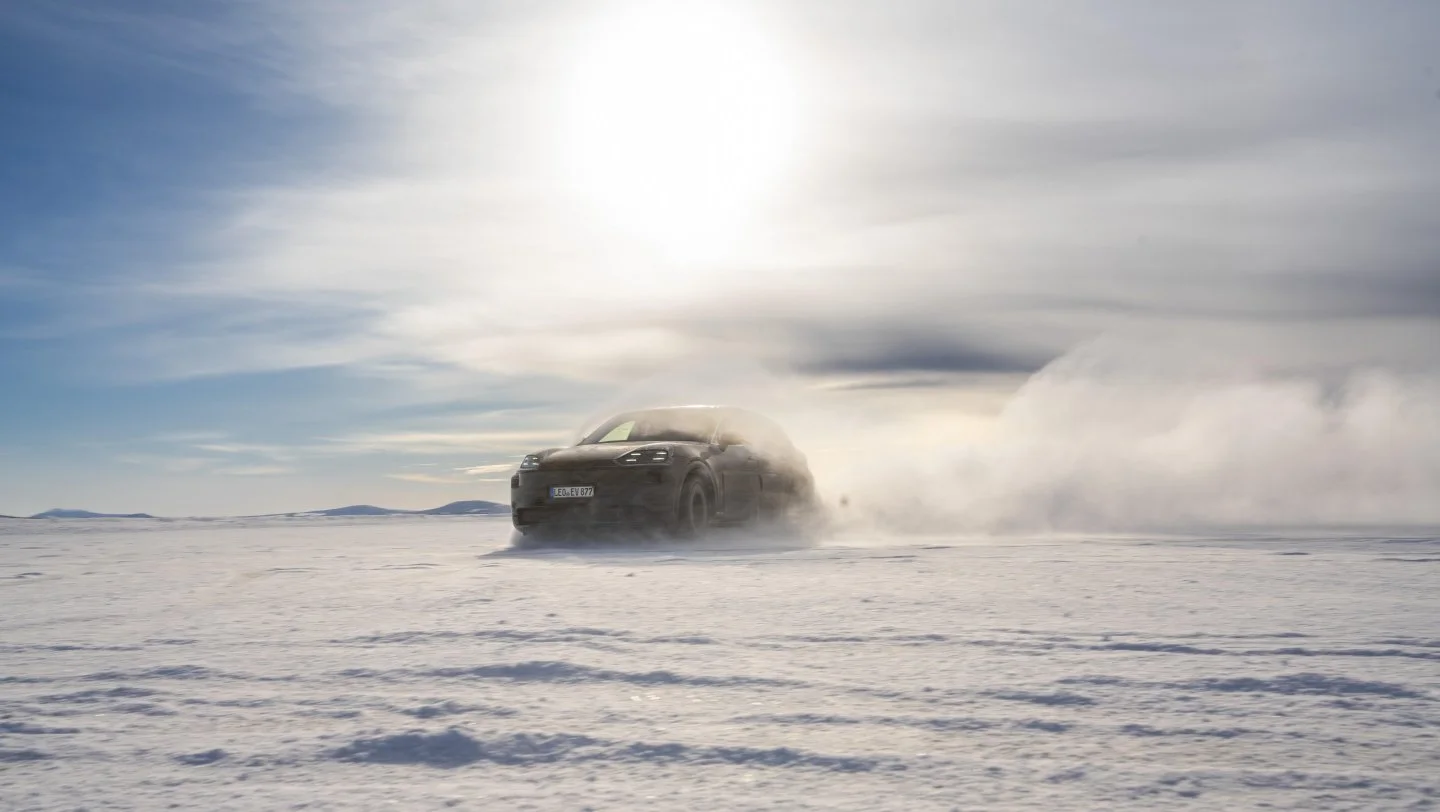
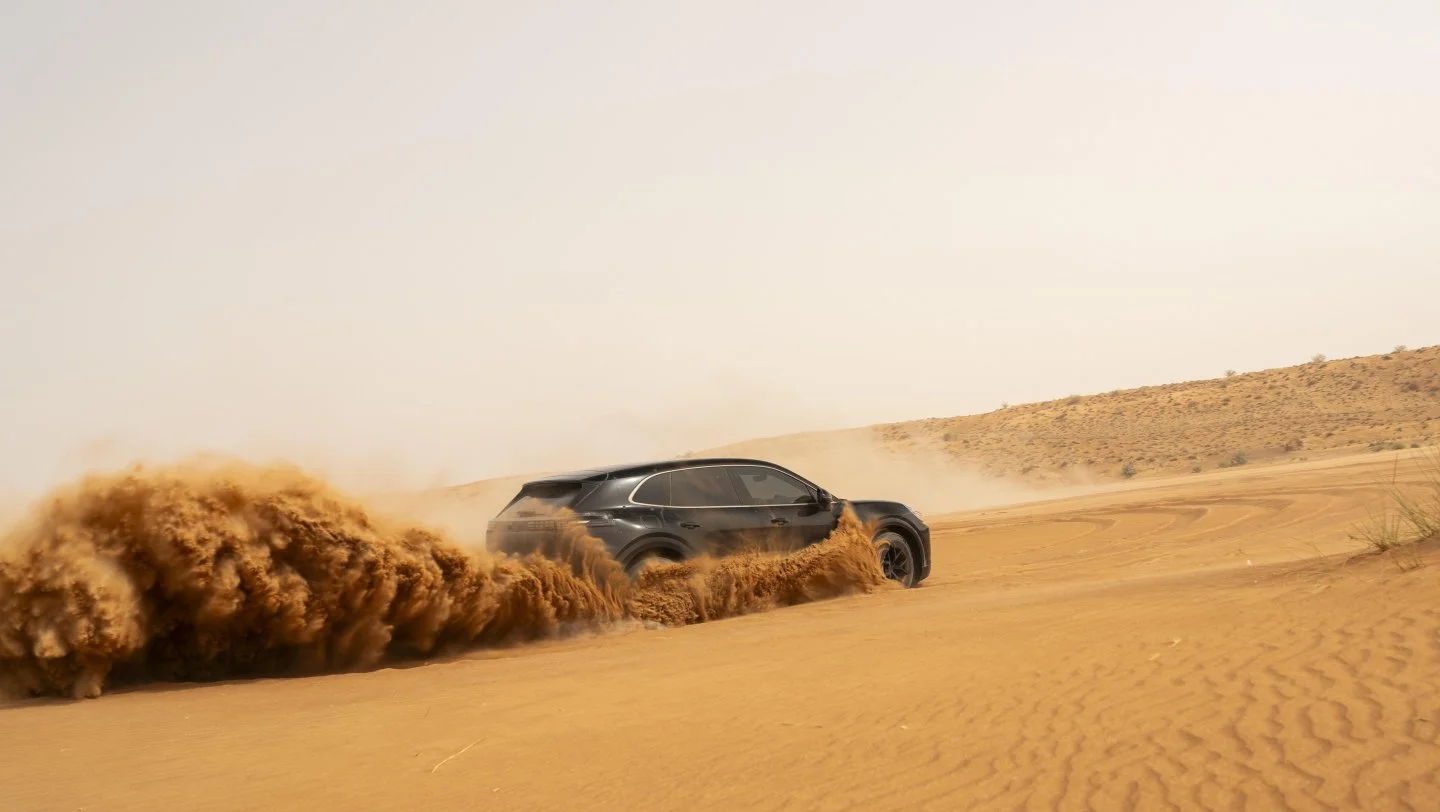
Porsche has been testing the new Cayenne Electric in extreme conditions, from hot desert sand in the Middle East to icy roads in northern Europe.
Automakers also use digital testing, but Porsche is proving why real-world testing is still important.
And that’s for two reasons.
One of which is clear when you look at these images.
DISCOVER SBX CARS: The global premium car auction platform powered by Supercar Blondie
The two reasons why real-world testing is still key
Automakers rely on digital testing a lot more than we think.
Today, around 70 percent of tests are run digitally, especially now with the help of AI.
This is also for practical reasons, because sometimes automakers have to simulate driving billions of miles, and you can only do that virtually.
Having said that, real-world testing is still crucial.
First and foremost, because nothing beats the real-world, especially when you have to make sure your EV can withstand harsh road and weather conditions for extended periods of time.
They have to make sure the battery pack and electric powertrain don’t overheat in the desert and don’t freeze and stop working in the winter.
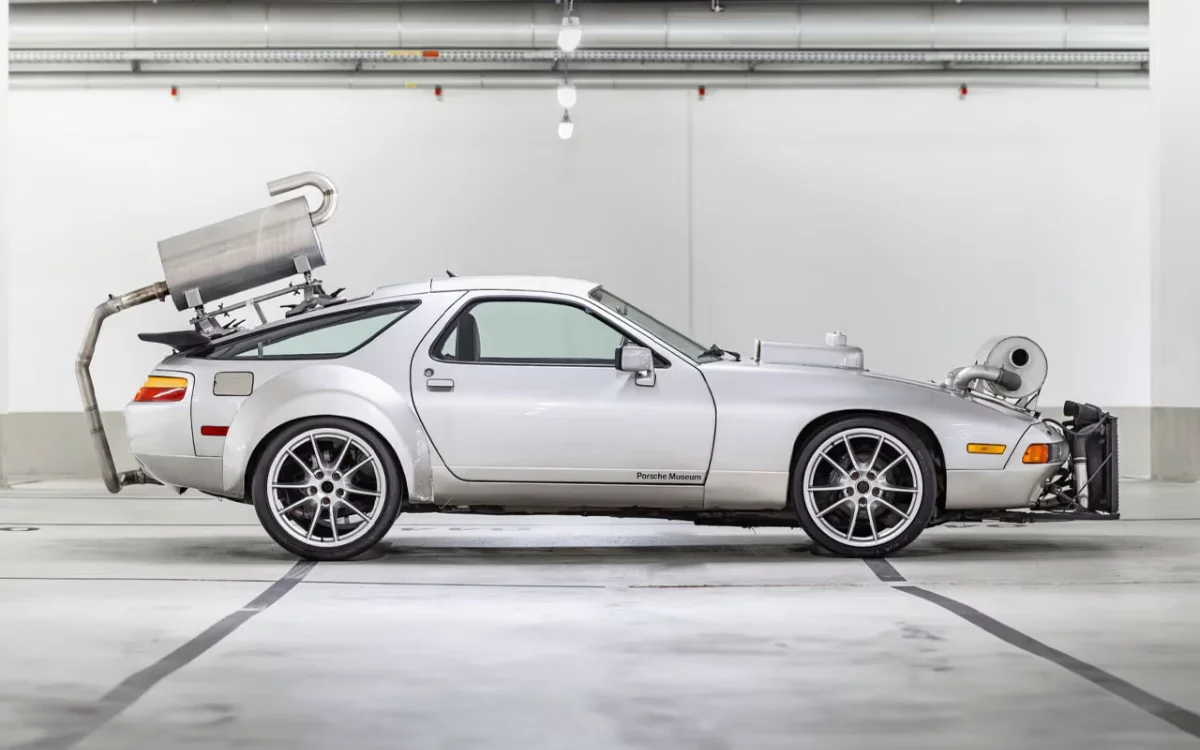
But there’s another reason, because manufacturers, as you can see from these amazing pictures, are now using this as a marketing opportunity.

About the upcoming Porsche Cayenne Electric
After some mixed results with the Taycan and the Macan EV, Porsche is heavily banking on the upcoming Cayenne Electric.
The new EV promises 1,000 horsepower, outstanding towing abilities, and of course amazing performance figures.
More importantly, this is going to be the first mainstream luxury EV to offer wireless charging.
Porsche hasn’t provided a clear timeline for the new Cayenne, but we can probably expect an official launch between late 2025 and early 2026.
Initially, the new electric model will be sold alongside its gas and hybrid siblings.
Unlike the Macan and the 718, which are both now only sold as EVs, the Cayenne will also continue to exist as an internal combustion model.
Alessandro is an automotive journalist with 10 years of experience covering supercars, automotive history, emerging vehicle technology, and luxury transportation. He wrote the first article published on SupercarBlondie.com when the website launched in 2022 and has since built a reputation for insightful reporting across the automotive and transportation industries. His expertise is grounded in hands-on experience. Alessandro has driven every Tesla model ever produced, from the original Roadster to the Cybertruck, and regularly covers the latest developments in electric vehicles and automotive innovation. His passion for transportation extends beyond cars, he has even flown a Boeing 787 Dreamliner simulator in Addis Ababa, Ethiopia. His reporting spans everything from classic American muscle cars and rare automotive discoveries to luxury yachts, private aircraft, high-end watches, and cutting-edge vehicle technology. Known for his deep knowledge of automotive history and ability to uncover the stories behind iconic vehicles, Alessandro brings readers a blend of historical context, technical expertise, and first-hand experience.