Porsche just released a film celebrating 75 years of ignoring everyone who told it what a real sports car should look like
Published on Apr 10, 2026 at 11:30 AM (UTC+4)
by Molly Davidson
Last updated on Apr 10, 2026 at 11:31 AM (UTC+4)
Edited by
Emma Matthews

Porsche says it’s been doing things ‘wrong’ for 75 years.
That’s the line it leans on in its new film, released to mark the anniversary.
Not mistakes – just decisions that didn’t follow the usual playbook.
And most of them ended up defining the brand.
Porsche doing things ‘wrong’ is exactly what built the brand
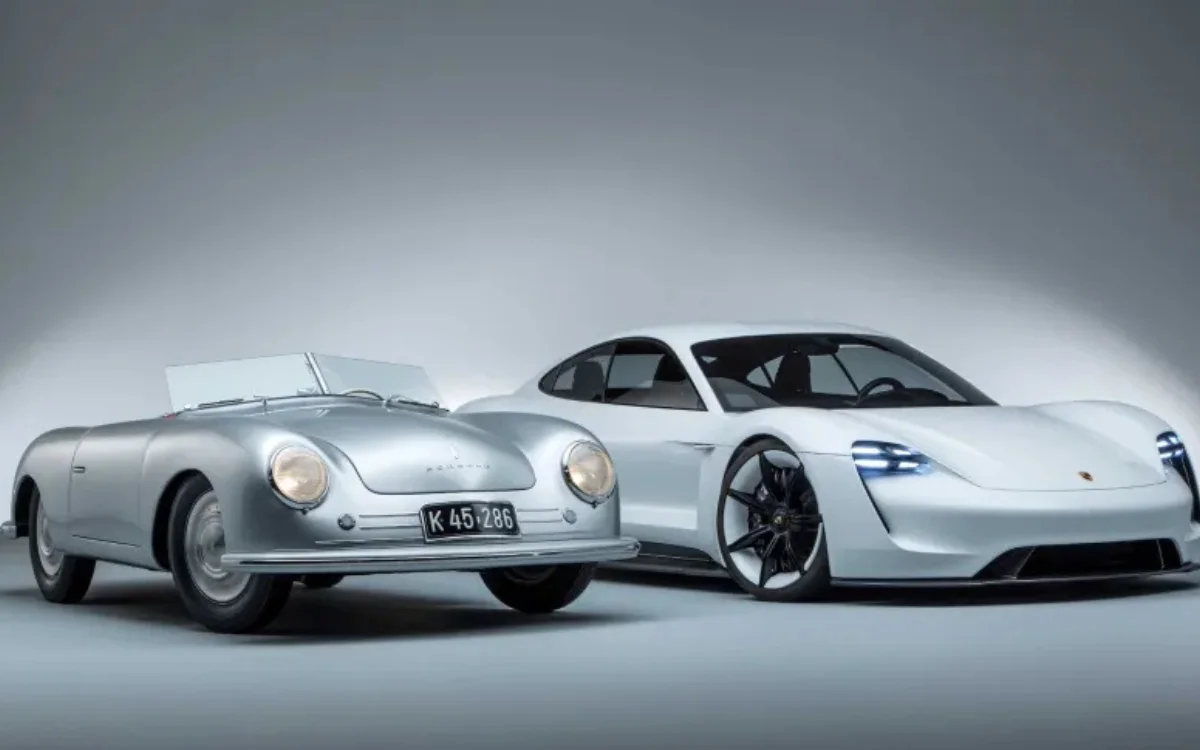
In the short film, Porsche looks back at the decisions that shaped the company, starting right at the beginning.
“They said an engine belongs in the front. We put it in the back.”
At the time, that layout wasn’t the obvious choice.
Most manufacturers stuck with front-engine designs because they were easier to package and control.
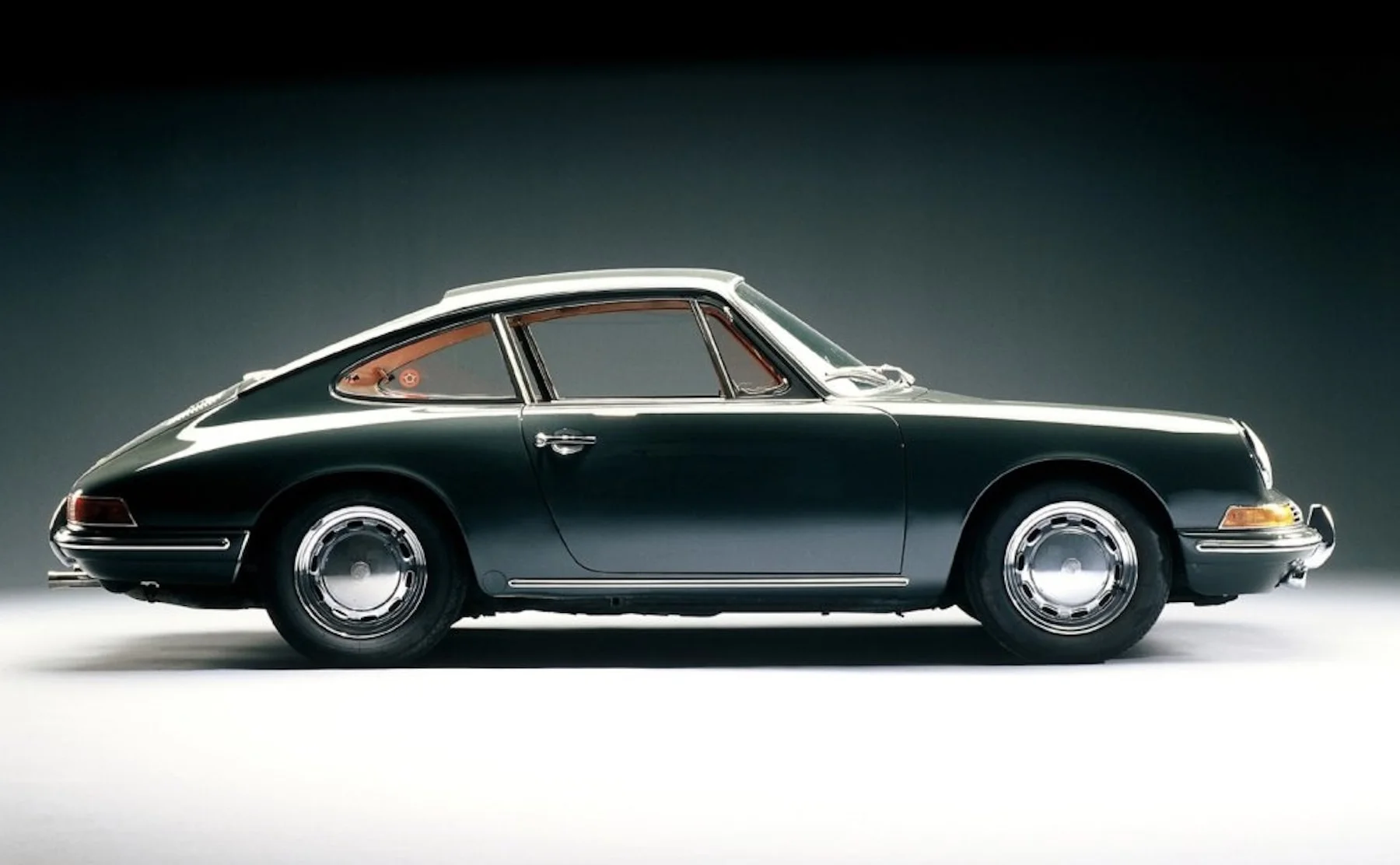
Not Porsche.
Because of that, the 911 ended up with a driving feel no one else could really copy, and that setup is still part of the car today.
From there, the film moves into the smaller details that also broke convention.
Porsche placed the ignition on the left side of the steering wheel, originally to save time during Le Mans starts.
Over time, it stopped being a practical decision and became something people instantly associated with the brand.
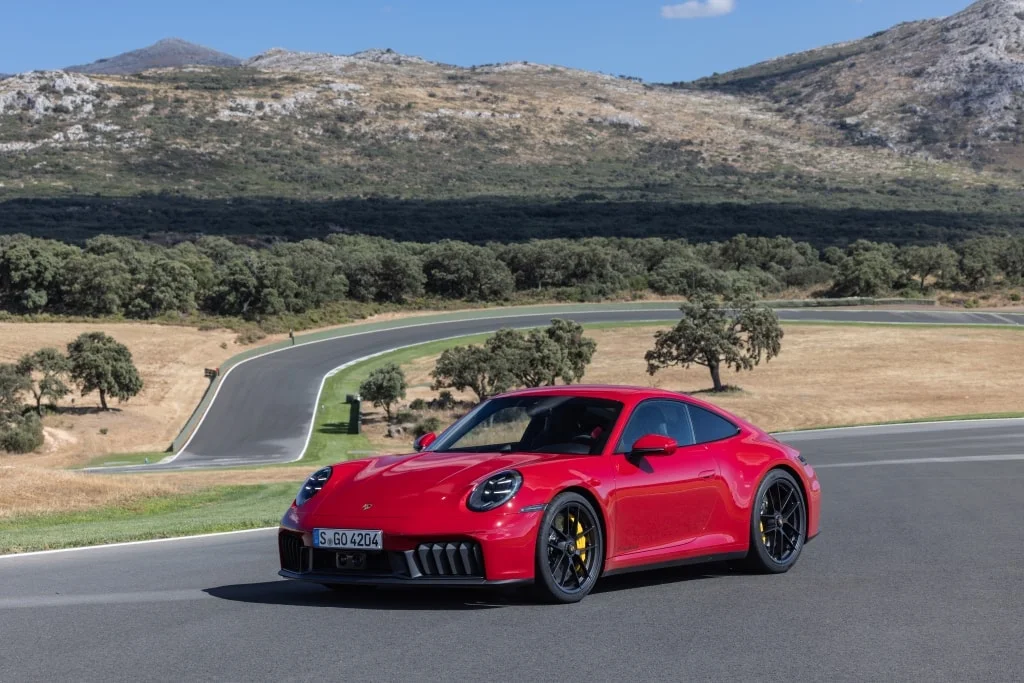
Not every shift went down well, however.
When Porsche moved from air-cooled to water-cooled engines in the late 1990s, it faced heavy criticism from fans who thought it was losing part of its identity.
But emissions rules were tightening, and performance demands were increasing.
Without that change, the 911 wouldn’t have been able to keep evolving.
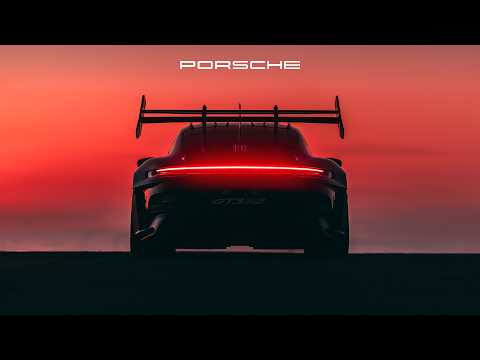
Porsche kept breaking the rules, and it kept paying off
The same pattern showed up again in the early 2000s.
When Porsche launched the Cayenne in 2002, many questioned why a sports car company would build an SUV at all.
But the model quickly became one of Porsche’s bestsellers.
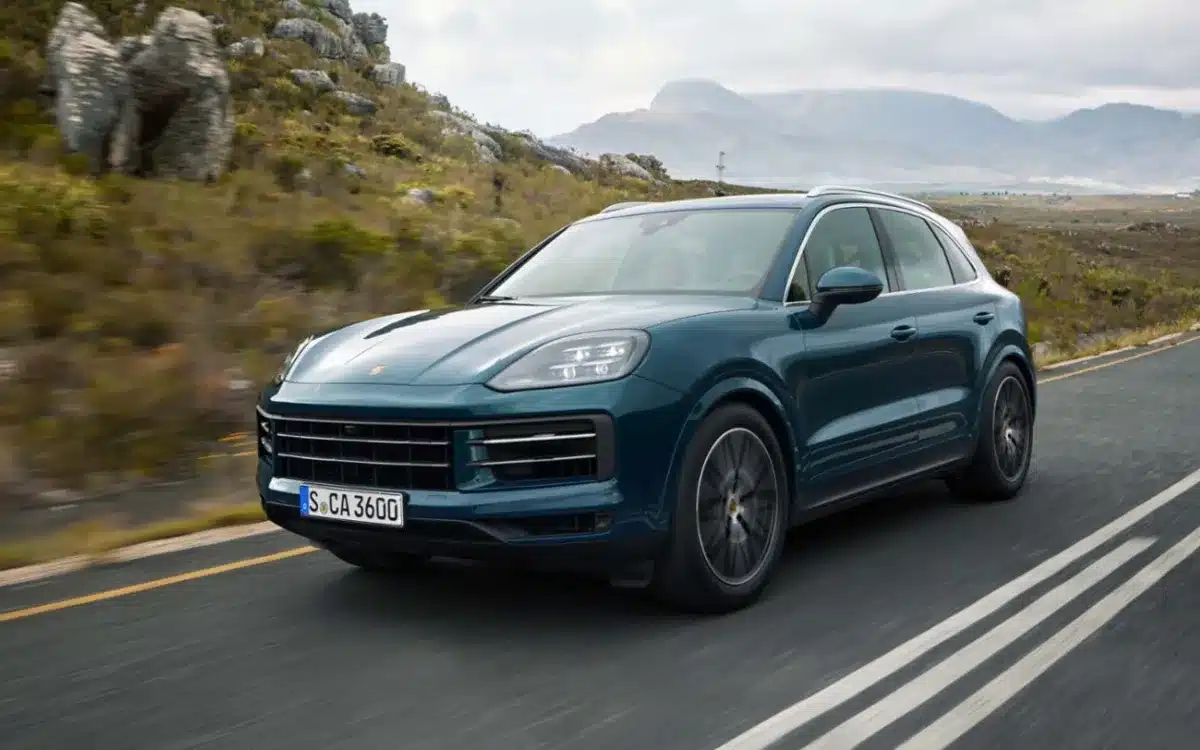
As a result, it brought in the revenue that helped fund the development of cars like the 911.
And that push against expectations didn’t stop there.
“They said a sports car can never be electric. We developed the Taycan.”
With the Taycan, Porsche stepped into EVs without stepping away from performance.
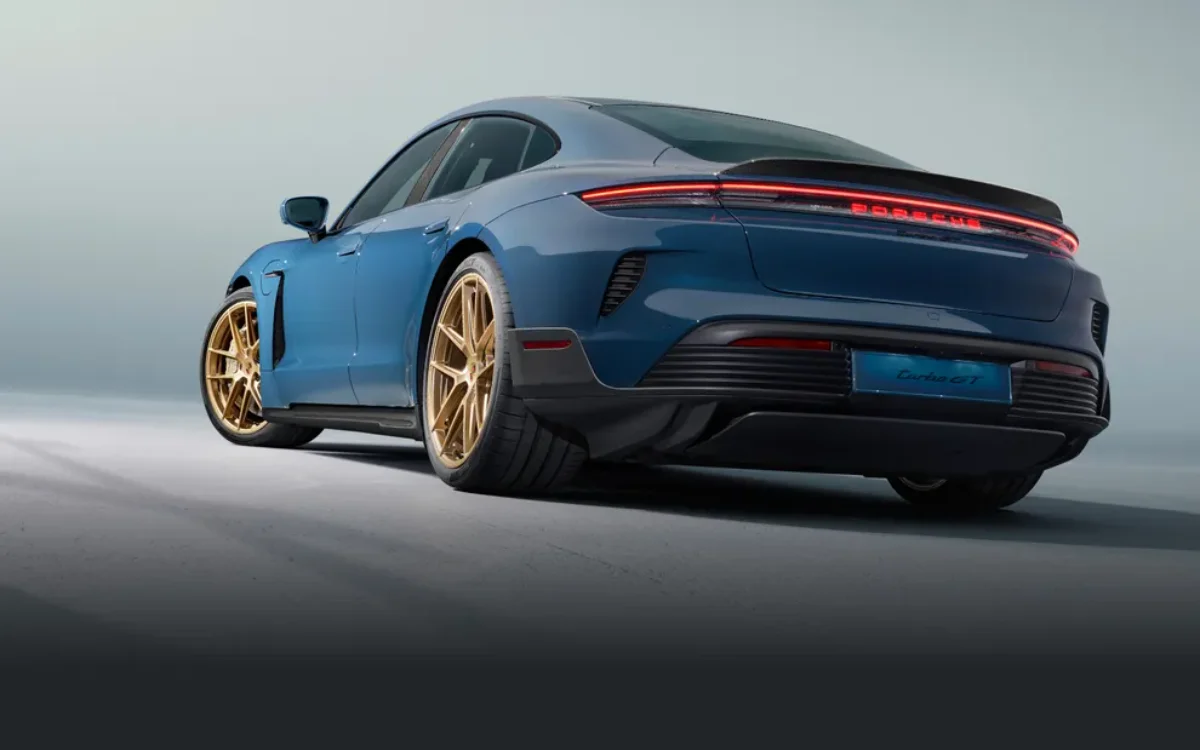
It delivered supercar-level acceleration while still feeling like a Porsche to drive.
Even the 911, the model most people expect to stay unchanged, hasn’t been left alone.
The latest version introduces hybrid technology, showing the same willingness to adapt rather than hold onto tradition.
That mindset hasn’t gone anywhere
What the film makes clear is that these decisions weren’t random.
Porsche didn’t go against the norm just to stand out – it did it because following the expected path would have limited what its cars could become.
That mindset doesn’t just show up in Porsche’s own models either.
It extends to the companies building parts for them.
There’s ‘a compelling parallel story’ in how suppliers have taken a similar approach, challenging what components are supposed to be.
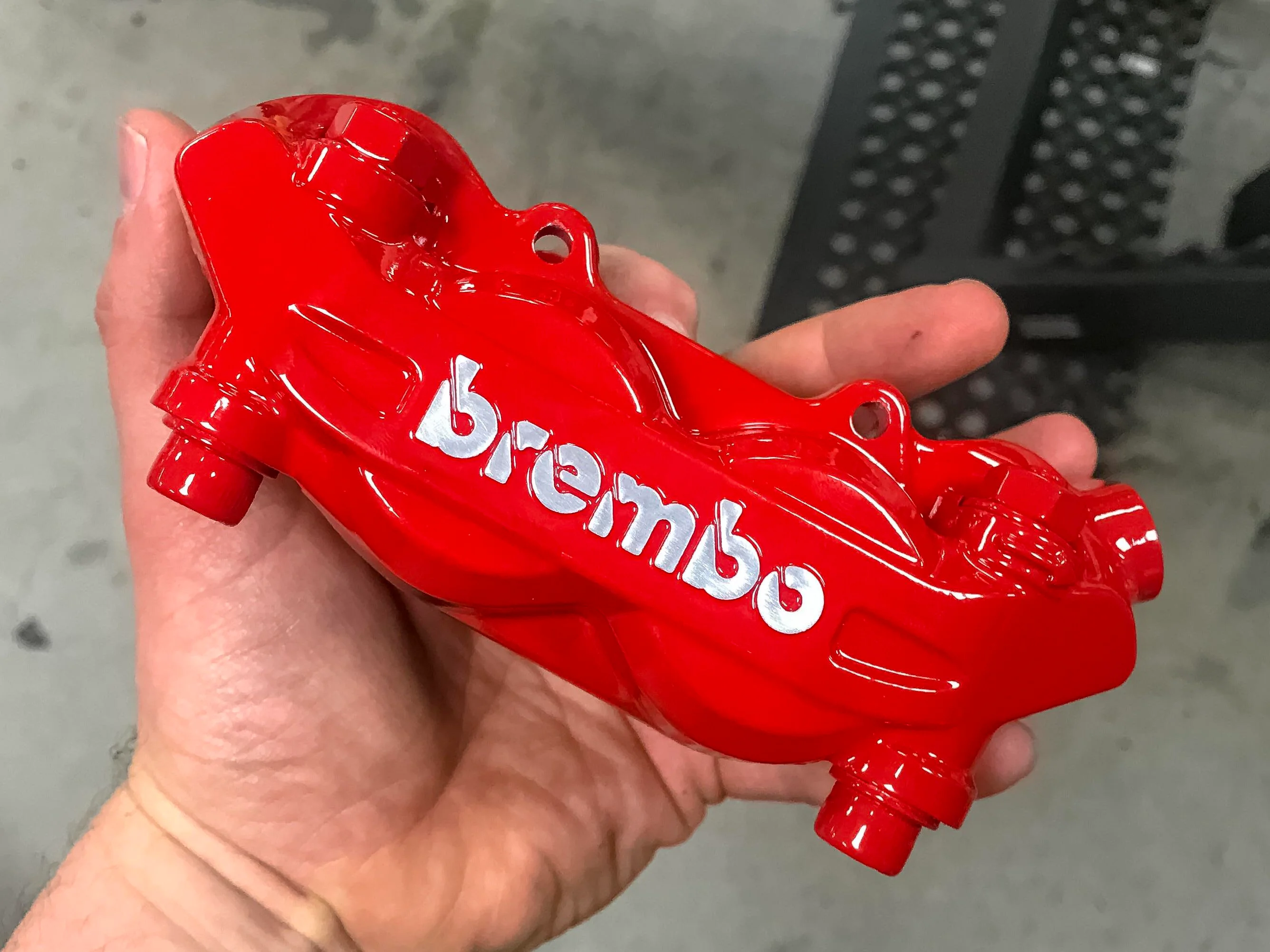
One example dates back to the 1990s, when Brembo painted the brake calipers on a Porsche 964 Turbo.
It started as a way to protect against corrosion, but that flash of red quickly became one of the most recognisable design details in performance cars.
Brembo told Supercar Blondie: “The rule-breaking has always been deliberate, and the credibility to pull it off has been decades in the making.”
In other words, these decisions only look wrong at first.
Over time, they become the thing a brand is known for.
That approach is still shaping Porsche now.
While it has slowed its plan to go fully electric by 2030, it hasn’t stepped away from new technology.
Hybrid systems are already being introduced, and new EVs are still in development, while combustion models will continue alongside them.
It’s not a single direction, and it never has been.
Porsche calls that stubbornness.
But it’s also the reason it still stands apart after 75 years.
DISCOVER SBX CARS: The global premium car auction platform powered by Supercar Blondie
With roles at TEXT Journal, Bowen Street Press, Onya Magazine, and Swine Magazine on her CV, Molly joined Supercar Blondie in June 2025 as a Junior Content Writer. Having experience across copyediting, proofreading, reference checking, and production, she brings accuracy, clarity, and audience focus to her stories spanning automotive, tech, and lifestyle news.