A Porsche patent reveals a drone that draws braking zones and the ideal line on the circuit
Published on Jan 17, 2026 at 9:42 AM (UTC+4)
by Henry Kelsall
Last updated on Jan 13, 2026 at 9:43 PM (UTC+4)
Edited by
Amelia Jean Hershman-Jones
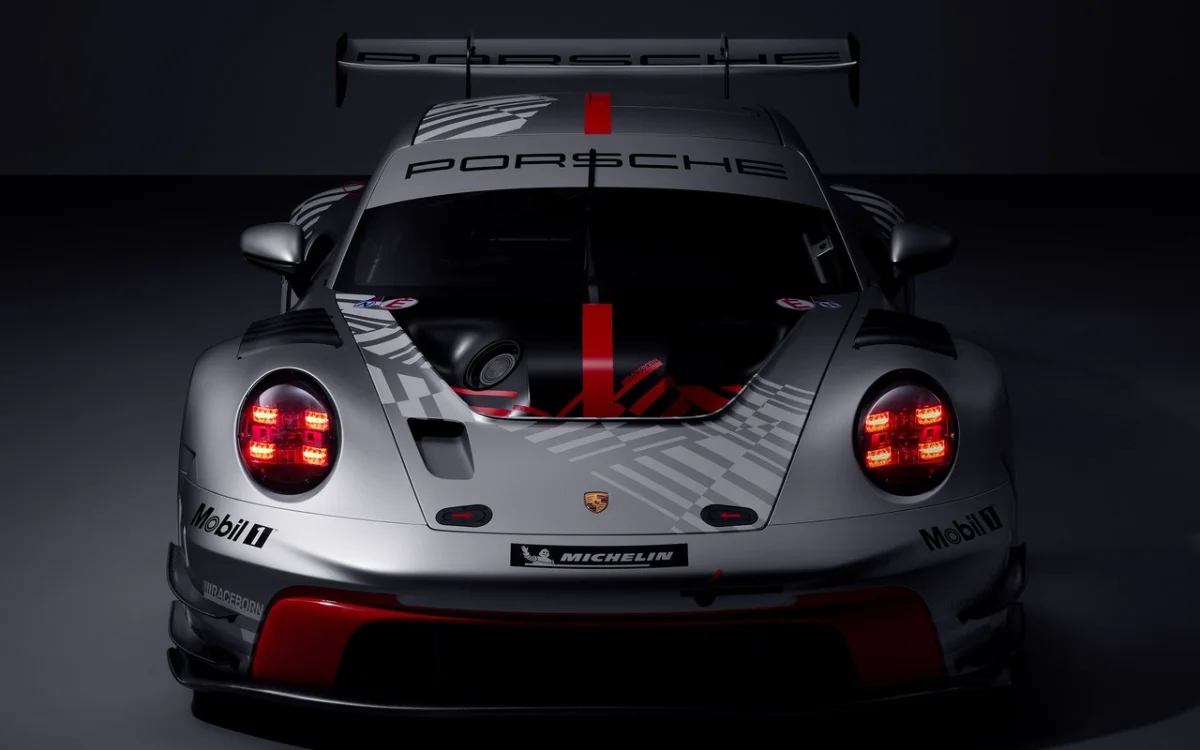

A Porsche patent has revealed a new drone that could draw braking zones and the ideal racing line of a racetrack onto the driver’s field of vision.
The German manufacturer is, of course, well known for making superb handling cars, just look at every Porsche 911.
This new system, however, is quite a leap forward, as it might allow drivers to improve their laptimes and effectively turn a car into a video game.
The patent, filed towards the end of 2025, could see the light of day as 2026 progresses.
DISCOVER OUR SUPERCAR AUCTION SITE – View live auctions on SBX Cars
What we know about the patent
The application for this new system was filed on November 10, 2025.
Published on December 31, the patent covers a brand new system designed for the cockpit of the German sports cars.
It will be like having a Gran Turismo assistance suite from the PlayStation game directly in your car.
Interestingly, the patent describes how the system might work.
Rather than using a heads-up display, there will be an ‘autonomously flying object above the race track’.
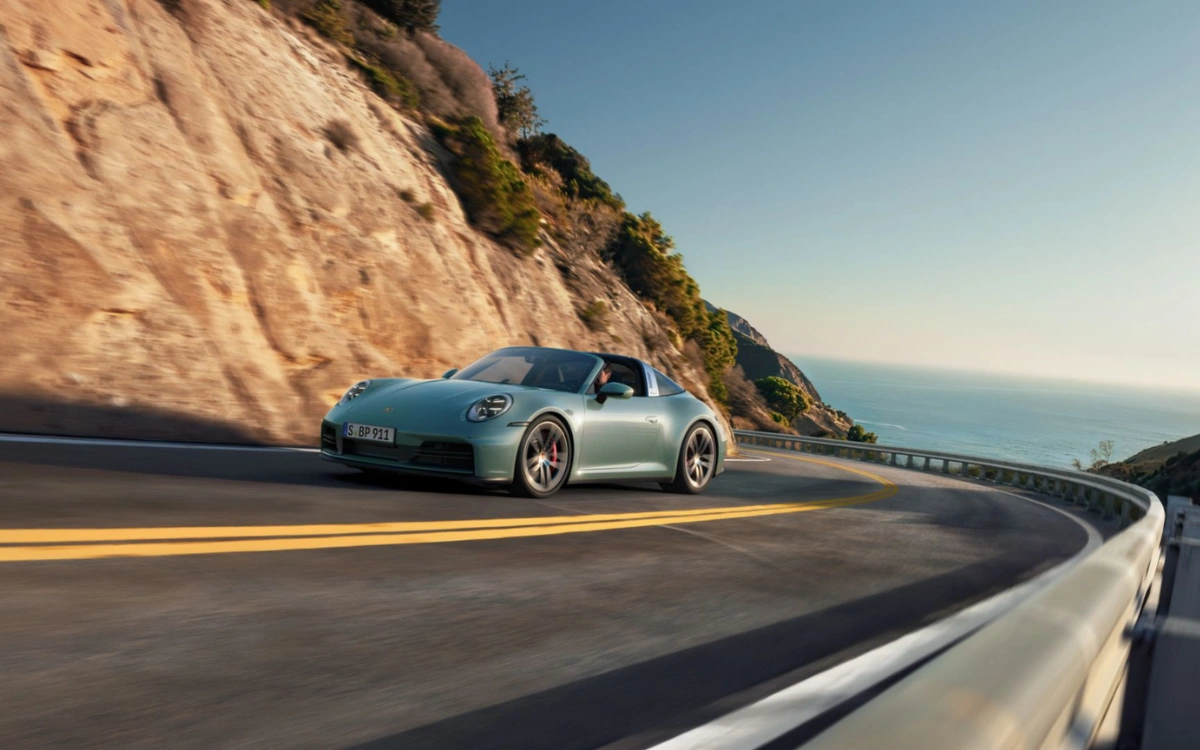
So, in other words, there will be a drone that flies in front of whatever car is using the software.
The drone will project the ideal racing line and braking zones onto the front of the car.
Porsche is not the first to do this, as Lexus flirted with the Lexus Sport Concept drone for the LFA supercar.
Why create a drone for a Porsche sports car?
It might sound like a bit of an idea to create a drone to follow a race car.
But the German manufacturer does seem to think there is some logic in the concept.
Adding the racing line to the display will help drivers go faster around the circuit.
It also might help novice drivers get up to speed with how to best get around a racetrack.
Add in the braking zones, and you effectively have a video game tutorial built into a real sports car.
It is not yet clear how the drone itself will work.
The drone will need to be fast enough to follow whatever car it is assisting on the racetrack.
Plus, it will have to know the track layout and fly the correct way.
Whatever the case, it will be fascinating to see how this new technology develops if Porsche pursues it further.
Timeline of Porsche
1931: Ferdinand Porsche founded Dr. Ing. h.c. F. Porsche GmbH in Stuttgart as an engineering consultancy.
1945 – 1947: After WWII, the company relocated temporarily to Austria.
1948: The first car to bear the brand’s name is completed – the Porsche 356.
1950: Porsche returned to Stuttgart-Zuffenhausen, rolling out production of the 356.
1963: The Porsche 911 debuts at the Frankfurt Motor Show.
1964: 911 production begins, as it becomes the brand’s defining model.
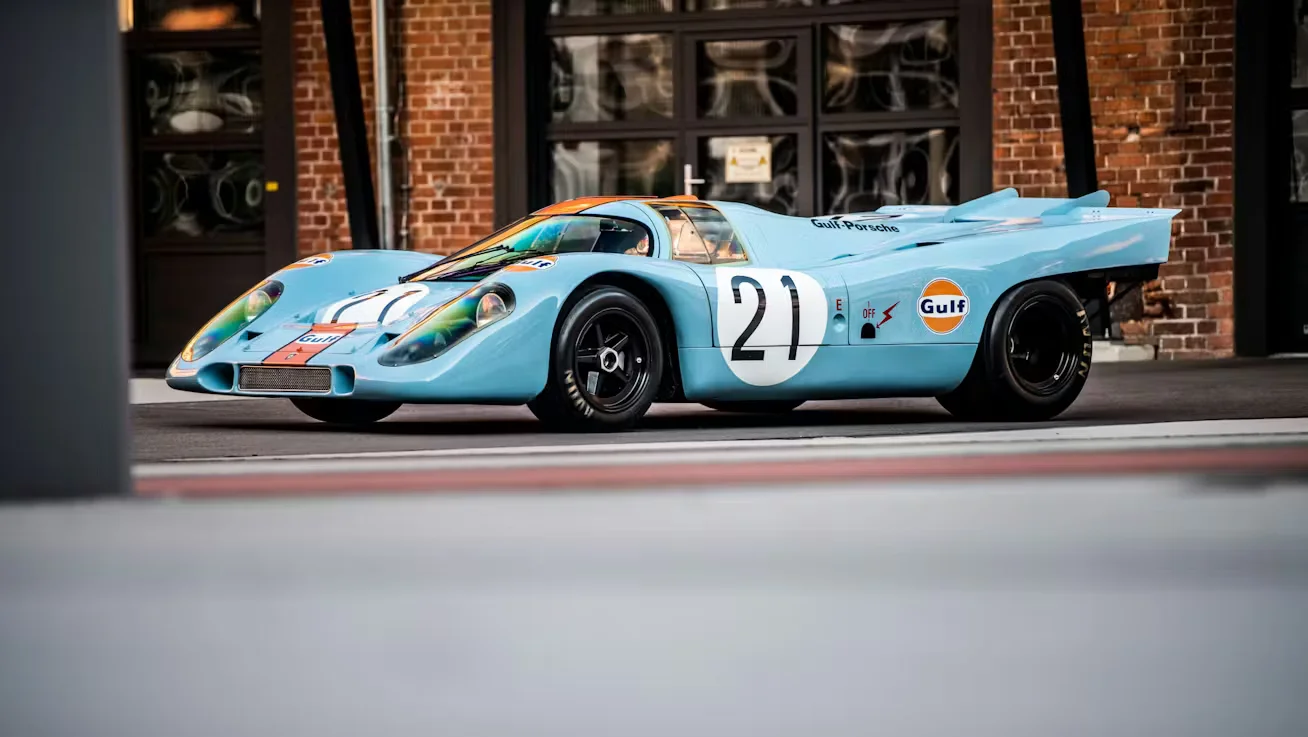
Late 1960s: Models like the 908 and 917 dominate endurance racing.
1974: Introduction of the 911 Turbo (930) brings turbocharging to road cars.
1986: The company wins Le Mans with the 962.
1996: The Boxster (986) helps put the company back on steady ground after a few years of financial difficulties.
2001: Enters the SUV market with the Cayenne.
2009: The Panamera is launched as the company’s first four-door sports sedan.
2020: The company’s first fully electric sports car, the Taycan, is launched
2021 – 2024: The hybrid and EV lineups are expanded.
DISCOVER SBX CARS: The global premium car auction platform powered by Supercar Blondie
Henry joined the Supercar Blondie team in February 2025, and since then has covered a wide array of topics ranging from EVs, American barn finds, and the odd Cold War jet. He’s combined his passion for cars with his keen interest in motorsport and his side hustle as a volunteer steam locomotive fireman at a heritage steam railway.