These are the differences between $1M, $10M, $50M and $100M private jets and what each price point gets you
Published on Aug 16, 2026 at 2:09 PM (UTC-4)
by Daisy Edwards
Last updated on Aug 16, 2026 at 2:09 PM (UTC-4)
Edited by
Mason Jones

When you ask people what the height of luxury is, you can look no further than private jets, which can cost as much as a luxury mansion or an entire skyscraper, depending on what you’re looking for.
At $1 million, you’re just poking into private aviation with a tiny regional jet that prioritizes access over luxury.
At $10 million, things get considerably more comfortable, with longer range, more space, and a proper bathroom.
But by the time you reach $100 million, you’re essentially buying a flying luxury residence that can cross oceans without breaking a sweat.
What does spending $1 million on private jets get you?
In most industries, $1 million buys you something seriously luxurious; in private airplanes, it buys you an entry ticket.
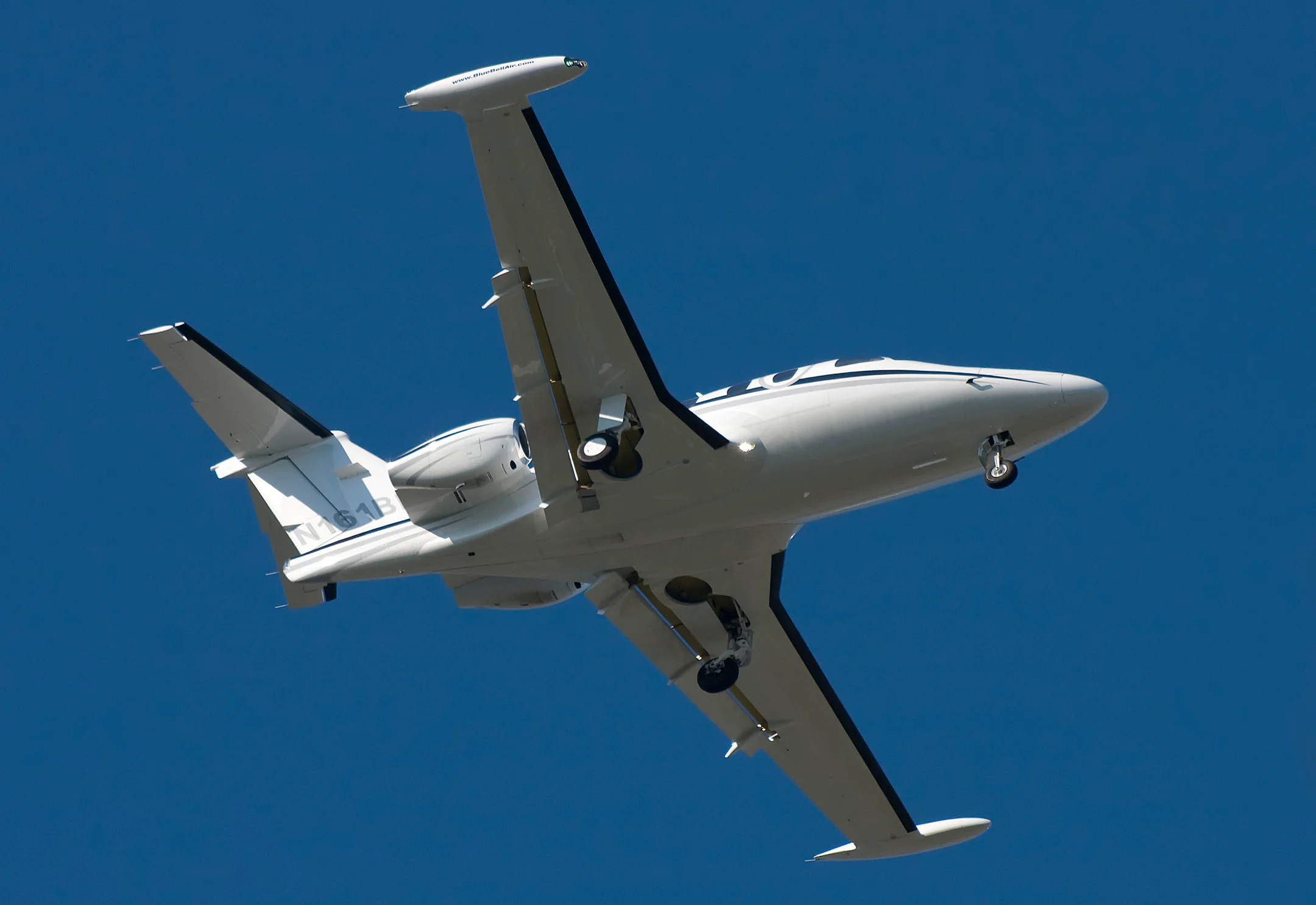
A good example is the Eclipse 500, a twin-engine very light jet from the mid-2000s that can trade for around $800,000 to $1.2 million depending on its age, hours and condition.
It was a remarkable aircraft when it launched, becoming the smallest certified twin-engine jet ever built and designed for single-pilot operation.
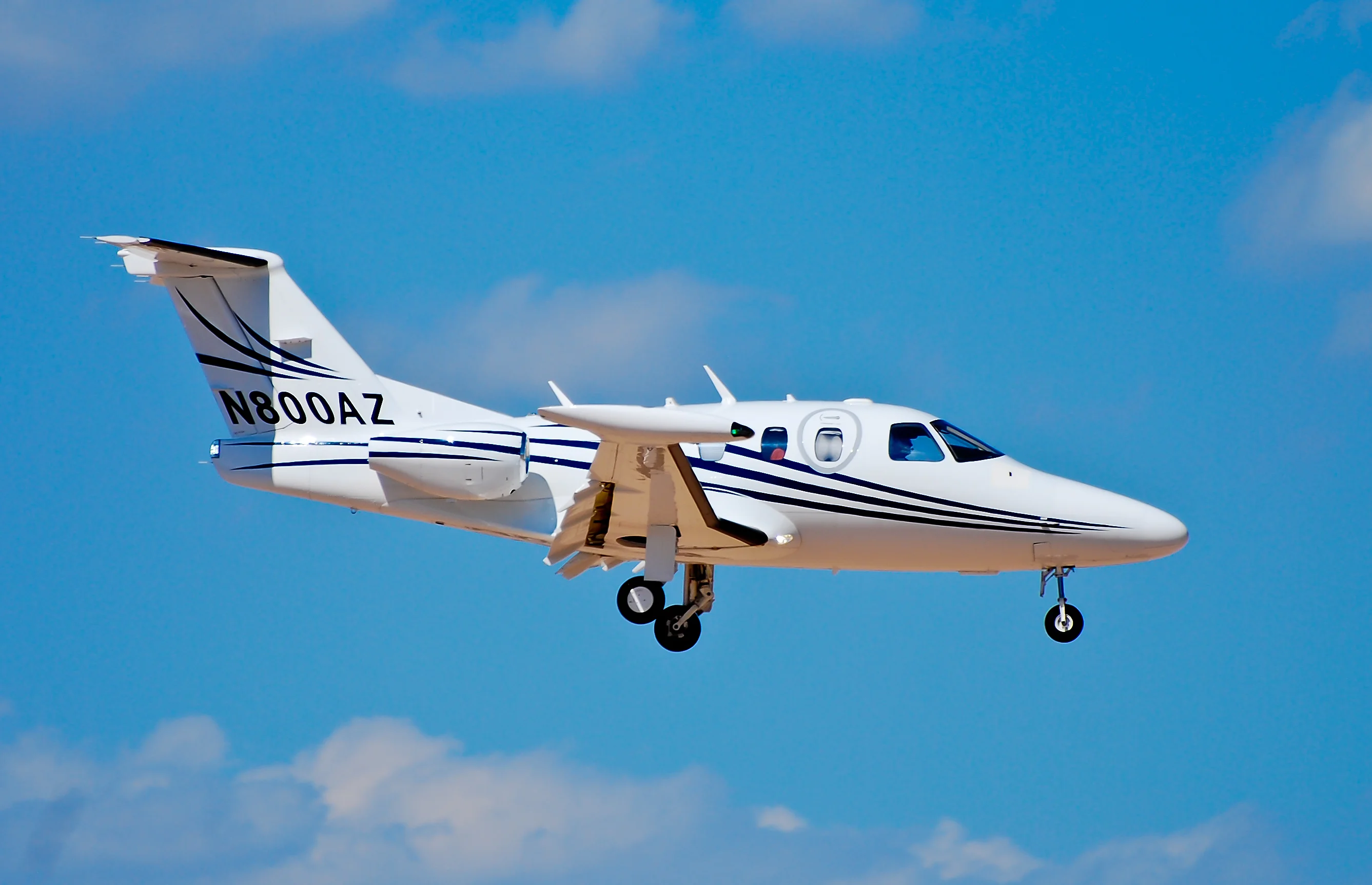
It can cruise at around 400 mph and has a range of approximately 1,000 miles with a full payload.
That makes it useful for trips such as New York to Chicago, Miami to Atlanta or Los Angeles to San Francisco, but forget about flying coast-to-coast or crossing an ocean without stopping.
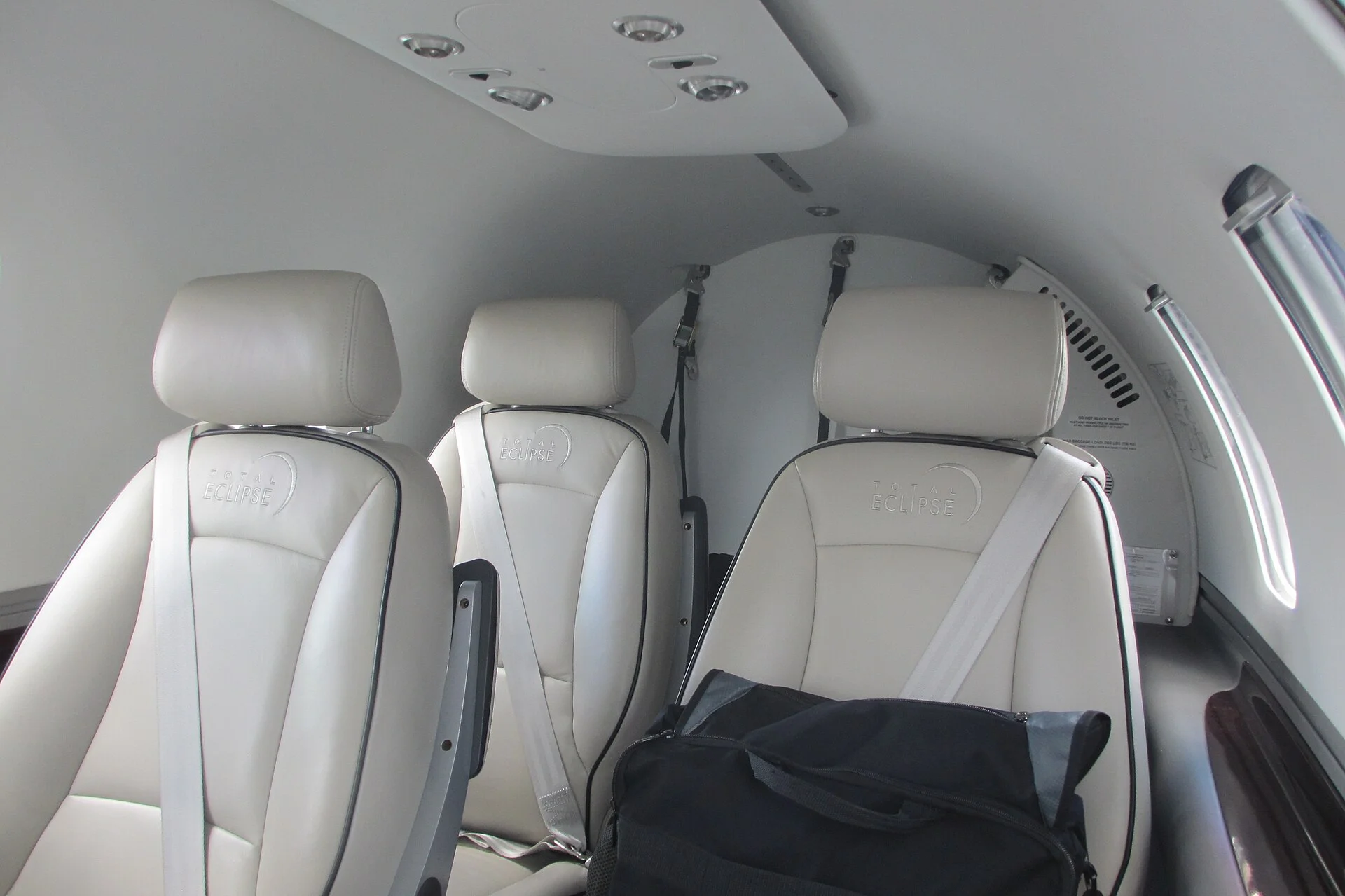
Inside, things are equally compact.
The cabin is only around 6 feet wide and just over 4 feet tall, with four passenger seats and no lavatory.
For a short 90-minute flight, that might be perfectly fine; spend three hours in there, though, and you might start wishing you’d bought something bigger.
There’s also the small matter of running the thing.
Annual ownership costs can add another $600,000 to $900,000 for fuel, maintenance, insurance and hangarage.
So at $1 million, you’re primarily buying the ability to skip the commercial aviation system and fly on your own schedule.
Related

What $10M, $50M and $100M get you
Move up to around $10 million, and private jets start to feel very different.
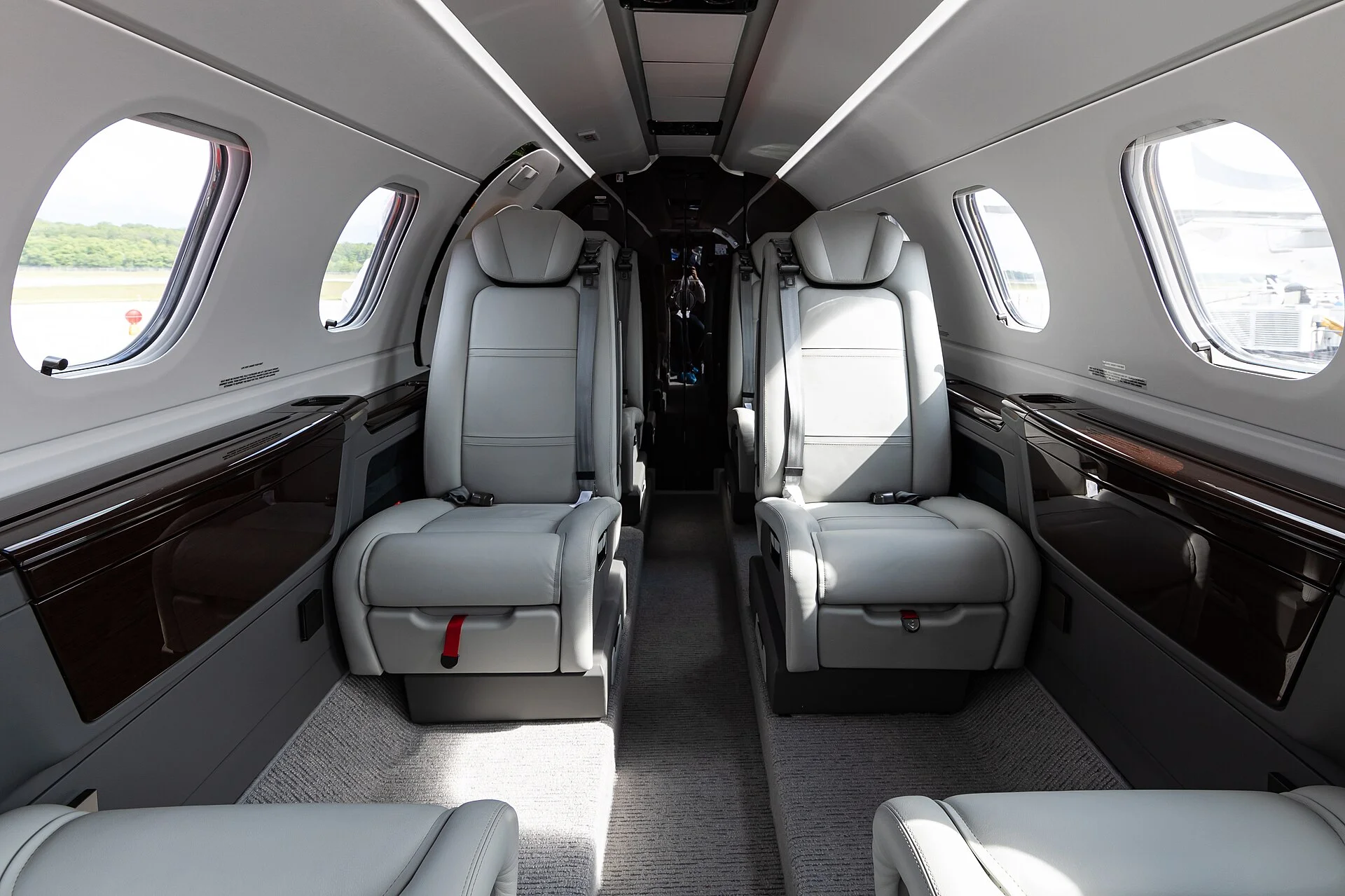
The Embraer Phenom 300E costs roughly $10 million to $11 million new and can cruise at around 535 mph, with a range of approximately 2,010 nautical miles.
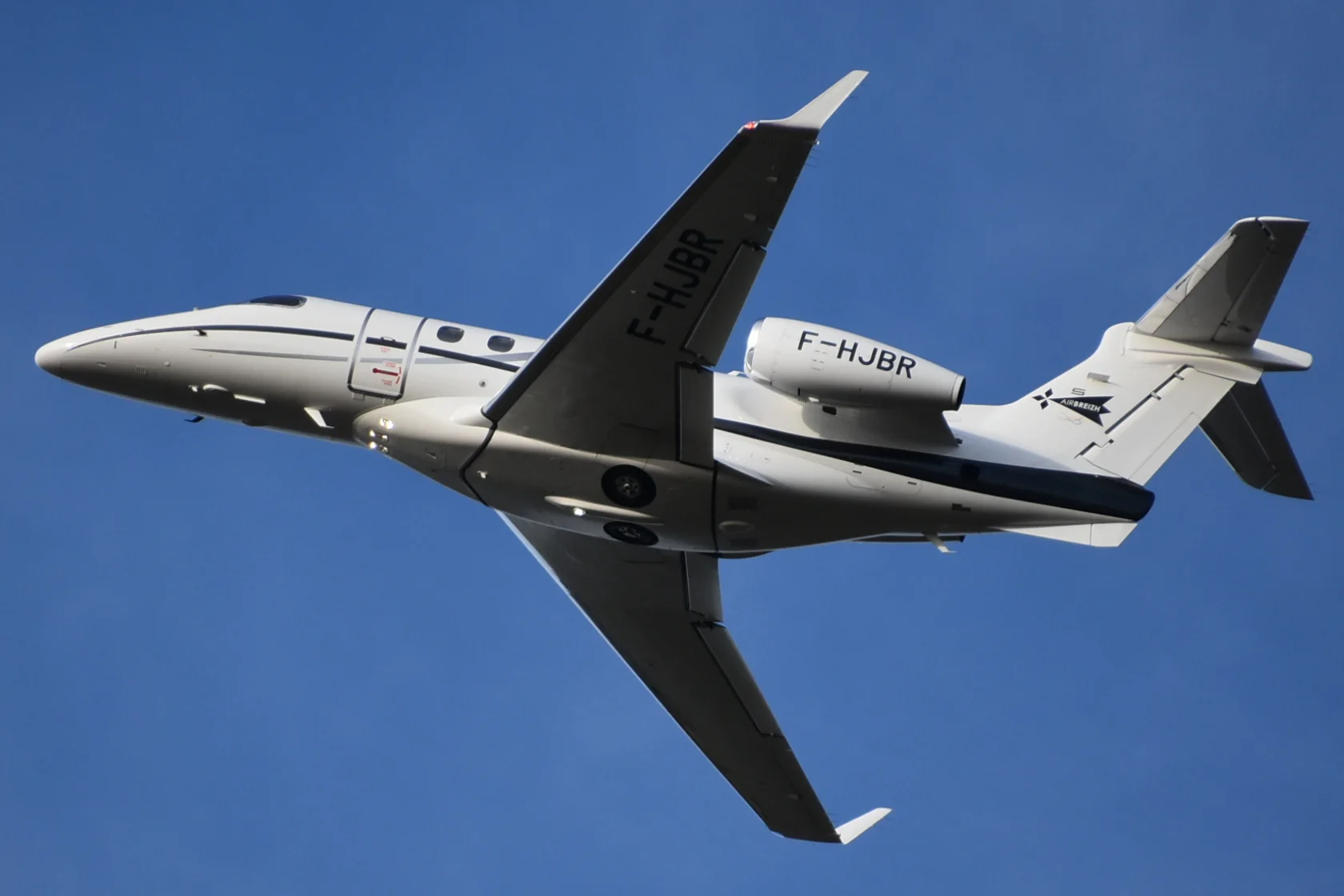
It can carry up to nine passengers and has a private lavatory, while its cabin altitude of around 5,600 feet makes longer flights considerably more comfortable.
Annual operating costs can reach $1.4 million to $1.9 million, but you’re getting a jet capable of international trips while retaining single-pilot certification.
Then there’s the $50 million tier.
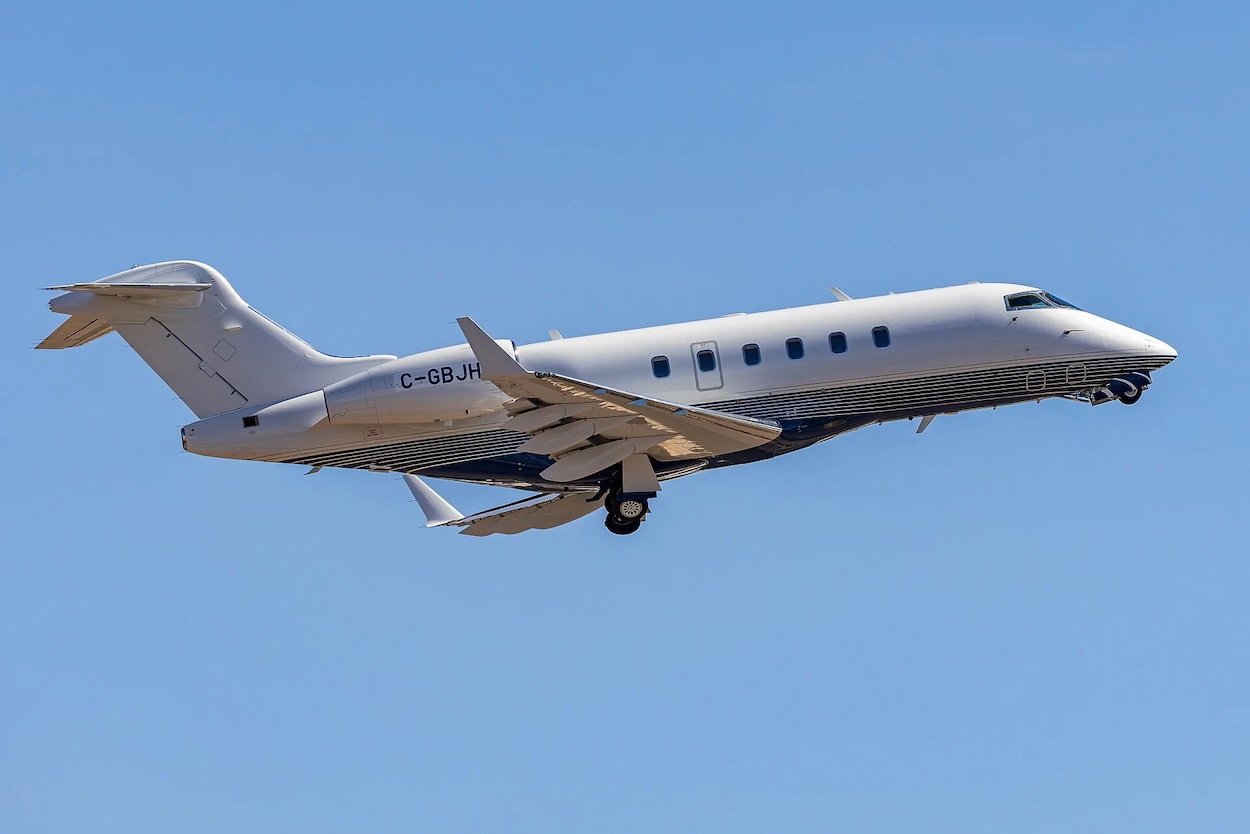
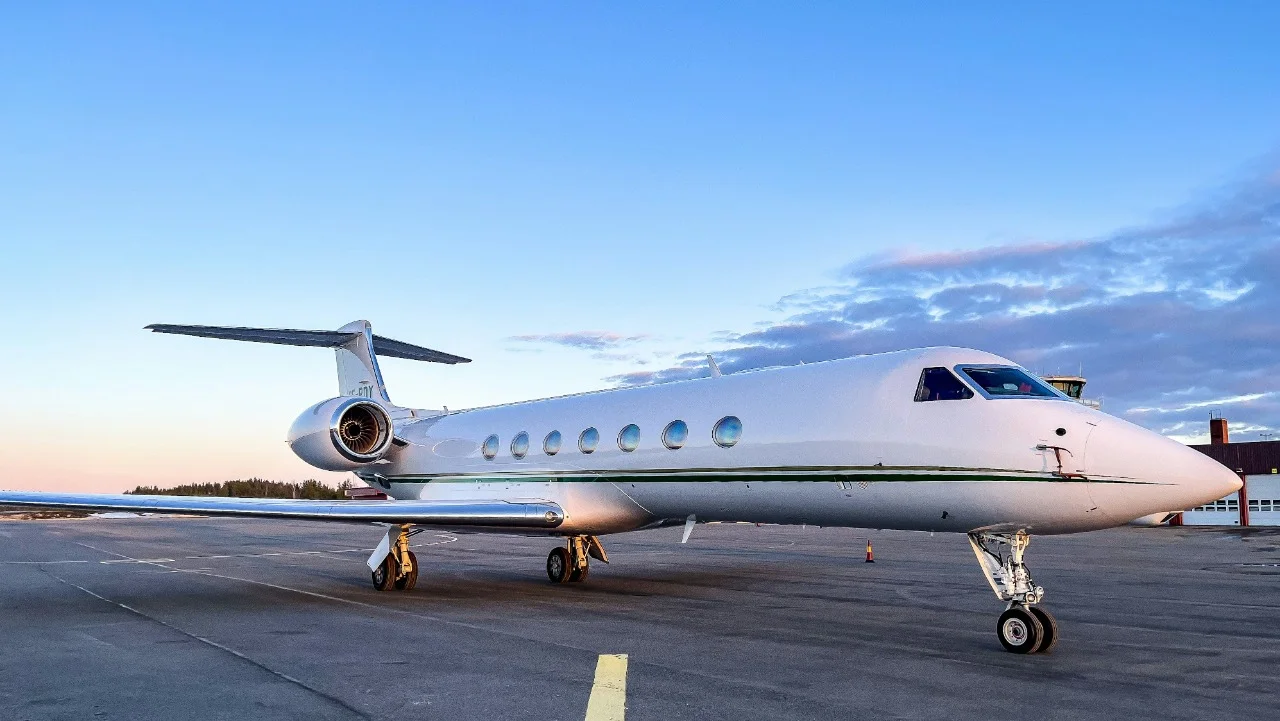
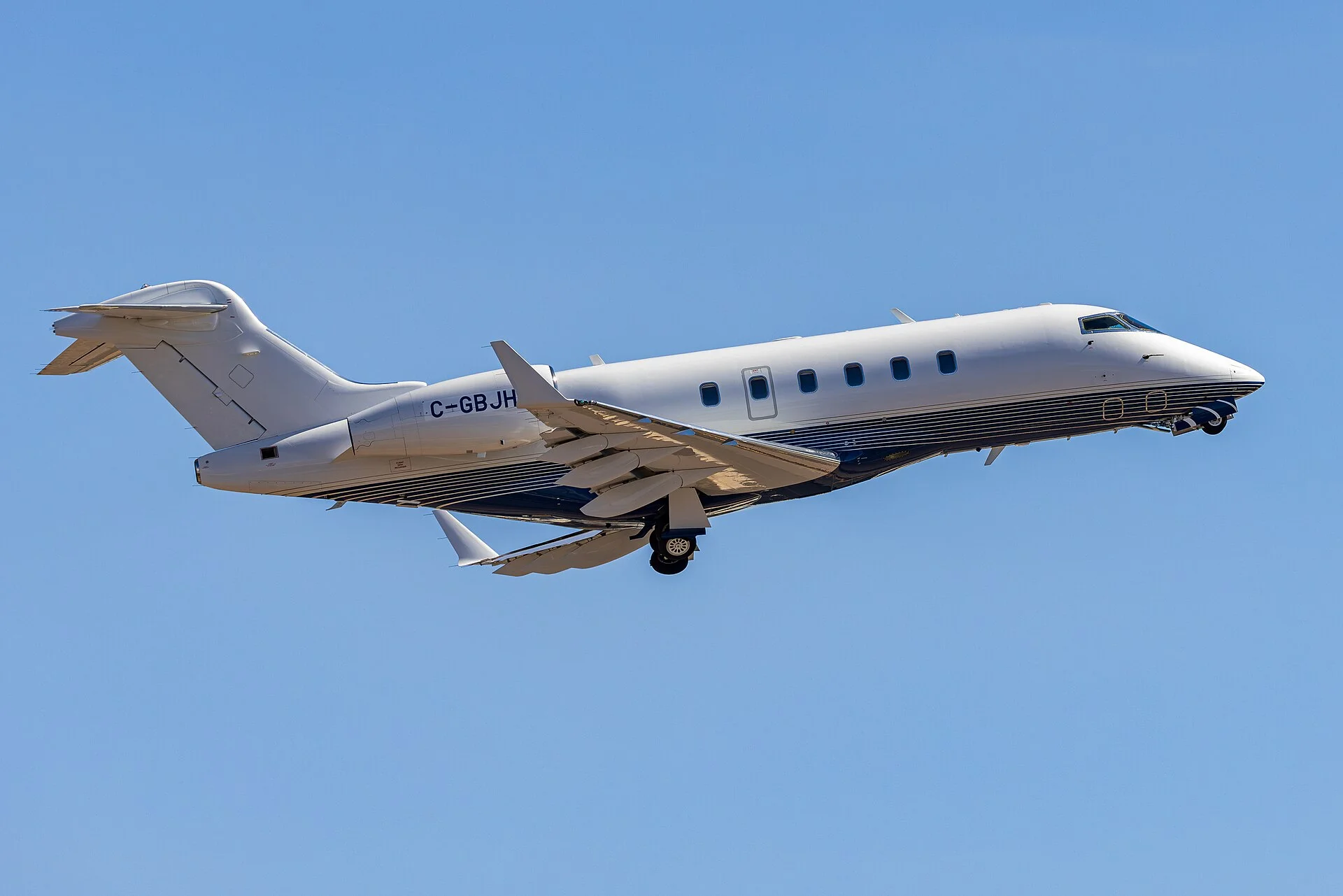
The Bombardier Challenger 3500 is a good example of what this level of private jets looks like, although used ultra-long-range jets can also fall into the $45 million to $55 million range.
The Challenger 3500 has a range of around 3,400 nautical miles, allowing nonstop flights such as New York to London or Dubai to Singapore.
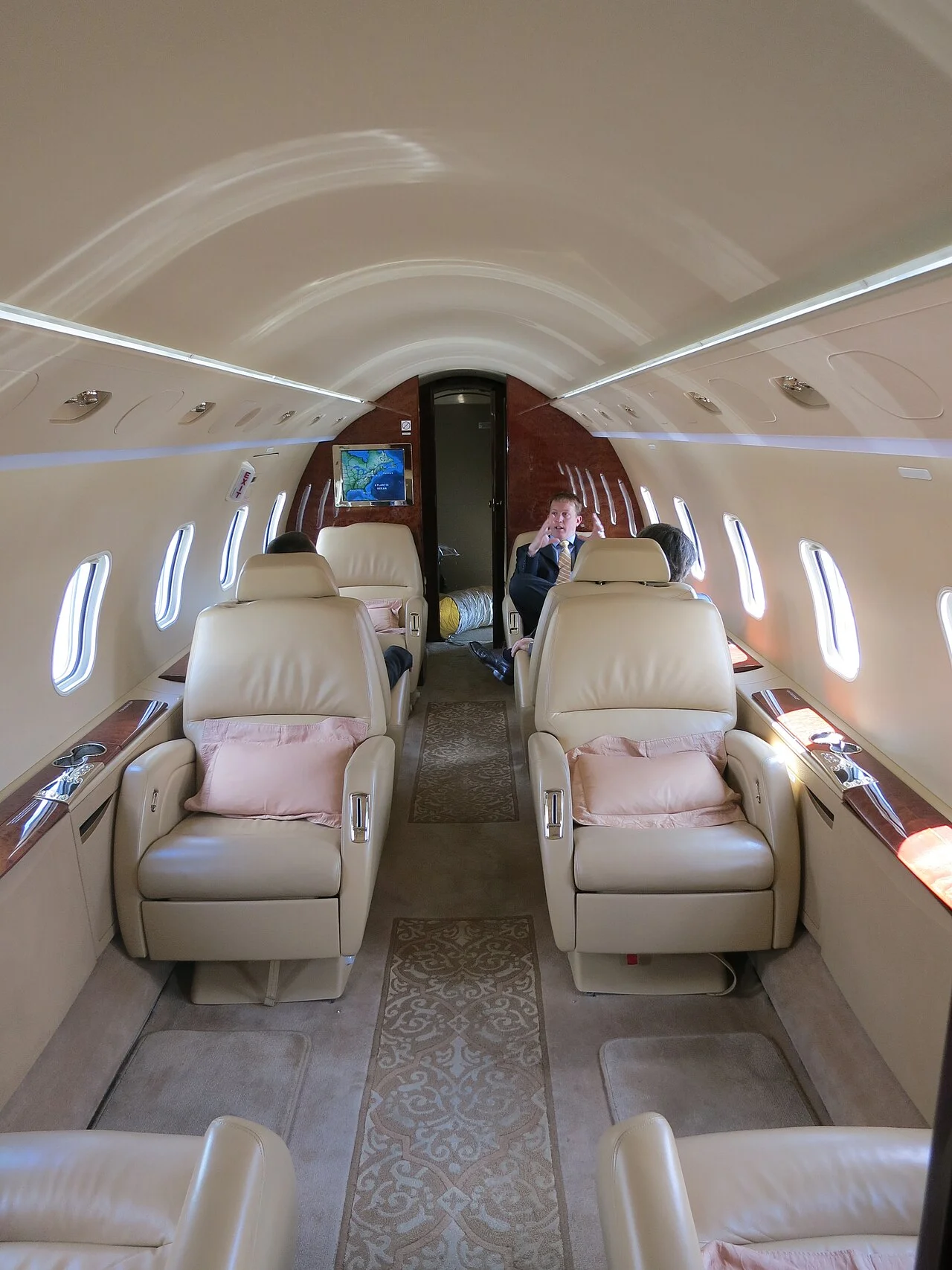
Its cabin is where the upgrade becomes impossible to miss.
There’s around 28 feet of interior space, a width of seven feet two inches, and a height of six feet one inch, which means passengers can actually stand up and walk around the cabin without ducking.
There are separate areas for working, relaxing and sleeping, while the cabin altitude is just 4,850 feet.
Annual operating costs approach $2 million, but at this point you’re firmly into serious long-distance private aviation.
Finally, there’s the $100 million jet.
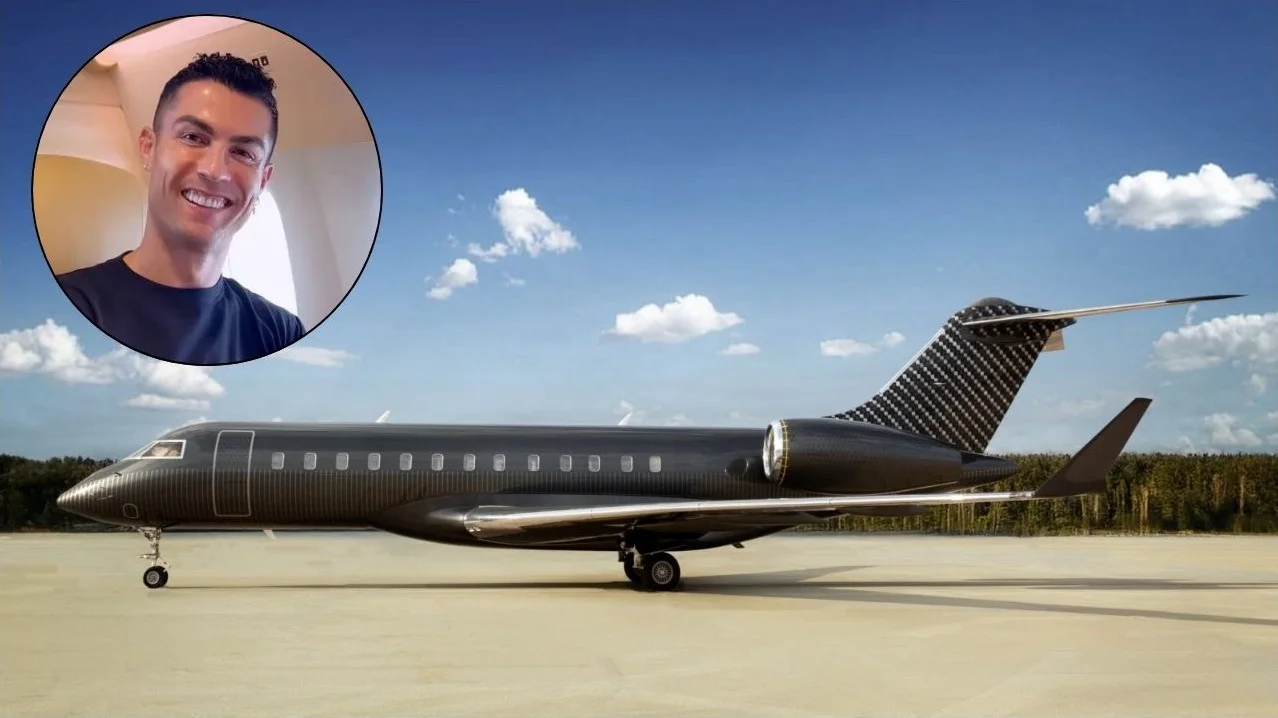
A Gulfstream G700 lists for roughly $78 million to $80 million before options, but once you add customization and a bespoke interior, the final bill can easily approach $100 million.
And this thing is in an entirely different league.
It can cruise at around Mach 0.9 and has a range of up to approximately 7,750 nautical miles when flying at Mach 0.85.
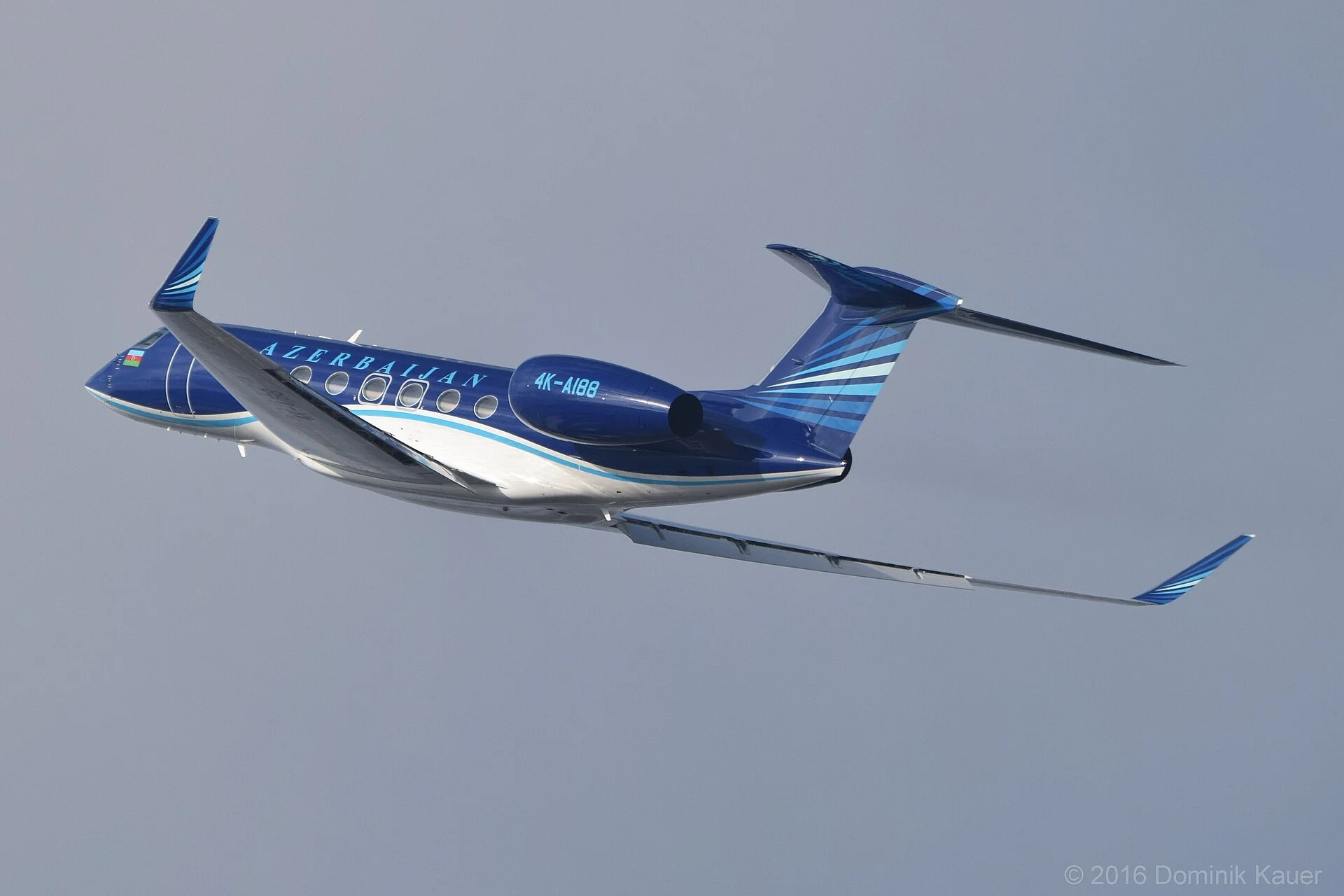
That means routes such as New York to Hong Kong or Los Angeles to Sydney can be flown nonstop.
Inside, the G700 has almost 57 feet of cabin length, is more than 8 feet wide and over 6 feet tall.
There can be up to five distinct living zones, including a conference area, dining space, entertainment suite and private master stateroom with an ensuite shower.
The cabin altitude is an astonishingly low 2,916 feet, while 20 panoramic windows flood the cabin with natural light.
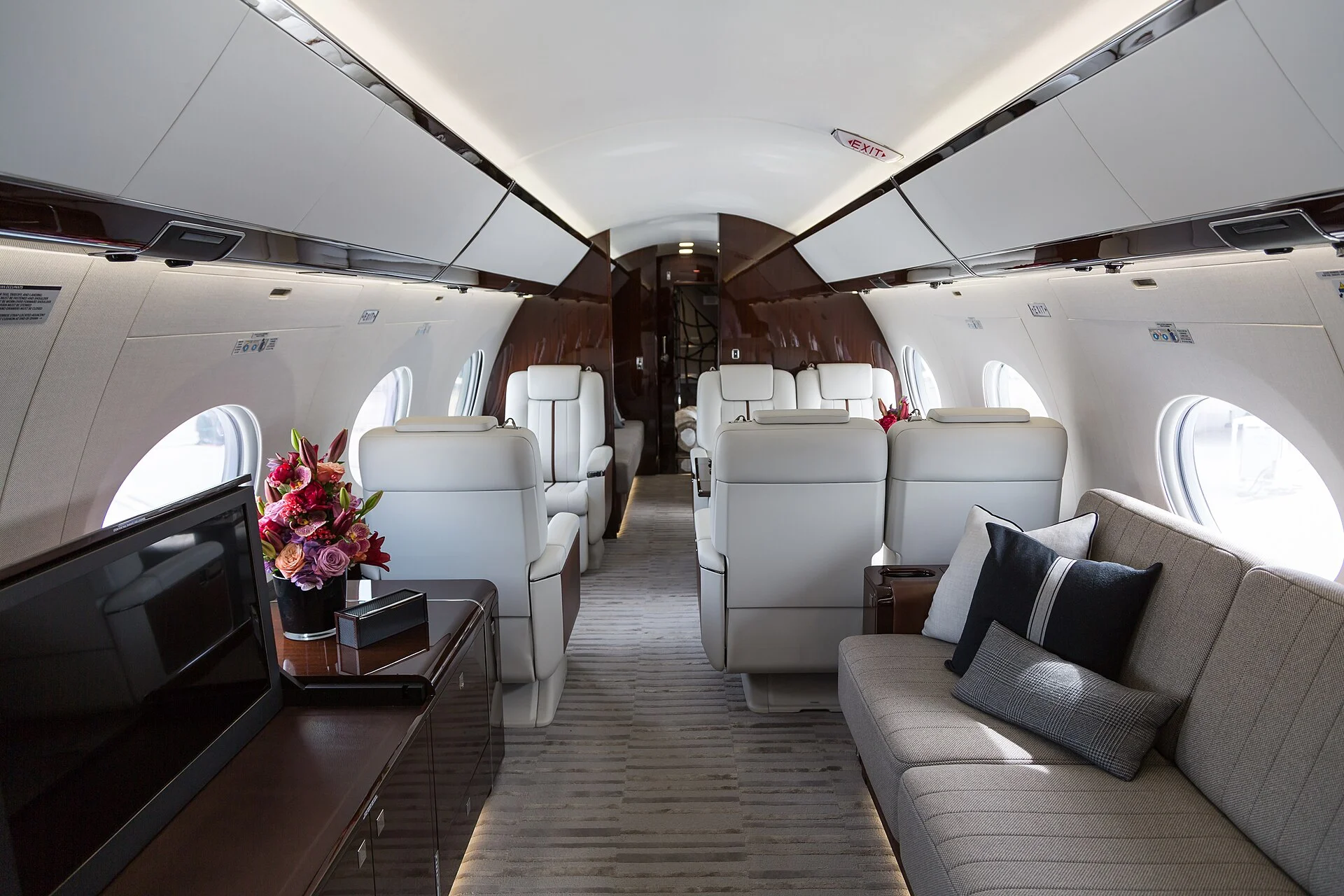
Annual operating costs can reach $2.5 million to $3 million, but at this level, buyers probably aren’t spending much time worrying about the fuel bill.
The difference between these four price points is ultimately about more than just luxury when it comes to private jets.
A $1 million jet gives you freedom from commercial flights, but a $10 million jet gives you genuine comfort and international flights.
A $50 million aircraft gives you a huge cabin and serious long-range capability, but a $100 million jet gets you about as close as it gets to having your own luxury hotel in the sky.
Daisy is a technology and automotive journalist covering artificial intelligence, consumer tech, Apple news, cryptocurrency, emerging technologies, and transportation innovation. Since joining the team in 2025, she has reported on everything from AI-powered startups and major iOS updates to viral car stories and the latest developments shaping transportation and the digital economy. Drawing on her background in automotive journalism and a degree in History and Journalism from Goldsmiths, University of London, Daisy specializes in breaking down complex topics into clear, engaging reporting for a global audience. Her work spans cutting-edge technology, innovative vehicles, and the people driving change across both industries. Daisy has gained first-hand access to some of the world's most talked-about technologies and innovators, including meeting Tesla's Optimus humanoid robot during its first European appearance in London. She has also discussed the future of space exploration with an astronaut, bringing unique insights and real-world perspectives to her coverage of emerging technology.