Professional car dealers share the used cars they refuse to buy due to the specific parts they have inside them
Published on May 05, 2026 at 10:34 AM (UTC-4)
by Henry Kelsall
Last updated on May 15, 2026 at 10:23 AM (UTC-4)
Edited by
Henry Kelsall
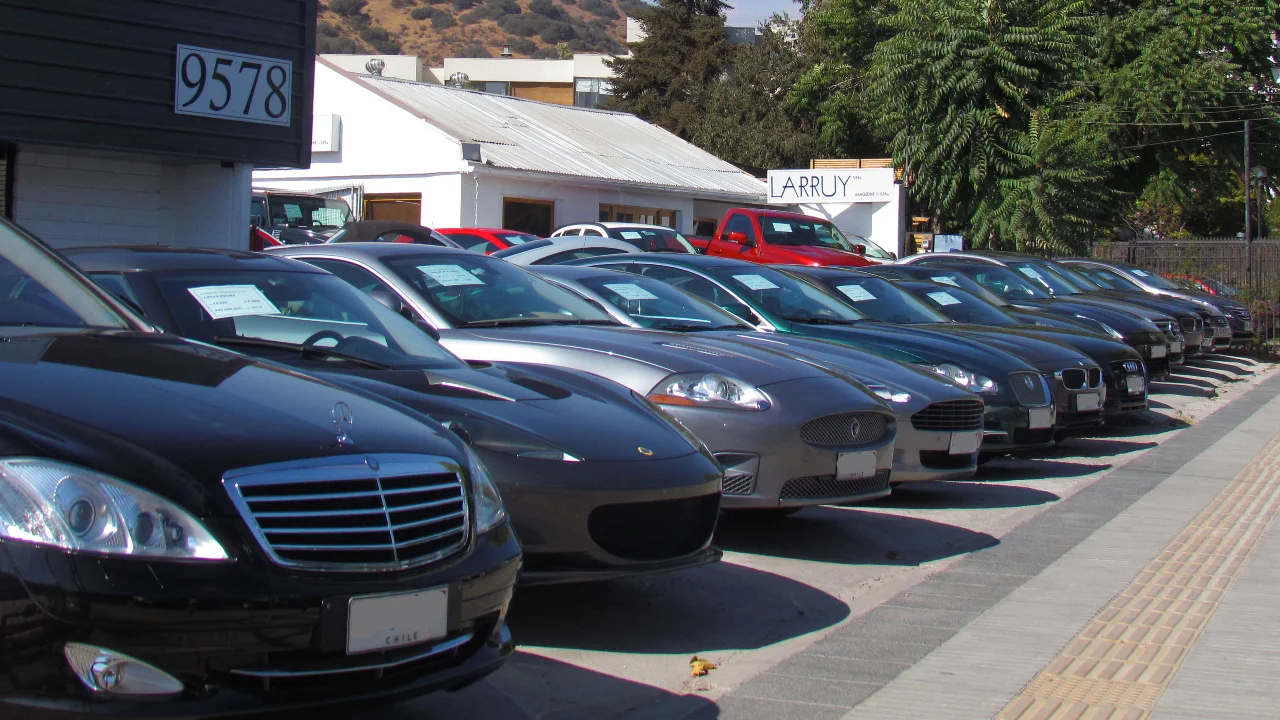

Some professional car dealers refuse to buy certain used cars, and it all comes down to a few specific parts that are considered red flags.
Dealers buy and sell a huge array of vehicles each year, be it old SUVs, classic supercars, or daily drivers that are no longer wanted.
But there are some that dealers virtually refuse to touch, and they are actively avoided for a multitude of reasons.
Much of it is based on engines in the cars, and it is incredible just how much a certain engine can sway a dealership’s decision-making.
Which used cars do professional car dealers avoid?
One engine dealers avoid is the Ford EcoBoost, one of the most well-known engines on the planet.
These are mostly found in the Fiesta, Focus, and B-Max, but are across most of the Ford range.
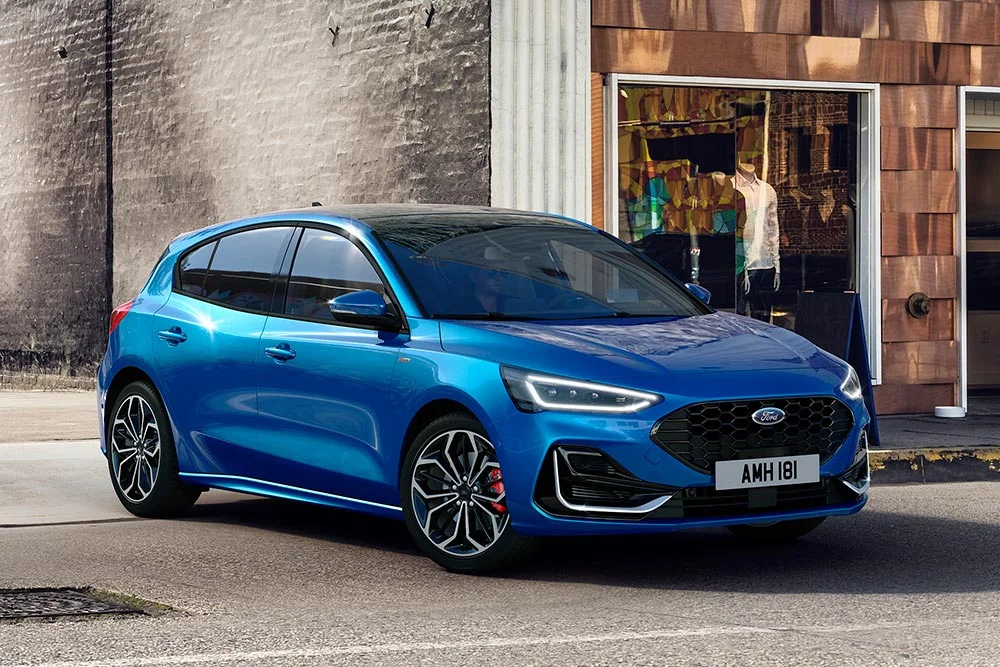
One component is the main problem here, and that is the wet belt, which doesn’t run dry like a regular timing belt.
Instead, it operates within the engine’s oil, and over time, the belt can deteriorate and cause catastrophic damage.
That alone is reason enough for mechanics and dealers to take a hard pass at an EcoBoost.
Mazda’s 2.2-liter diesel engine is another that mechanics seem to give a hard pass.
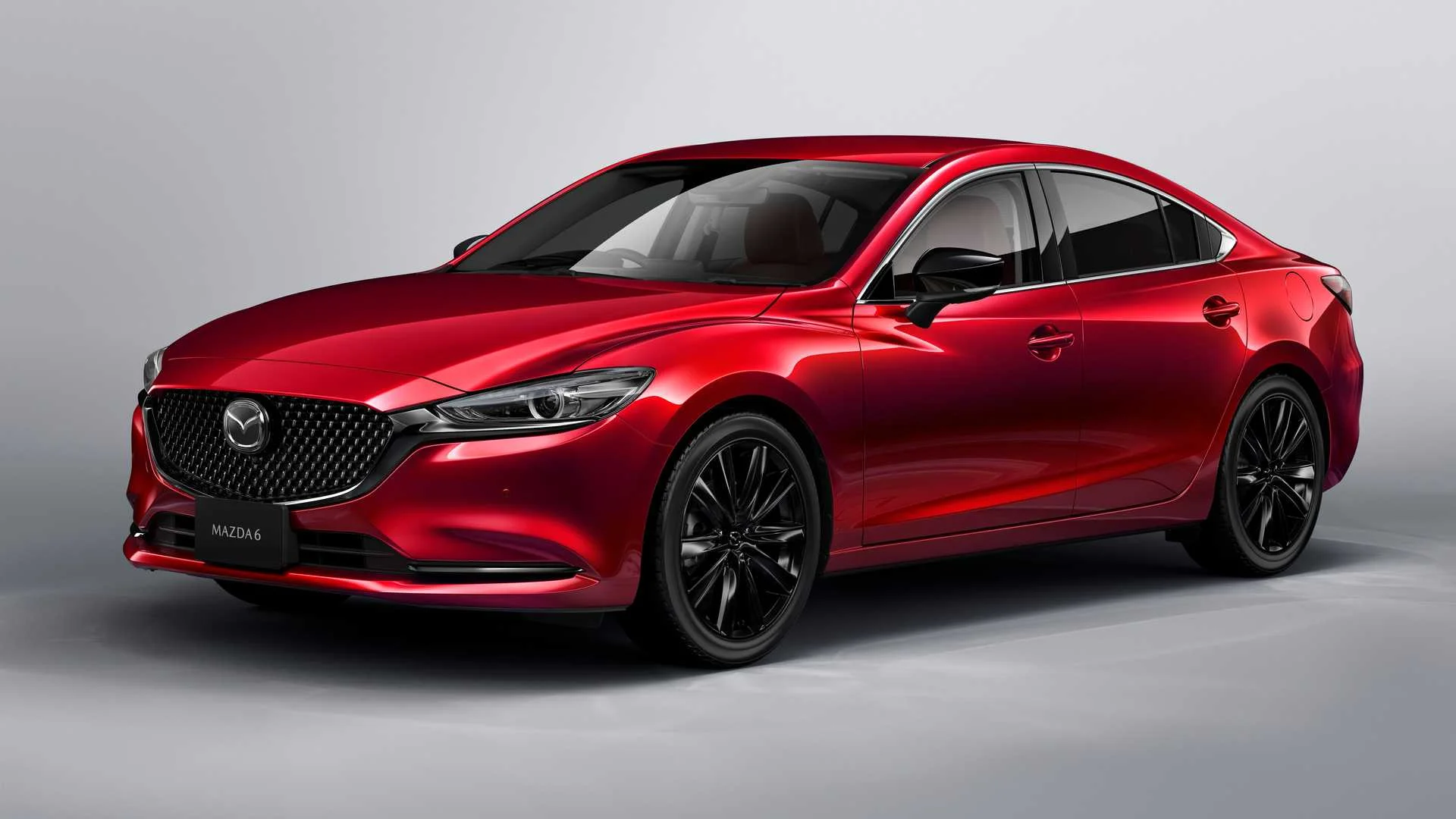
While Mazdas as a whole are very reliable, the engines in the CX-5, Mazda 6, and Mazda 3 can be troublesome.
There are issues with timing chains that stretch, injectors that leak, and diesel particulate filters that fail prematurely.
Related

Stellantis engines can also be troublesome for car dealers
Another common troublemaker is the Stellantis PureTech engine.
Used in Peugeots, Citroëns, and Vauxhalls, it is very common on British roads.
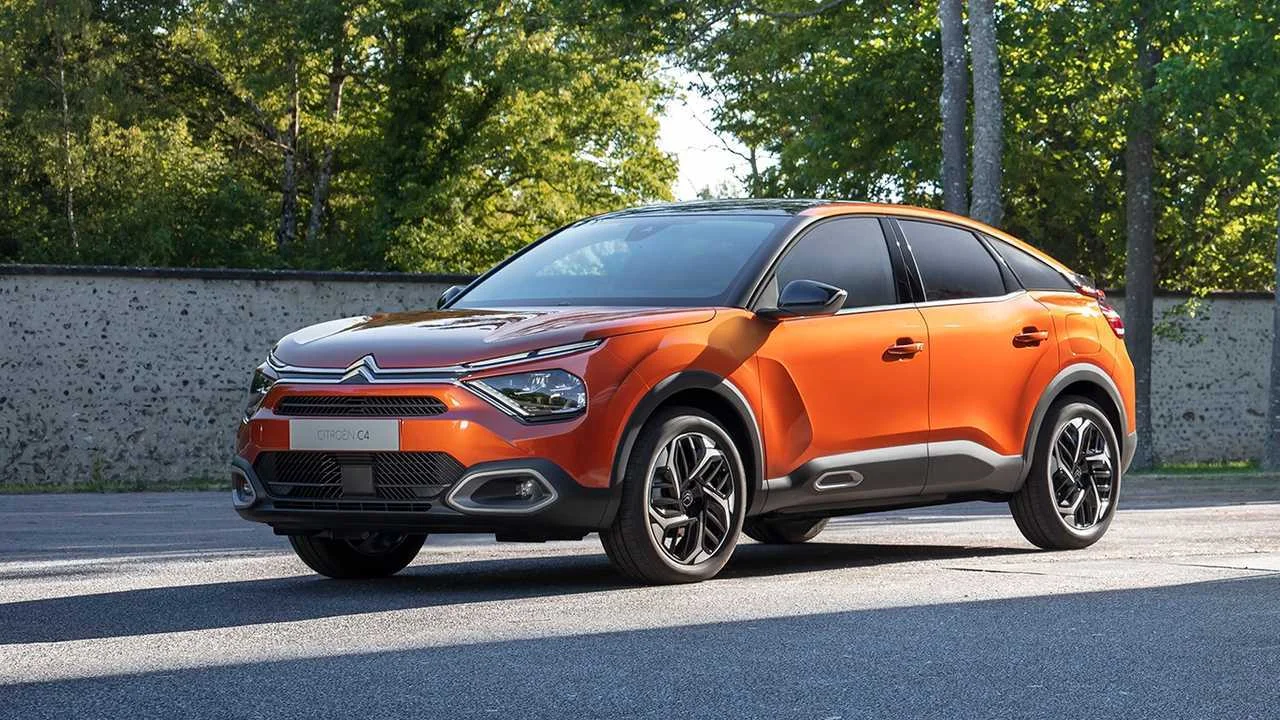
It also uses a wet belt like the EcoBoost powertrain, with debris from the belt clogging the oil pickup.
Like with the Ford engine, this can starve the PureTech of oil and lead to major failures.
Ford’s PowerShift twin-clutch automatic transmission is another nightmare for professional car dealers.
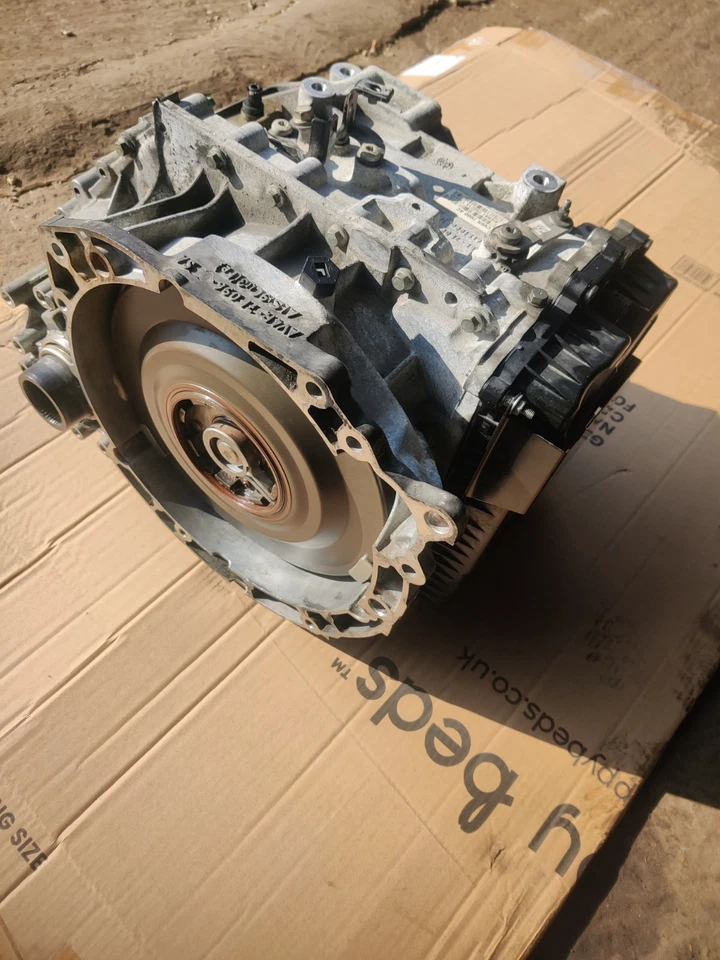
In fact, they can fail in a big way, costing the dealer and customer a fortune.
These are just some of the most problematic components on cars.
All of them, though, leave dealers refusing to even touch them.
Unlike this Amazon returns pallet, these used cars are not a guarantee of any profit.
The most unreliable cars in the world
1971: Chevrolet Vega – Known for unsleeved aluminum engine blocks that warped and burned oil rapidly
1975: Triumph TR7 – Plagued by catastrophic electrical failures and famously poor British Leyland build quality
1981: Cadillac Seville V8-6-4 – Featured an early cylinder deactivation system that constantly stalled and jerked
1985: Yugo GV – Notorious for snapping timing belts and interior parts that literally fell off during normal driving
1989: Chrysler TC by Maserati – Combined expensive styling with incredibly faulty electrical components and leaky engines
1997: Cadillac Catera – Suffered from chronic oil leaks, failing timing tensioners, and rapid suspension wear
2001: Pontiac Aztek – Experienced widespread transmission failures, cracked manifolds, and continuous electrical gremlins
2004: Land Rover Discovery – Faced constant air suspension collapses, blown head gaskets, and complex electronic faults
2011: Fiat 500 – Struggled with faulty clutches, overheating engines, and poor overall build quality
2014: Jeep Cherokee – Debuted with a highly erratic nine-speed automatic transmission that frequently failed or shifted harshly
Henry joined the Supercar Blondie team in February 2025, and since then has covered a wide array of topics ranging from EVs, American barn finds, and the odd Cold War jet. He’s combined his passion for cars with his keen interest in motorsport and his side hustle as a volunteer steam locomotive fireman at a heritage steam railway.