This is why US police cars are almost always Ford cars instead of any other brand
Published on Sep 06, 2026 at 9:59 AM (UTC-4)
by Alessandro Renesis
Last updated on Sep 06, 2026 at 9:59 AM (UTC-4)
Edited by
Mason Jones
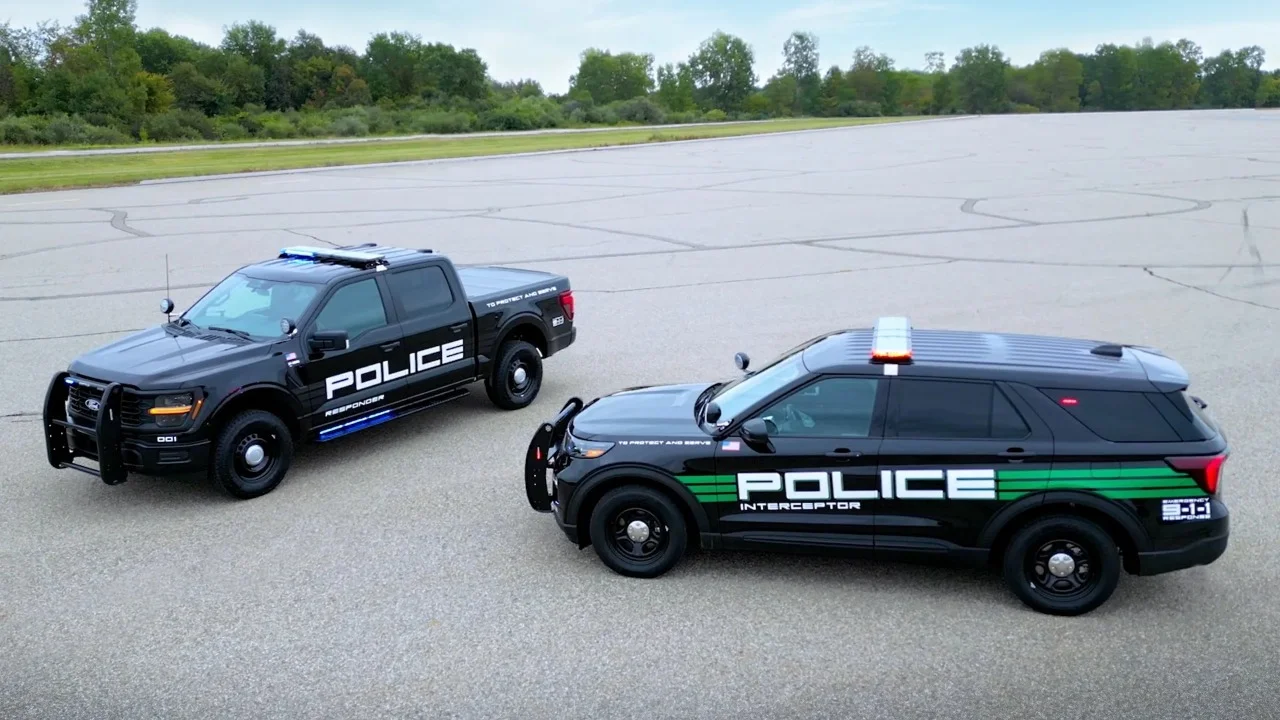

There’s a reason why US law enforcement cars are often Ford vehicles and not something else.
While other manufacturers like Chevrolet, Dodge, and recently BMW hold shares of the market, Ford still dominates US police fleets.
That’s due to a mix of specialized engineering and fleet economics.
But there’s another key reason as well.
The automaker’s position was actually even more dominant in the past
When it comes to US police cars, Ford is still the dominant power in the country.
But the surprising fact is that, in the past, that dominance was even more remarkable and absolute.
From the late 1990s through the early part of the 2010s, the Crown Victoria Police Interceptor – the iconic ‘Crown Vic’, as most people call it – accounted for up to 85 percent of police pursuit sales.
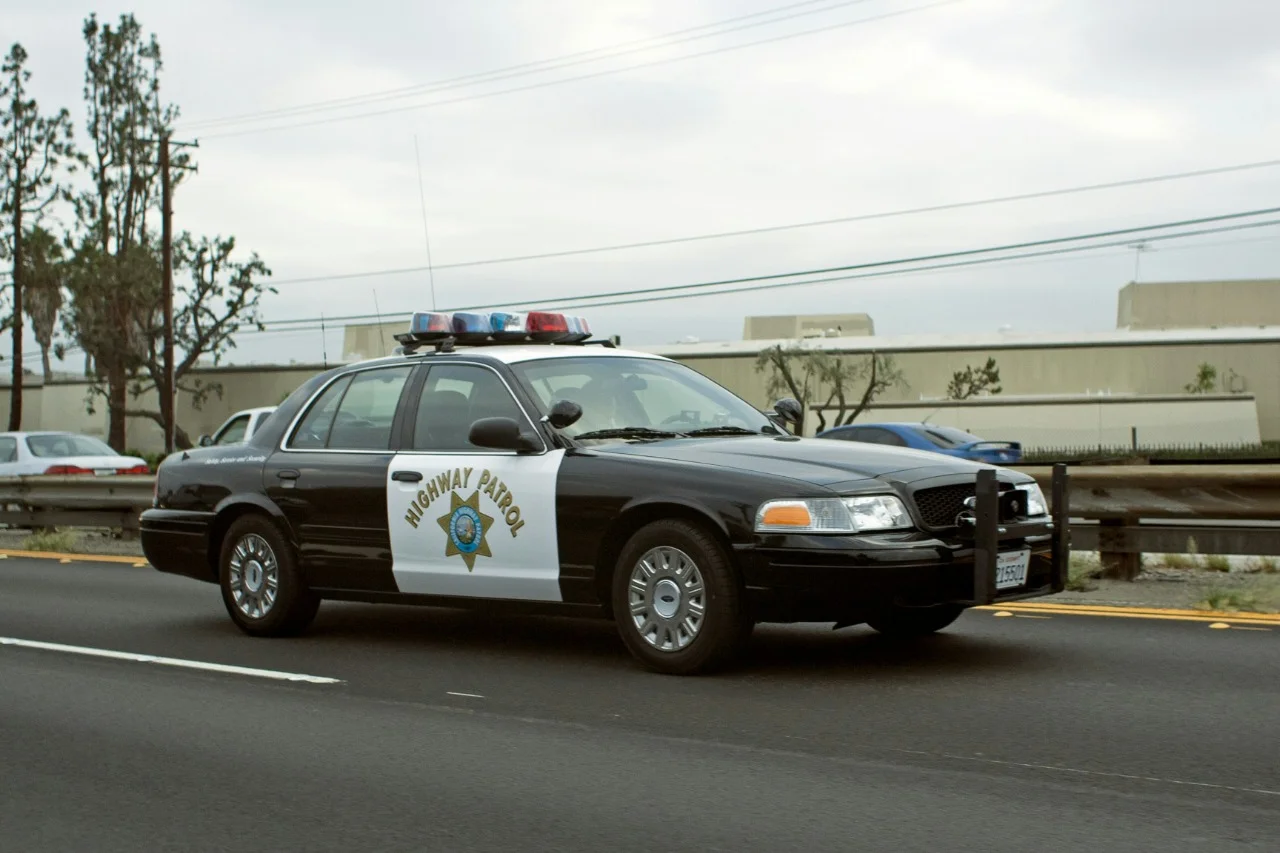
That’s astonishing, if you think about it.
Forde’s dominance peaked in the 2000s, mostly because at that point, Chevrolet had already discontinued the Caprice and no one else was stepping up.
When the Crown Vic was also retired, in 2012, departments naturally transitioned to Ford’s next-generation police cars.
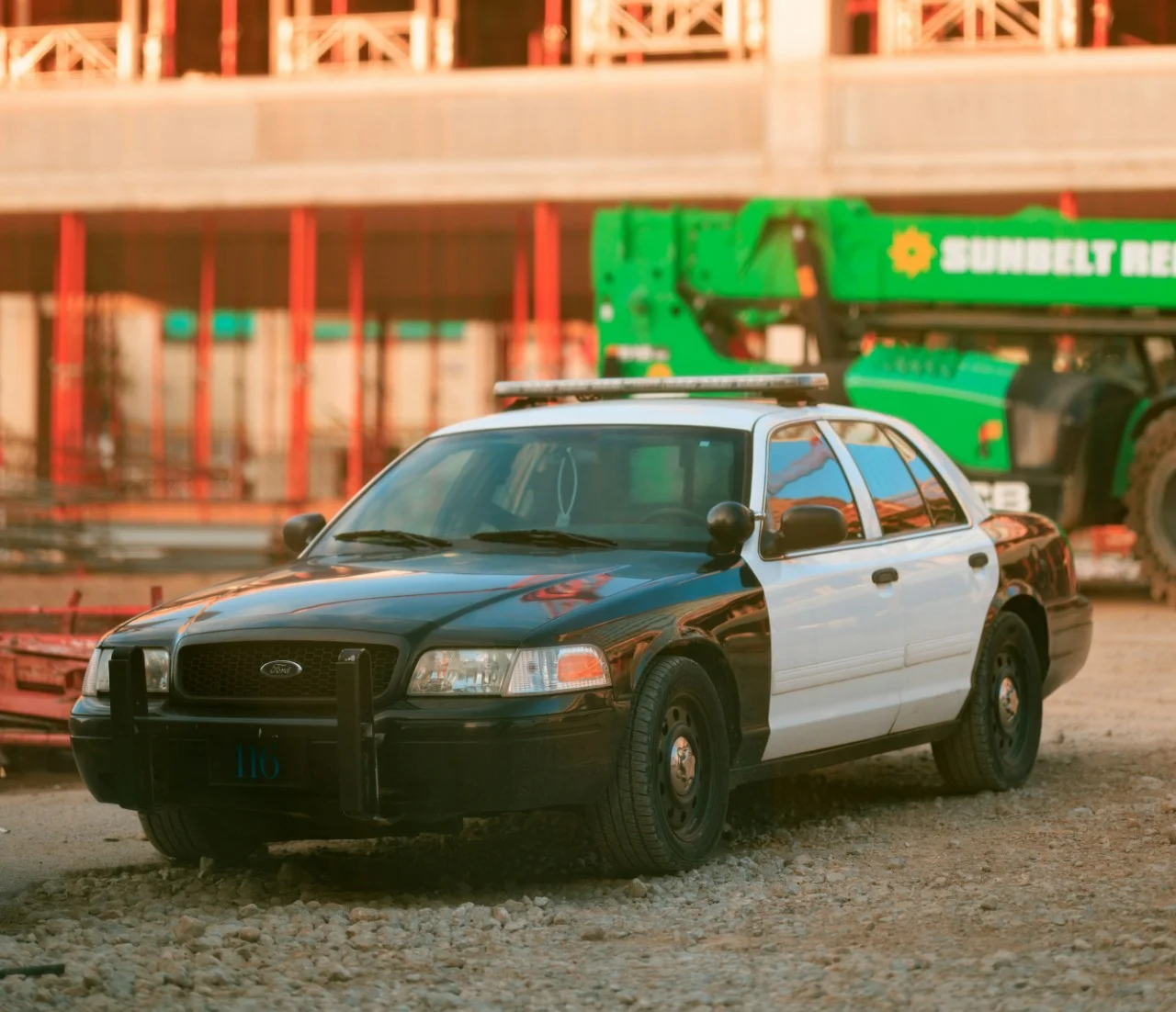
Other players emerged, but Ford’s position remains strong.
Interestingly, one of these new players – BMW – isn’t American.
But that leads us to the main reason Ford is still dominant.
Related

With Ford, it’s all about specialized engineering
Recently, BMW was allowed to get a piece of this particular pie (specifically, the FBI pie) because it satisfied two key requirements for police departments and law enforcement in general.
One, these vehicles must be built in the US.
It goes without saying, especially now that even ‘civilian’ vehicles are mostly built locally to combat tariffs, but it’s always worth mentioning this.

Two, US police cars (or vehicles used by other law enforcement entities and agencies) must be built as law enforcement cars from the start.
Police departments don’t want civilian cars with sirens and bulletproof windows; they want vehicles built from the ground up as police-spec interceptors.
The problem is that converting regular sedans doesn’t work for a variety of reasons related to both safety (for officers and ‘passengers’) and security (as in, cybersecurity), and of course economics.
It actually costs more to build a regular SUV and then convert it into a police-spec SUV than to simply create two separate (but parallel) assembly lines that work like clockwork.
For this reason, the American manufacturer designs its police packages from the ground up to meet stringent law enforcement standards and regulations.
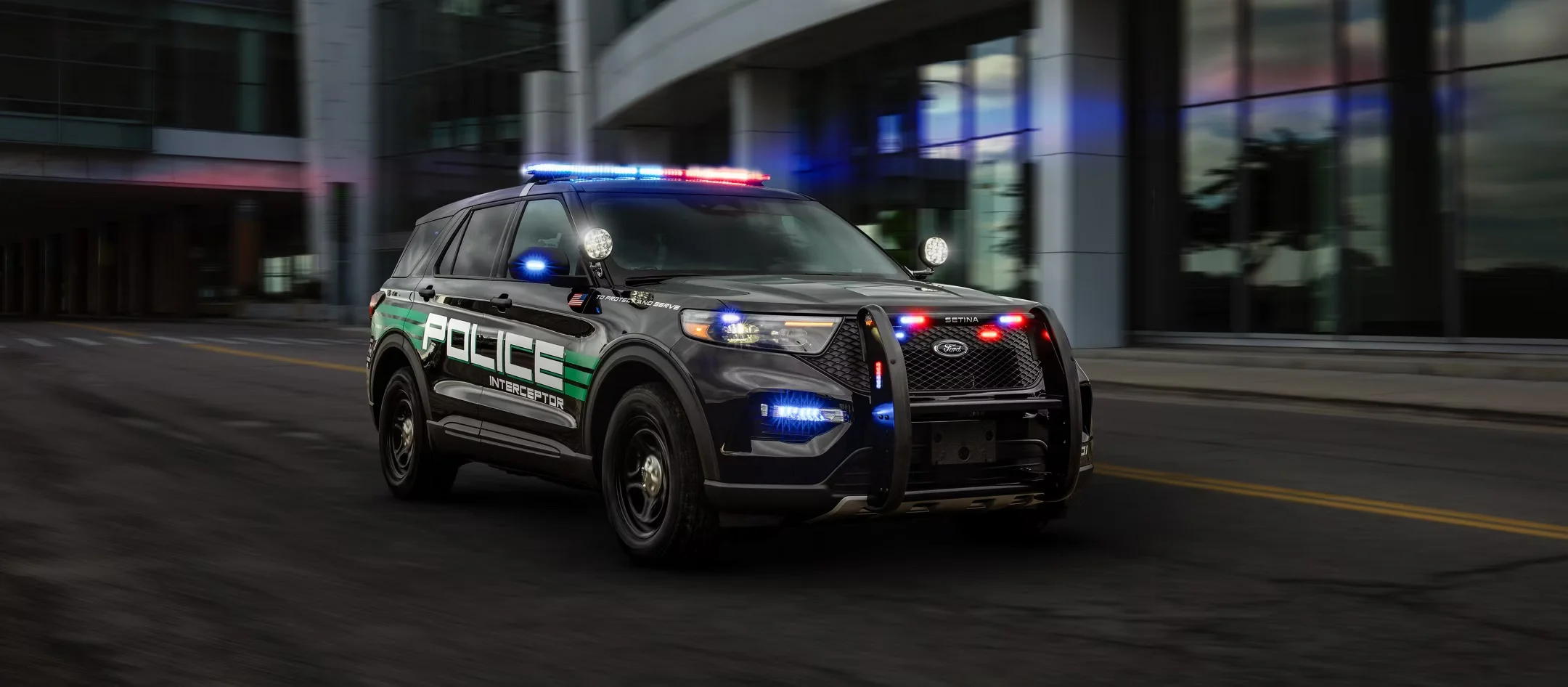
As a result, vehicles like the Police Interceptor Utility (based on the Explorer) offer high top speeds, faster acceleration, and better braking capability as standard.
Supply chain dynamics also matter
There’s a third and equally important reason.
Because Ford has been the go-to manufacturer for decades, third-party suppliers build specialized gear – partition cages, computer mounts, specialized consoles, light bars, and so on – tailored specifically to Ford cabins and trunks.
It’s a tried-and-tested process, which results in a very efficient process and supply chain.
That’s why Ford still dominates.
It takes a lot more than a marginally better price or a marginally faster car to convince police departments to switch.
Alessandro is an automotive journalist with 10 years of experience covering supercars, automotive history, emerging vehicle technology, and luxury transportation. He wrote the first article published on SupercarBlondie.com when the website launched in 2022 and has since built a reputation for insightful reporting across the automotive and transportation industries. His expertise is grounded in hands-on experience. Alessandro has driven every Tesla model ever produced, from the original Roadster to the Cybertruck, and regularly covers the latest developments in electric vehicles and automotive innovation. His passion for transportation extends beyond cars, he has even flown a Boeing 787 Dreamliner simulator in Addis Ababa, Ethiopia. His reporting spans everything from classic American muscle cars and rare automotive discoveries to luxury yachts, private aircraft, high-end watches, and cutting-edge vehicle technology. Known for his deep knowledge of automotive history and ability to uncover the stories behind iconic vehicles, Alessandro brings readers a blend of historical context, technical expertise, and first-hand experience.