These are the car parts you really need to replace once you hit 100,000 miles
Published on Sep 07, 2026 at 4:05 PM (UTC-4)
by Daisy Edwards
Last updated on Sep 07, 2026 at 4:05 PM (UTC-4)
Edited by
Tom Fenton
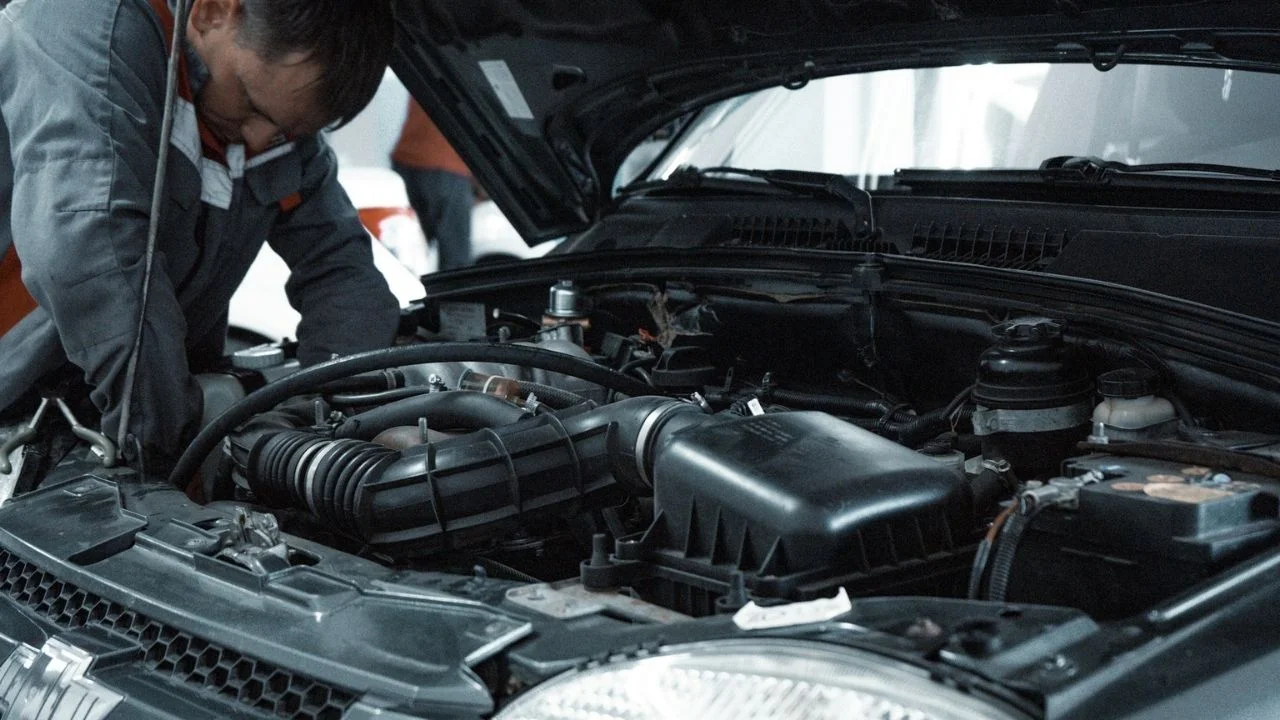

A car hitting 100,000 miles used to be a major milestone that made owners wonder whether it was time to trade it in, but now you might only need to change out a few car parts, and you’ll be ready to hit the road once again.
These days, modern cars can comfortably go far beyond that figure, but they still need some extra attention once the odometer reaches six figures.
Several key components are approaching the end of their useful life around this point, and ignoring them could turn a relatively simple maintenance job into a seriously expensive repair.
These are the car parts you really need to check and potentially replace once you hit 100,000 miles.
What should you replace at the 100,000-mile mark?
Spark plugs
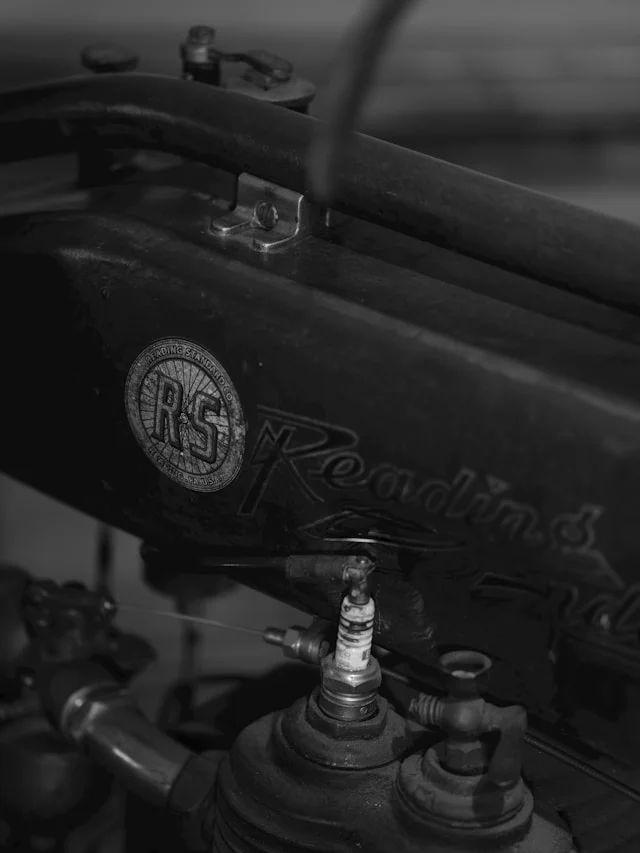
Spark plugs might be tiny, but they play a huge role in keeping a gas-powered engine running properly.
They create the spark that ignites the air-fuel mixture inside the engine, and worn plugs can lead to misfires, rough idling, sluggish acceleration and worse fuel economy.
Many modern spark plugs are designed to last around 100,000 miles, although some vehicles call for replacement much sooner.
Consumer Reports also list spark plugs as one of the major maintenance items that commonly fail around this mileage.
Timing belt
If your car has a timing belt rather than a timing chain, this is one component you definitely don’t want to ignore.
The belt keeps the engine’s crankshaft and camshaft synchronized so the valves open and close at exactly the right moment.
If it snaps, particularly on an interference engine, the resulting contact between pistons and valves can cause catastrophic engine damage.
Timing-belt replacement intervals vary, but AAA says replacement is commonly recommended somewhere between 60,000 and 100,000 miles.
Check your owner’s manual instead of assuming that every car needs one at exactly 100,000 miles.
Cooling hoses
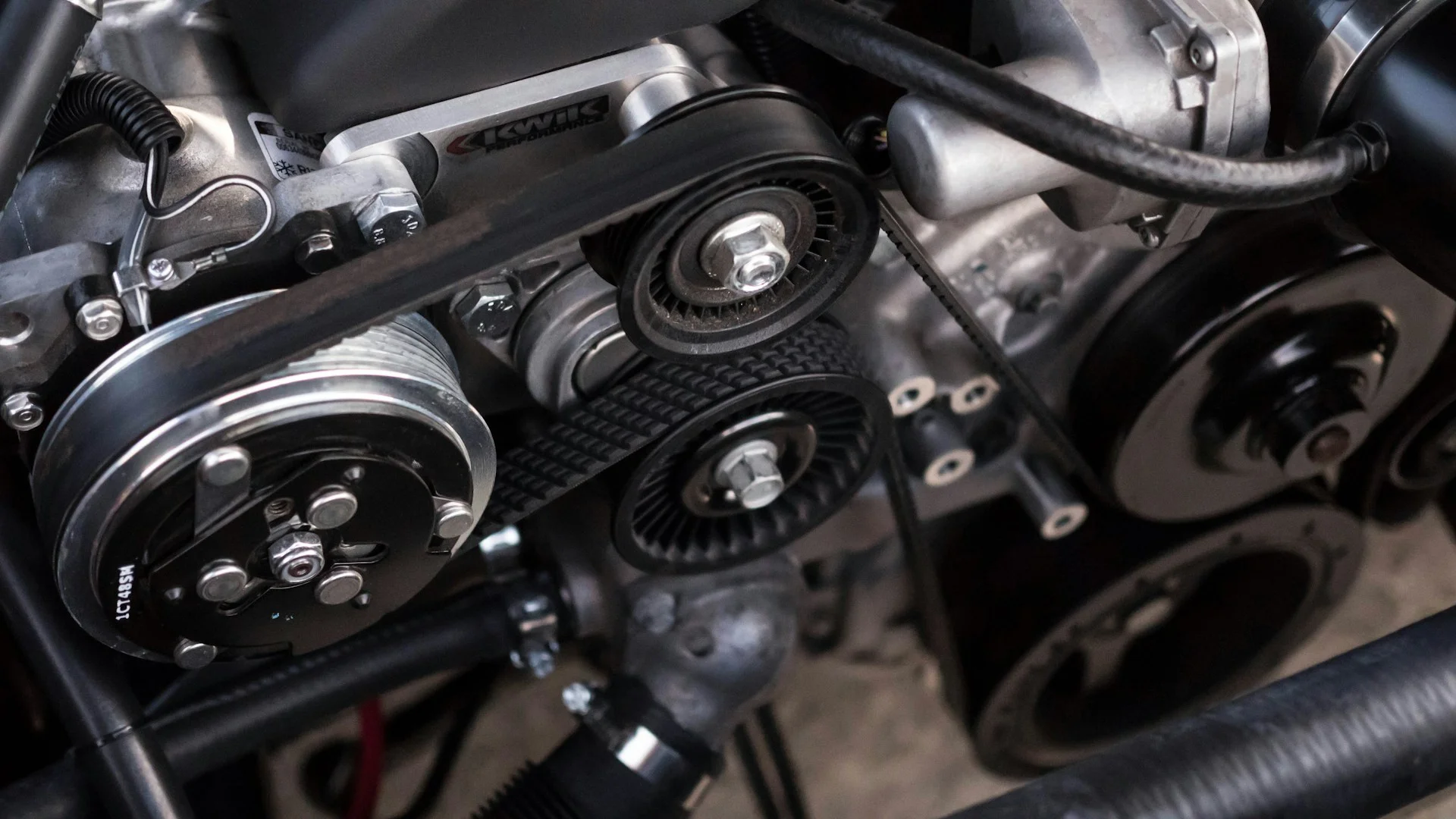
Your engine’s cooling system relies on rubber hoses to move coolant between the engine and radiator, and over time, heat and age can cause the rubber to become brittle, swollen, or cracked.
SlashGear notes that cooling hoses can be approaching the end of their useful life around 100,000 miles, while AAA recommends inspecting belts and hoses regularly for signs of deterioration.
If a hose looks cracked, feels unusually soft or hard, or shows signs of leaking, it’s time to replace it rather than waiting for it to fail.
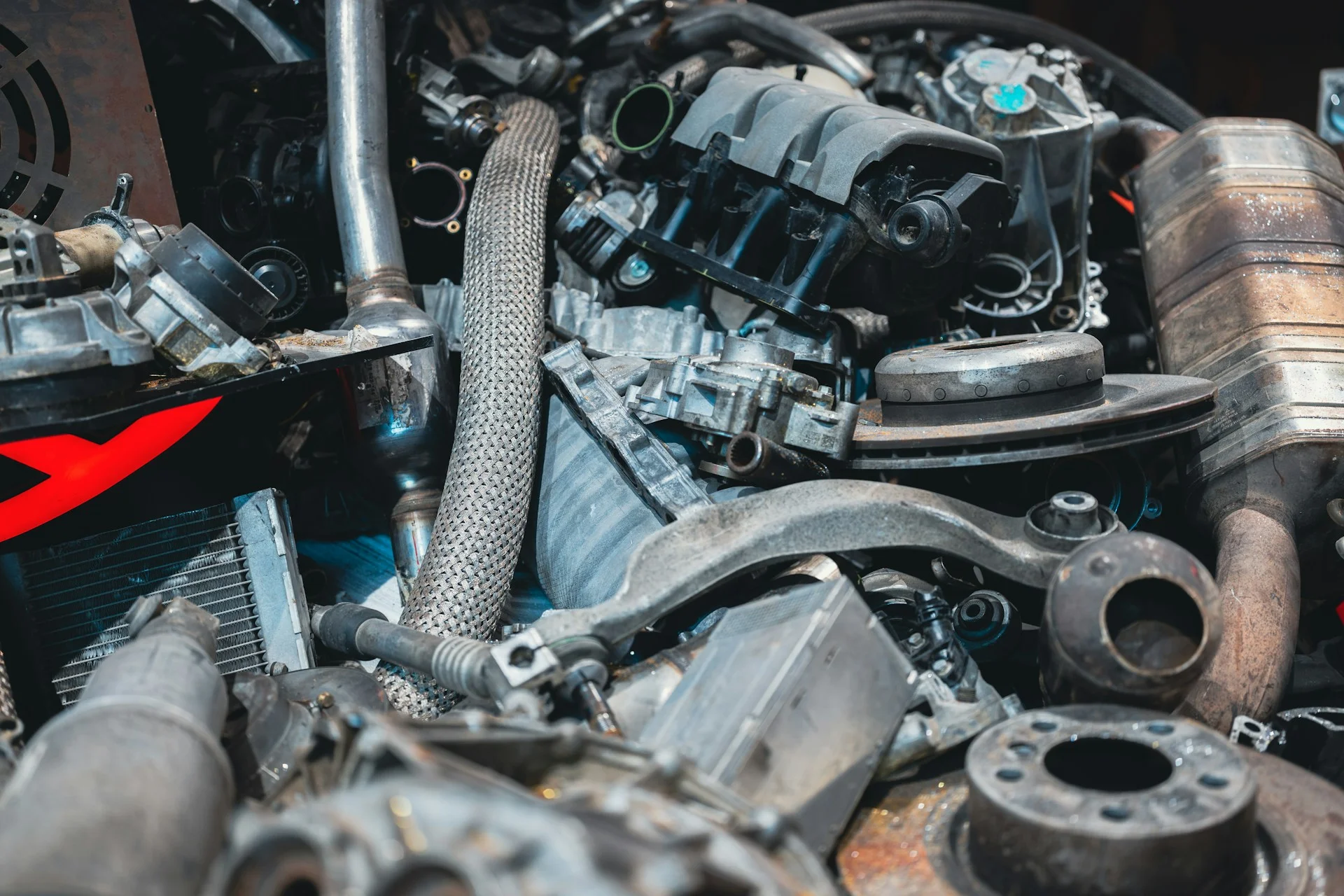
Related


Other parts of your car which need to be checked
Tires
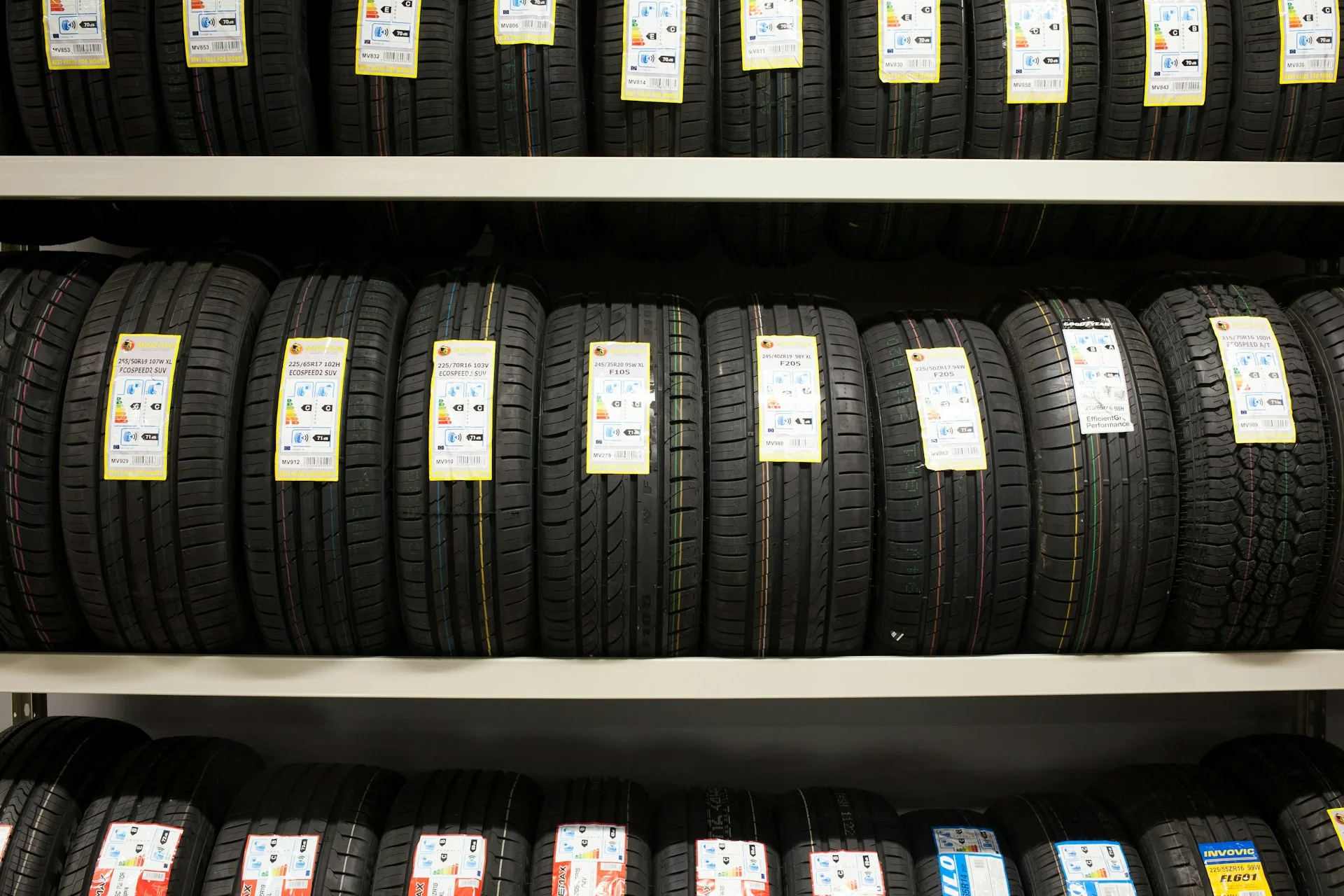
Tires don’t necessarily need to be replaced simply because your car has reached 100,000 miles, but they absolutely deserve a thorough inspection.
A vehicle will probably have gone through at least one or two sets of tires by this point, depending on how it has been driven.
Look for worn or uneven tread, cracks, bulges and sidewall damage.
AAA also recommends replacing tires based on tread depth and age, rather than mileage alone.
Battery
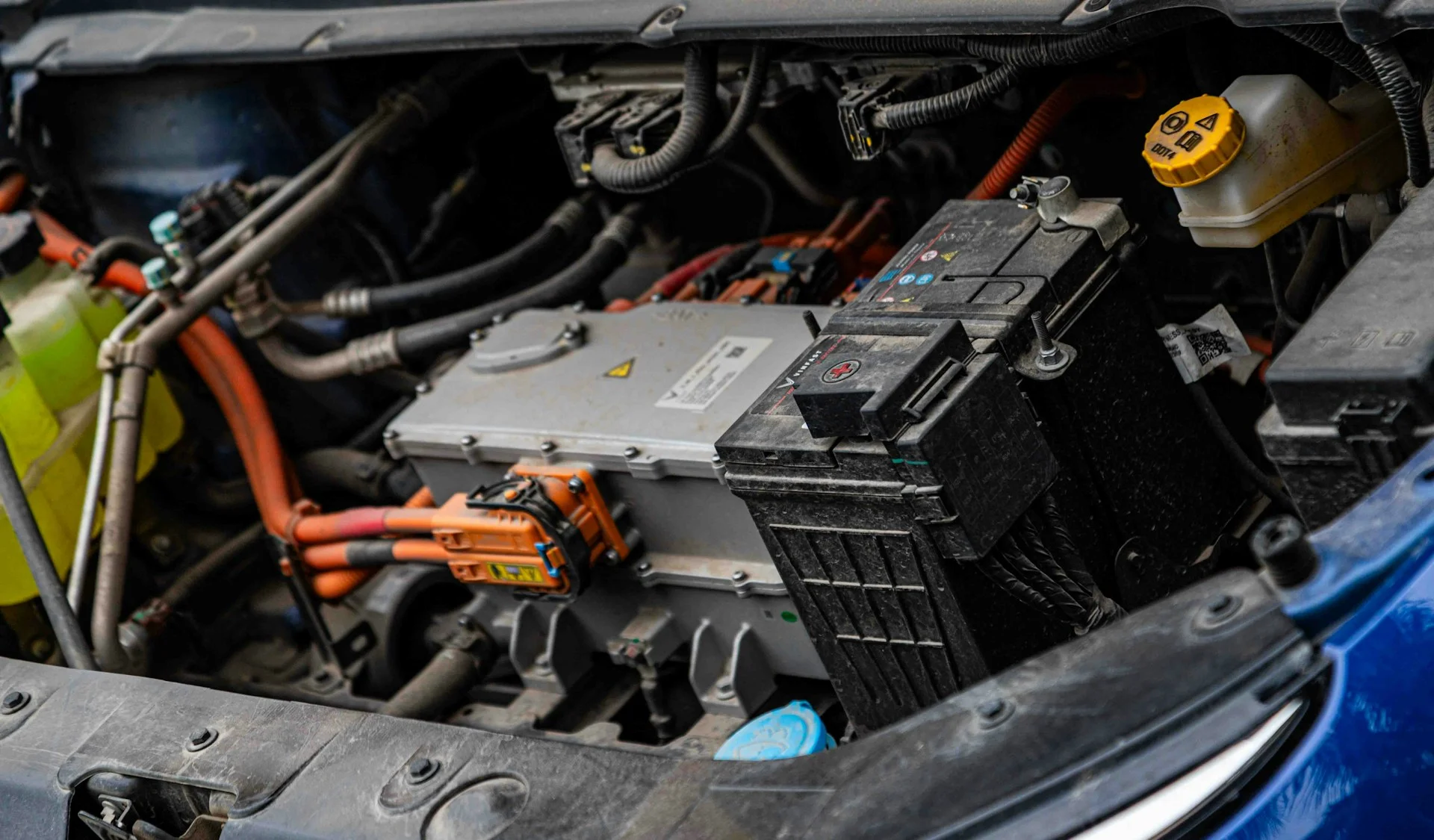
A conventional 12-volt car battery is another component where age matters more than mileage.
AAA says typical car batteries last around three to five years, so a 100,000-mile vehicle may well be on its second or third battery already.
If you’re seeing slow engine starts, dimming lights or electrical glitches, have the battery tested.
Corrosion, swelling or leaking are also signs that it needs attention.
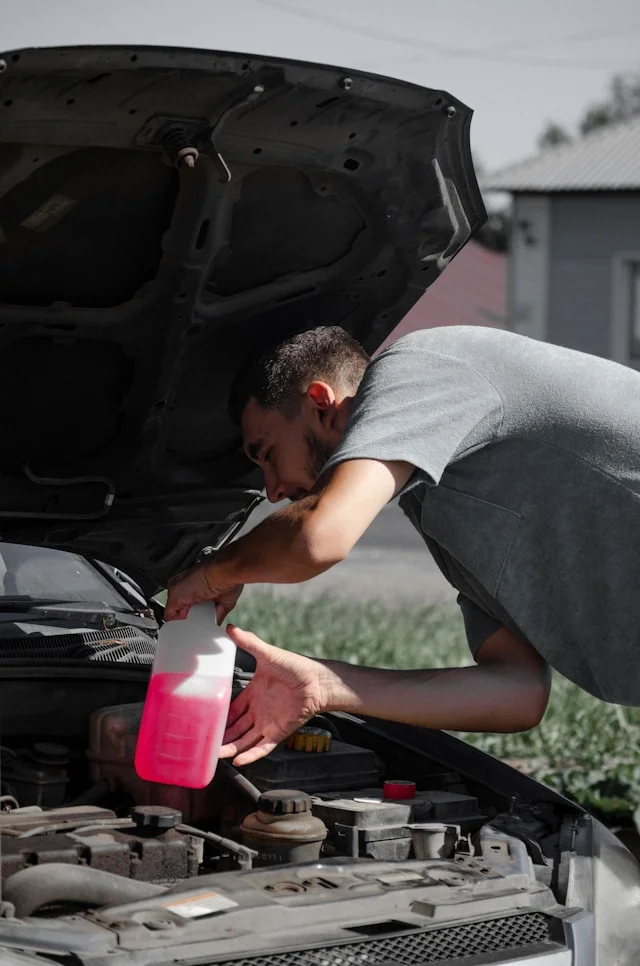
Coolant
The coolant itself should also be checked at this milestone.
Old coolant can become less effective and may contribute to corrosion or cooling-system problems.
Exactly when it needs replacing depends on the vehicle and type of coolant, but Consumer Reports list a coolant flush as a maintenance item around the 100,000 mile mark – some say even earlier.
Ultimately, reaching 100,000 miles isn’t a death sentence for a car.
In fact, Consumer Reports say properly maintained modern vehicles can last well beyond 200,000 miles.
The key is treating six figures as a maintenance checkpoint by checking your owner’s manual and dealing with worn car parts before they turn into much bigger problems.
Daisy is a technology and automotive journalist covering artificial intelligence, consumer tech, Apple news, cryptocurrency, emerging technologies, and transportation innovation. Since joining the team in 2025, she has reported on everything from AI-powered startups and major iOS updates to viral car stories and the latest developments shaping transportation and the digital economy. Drawing on her background in automotive journalism and a degree in History and Journalism from Goldsmiths, University of London, Daisy specializes in breaking down complex topics into clear, engaging reporting for a global audience. Her work spans cutting-edge technology, innovative vehicles, and the people driving change across both industries. Daisy has gained first-hand access to some of the world's most talked-about technologies and innovators, including meeting Tesla's Optimus humanoid robot during its first European appearance in London. She has also discussed the future of space exploration with an astronaut, bringing unique insights and real-world perspectives to her coverage of emerging technology.