Here's what a Rivian R2 would cost you for a month in California compared to the best-selling vehicle in America
Published on Sep 13, 2026 at 4:22 PM (UTC-4)
by Alessandro Renesis
Last updated on Sep 13, 2026 at 4:22 PM (UTC-4)
Edited by
Henry Kelsall
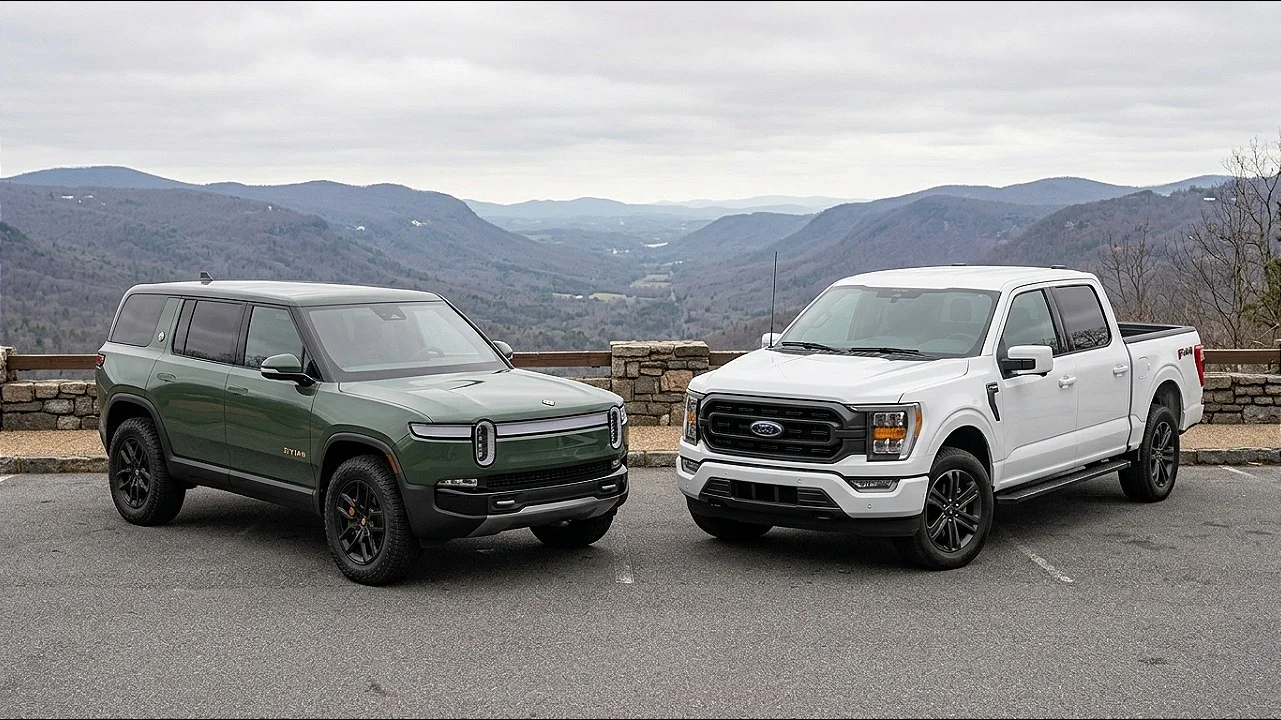

We tested the new Rivian R2 in California to see how it compares to America’s best-selling vehicle, the Ford F-150.
Since these two vehicles are so different, both in practice and in spirit, we decided to compare the one thing that all cars – literally all vehicles in the world – have in common.
Yep, we looked at vile old cash.
And it didn’t go as expected because the result is confusing.
The Rivian R2 is the new kid on the block
After introducing the R1, which is available as an SUV or a truck, Rivian unveiled the R2.
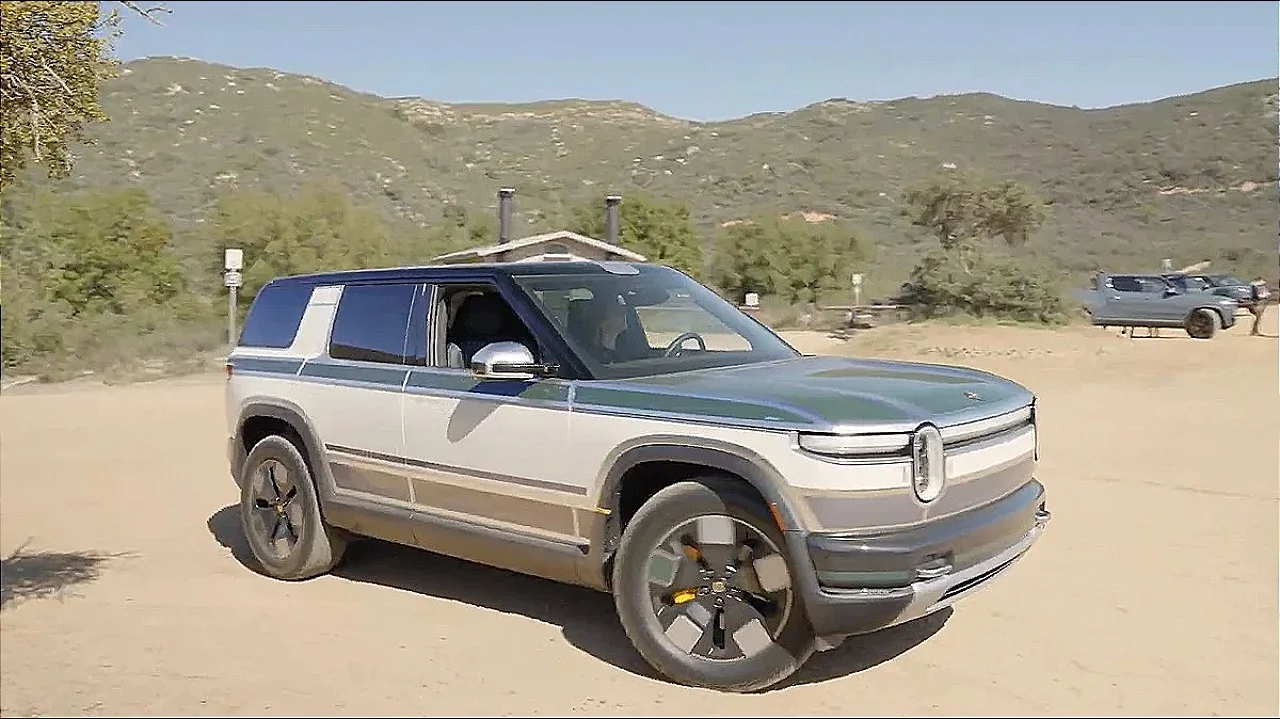
For now, the R2 is only available as an SUV, and it’s pretty fast.
The model we drove is the Rivian R2 Performance, an AWD vehicle with two motors for a total of 656 horsepower and a 0-60 time of 3.5 seconds.
That’s what you get for an MSRP just south of $59,000.
Which isn’t bad.
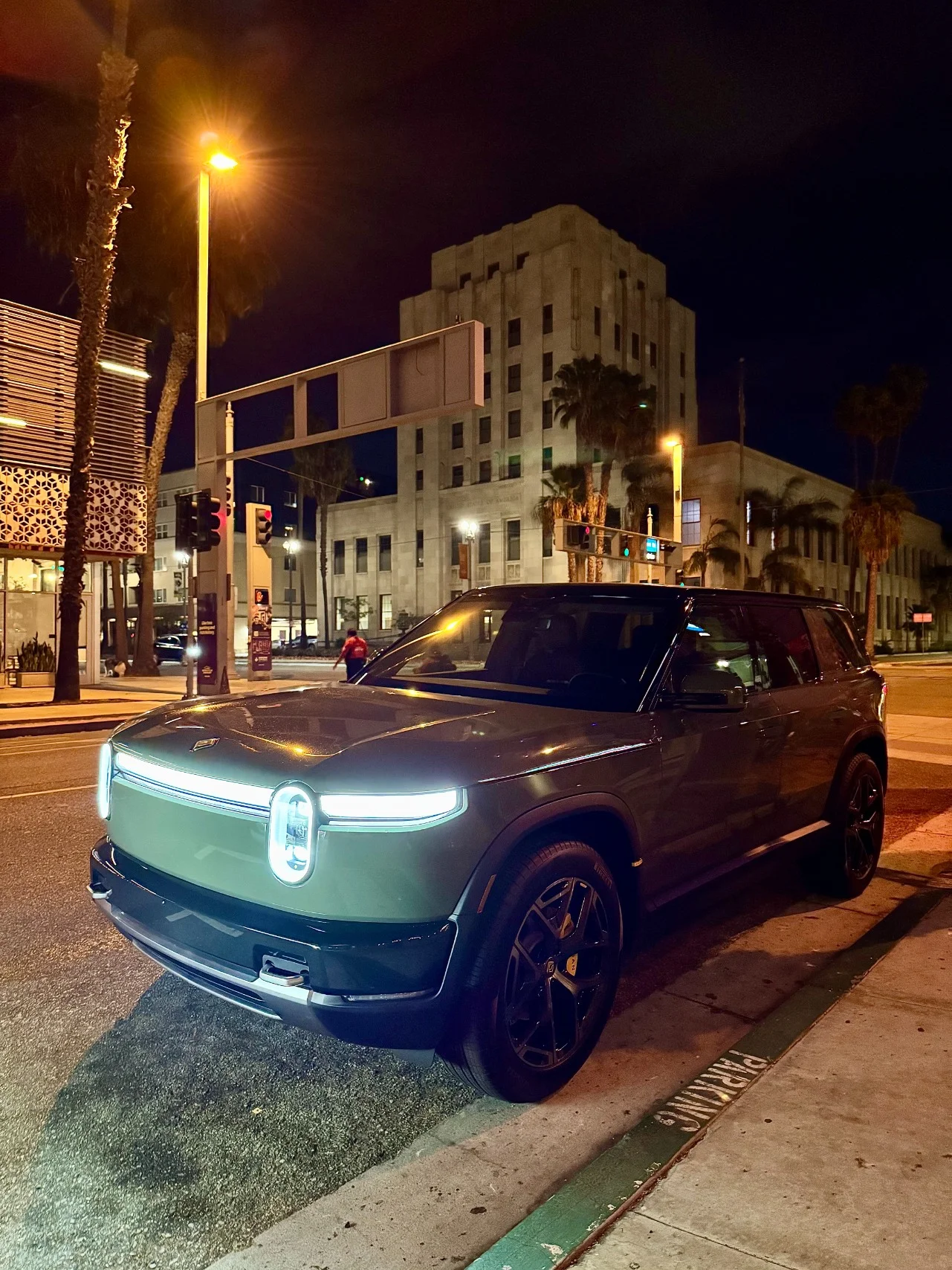
This is also the first Rivian designed as a global model.
It is already available in the US and, soon, it’ll be available in other markets as well, including Europe.
At 4.72 meters – or 186 inches – the R2 is a mid-size or full-size SUV, depending on who you ask.
The result is a vehicle that’s marginally smaller than many vehicles in America, including the F-150, of course.
This is one of the key differences, but another difference is the build quality.
The F-150 is a workhorse, and it’s quite rugged.
By contrast, the R2 feels high-end and very techy.
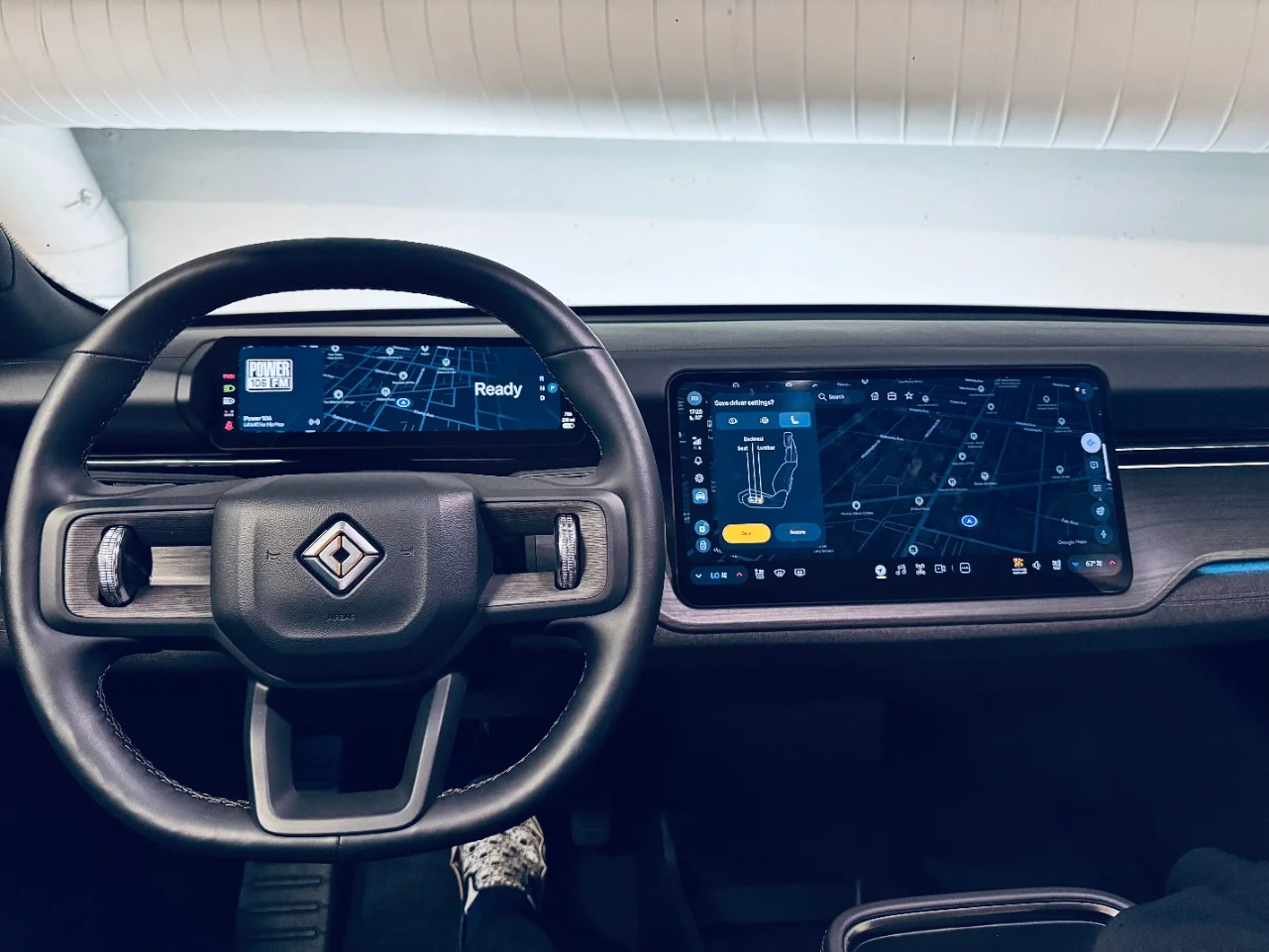
How it compares to America’s best-selling vehicle if you just look at the financial side
With most gas vehicles, including many Ford F-150 configurations, you need to be prepared for a higher MSRP.
If you’re happy with the entry-level model, the F-150 ($40,000) is cheaper than the Rivian R2, which has an MSRP of around $59,000.
However, to match or exceed the Rivian R2 Performance’s 656 horsepower, you have to step up to high-performance Ford variants.
The supercharged V8 Ford F-150 Raptor puts out 720 horsepower and starts at an MSRP of around $79,000.
The irony is that the F-150 ends up being either significantly less or more expensive than the R2 Performance.
But that’s for the MSRP, because when it comes to what you’ll actually spend maintaining and running these vehicles, the gap is wider.
But we’ll talk about that later, because first we need to talk about size.
Practicality depends on what you need this vehicle for
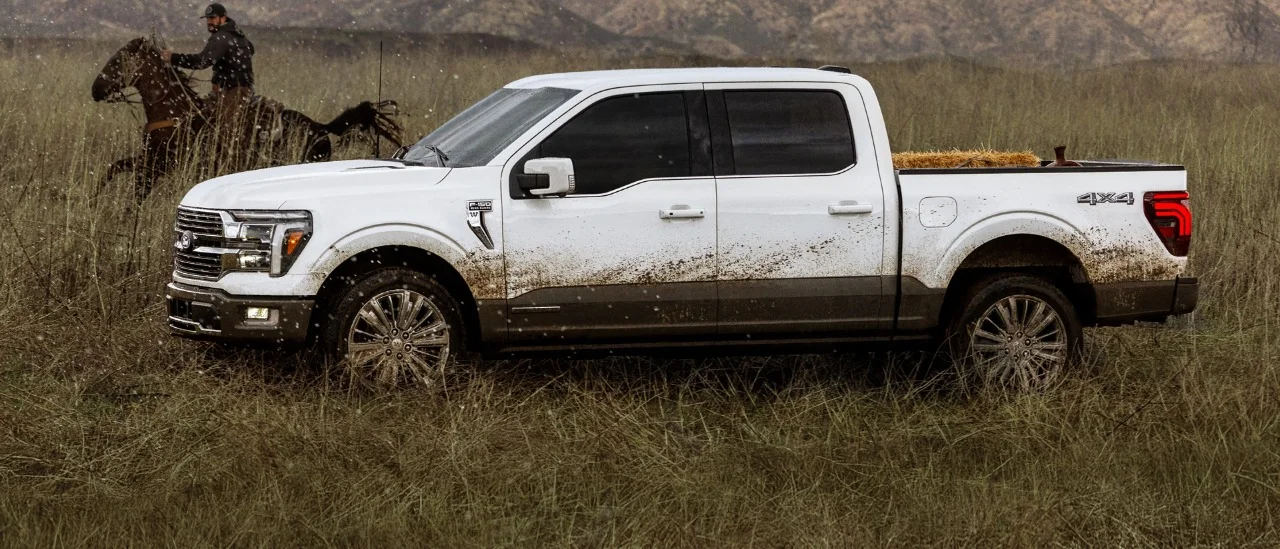
If you need to haul wood planks or a small motorcycle around, the F-150 is your go-to vehicle.
However, for everything else, the R2 is probably a bit more versatile because it’s smaller and easier to maneuver without being puny.
The Rivian R2, the R1S’s little brother, is a hair under 186 inches long – or 4.72 meters in ‘European’ terms.
This makes it significantly smaller than the smallest F-150 (SuperCrew, Short Bed, 19.4 feet/5.89 meters) but still large enough to have room for both people and stuff.
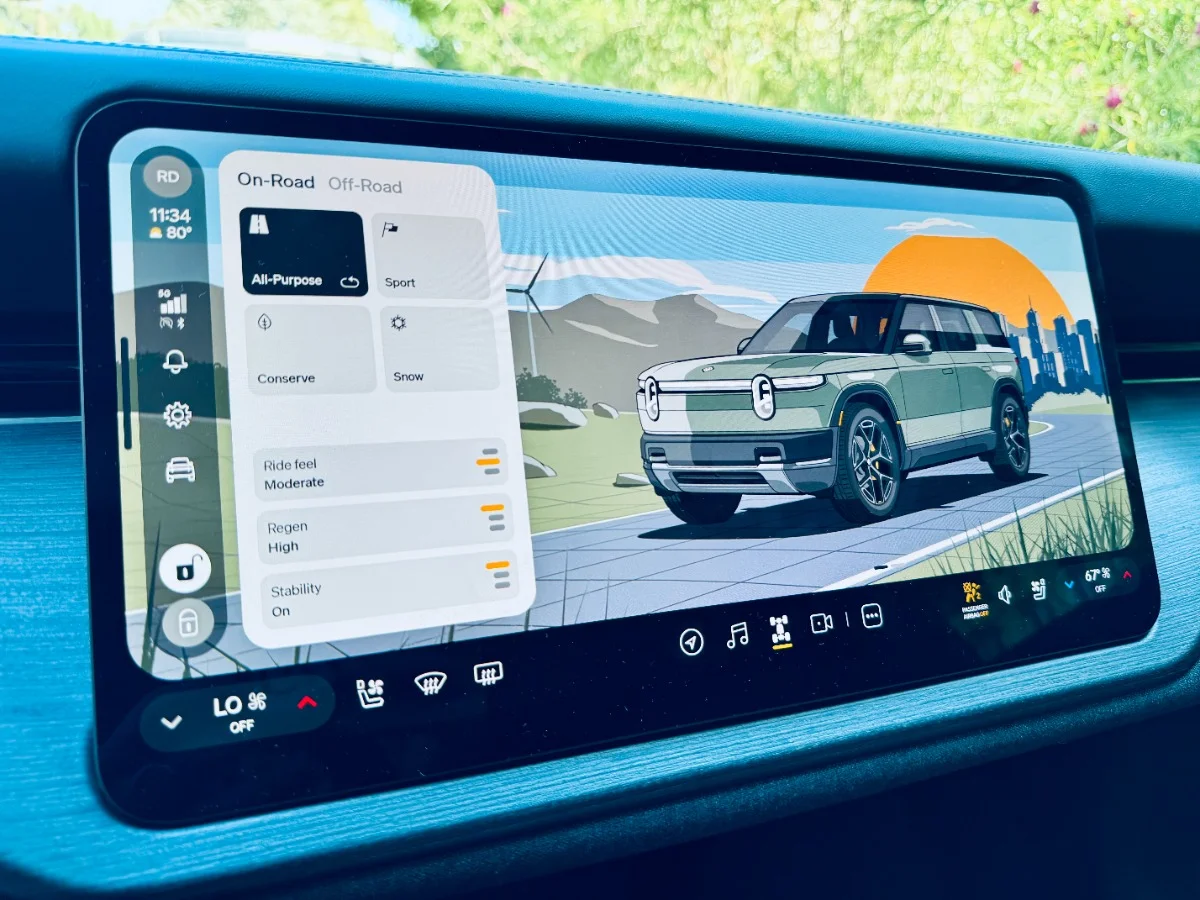
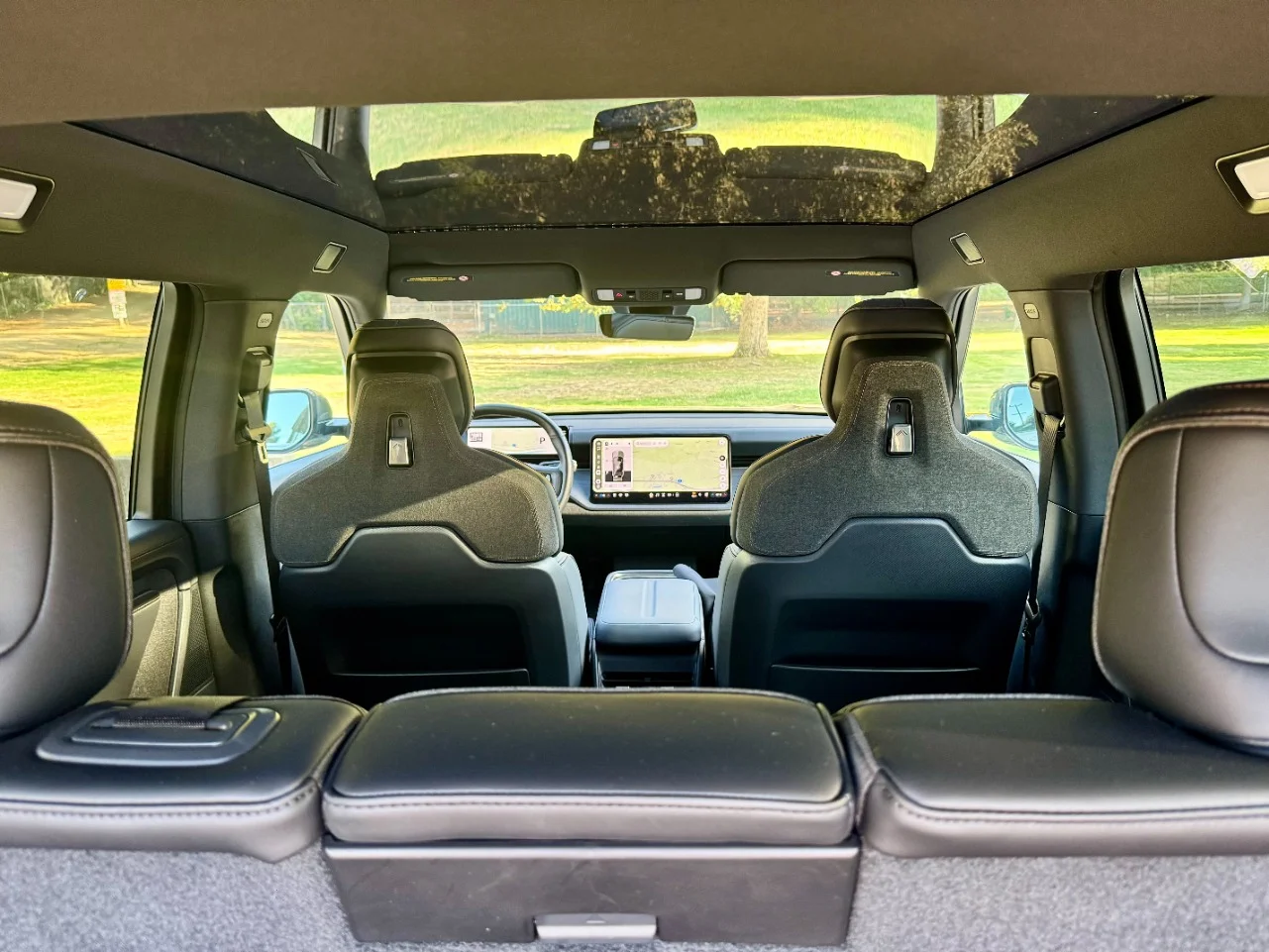
The trunk is quite spacious, and there’s a hidden compartment (where the spare wheel usually is) that’s large enough for a mid-size carry-on or maybe a large duffel bag or two.
Inside, you still get plenty of space for four or five people.
The Rivian R2 is cheaper than a Ford F-150 if you can charge at home
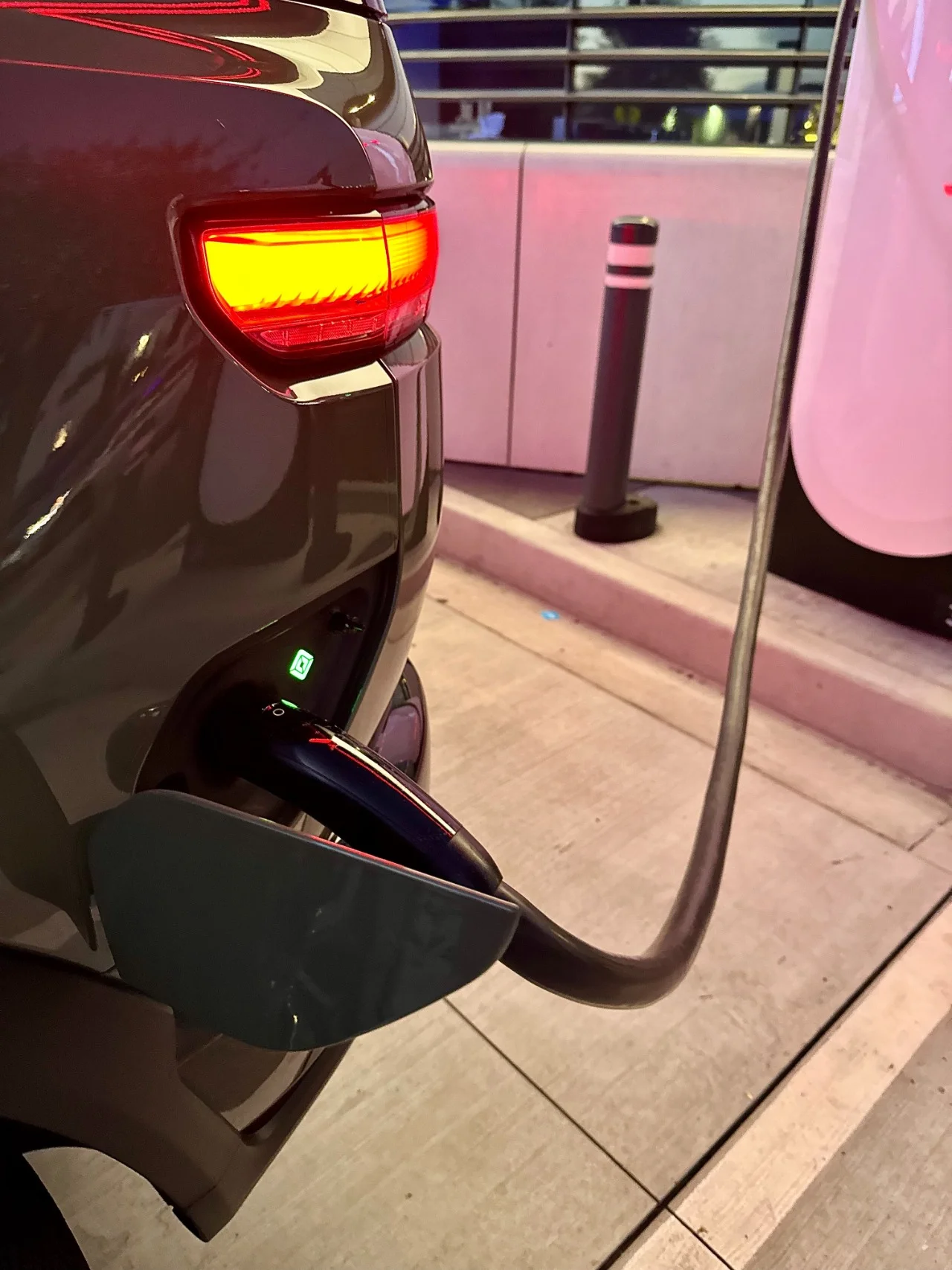
We tested the vehicle for around 250 miles over seven days, which works out to around 1,000 miles a month.
By coincidence (not really, actually, we did that on purpose), that works out to around 12,000 per year, which is very close to the exact average mileage in California.
If you’re okay with the MSRP, once the vehicle is yours, the R2 will be cheaper to run regardless of which F-150 model you pick.
EVs don’t need a lot of maintenance because there are fewer moving parts, and even at California’s high residential electricity rates, charging at home makes the R2 significantly cheaper than a standard gas F-150.
At this rate, a Rivian R2 will cost you around $110–$120 per month in electricity, which means you are effectively paying the equivalent of roughly $3.50 per gallon of gas.
The only universal catch
There’s a universal catch that, with very few exceptions, will have a significant impact on your EV experience.
If you can charge at home, then you’re in a great position.
If you can’t, then whether an EV is cheaper than a gas car remains to be seen.
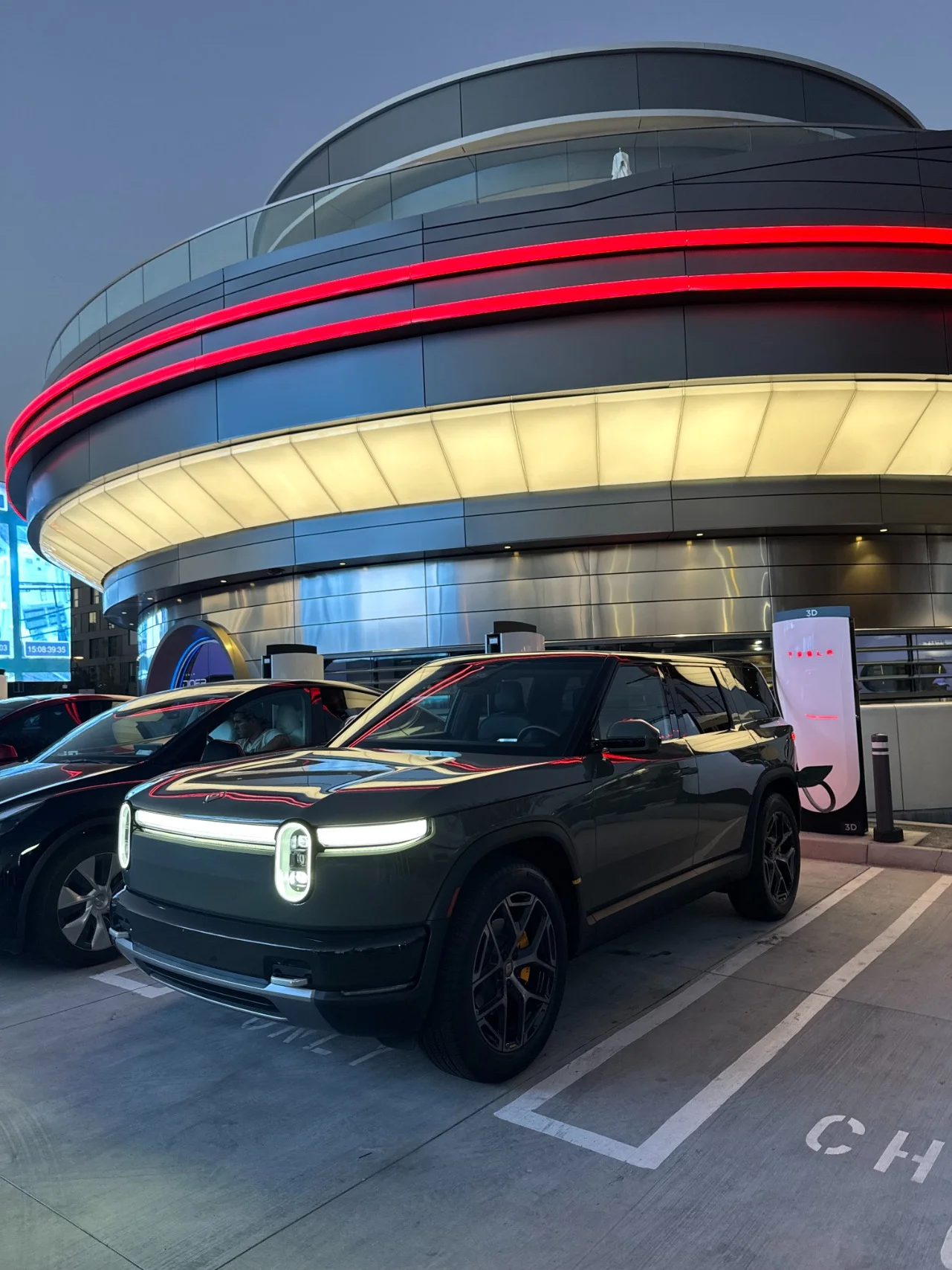
Depending on a few factors – US state, whether you’re charging during off-peak hours, whether you can use Tesla Superchargers, and so on – relying on public chargers alone can end up canceling out the savings.
In Los Angeles, where we tested the car, we used Tesla Diner Superchargers, and the rate was $0.85 per kWh, which wasn’t cheap.
So that’s something to bear in mind.
Vehicle as tested
Rivian R2 Performance AWD Dual Motor
Powertrain: 656 horsepower and 609 lb-ft of torque
Battery pack and range: 88kWh battery pack, 330-mile range (EPA)
MSRP: $57,990
Ford F-150 XL Regular Cab (entry-level model)
Powertrain: 2.7L V6 EcoBoost engine delivering 325 horsepower
MSRP: $39,330
Ford F-150 Raptor R (high-performance model)
Powertrain: Supercharged 5.2L V8 generating 720 horsepower
MSRP: $114,220
Alessandro is an automotive journalist with 10 years of experience covering supercars, automotive history, emerging vehicle technology, and luxury transportation. He wrote the first article published on SupercarBlondie.com when the website launched in 2022 and has since built a reputation for insightful reporting across the automotive and transportation industries. His expertise is grounded in hands-on experience. Alessandro has driven every Tesla model ever produced, from the original Roadster to the Cybertruck, and regularly covers the latest developments in electric vehicles and automotive innovation. His passion for transportation extends beyond cars, he has even flown a Boeing 787 Dreamliner simulator in Addis Ababa, Ethiopia. His reporting spans everything from classic American muscle cars and rare automotive discoveries to luxury yachts, private aircraft, high-end watches, and cutting-edge vehicle technology. Known for his deep knowledge of automotive history and ability to uncover the stories behind iconic vehicles, Alessandro brings readers a blend of historical context, technical expertise, and first-hand experience.