Rolls-Royce Phantom's floating wheel center caps leave people stunned as they appear to defy physics
Published on Dec 03, 2025 at 11:19 AM (UTC+4)
by Jason Fan
Last updated on Dec 03, 2025 at 9:35 PM (UTC+4)
Edited by
Mason Jones

The Rolls-Royce Phantom has once again captured the internet’s attention, this time thanks to its mesmerizing floating wheel center caps.
A short clip showing the badges calmly staying upright while the wheels spin has left many people wondering whether it’s physics, witchcraft, or a bit of both.
The effect is hypnotic enough that even non–car enthusiasts stop scrolling to watch it again.
And naturally, it raises the question: how on Earth do these things work?
SBX CARS – View live supercar auctions powered by Supercar Blondie
It’s all about looking perfect
The truth is that floating center caps aren’t new at all.
The carmaker introduced them back in 2003 with the launch of the Rolls-Royce Phantom VII, making it the first production car to get this signature detail.
The idea was simple: the iconic double-R emblem should never look distorted, upside-down, or unrefined, even while the wheel is spinning at highway speeds.
In true Rolls-Royce fashion, a tiny bit of engineering finesse turned a small aesthetic choice into a signature flex.
Mechanically, the floating wheel center caps use a self-righting weight system, similar in concept to a weighted punching bag or a toy that always sits upright.
Inside each cap is a small mass positioned lower than the centerline of rotation.
As the wheel spins, gravity keeps the heavier part pointed downward, preventing the cap from rotating with the wheel.
On smooth roads, the effect is near-perfect, making the logo appear eerily fixed in place even while the car cruises along.
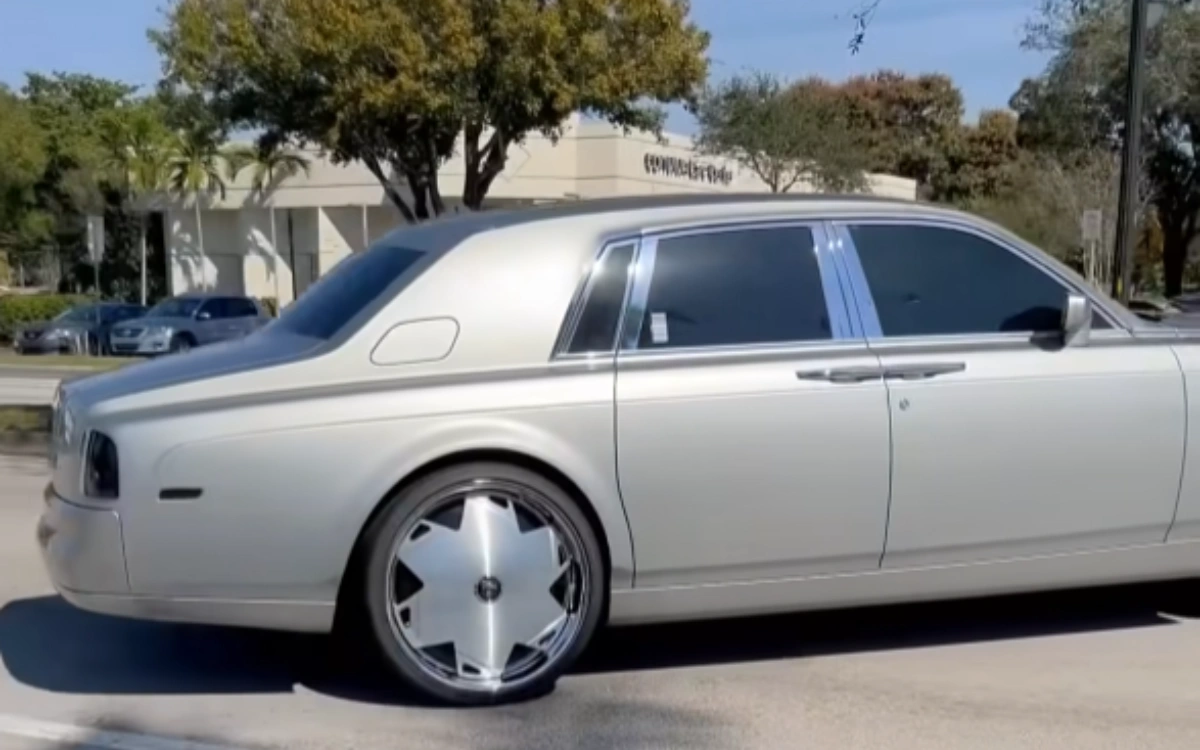
Drivers only notice movement if the car hits a pothole or sharp bump.
Otherwise, the logo floats serenely.
Floating wheel center caps aren’t unique to Rolls-Royce
While the Rolls-Royce Phantom popularized the feature, the concept itself predates the car.
Luxury aftermarket companies had toyed with weighted wheel badges in the ’90s, though none became iconic the way Rolls-Royce’s version did.
Today, the design has spread well beyond Rolls-Royce.
Bentley, Mercedes-Maybach, and even BMW (which owns Rolls-Royce) offer versions of floating or self-leveling wheel caps.
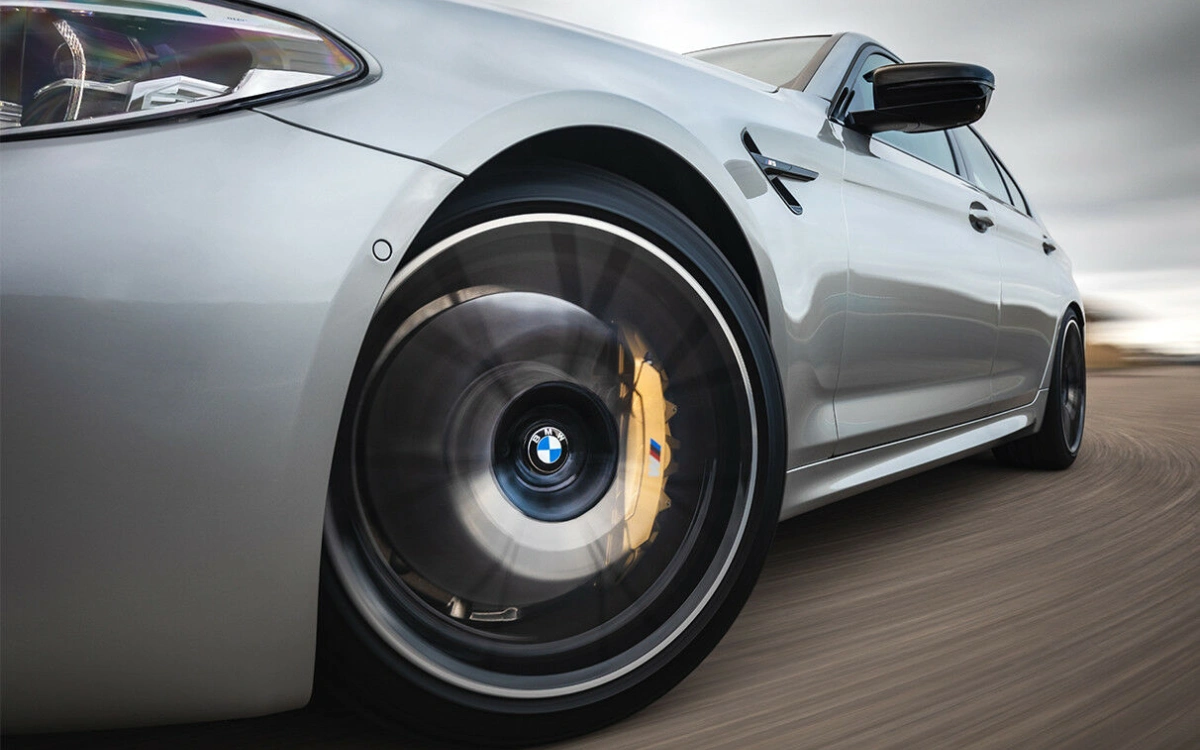
There’s also an enthusiastic aftermarket scene, producing self-righting emblems for everything from Toyota Supras to Ford Raptors, though results vary wildly depending on wheel size and quality.
At the end of the day, you’re probably going to get the most consistent results from Rolls-Royce.
After all, what other company pays such close attention to detail that they will be willing to pay someone a six-figure salary to hand-paint coachlines on their cars?
DISCOVER SBX CARS: The global premium car auction platform powered by Supercar Blondie