There are scientific reasons why people struggle to drive in 20mph zones without breaking the speed limit
Published on Dec 14, 2025 at 7:21 PM (UTC+4)
by Jason Fan
Last updated on Dec 12, 2025 at 2:51 PM (UTC+4)
Edited by
Kate Bain

If you’ve ever wondered why breaking the speed limit in a 20mph zone feels absurdly easy, you’re not alone.
A recent BBC article revealed that millions of drivers across the UK find it really difficult to simply drive slowly.
In fact, a speeding awareness course in London made this painfully clear for one motorist, who learned that almost everyone in the room had been caught driving at around 26mph.
While this isn’t quite Fast & Furious territory, it’s clear that the public is collectively failing to adapt to a new era of slower streets. But, according to science, there’s a reason why.
SBX CARS – View live supercar auctions powered by Supercar Blondie
Most drivers admit to breaking the speed limit
The truth is, urban driving culture is changing faster than drivers’ habits can keep up.
The BBC article used the UK as an example.
Over half of London’s roads are now capped at 20mph, with cities like Leeds, Cardiff, and countless others slowly embracing the low-speed revolution.
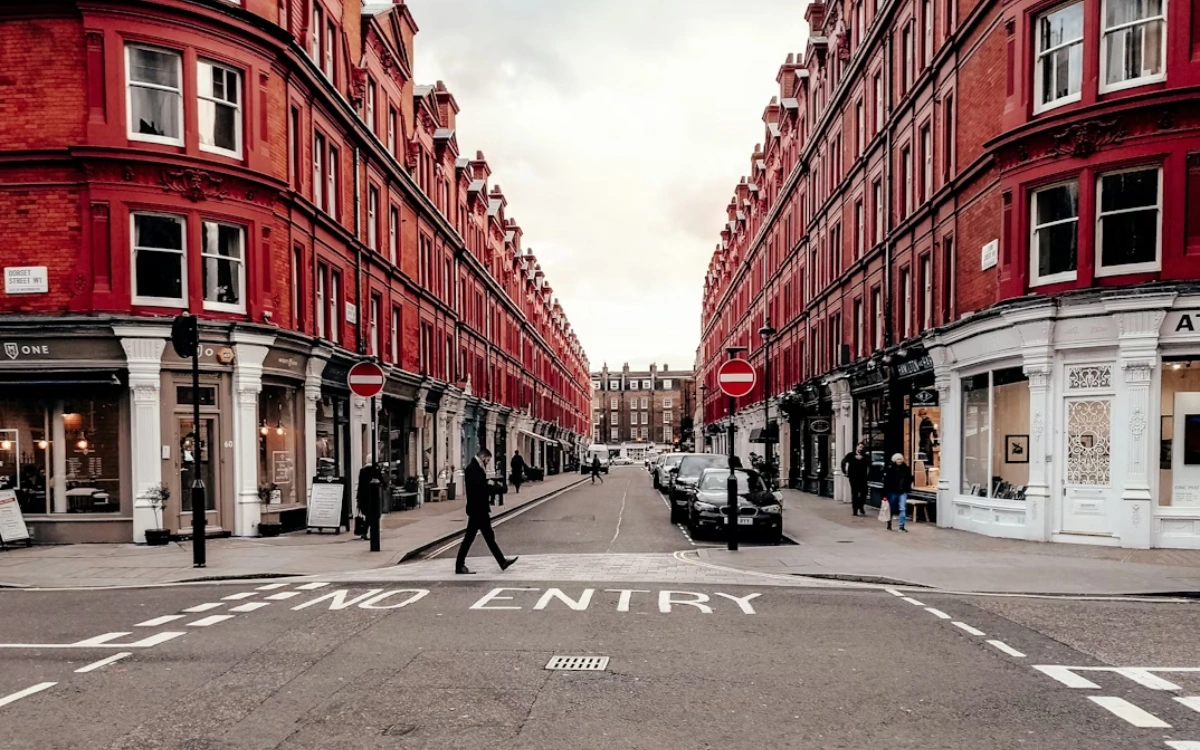
This shift has been happening since the 1990s, and is backed by road safety campaigns, urban planners, and academic studies.
However, drivers still overwhelmingly struggle to stick to 20mph.
Department for Transport data shows that a staggering 76 percent of motorists exceed the limit on 20mph roads, with the average free-flow speed hovering around 24mph.
So why does 20mph feel so painfully slow?
Experts say drivers naturally seek the ‘flow state’: a relaxed but focused mental zone where a task is stimulating enough to be engaging, but not stressful.
At 20mph, many drivers feel under-challenged, almost bored, and subconsciously speed up to make driving feel ‘right’.
Add in quiet cabins, silky suspensions, and modern noise-canceling tech, and drivers lose sensory cues that would normally alert them to their speed.
Governments are cracking down on speeding drivers
Habit plays a role too.
Anyone who’s come off a motorway knows the phenomenon: after cruising at 70mph, even 40mph can feel like crawling.
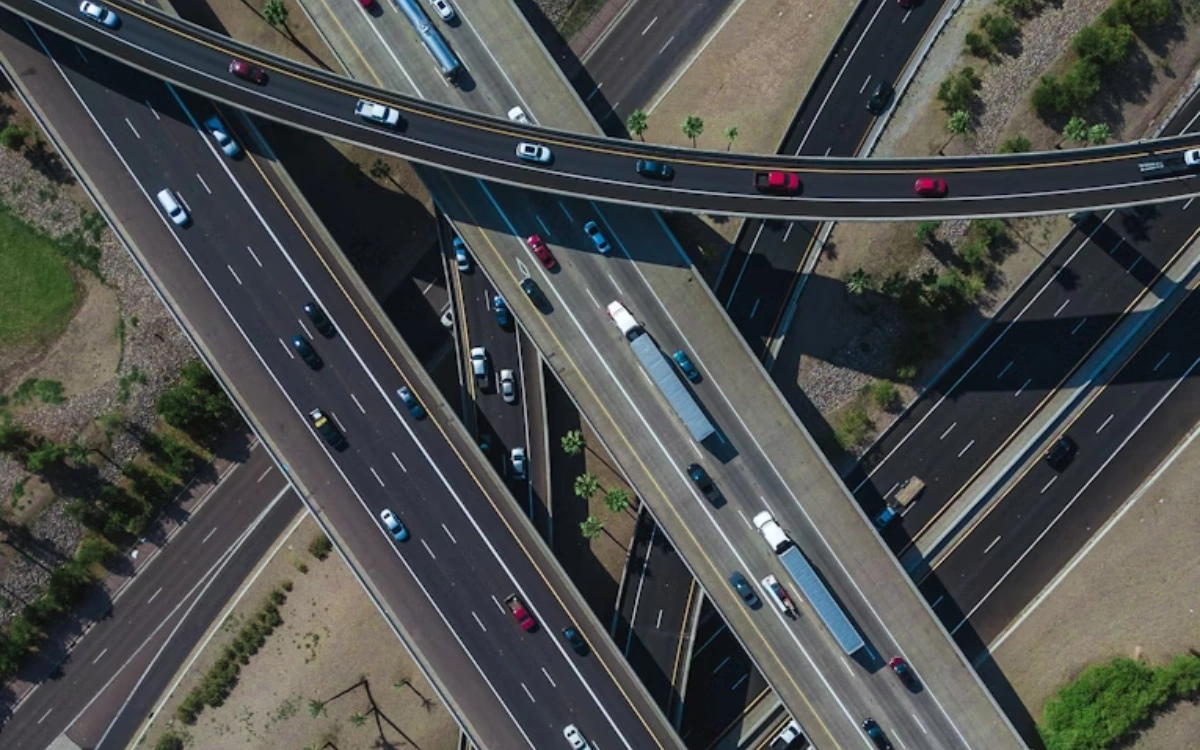
If you’re used to driving 30mph or faster, 20mph feels unnaturally sluggish until your brain recalibrates.
But why are modern speed limits so strict?
Well, for one, slower speeds are undeniably safer.
Studies show significant reductions in crashes, injuries, and fatalities when 20mph limits are introduced.
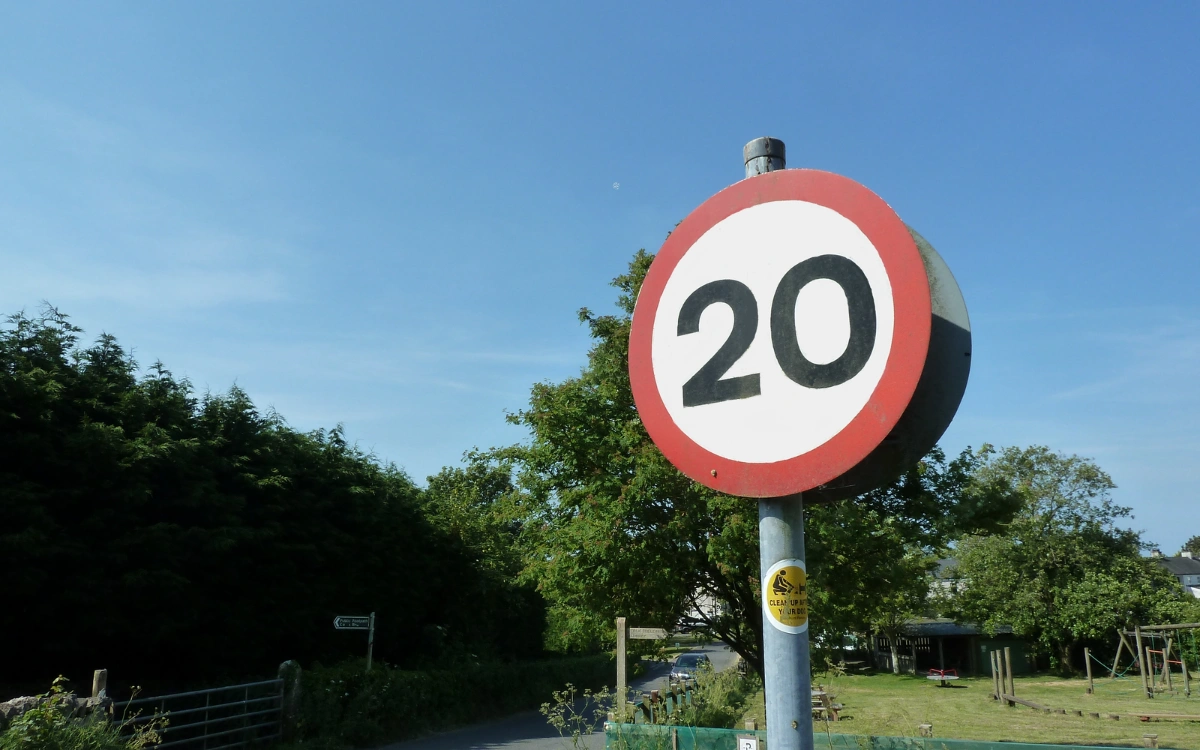
Campaigners say these limits make roads feel more human and less intimidating, especially for children walking or cycling to school.
While it seems like drivers will never fully adapt, experts are more hopeful.
Modern cars now offer Intelligent Speed Assistance (those annoying but useful beeping reminders), which helps to stay within the limit.
Governments are also cracking down on those breaking the speed limit.
A new US bill could see speed limiters added to cars, while China is planning to limit how fast a car can accelerate at startup.
Between technology and punitive punishments, perhaps driving slowly might actually stick.
DISCOVER SBX CARS: The global premium car auction platform powered by Supercar Blondie