Scientist explains what would happen if a baby was born in space and the reality is eye-opening
Published on Feb 13, 2026 at 11:58 AM (UTC+4)
by Jason Fan
Last updated on Feb 13, 2026 at 12:59 PM (UTC+4)
Edited by
Kate Bain
Can a baby be born in space, and what would cosmic radiation actually do to a developing child?
As humanity edges closer to missions to Mars, scientists are asking some surprisingly intimate questions about life beyond Earth.
A round trip to the Red Planet would take long enough for conception, pregnancy and even birth to happen mid-journey.
While the idea sounds a lot like science fiction, the biological reality is far more complicated.
DISCOVER SBX CARS – The global premium auction platform powered by Supercar Blondie
Can a baby be born in space? Yes, but…
On Earth, we have decades of medical research that help us estimate the odds of success at every stage.
But in deep space, those odds may shift in ways we’re only just beginning to understand.
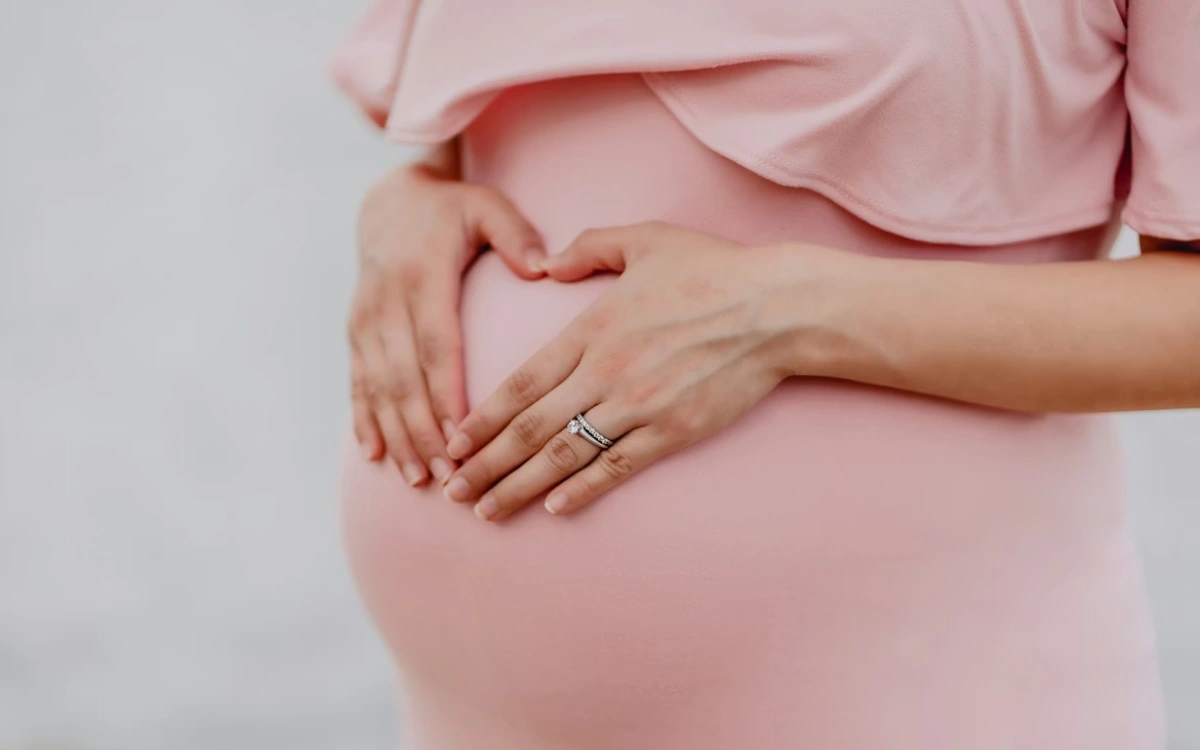
To answer whether it’s technically possible for a baby to be born in space, University of Leeds Professor Arun Vivian Holden said that each step, from fertilization to organ development, has to happen in the right order.
Let’s start with microgravity.
In orbit, astronauts experience near-weightlessness, which would certainly make conception more awkward.
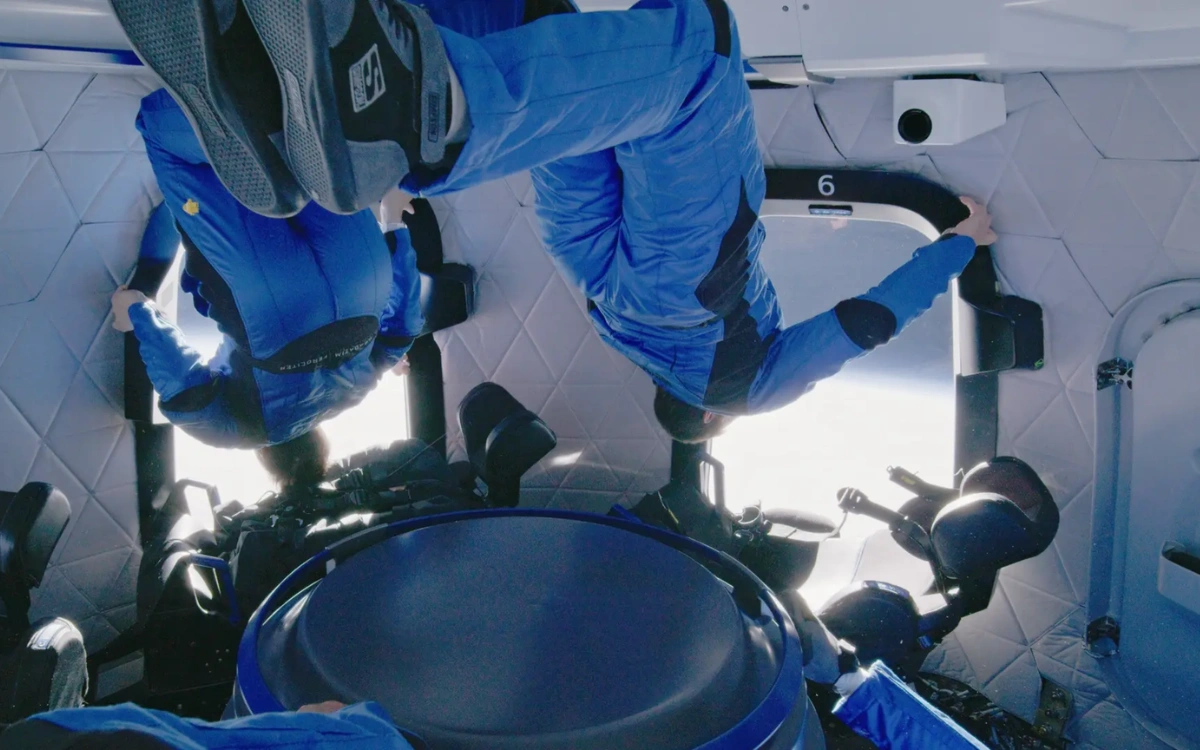
Giving birth is already no easy task, and now you have to consider floating partners, drifting limbs, and no solid ground to brace against.
Still, scientists believe that once an embryo successfully implants in the uterus, microgravity alone might not dramatically increase the risk of miscarriage.
After all, a foetus already floats in amniotic fluid, cushioned in a womb that acts a bit like a natural zero-gravity chamber.
The bigger problem isn’t floating, but cosmic radiation.
Here on Earth, we’re shielded by our thick atmosphere and magnetic field.
In deep space, that protection disappears.
Cosmic rays, which are high-energy atomic nuclei traveling close to the speed of light, can slam into human tissue and damage cells.
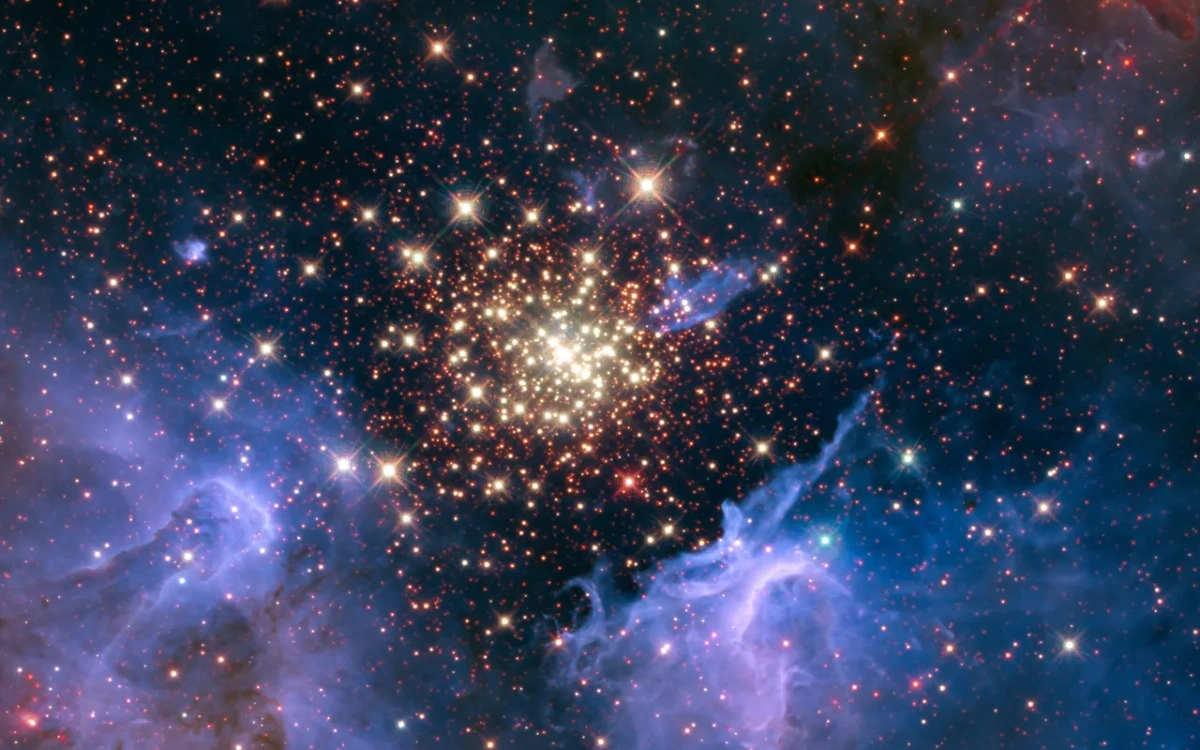
If one strikes DNA, it can cause mutations.
In early pregnancy, when embryonic cells are dividing rapidly, a single direct hit could potentially end development altogether.
The odds of that happening are low, but not zero.
And as pregnancy progresses, the growing uterus presents a larger target.
Radiation exposure could increase the risk of premature labour or long-term developmental problems.
Click the star icon next to supercarblondie.com in Google Search to stay ahead of the curve on the latest and greatest supercars, hypercars, and ground-breaking technology
There are plenty of long-term considerations to factor in
Then comes long-term development.
Babies rely on gravity to learn how to hold up their heads, sit, crawl and walk.
Without a clear sense of ‘up’ and ‘down,’ those milestones could unfold very differently.
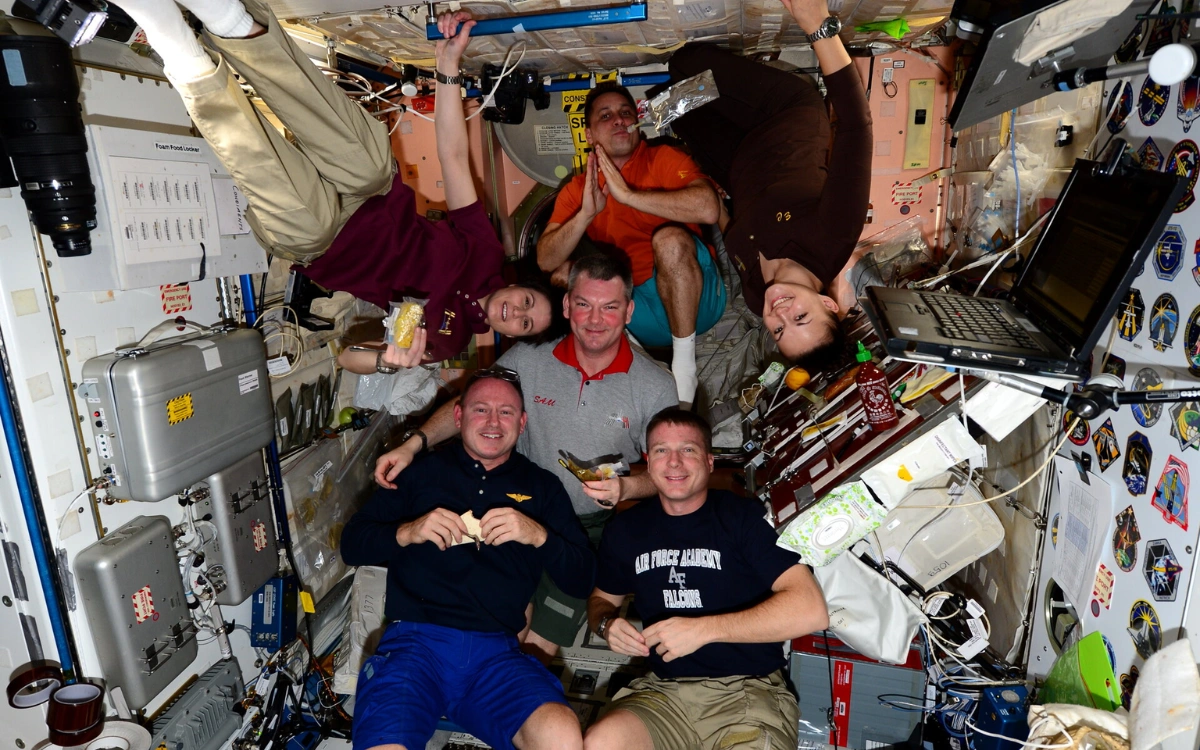
Meanwhile, continued radiation exposure could affect brain development, potentially influencing memory, cognition and behaviour.
So, can a baby be born in space?
In theory, yes.
But until we can shield against radiation and fully understand how microgravity shapes development, it remains a bold and risky experiment humanity isn’t quite ready to try.
DISCOVER SBX CARS: The global premium car auction platform powered by Supercar Blondie