China is set to get solar-powered cars with new glass-based technology but there's some important caveats
Published on Sep 06, 2026 at 10:16 PM (UTC-4)
by Daisy Edwards
Last updated on Sep 06, 2026 at 10:16 PM (UTC-4)
Edited by
Henry Kelsall
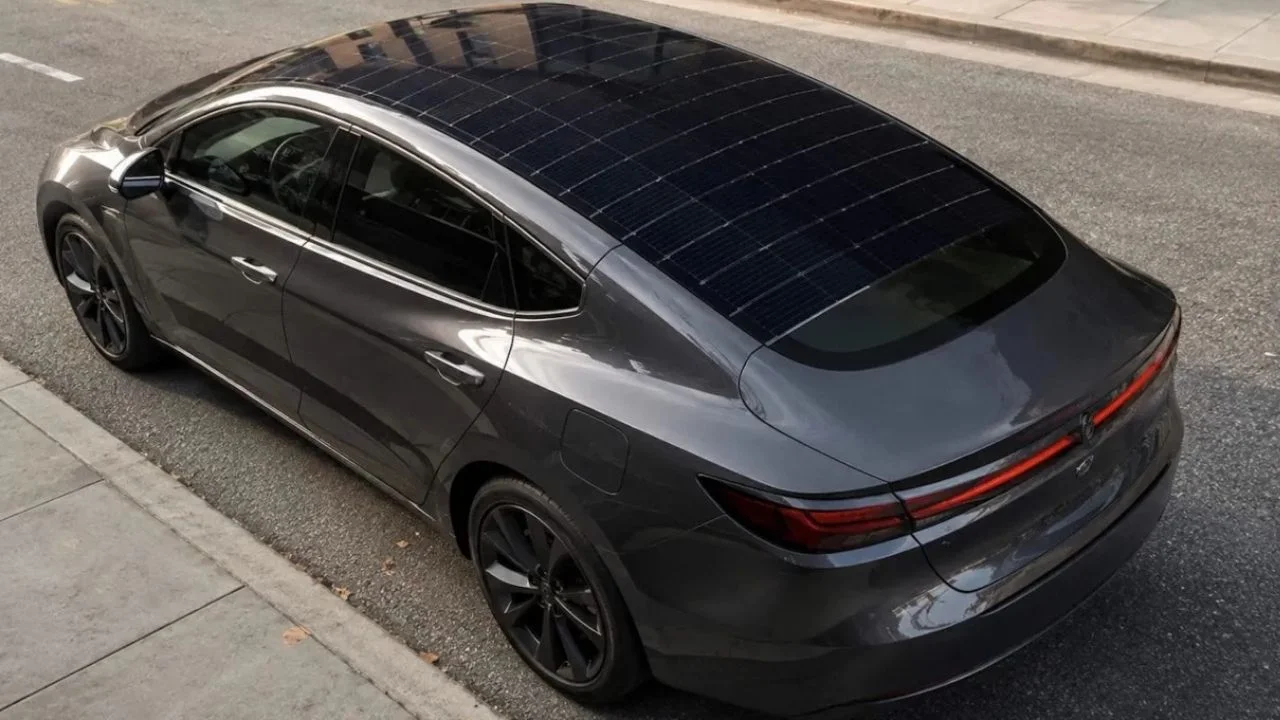

China is set to get solar-powered cars with new glass-based technology, but there’s a catch.
Fuyao Glass, one of the world’s biggest automotive glass suppliers, has developed translucent solar glass that can turn a car’s roof into a small power generator.
It sounds like the beginning of the solar-powered cars revolution, but don’t expect to stop plugging in your EV just yet.
There are some pretty important caveats to this clever new technology.
New glass technology could mean we get solar-powered cars
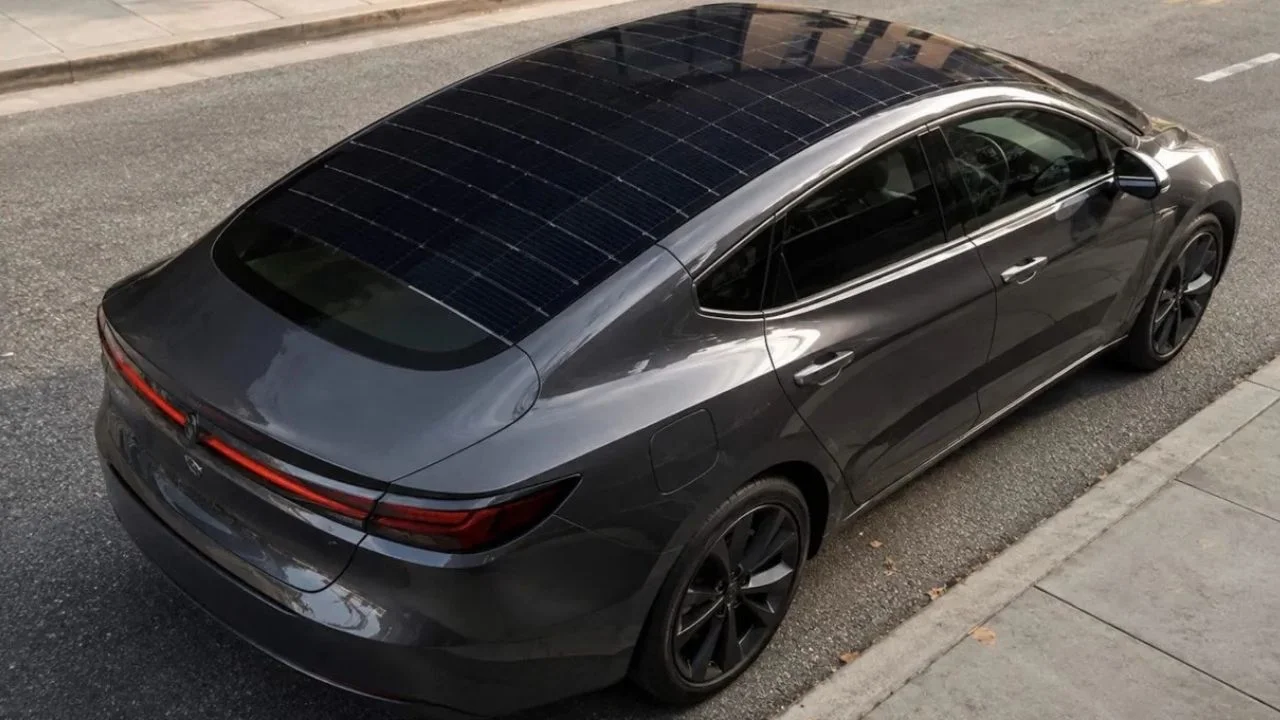
Fuyao’s new automotive solar glass is designed to do something that sounds almost futuristic – generate electricity while still functioning as a glass roof on your car.
The company says the glass on the roof can produce around 150 watts of power per square meter, which is fairly impressive for something that is also designed to let light through, although conventional modern solar panels can produce around 200 watts per square meter under suitable conditions.
The trick is that Fuyao’s glass is translucent rather than completely opaque.
Some sunlight therefore passes through the glass instead of being converted into electricity, meaning it won’t be as efficient as a traditional solar panel.
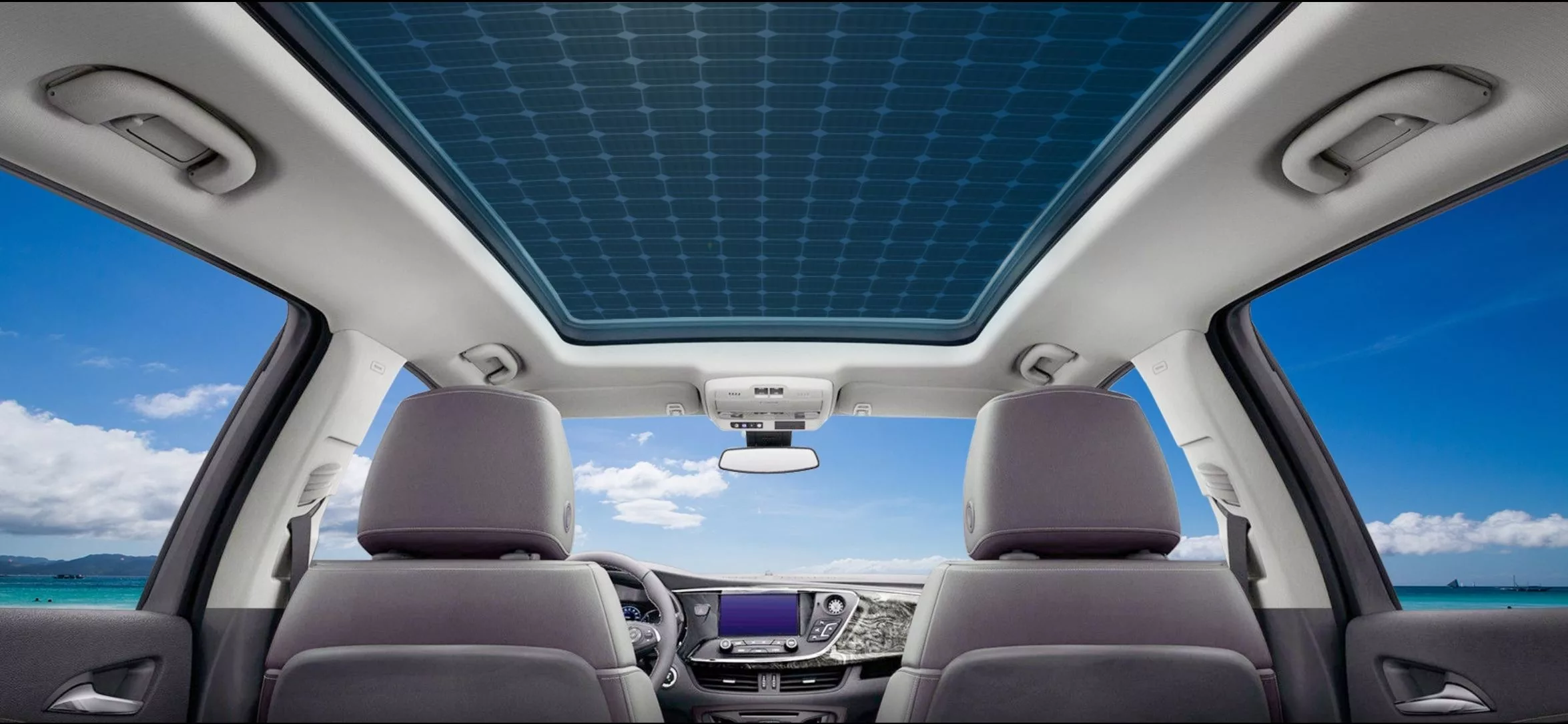
A panoramic glass roof already has the job of managing the amount of sunlight entering the cabin, so incorporating solar cells into the glass could allow automakers to add another function without simply covering the roof in conventional solar panels.
Fuyao’s demonstrations show what the technology could look like in practice, with trees and the outside world still visible through the roof while the pattern of solar cells can be seen from inside the vehicle.
And this isn’t the first time a major automaker has tried something similar.
Back in 2019, Hyundai introduced a version of its Sonata Hybrid with a solar roof.
The South Korean automaker said the system could provide up to 60% of the battery’s charging power and, with around six hours of sunlight per day, could add approximately 1,300 km (800 miles) of driving range over a year.
That sounds impressive until you break it down: the 800 miles was an annual figure, rather than 800 miles of range being generated every time the car was parked in the sunshine.
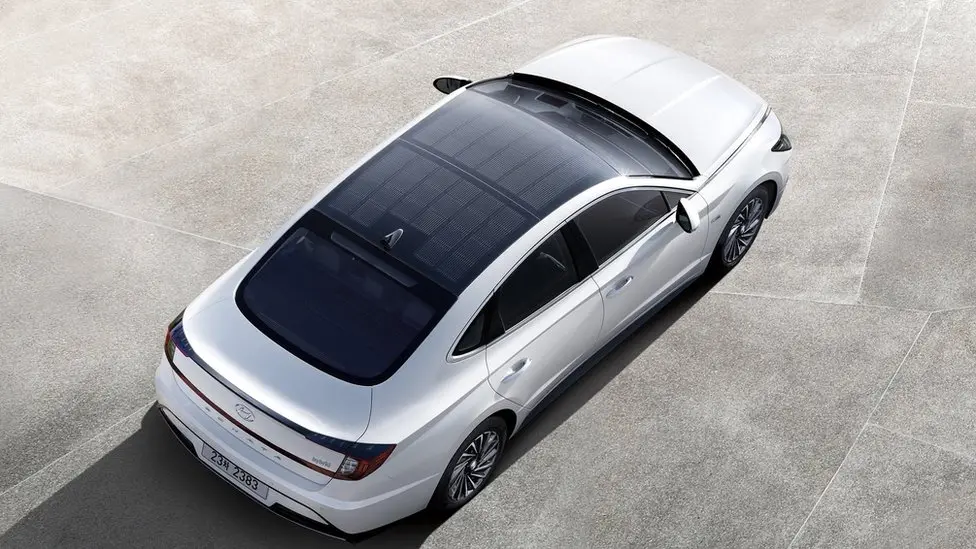
Hyundai’s solar roof was designed to supplement the car’s existing powertrain, helping improve fuel economy and reduce emissions rather than allowing the Sonata to run purely on sunlight.
Interestingly, Hyundai had also been developing a semi-transparent second-generation system, which was intended to let light into the cabin while generating electricity.
That makes the new Fuyao technology feel less like a completely new idea and more like the latest attempt to solve the same problem in a smarter way.
Related
The biggest caveat is that solar glass won’t power your car
This is where things get a little less exciting.
Even if you covered a car’s entire roof in Fuyao’s solar glass, the amount of electricity it could generate would still be tiny compared with what is required to actually propel a normal road car.
A typical vehicle needs vastly more power to accelerate and drive than a small solar roof can provide.
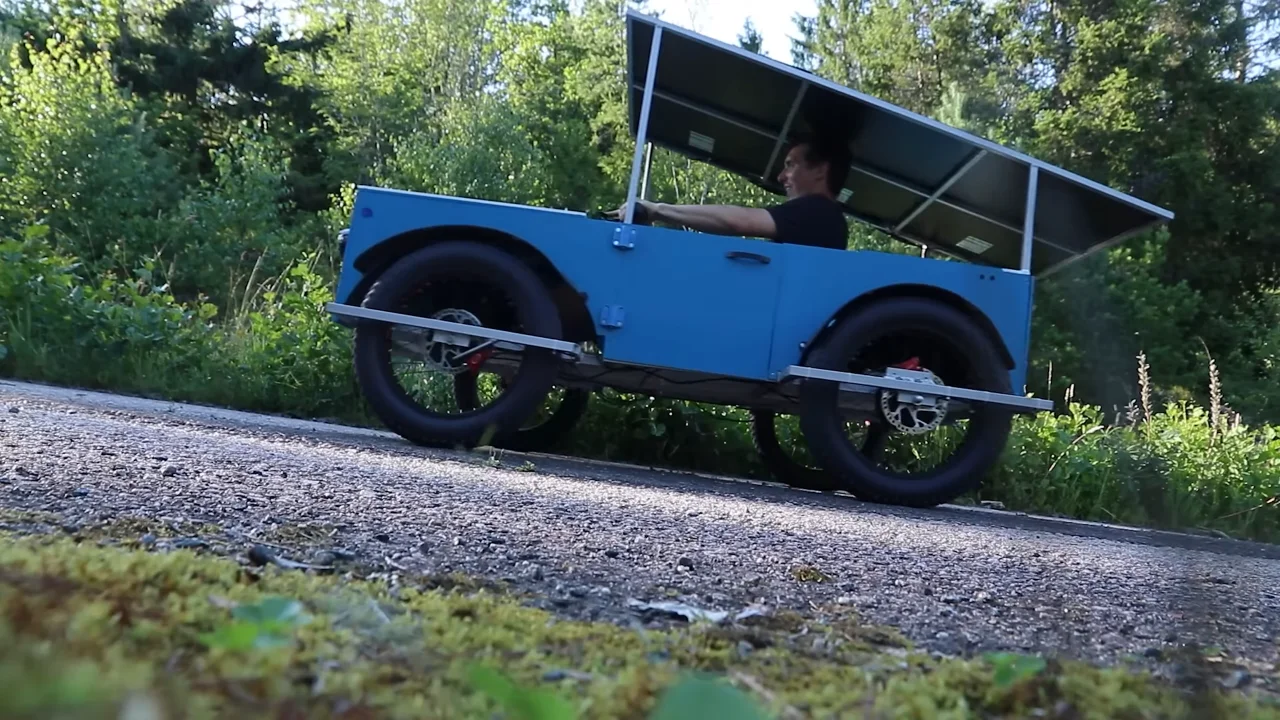
That’s why successful solar-car competitions tend to feature tiny, ultralight and extremely aerodynamic vehicles that look very different from the SUVs and sedans sitting in your driveway.
Instead, Fuyao says its solar glass could be used to take some of the pressure off a vehicle’s electrical system.
That could mean helping power things such as air conditioning, internet connectivity, or an in-car data recorder.
In an EV, those systems normally draw power from the main battery, so generating some electricity from the roof could potentially reduce that drain and help the battery last a little longer.
There have also been reports that BYD could offer the technology as an option on some of its EVs for around 8,000 yuan, or roughly $1,200, but those reports have not been confirmed by either BYD or Fuyao.
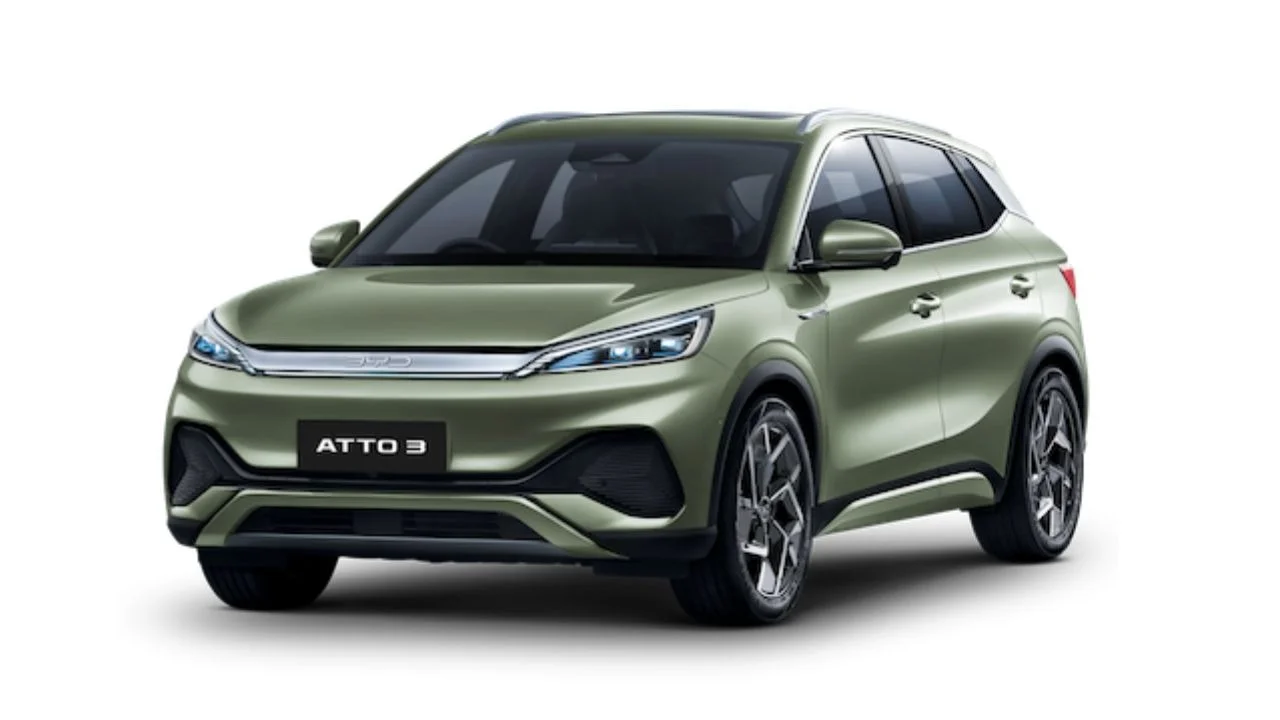
The reported setup could provide around 720W at peak, which still isn’t remotely enough to turn a conventional EV into a genuinely self-sustaining solar car.
Under ideal conditions, it could potentially provide enough energy for a short journey, but clouds, shade, parking indoors, and the angle of the sun would all reduce the real-world output.
China’s upcoming solar glass therefore isn’t quite the solar-powered cars revolution we might have imagined, but it could be another small step toward making everyday cars a little more energy efficient.
Daisy is a technology and automotive journalist covering artificial intelligence, consumer tech, Apple news, cryptocurrency, emerging technologies, and transportation innovation. Since joining the team in 2025, she has reported on everything from AI-powered startups and major iOS updates to viral car stories and the latest developments shaping transportation and the digital economy. Drawing on her background in automotive journalism and a degree in History and Journalism from Goldsmiths, University of London, Daisy specializes in breaking down complex topics into clear, engaging reporting for a global audience. Her work spans cutting-edge technology, innovative vehicles, and the people driving change across both industries. Daisy has gained first-hand access to some of the world's most talked-about technologies and innovators, including meeting Tesla's Optimus humanoid robot during its first European appearance in London. She has also discussed the future of space exploration with an astronaut, bringing unique insights and real-world perspectives to her coverage of emerging technology.