Solid-state EV battery maker to go public after successful 745-mile test in $1,100,000,000 deal
Published on Dec 29, 2025 at 9:35 AM (UTC+4)
by Molly Davidson
Last updated on Dec 29, 2025 at 12:47 PM (UTC+4)
Edited by
Kate Bain

A company that makes a next-generation EV battery is about to go public, and it’s not just making noise for fun.
This is one of those battery technologies people have talked about for years but rarely seen work in real life.
Now it’s finally done something concrete and investors are paying attention.
That single moment is what pushed this company toward a $1.1 billion deal.
DISCOVER SBX CARS – The global premium auction platform powered by Supercar Blondie
What this means for the future of EVs
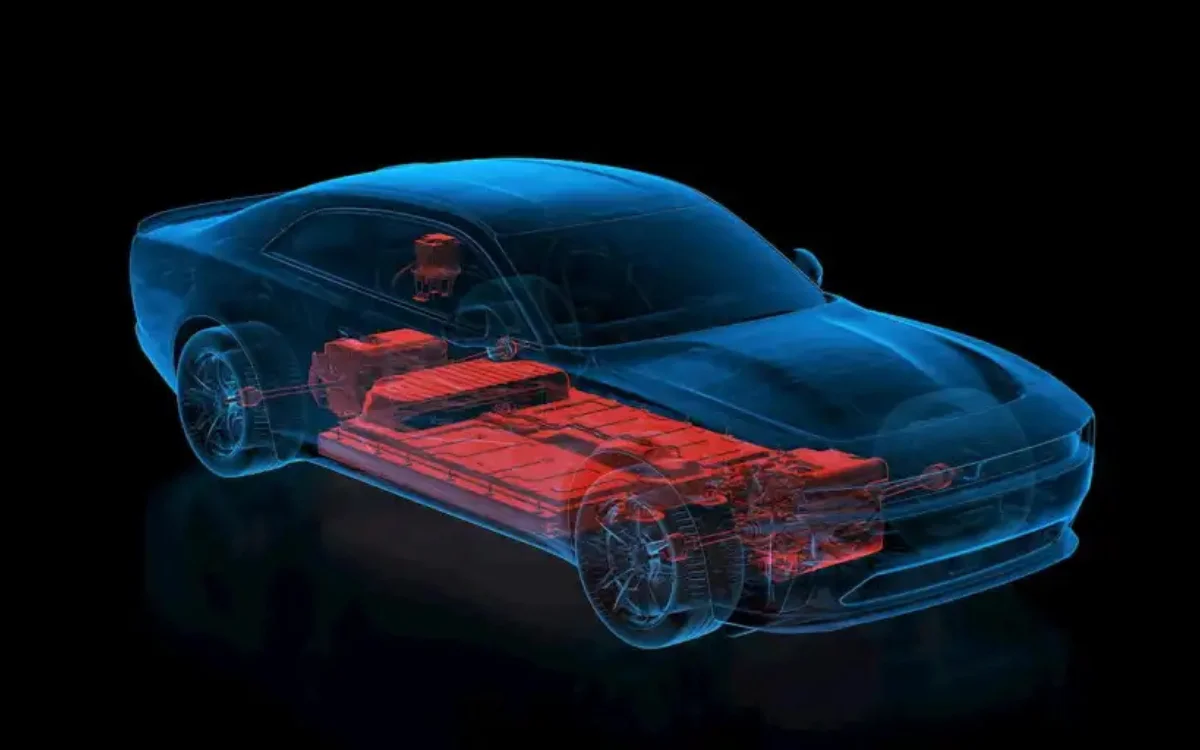
The company, Factorial Energy, is a US-based business focused on solid-state batteries – a newer type of EV battery designed to store more energy in less space.
To make its next move, Factorial plans to go public by merging with Cartesian Growth Corporation III, a company created for one purpose: helping private companies list on the stock market.
Once the deal closes, expected in mid-2026, Factorial will trade on the Nasdaq under the ticker FAC.
Altogether, the agreement values the company at about $1.1 billion and gives it roughly $100 million to grow.
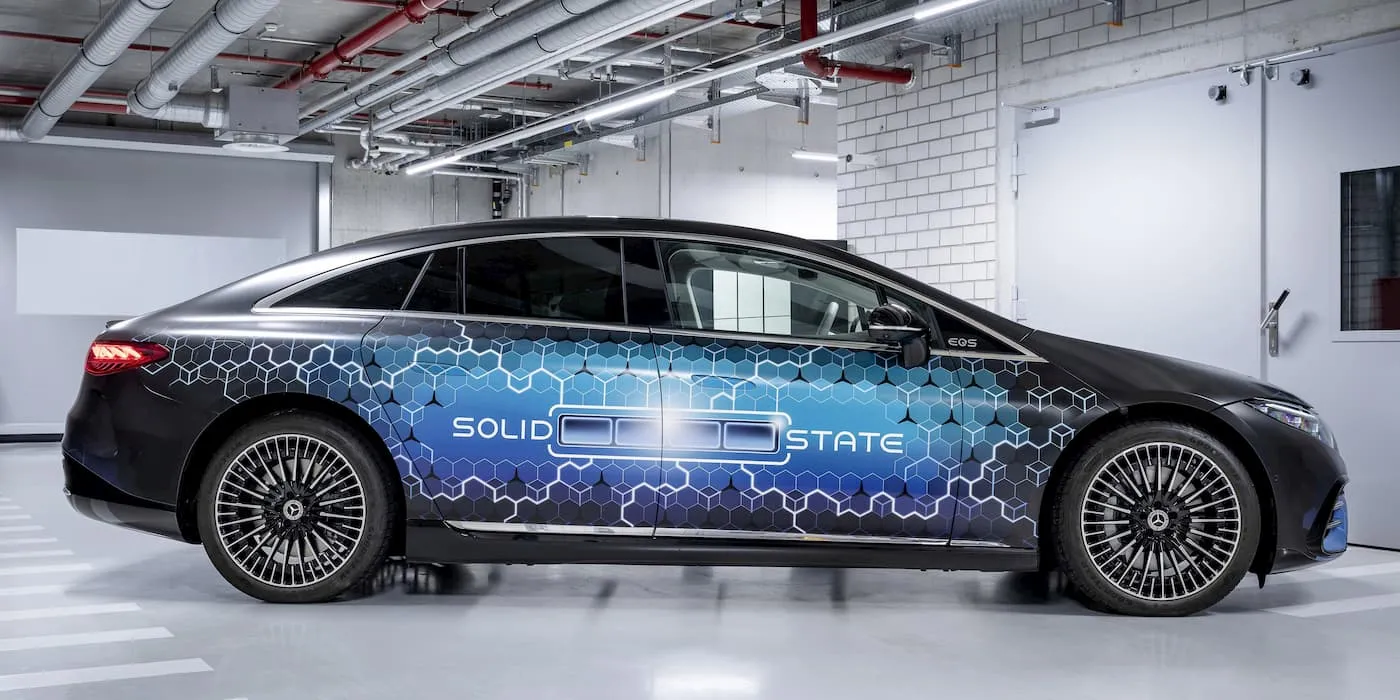
That money, in turn, is meant to help Factorial move faster, building factories, improving production, and preparing its batteries for real cars you can actually buy.
Looking ahead, the company says its solid-state batteries could start showing up in vehicles as early as 2027.
At first, they’d likely appear in expensive or high-performance EVs, where longer range matters most, before gradually appearing in more affordable cars.
Importantly, Factorial isn’t making cars itself.
Instead, it works behind the scenes with automakers like Mercedes-Benz, Stellantis, and Hyundai Motor, supplying the battery tech they could use in future EVs.
The successful 745-mile test behind the $1.1 billion deal
The big reason investors are backing this move, however, comes down to one drive.
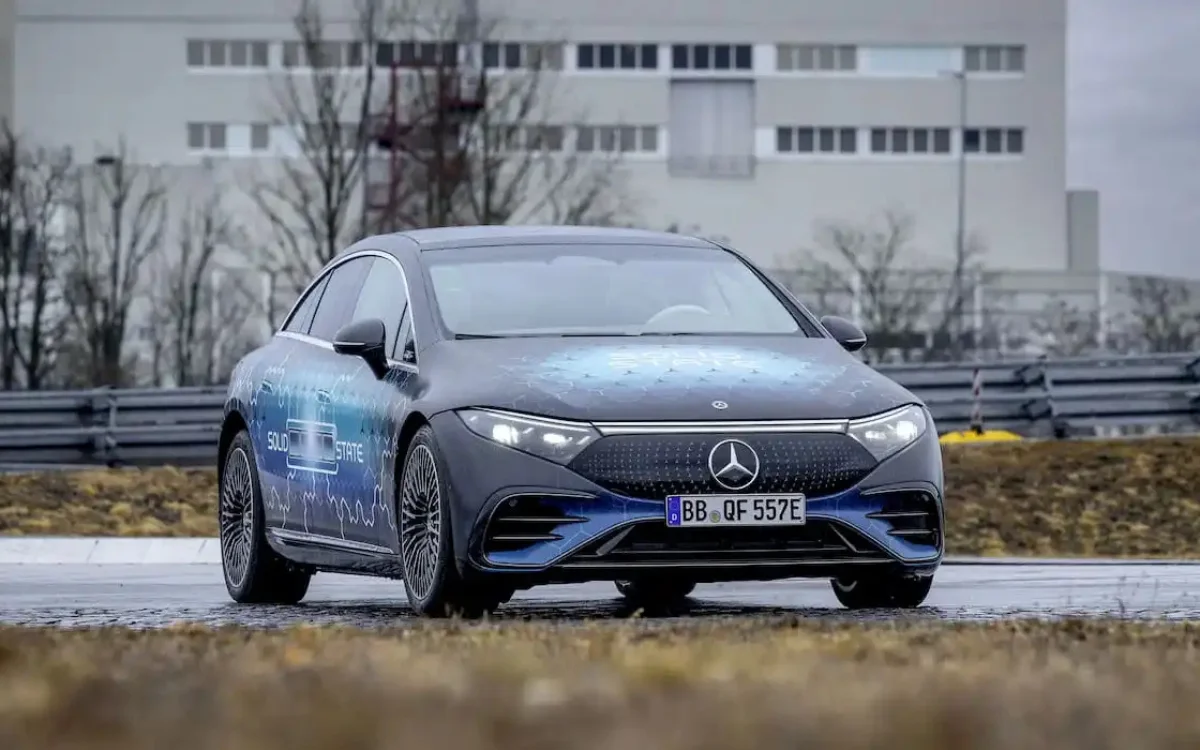
In September, a modified Mercedes-Benz EQS using Factorial’s solid-state battery drove more than 745 miles on public roads without stopping to recharge.
And it still wasn’t empty.
That result matters.
Most EVs today can’t come close to that distance on a single charge.
The car used Factorial’s solid-state battery cells, which are different from normal EV batteries.
Instead of using liquid inside, these batteries use solid materials, which can pack in more energy and reduce weight.
In simple terms: more miles, less battery bulk.
Mercedes has already called the technology a major breakthrough.
At the same time, it wasn’t the only company checking the numbers.
Stellantis also tested Factorial’s batteries in labs, confirming they worked well in both hot and cold conditions and could charge quickly.
Together, that mix of real-world driving and independent testing is what makes this more than a promise on a slide deck.
Solid-state batteries still aren’t easy to mass-produce, and there’s work left to do.
But once a car drives 745 miles on normal roads, the conversation changes.
At that point, it’s less about whether the tech works and more about how soon it can be built for everyone.
DISCOVER SBX CARS: The global premium car auction platform powered by Supercar Blondie
With roles at TEXT Journal, Bowen Street Press, Onya Magazine, and Swine Magazine on her CV, Molly joined Supercar Blondie in June 2025 as a Junior Content Writer. Having experience across copyediting, proofreading, reference checking, and production, she brings accuracy, clarity, and audience focus to her stories spanning automotive, tech, and lifestyle news.