South Carolina college students build solar electric car for BMW that generates more energy than it uses
Published on Aug 17, 2026 at 10:59 AM (UTC-4)
by Ben Thompson
Last updated on Aug 20, 2026 at 4:50 AM (UTC-4)
Edited by
Mason Jones
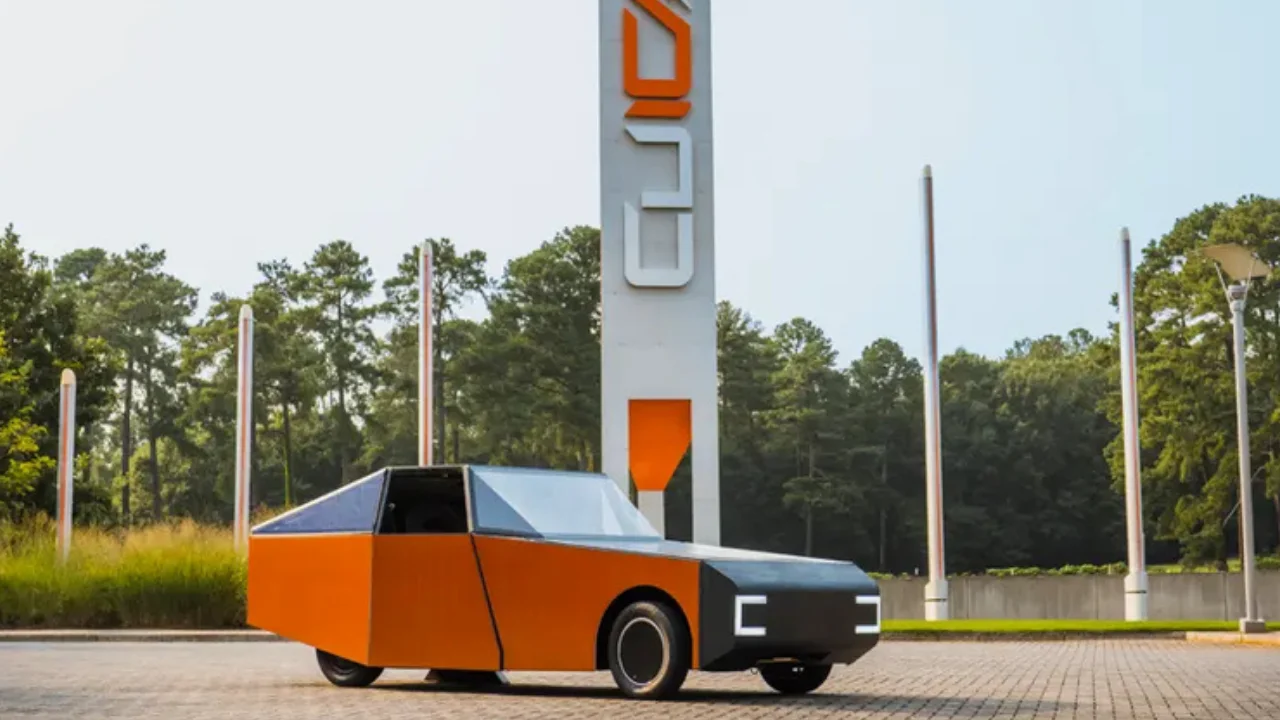

These college students from South Carolina have built a solar electric car for BMW that generates more energy than it uses.
In this eco-conscious age, more and more people are on the lookout for cars that are energy efficient.
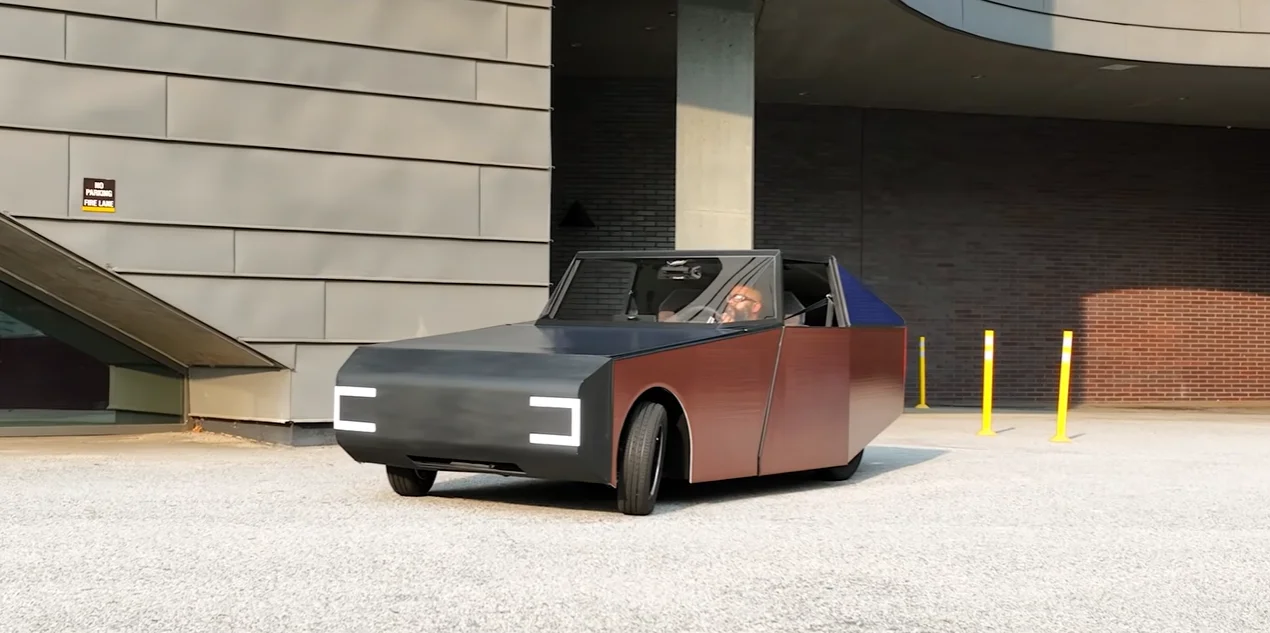
Clemson University has delivered with Deep Orange 17, a solar-integrated vehicle prototype.
Developed in collaboration with BMW’s research and development team, the car offers up an exciting prospect of what the future of cars could look like.
Solar-powered cars are increasingly popular
With climate change constantly on the lips of politicians and scientists alike, it’s no wonder that the automotive industry has cottoned on to the need to go green.
And perhaps nothing better represents the eco-movement than the trusty solar panel.
We’ve seen more and more cars donning them in recent years.
One man constructed one that was capable of travelling 18 miles without using up any of the battery power.
In the view of the CEO of Aptera, solar-powered EVs represent the future of driving.
And then there’s solar paint, courtesy of the Mercedes-Benz Vision Iconic concept car.
Sun power is the wave of the future, it would seem.
Joining the chorus of solar cars is the Deep Orange 17, a labor of love between one South Dakota college and BMW.

These college students have created a solar electric car for BMW
Back in the fall of 2024, BMW presented the graduate students of Deep Orange 17 with a challenging question – could a vehicle generate more energy than it consumes while driving?
The students designed the car so that it would capture sunlight while in motion, allowing for a continuous source of energy generation during everyday use.
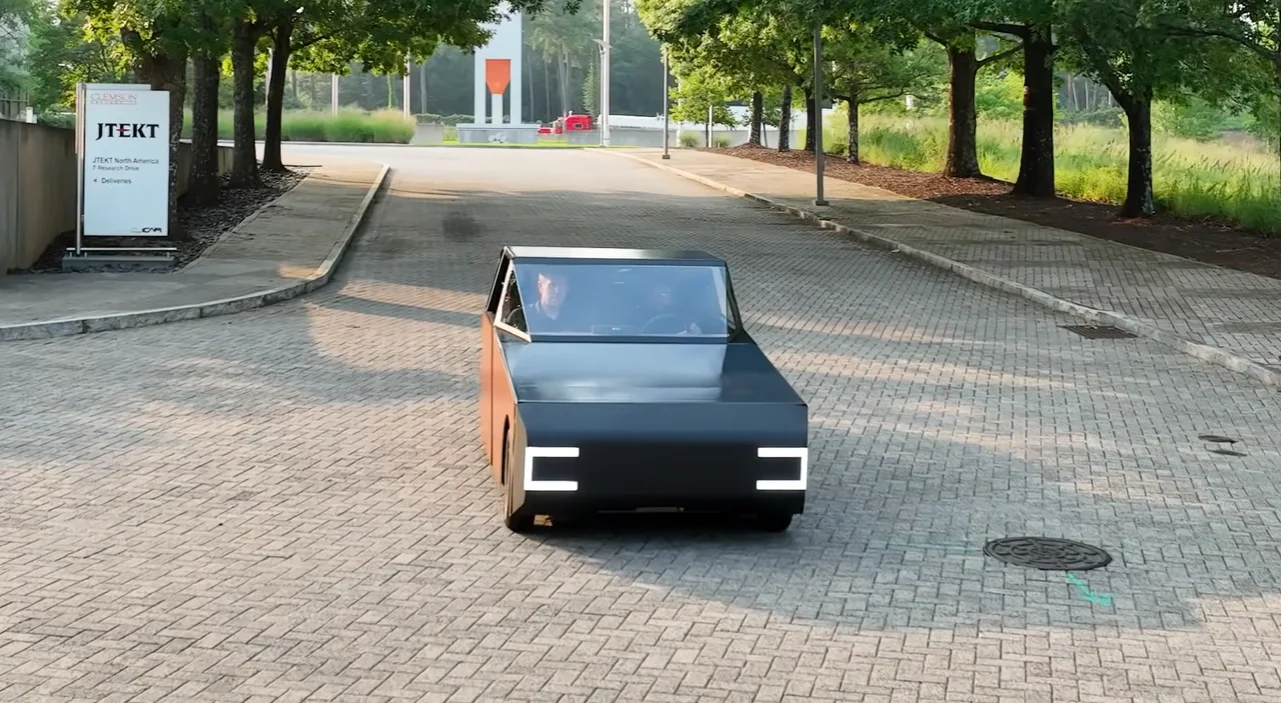
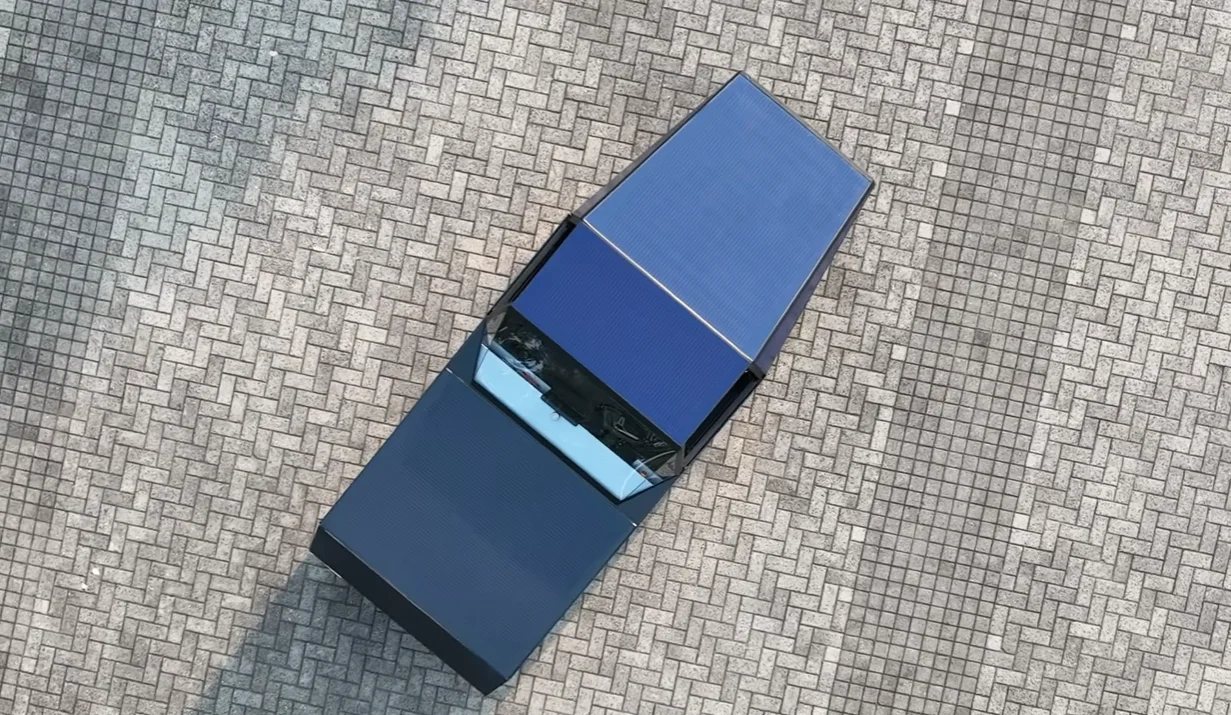
The hope is that the car would reduce the dependence on charging infrastructure.
“This is a project we’ve wanted to pursue for years, so it’s incredibly rewarding to see this group of students come together over the last two years, overcome so many technical challenges and constraints, and bring an energy-positive vehicle to life,” Stephan Augustin, Project Manager of Research and New Technologies at BMW, said.
More than 1,700 photovoltaic cells cover the vehicle’s exterior surfaces, giving ample opportunity for energy harvesting while in motion and while parked.
Ben joined Supercar Blondie in February 2025 after being published by international organizations including LADbible, The Sun, the New York Post, and the Daily Mail. He covers supercars, rare and collectible vehicles, aviation, luxury assets, and the fascinating people behind them. His reporting has explored everything from seven-figure supercars and historic Ferrari collections to unusual aircraft adventures and extraordinary automotive discoveries from around the world. Ben has also gained first-hand insight into vehicle craftsmanship and customization, including visiting specialist workshops to see bespoke vehicles up close.