Forget about Mars because SpaceX wants to launch rockets every 10 days to build a self-growing Moon base
Published on Feb 10, 2026 at 7:53 AM (UTC+4)
by Jason Fan
Last updated on Feb 10, 2026 at 11:04 AM (UTC+4)
Edited by
Kate Bain

SpaceX is rewriting its cosmic game plan as Elon Musk shifts focus from a long-hyped Mars colony to building a rapid-fire Moon base.
For years, Mars was the headline act, the dusty red prize at the end of Musk’s interplanetary roadmap.
Now the spotlight is swinging closer to home, and the Moon is stepping into a starring role.
The reason is simple: it’s all about speed.
DISCOVER SBX CARS – The global premium auction platform powered by Supercar Blondie
A Mars mission is logistically challenging
SpaceX has never been shy about bold timelines.
Elon Musk has repeatedly talked about sending humans to Mars within the decade, even floating dates as early as the mid 2020s for early missions.
The company’s massive Starship rocket, designed to be fully reusable, is central to that vision.
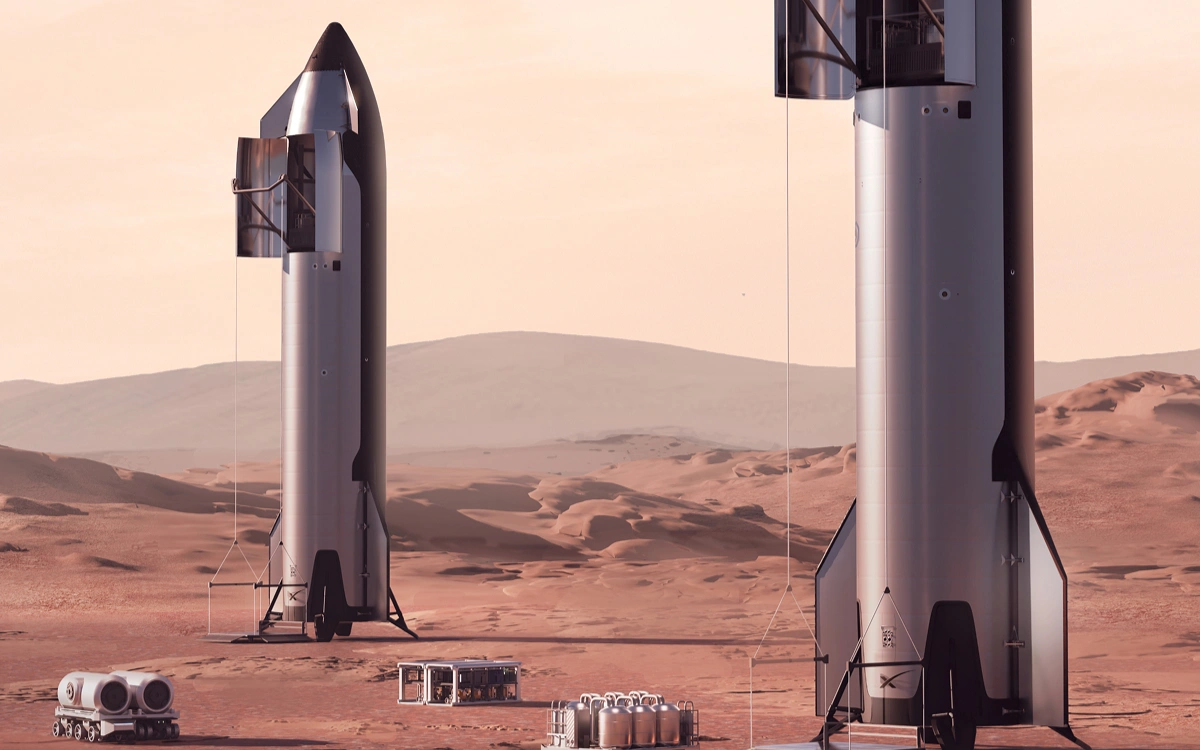
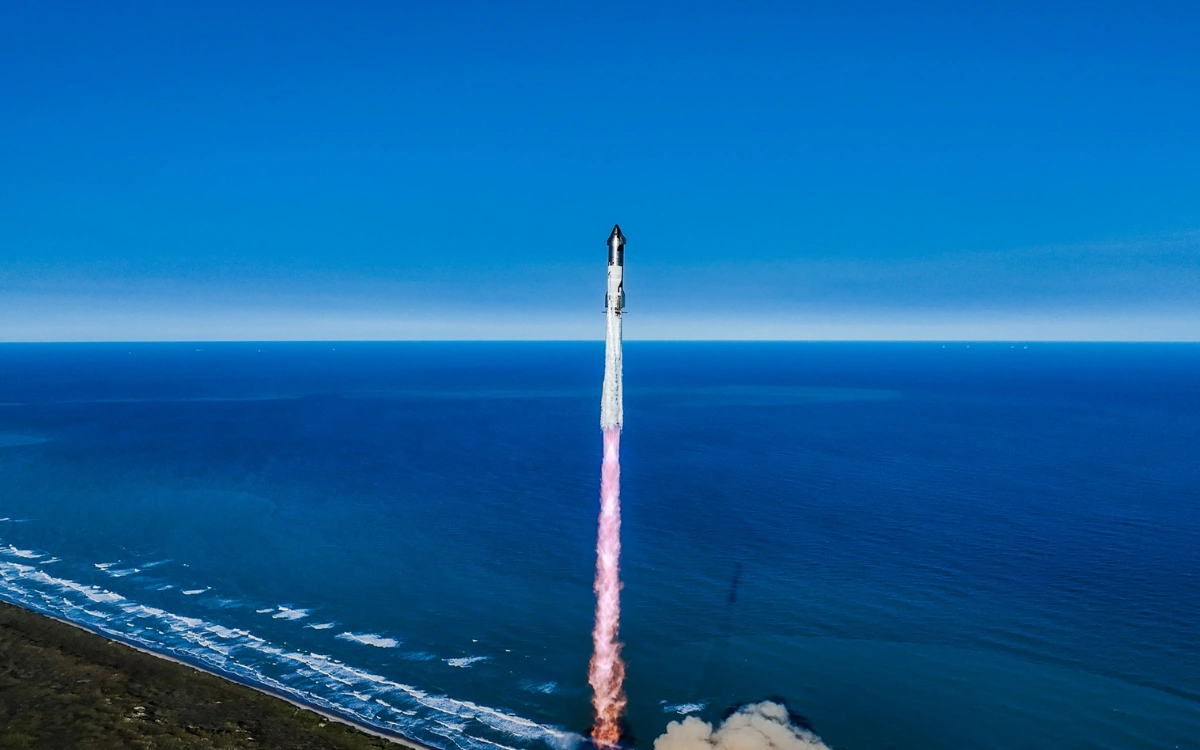
Starship test flights have pushed the boundaries of heavy lift launch, orbital refueling concepts, and rapid reusability, all critical pieces of any future Mars transport system.
At the same time, reality has a way of slowing even the most ambitious plans.
Deep space missions face huge engineering challenges, life support hurdles, and layers of regulatory approval.
Travel to Mars also depends on planetary alignment, which only opens a launch window roughly every 26 months.
Miss it, and you wait.
That cadence makes rapid trial and error tough when you are trying to build an entire off world civilization.
Click the star icon next to supercarblondie.com in Google Search to stay ahead of the curve on the latest and greatest supercars, hypercars, and ground-breaking technology
SpaceX is content to start with the Moon for now
Enter the Moon, now framed as the fast track to a spacefaring future.
Musk recently said SpaceX is shifting priority from a Mars colony toward creating a ‘self-growing city’ on the lunar surface.
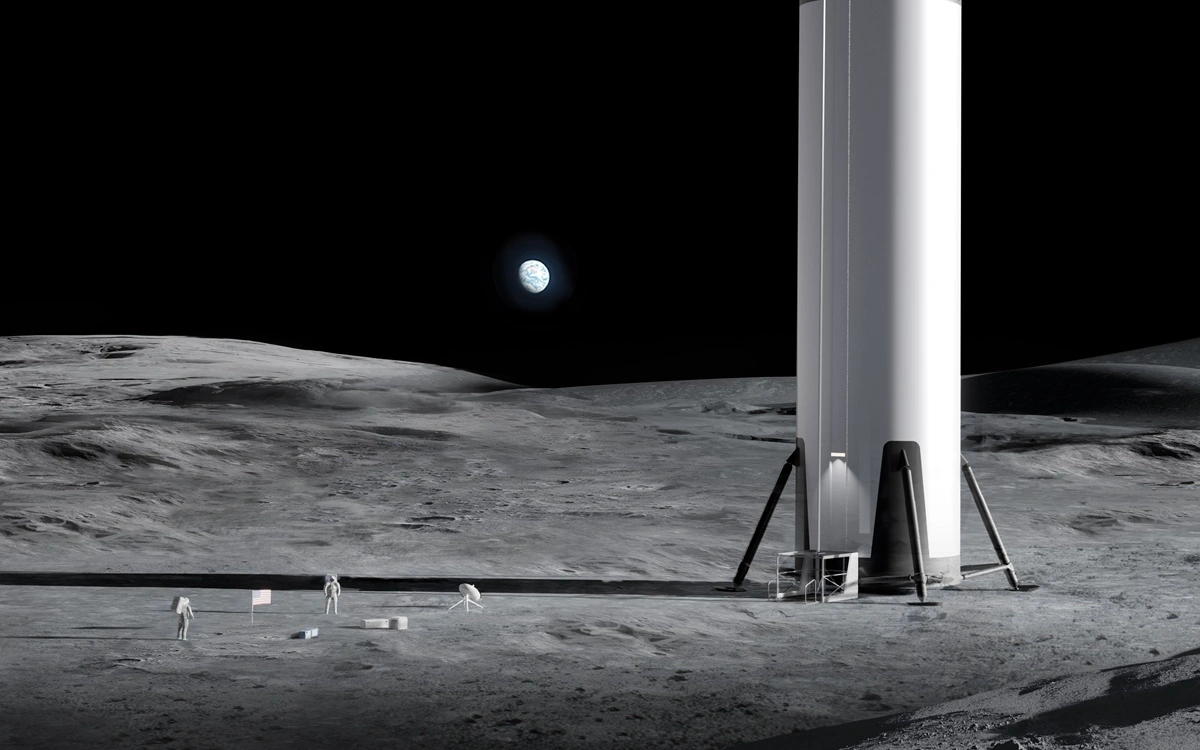
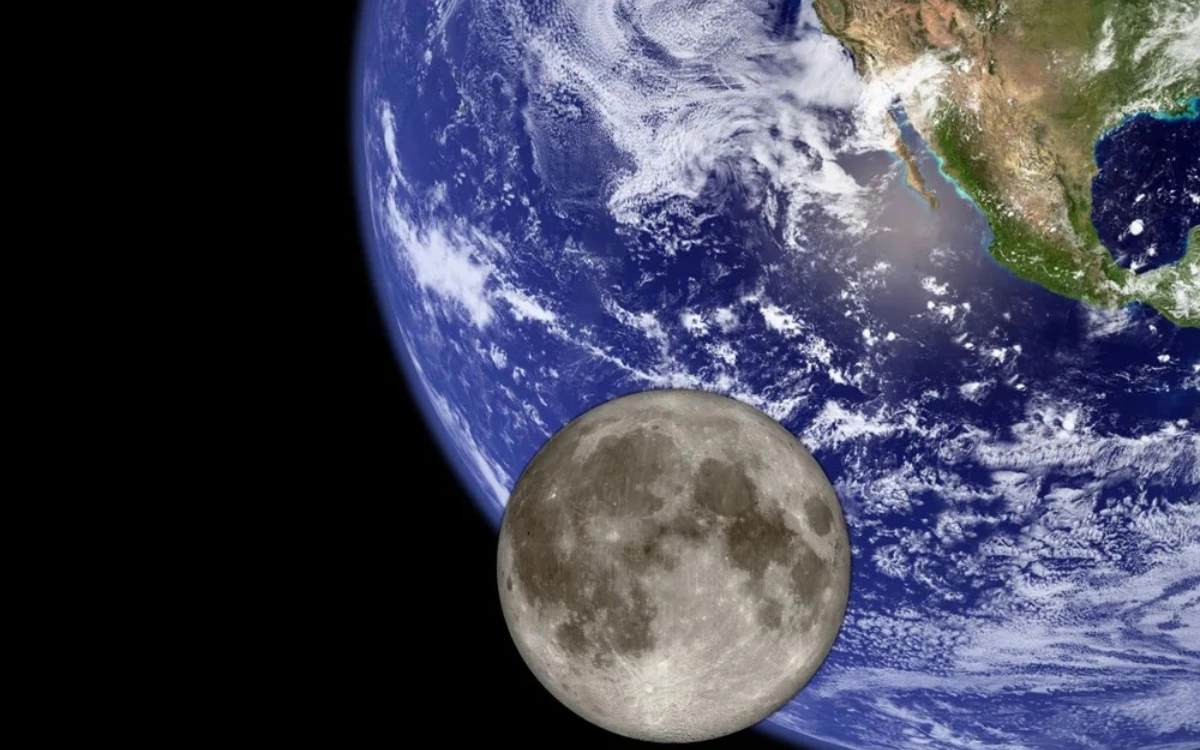
Unlike Mars, missions to the Moon can launch roughly every 10 days, with a trip time of about two days.
In theory, that tighter loop means more launches and quicker lessons, which would equate to faster upgrades to hardware, habitats, and industrial systems.
The concept goes beyond flags and footprints.
Musk has talked about self-growing bases, factories, and infrastructure that can expand with each mission.
A potential Moon base becomes a proving ground for living off Earth, testing everything from construction to resource use under real space conditions.
According to Musk, building a Mars colony is still in the long-term picture.
But for now, this is his new strategy: build SpaceX bases where the feedback cycle is the quickest, then take those lessons to the Red Planet later.
SpaceX’s plans over the years
Mid 2010s: SpaceX formalized its long-range ambition to reach Mars, with the eventual goal being the establishment of large-scale human missions and eventual colonization
2016 to 2019: Development continued on the successor to Falcon rockets, with SpaceX publicly naming the new system ‘Starship’
2020: Elon Musk publicly suggested that humans could land on Mars as soon as the mid 2020s if development progressed rapidly
Early 2020s: NASA selected a version of Starship as its Human Landing System for Artemis lunar missions
2025 to 2026: SpaceX focused increasingly on rapid reuse and operational cadence, with the company pivoting towards building a ‘self-growing city’ on the Moon
DISCOVER SBX CARS: The global premium car auction platform powered by Supercar Blondie