SpaceX planning to make major changes to thousands of satellites due to Kessler syndrome theory
Published on Jan 12, 2026 at 7:12 PM (UTC+4)
by Ben Thompson
Last updated on Jan 12, 2026 at 9:37 PM (UTC+4)
Edited by
Emma Matthews

SpaceX is planning some major changes to thousands of its satellites, amid growing fears of Kessler syndrome theory.
Around 9,400 SpaceX satellites are currently orbiting Earth, which is a staggering figure.
They’ve been providing broadband internet around the world, including regions that would be otherwise hard to reach.
But now big changes are on the way, due to a number of safety concerns linked to the Kessler syndrome theory.
EXPLORE SBX CARS – Supercar auctions starting soon powered by Supercar Blondie
What is the Kessler syndrome theory, and how is it affecting SpaceX?
Unless you’re well-read on space exploration, there’s a good chance you haven’t heard of the Kessler syndrome theory before.
So what is it exactly?
This theory, proposed by NASA scientist Donald Kessler back in 1978, described a chain reaction in which increasing amounts of space debris would cause more collisions.
Put like that, it’s pretty straightforward.
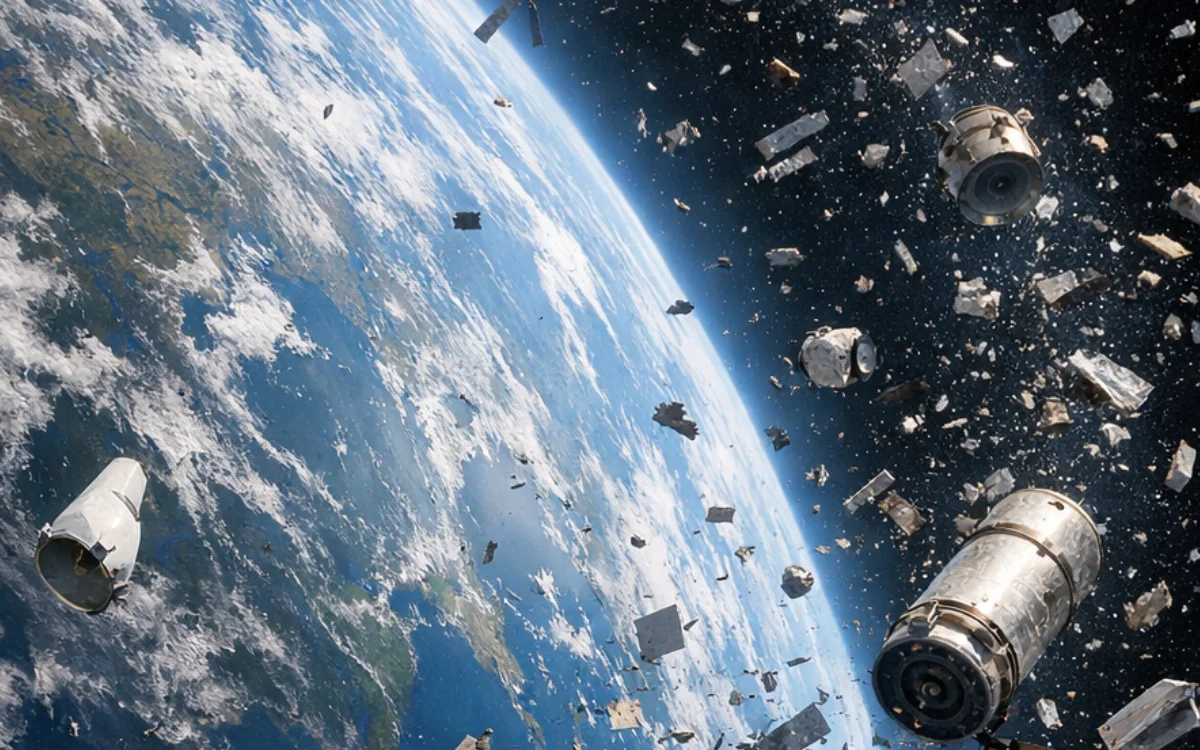
The more things that orbit our planet, the more likely it is that they’ll collide with each other.
For a company like SpaceX, that sends satellites up into our atmosphere, this presents an obvious concern.
So how is the company addressing the problem?
Michael Nicolls, the vice president of Starlink engineering at SpaceX, has announced plans to lower nearly half of the satellites over the course of 2026.
This would lower them from an altitude of 550km to around 480km.
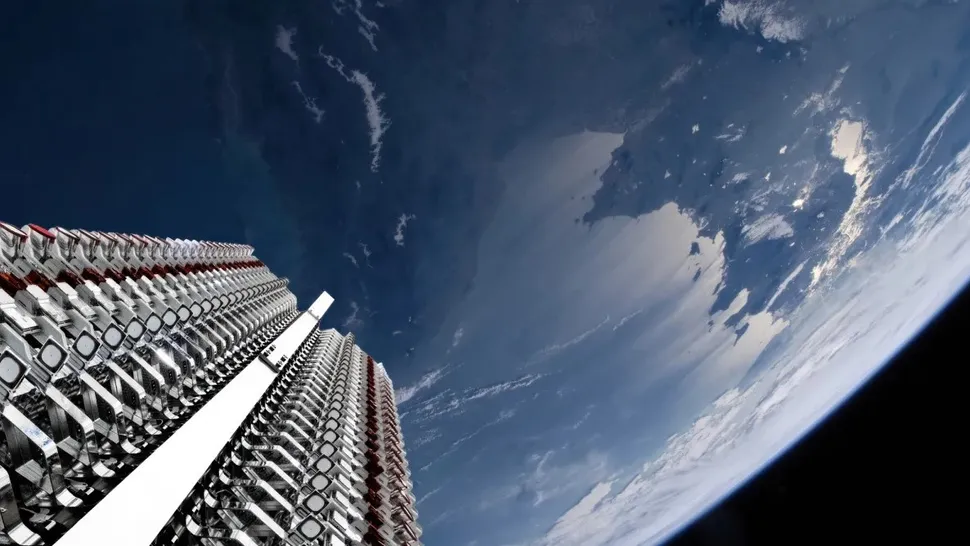
With less satellite congestion, the odds of collision are reduced.
There’s also the fact that at lower altitudes, the atmosphere exerts more drag.
This means that if a satellite fails, it’ll deorbit and burn up faster – reducing the amount of debris.
Space debris – a problem we’ll be paying more and more attention to
Here on Earth, we’re constantly talking about how to best clean up our planet.
But it turns out that we also need to keep an eye on what ends up in space, too.
Space debris is causing more and more issues for us humans, as was proven when it damaged Chinese space stations.
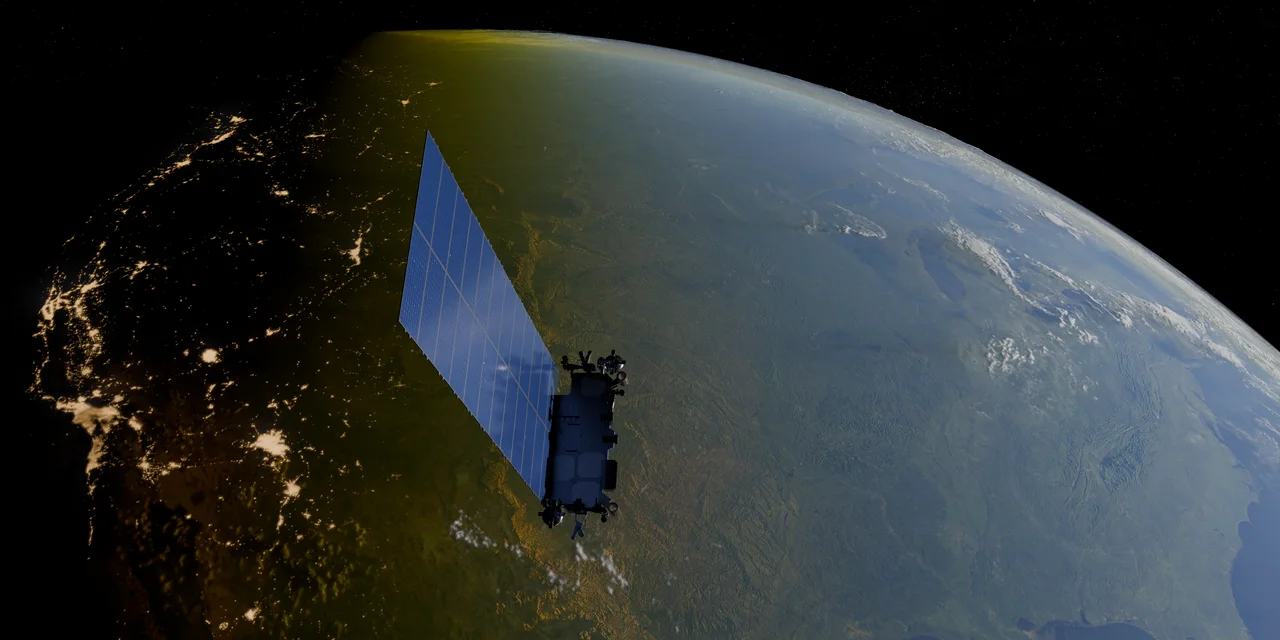
Down here on Earth, it can sometimes be visible in the sky.
Scientists are constantly thinking of ways to address the issue of space debris.
In Japan, a plasma propulsion engine that could clean up space was one such suggested fix.
DISCOVER SBX CARS: The global premium car auction platform powered by Supercar Blondie
Following stints at LadBible, The Sun, The New York Post, and the Daily Mail, Ben joined the team full-time in February 2025. In his role as Senior Content Writer, his sparkling copy, the ability to sniff out a good story at 100 paces, and a GSOH quickly led to him becoming an integral and invaluable member of the writing staff.