This is how a regular car is turned into a stretch limo step-by-step
Published on Jan 03, 2026 at 6:06 AM (UTC+4)
by Molly Davidson
Last updated on Dec 31, 2025 at 2:41 PM (UTC+4)
Edited by
Kate Bain

Turning a normal car into a stretch limo sounds simple in theory: cut the car, add a middle bit, and roll out in luxury.
In reality, regulators tightly control the process, and it begins long before anyone picks up a saw.
Only certain cars qualify, and the paperwork alone can be enough to scare off most DIY dreams.
Here’s how a regular car actually becomes a stretch limo, step by step.
DISCOVER SBX CARS – The global premium auction platform powered by Supercar Blondie
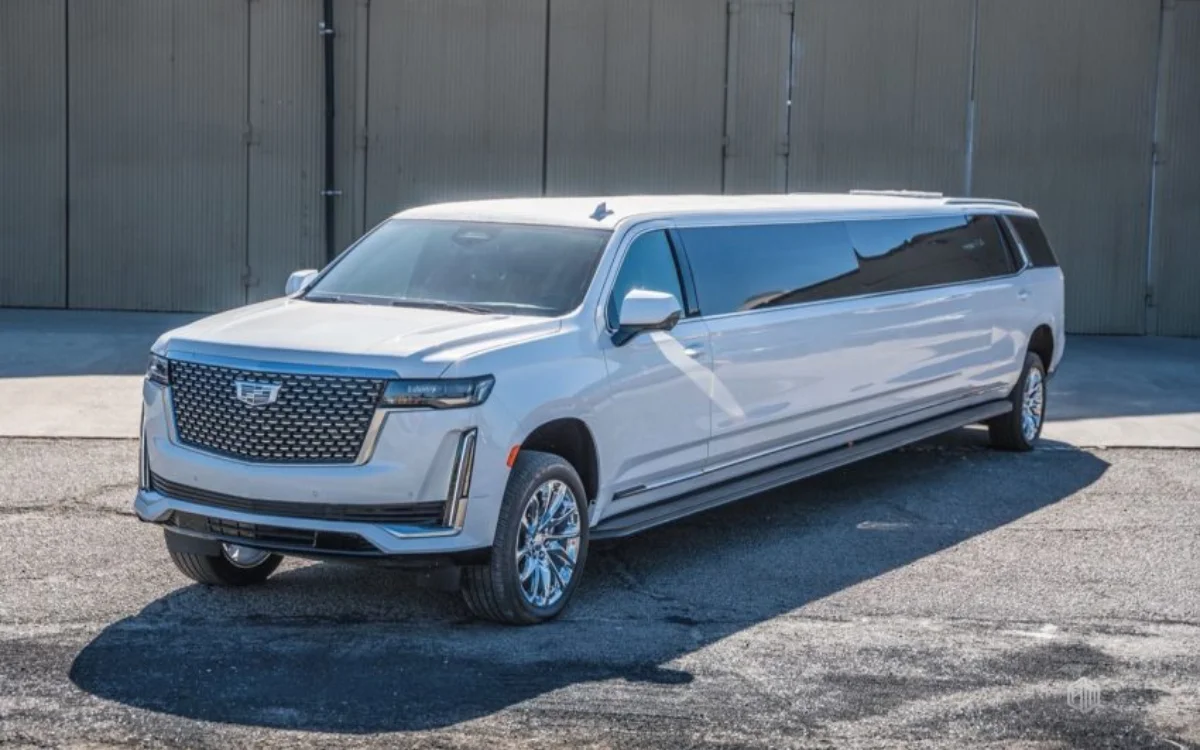
Step one: choose a car that’s allowed to be stretched
Not every vehicle gets the limousine treatment.
Builders usually start with models from Ford, Lincoln, Cadillac, or Chrysler.
That’s because these brands run strict coachbuilding programs that approve specific conversions and builders.
Without that sign-off, the finished car wouldn’t be road legal, insurable, or safe.
The goal here isn’t creativity.
It’s stability, predictability, and knowing how the chassis will behave once it’s much, much longer.
Step two: strip the car back to bare bones
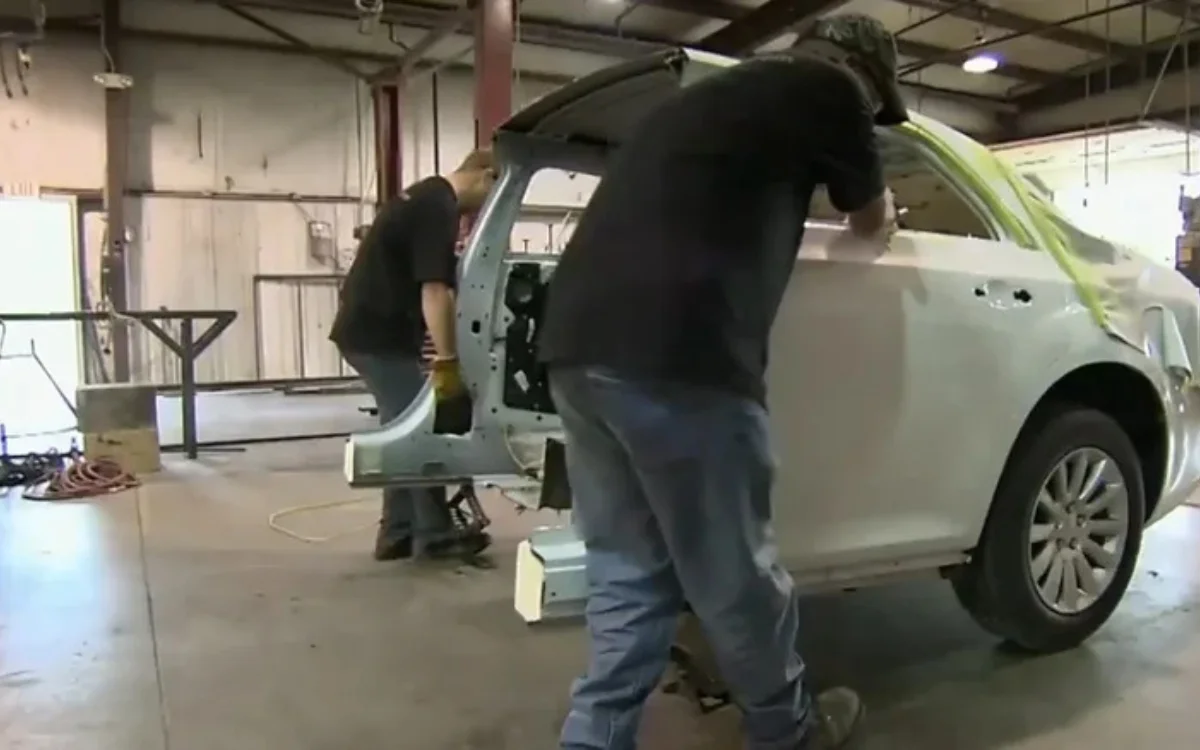
Once the donor car arrives, the interior comes out completely.
Seats, trim, carpets, wiring… gone.
Technicians inspect the structure before anything dramatic happens, because once the cutting starts, there’s no undo button.
Step three: cut the car in half and stretch the frame
This is the moment everyone imagines.
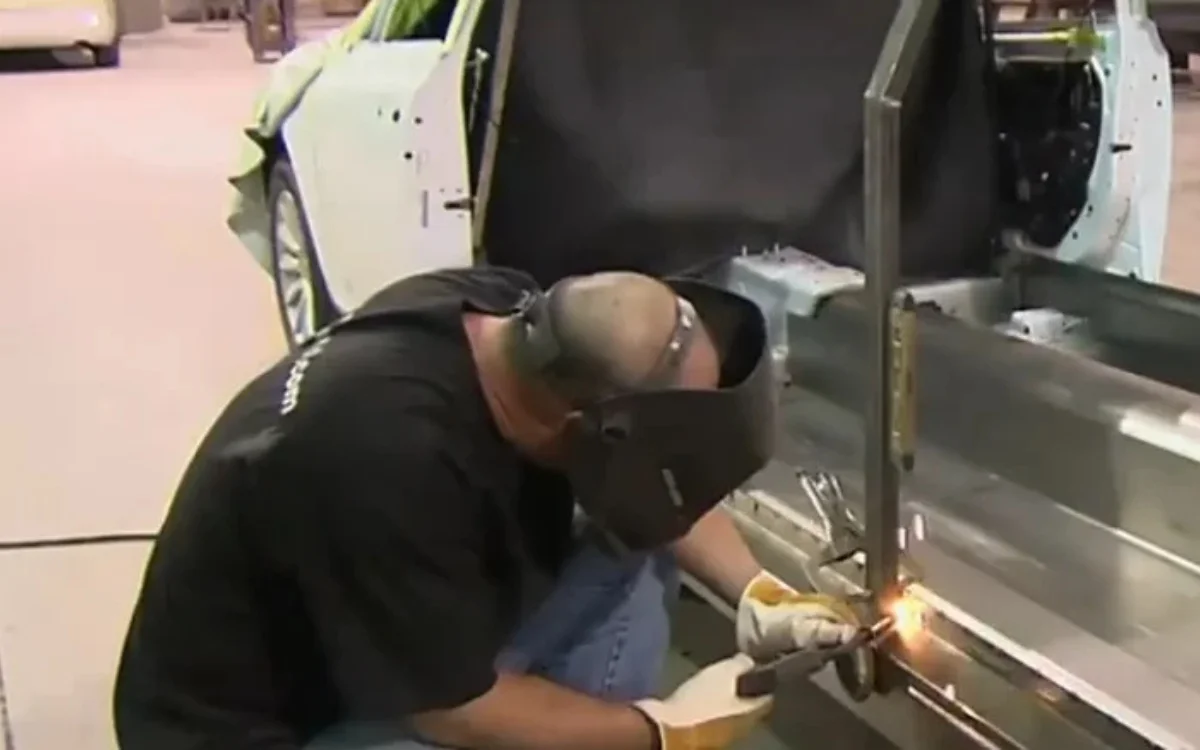
The car is cut cleanly from roof to floor, Workers cut the car cleanly from roof to floor, then pull it apart to make space for new steel frame rails.
These extensions can add anywhere from 18-30 feet to the original length.
The new sections are welded and reinforced across the chassis, floor, sidewalls, and roof.
Extra bracing is added because longer cars flex more, and flex is the enemy of safety.
Step four: upgrade brakes, suspension, and safety systems
All that extra weight changes how the car drives.
To compensate, builders fit stronger brakes, revised suspension components, and additional safety hardware.
Most limousines keep their original engines and transmissions, but everything around them gets tougher.
Step five: reconnect the wiring and rebuild the body
With the structure sorted, technicians reroute wiring using OEM-approved connectors.
New body panels are added to fill in the stretched sections, usually bolted on for easier repairs later.
Rust protection, sealants, and corrosion-resistant materials are applied everywhere you can’t see.
Step six: paint, then go wild inside
Only after the heavy work is done does paint go on.
Extra clear coats protect against UV damage and road wear.
Inside, anything goes.
Leather benches, sound systems, mood lighting, drink coolers – even cigar humidors if someone’s feeling bold.
The seats themselves are heavily reinforced, with multi-density foam and stronger springs.
Most builds take around three weeks, but high-end customs can stretch into months.
Why only certified builders are allowed to do this
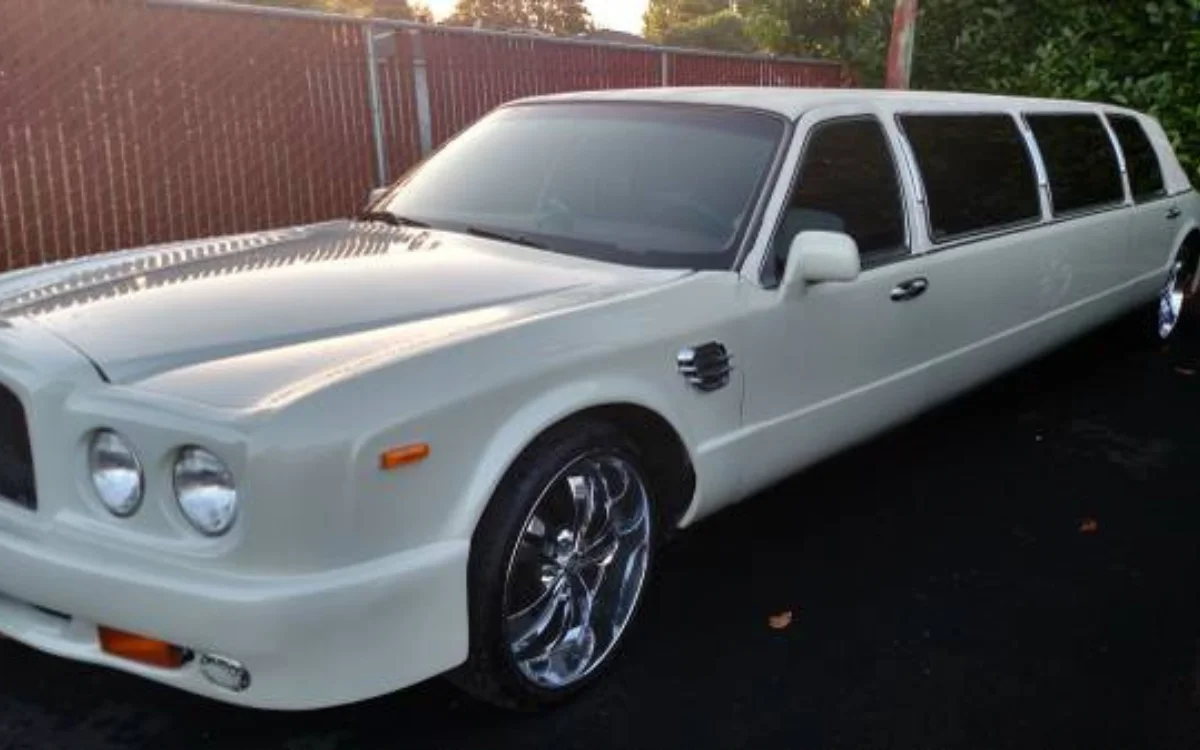
Stretch limos aren’t just long cars – they’re re-engineered vehicles.
Certified builders must meet federal safety standards, follow manufacturer guidelines, and carry millions in liability insurance.
It’s the difference between a luxury cruiser and a very expensive structural gamble.
Which explains why, despite how common limos look, turning a regular car into one is still a job best left to professionals.
DISCOVER SBX CARS: The global premium car auction platform powered by Supercar Blondie
With roles at TEXT Journal, Bowen Street Press, Onya Magazine, and Swine Magazine on her CV, Molly joined Supercar Blondie in June 2025 as a Junior Content Writer. Having experience across copyediting, proofreading, reference checking, and production, she brings accuracy, clarity, and audience focus to her stories spanning automotive, tech, and lifestyle news.