Subaru pulls the plug on its $9,800,000,000 EV strategy and pivots hard toward hybrids
Published on Nov 13, 2025 at 9:06 PM (UTC-5)
by Alessandro Renesis
Last updated on Nov 14, 2025 at 7:10 AM (UTC-5)
Edited by
Amelia Jean Hershman-Jones
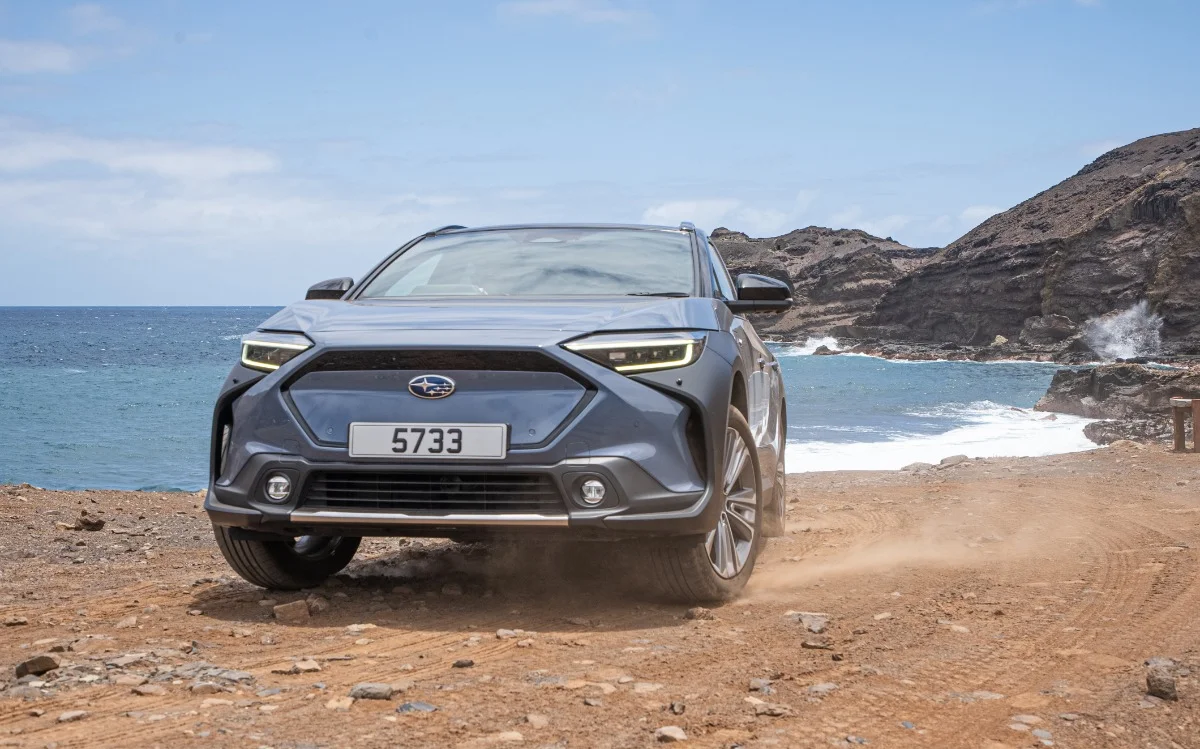

Subaru is the latest company to revise its EV strategy to focus more on hybrids.
The company initially planned to spend nearly $10 billion by the year 2030 to develop new EVs.
But that was yesterday, and this is now.
And there’s more than one reason why they made this decision.
DISCOVER SBX CARS: The global premium car auction platform powered by Supercar Blondie
One of the main reasons why Subaru isn’t focusing on EVs anymore
A couple of years ago, the Japanese manufacturer announced an ambitious plan to spend $9.8 billion to turn its entire line-up into an electric car fleet.
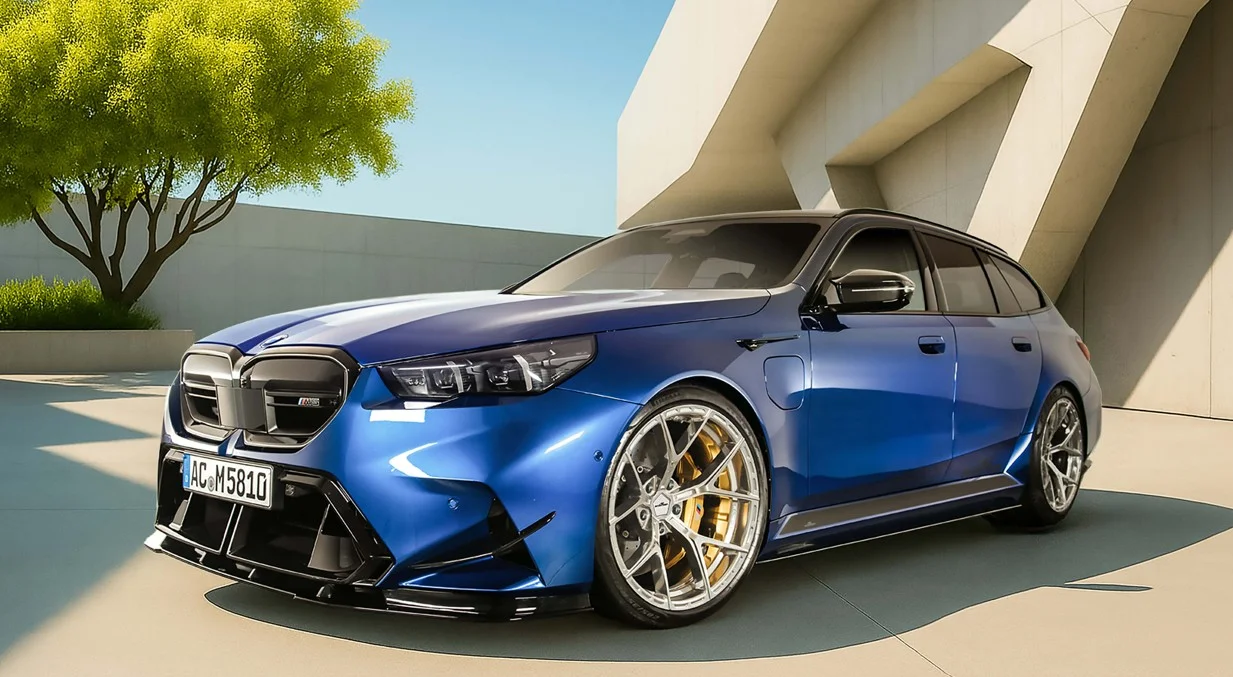
But, like so many other automakers, the company has decided to revise its EV strategy and focus more on hybrids.
There are several reasons why this decision was made, but one of the main ones is that Subaru has a close relationship with Toyota.
It’s a little lopsided, one of those ‘Toyota sneezes and Subaru catches a cold’ situations, but it’s a close relationship nonetheless, and it means that when Toyota makes a decision, Subaru has to at least pay attention.
And Toyota, famously reticent when it comes to battery-powered cars, is big on hybrids and hydrogen cars.
Battery electric cars? Not so much.
Here’s why so many automakers aren’t in a hurry anymore when it comes to electric cars
Subaru isn’t alone.
The Japanese automaker joins a very long list of manufacturers that are hitting pause on their plans regarding electric vehicles.
It’s a long list and it features names from all categories, from luxury marques like Lambo and Ferrari to more ‘attainable’ brands like Audi.
There are two main reasons.
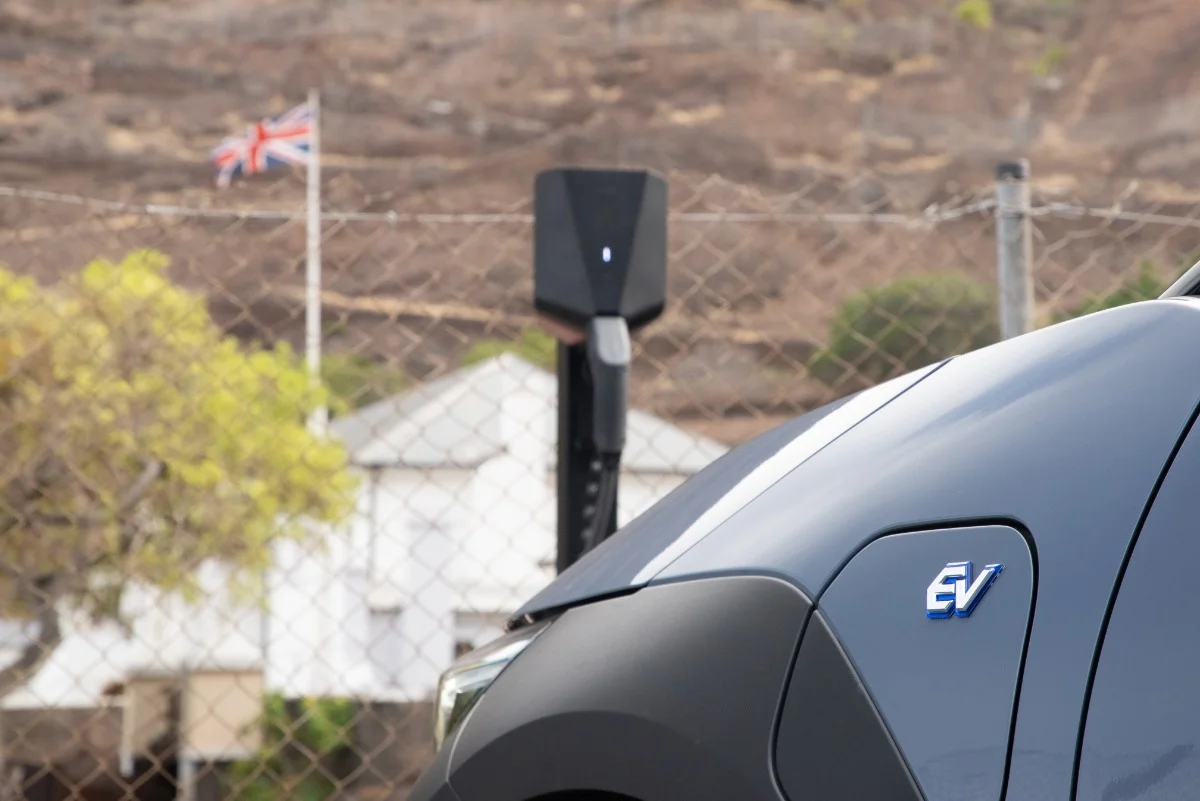
The first one, and perhaps most obvious, is demand.
Demand for EVs is definitely growing, but with two caveats.
Partly because demand for electric vehicles isn’t killing demand for gas cars, which is definitely still pretty high, and also because the market is proving that electric cars don’t really appeal to luxury car buyers and high-performance car lovers.
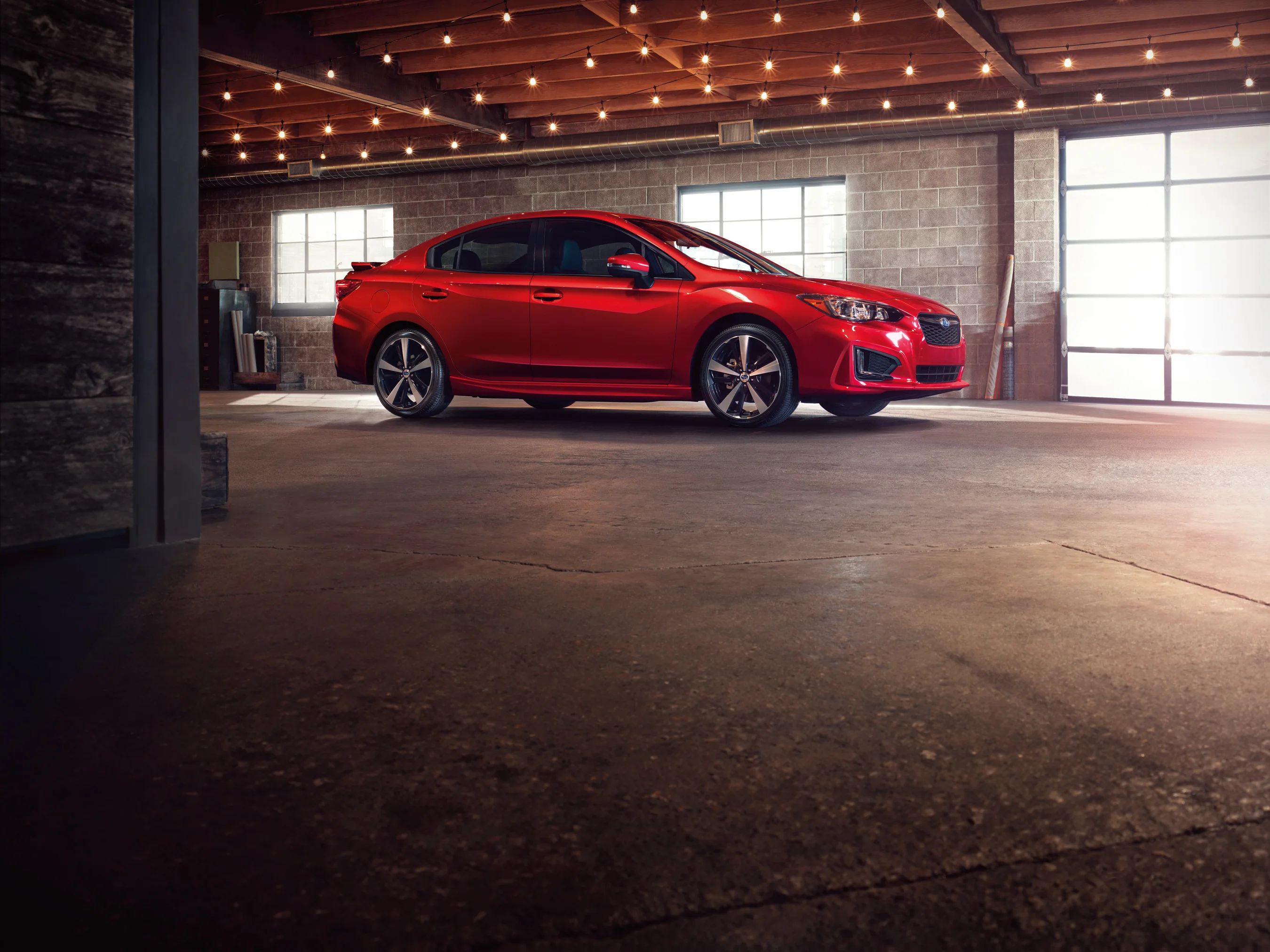
The second reason has to do with profitability.
Porsche is a classic case in point.
Demand isn’t an issue – broadly speaking, both the Taycan and electric Macan sell well – but profitability is.
In the first nine months of the year, Porsche’s operating profit amounted to €40 million ($46 million).
For reference, Porsche’s operating profit for 2024 was €5.64 billion ($6.35 billion).
Alessandro is an automotive journalist with 10 years of experience covering supercars, automotive history, emerging vehicle technology, and luxury transportation. He wrote the first article published on SupercarBlondie.com when the website launched in 2022 and has since built a reputation for insightful reporting across the automotive and transportation industries. His expertise is grounded in hands-on experience. Alessandro has driven every Tesla model ever produced, from the original Roadster to the Cybertruck, and regularly covers the latest developments in electric vehicles and automotive innovation. His passion for transportation extends beyond cars, he has even flown a Boeing 787 Dreamliner simulator in Addis Ababa, Ethiopia. His reporting spans everything from classic American muscle cars and rare automotive discoveries to luxury yachts, private aircraft, high-end watches, and cutting-edge vehicle technology. Known for his deep knowledge of automotive history and ability to uncover the stories behind iconic vehicles, Alessandro brings readers a blend of historical context, technical expertise, and first-hand experience.