Footage of the Super Guppy landing in Alabama looks like it shouldn't even be possible
Published on Jan 16, 2026 at 7:15 PM (UTC+4)
by Henry Kelsall
Last updated on Jan 19, 2026 at 1:11 PM (UTC+4)
Edited by
Mason Jones
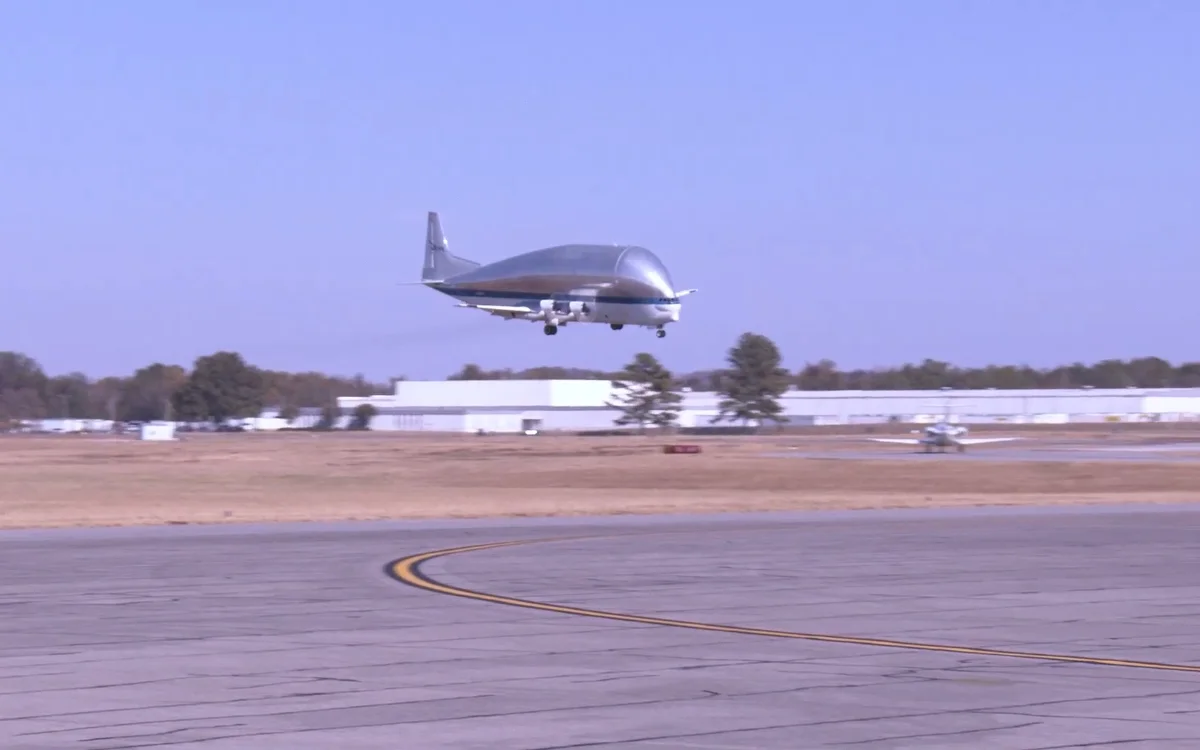

Footage of the incredible Super Guppy landing in Alabama makes us wonder if it should even have been possible for this aircraft to fly.
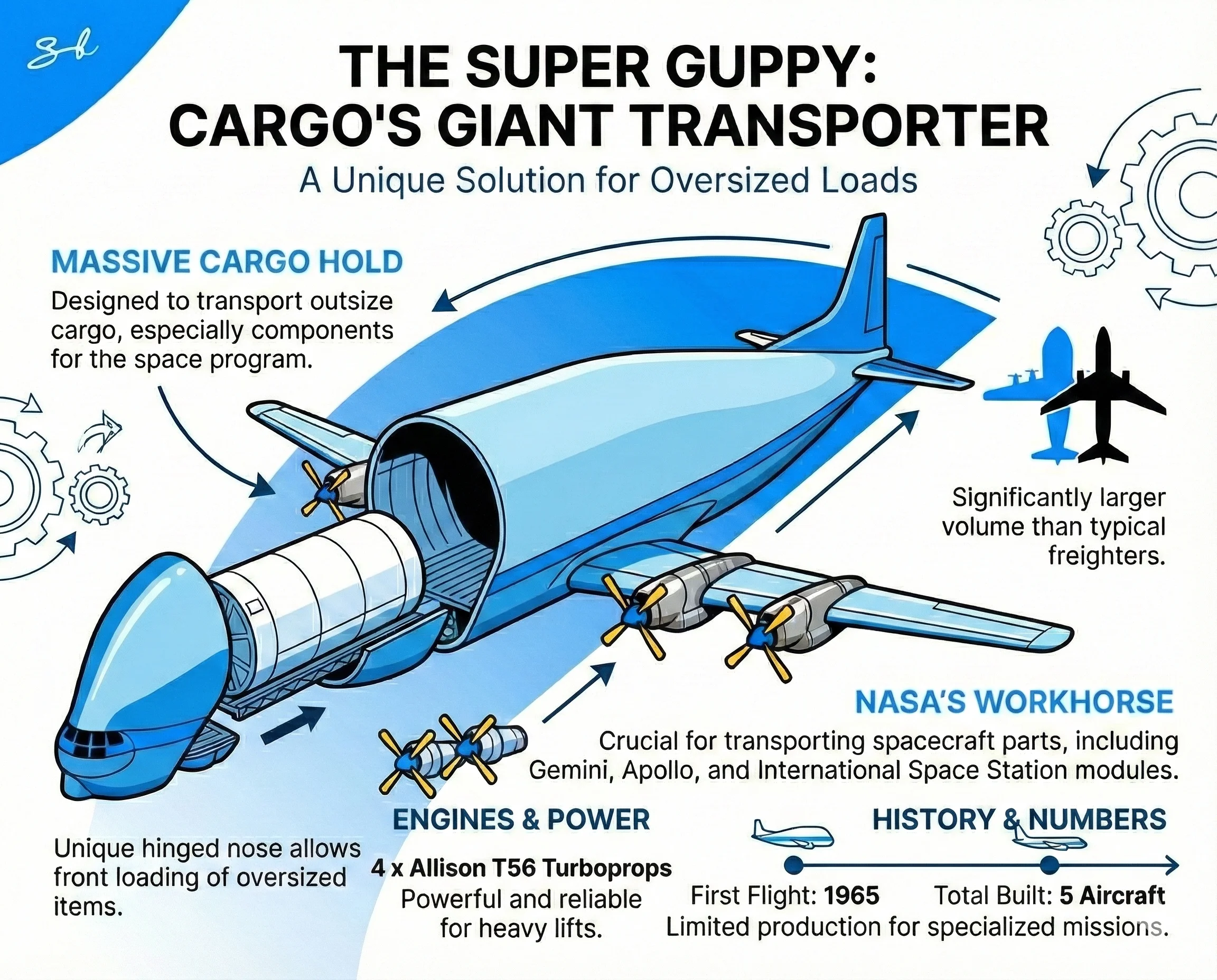
This is a remarkable machine, derived from the Boeing YC-97J Stratofreighter, but widened and standing much larger in stature.
Only a handful were built, but they always drew crowds wherever they flew, not least because of their unusual appearance.
Footage from NASA and Tyson Eason showed one example of the giant aircraft coming in to land at an airport in Alabama, giving us a clear view of its strange looks.
DISCOVER SBX CARS: The global premium car auction platform powered by Supercar Blondie
The Super Guppy was not a very pretty airplane
As the video showed us, the Super Guppy was not the prettiest of aircraft.
The origins of the Stratofreighter are apparent, but it is above the cockpit where the big change took place.
The aircraft now had a huge, bulbous cargo bay, stretching out like a guppy fish.
It is this sea creature that gave the aircraft its name.
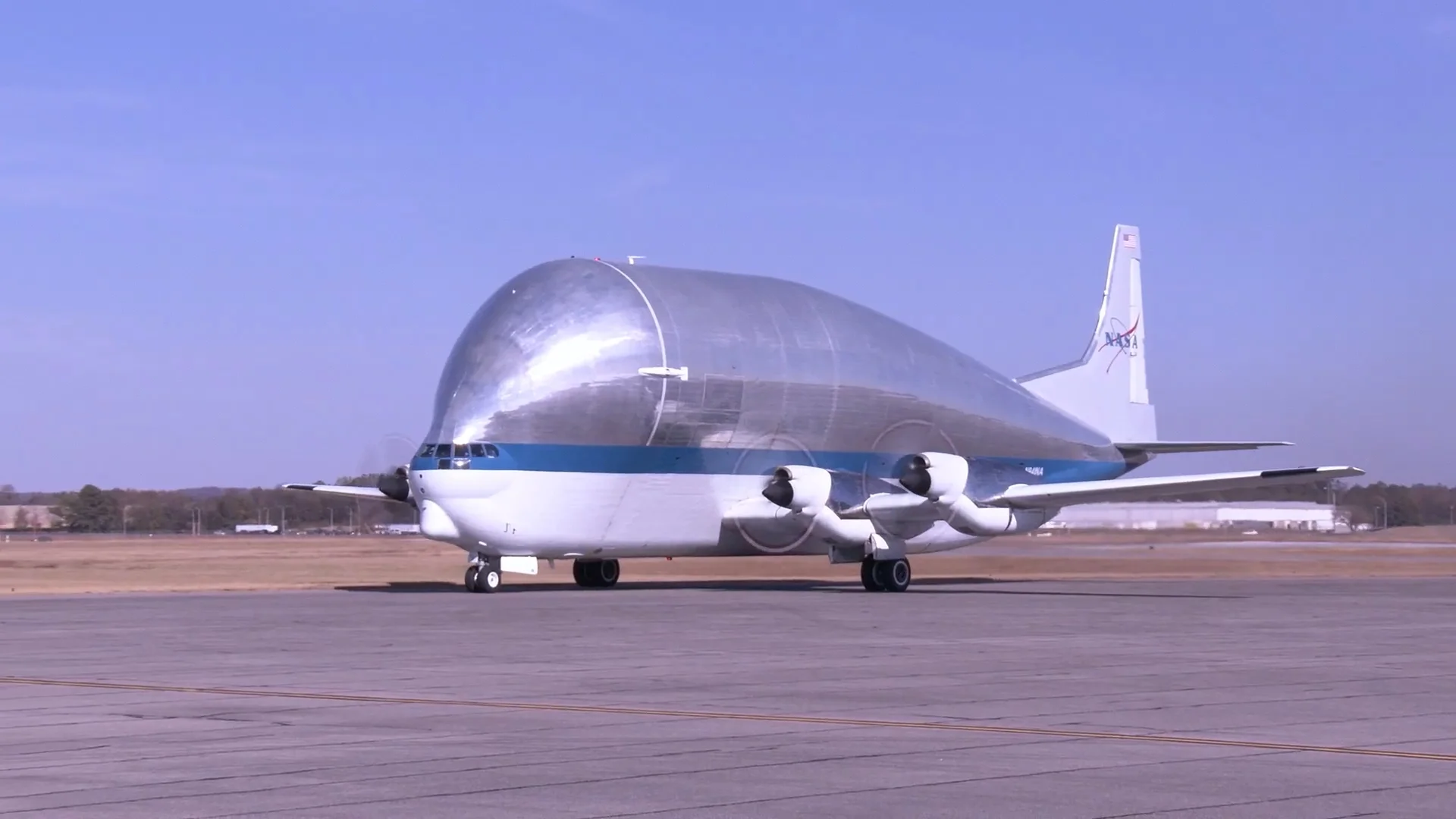
In the video, we can see the leviathan of the skies lumber in low and slow, and gracefully touch down.
While certainly ugly, the Super Guppy is an impressive aircraft to watch.
Like with many odd-looking planes, this is a rare beast, as only five were ever built.
Where are the Supper Guppys in 2026?
In total, five examples of the aircraft were built.
Super Guppy Turbine N941NA is still in service with NASA, used as a transport aircraft from El Paso.
Super Guppy Turbine F-GDSG is on display near the Airbus factory at Hamburg Finkenwerder Airport in Germany.
Meanwhile, F-BPPA is displayed at Aeoscopia near the Airbus factory in Toulouse, France.
You can find Super Guppy N940NS at the Pima Air & Space Museum.
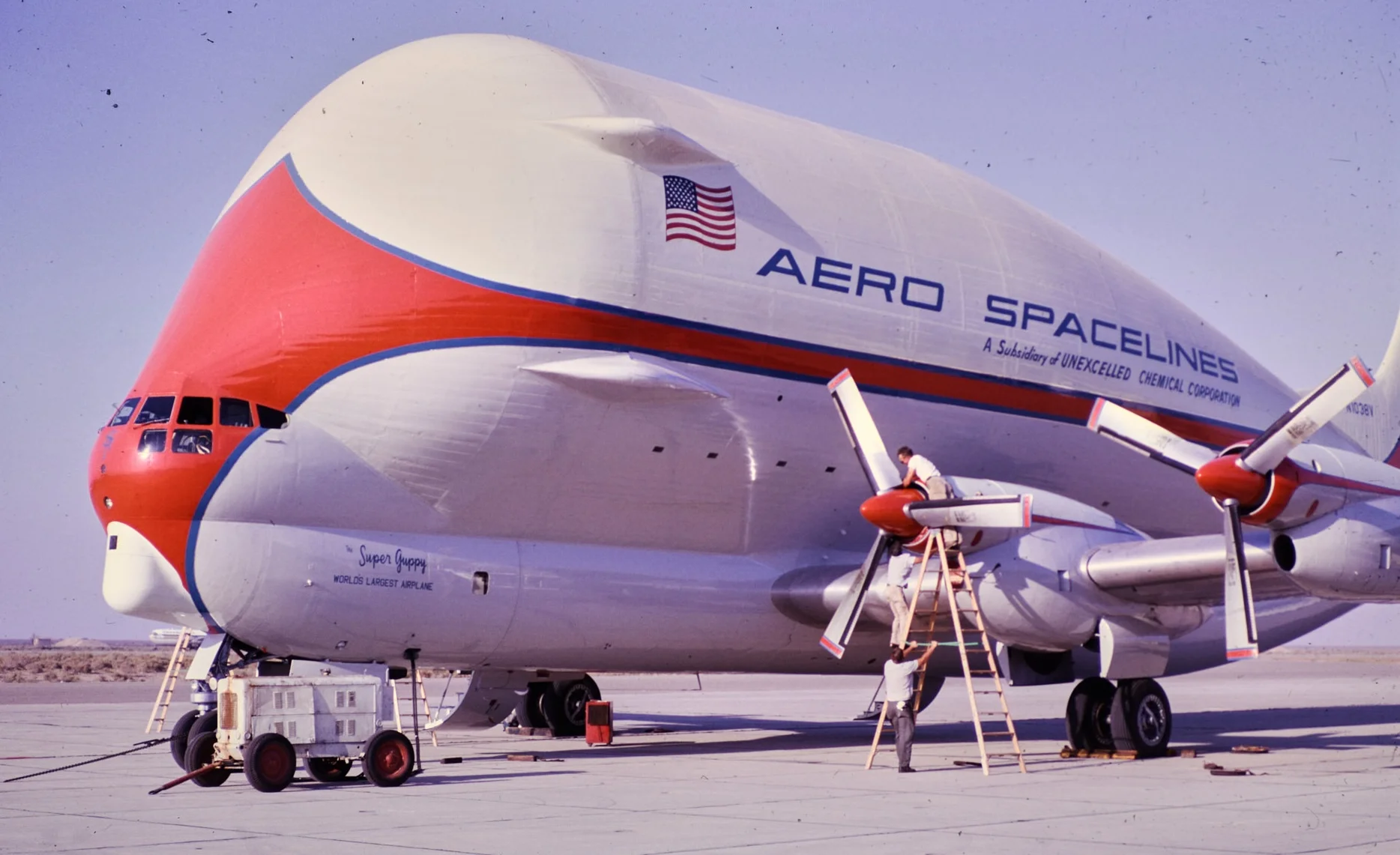
One, however, was scrapped, which was F-BTGV, an aircraft cut up at Bruntingthorpe Aerodrome in the UK.
It had been on display here for many years, but a change of ownership of the airfield necessitated its removal.
Thankfully, though, four of the five are still with us today.
The fact that one still flies is a testament to the durability of the unusual aircraft.
Henry joined the Supercar Blondie team in February 2025, and since then has covered a wide array of topics ranging from EVs, American barn finds, and the odd Cold War jet. He’s combined his passion for cars with his keen interest in motorsport and his side hustle as a volunteer steam locomotive fireman at a heritage steam railway.