Supercar Blondie answers: what's the difference between V engines, inline engines, W engines, and flat engines?
Published by Daisy Edwards
Edited by Emma Matthews

When you’re talking about cars, you often hear loads of different names and versions of engines thrown around, and it can often seem a bit overwhelming, especially when each engine type claims to be the best version.
You might have heard about BMW’s amazing ‘straight sixes’ inline 6-cylinder engines or Ford pickups and their V8 HEMI engines, but what does that actually mean?
When you think you’ve got the hang of V engines and inlines, then flat engines and W engines get thrown into the mix.
If you’re confused about all the different types of engines, don’t worry, we’ve got you. Have a read and see for yourself what the best option for you is.
EXPLORE SBX CARS – Supercar auctions starting soon powered by Supercar Blondie
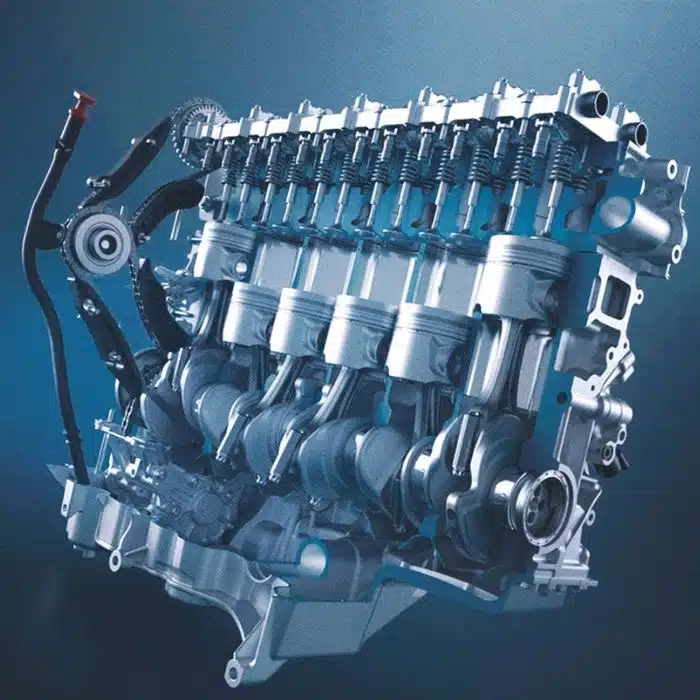
Inline Engine
An inline engine has all its cylinders next to each other, unsurprisingly, in a line.
This makes the cylinders longer than an engine in a V formation. So you’re less likely to find inlines with more than six cylinders, due to space.
Inlines often suffer from issues and can make cars heavier. But the engines also tend to be smoother and less complex.
BMW, for example, is known for its high-performance ‘straight sixes,’ which are a real asset to their cars.
V Engines
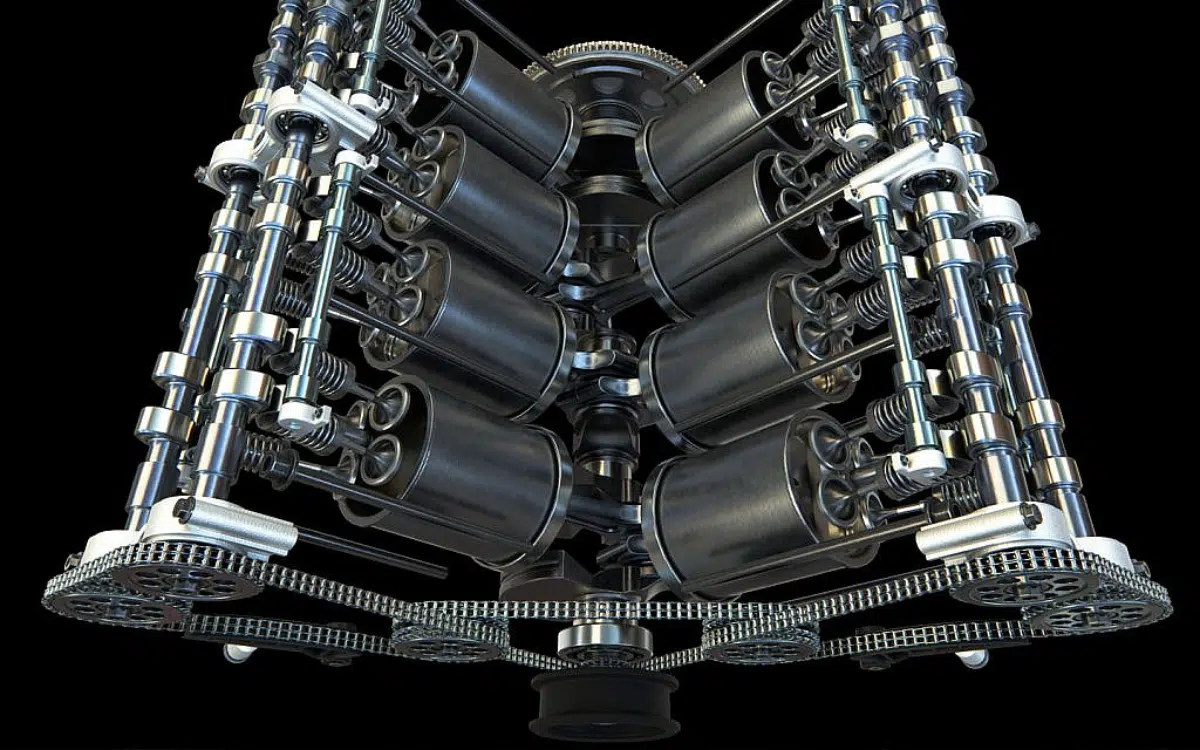
V Engines, like inlines, are so-named because the engine’s cylinders are arranged in a V formation.
You will always find V engines with an even number of cylinders. And because of the V formation, you can fit in anything up to 12 cylinders.
Cylinders are the power unit of the engine, so the more cylinders you have, the more powerful the engine is. That’s why you hear about supercars having V8,10 or even 12, because they’re more powerful.
V engines cost more than an inline engine and will break in a more complex way, so they will also cost more money to fix.
The configuration saves space, and the shorter cylinders create more torque than inline models.
Flat Engines
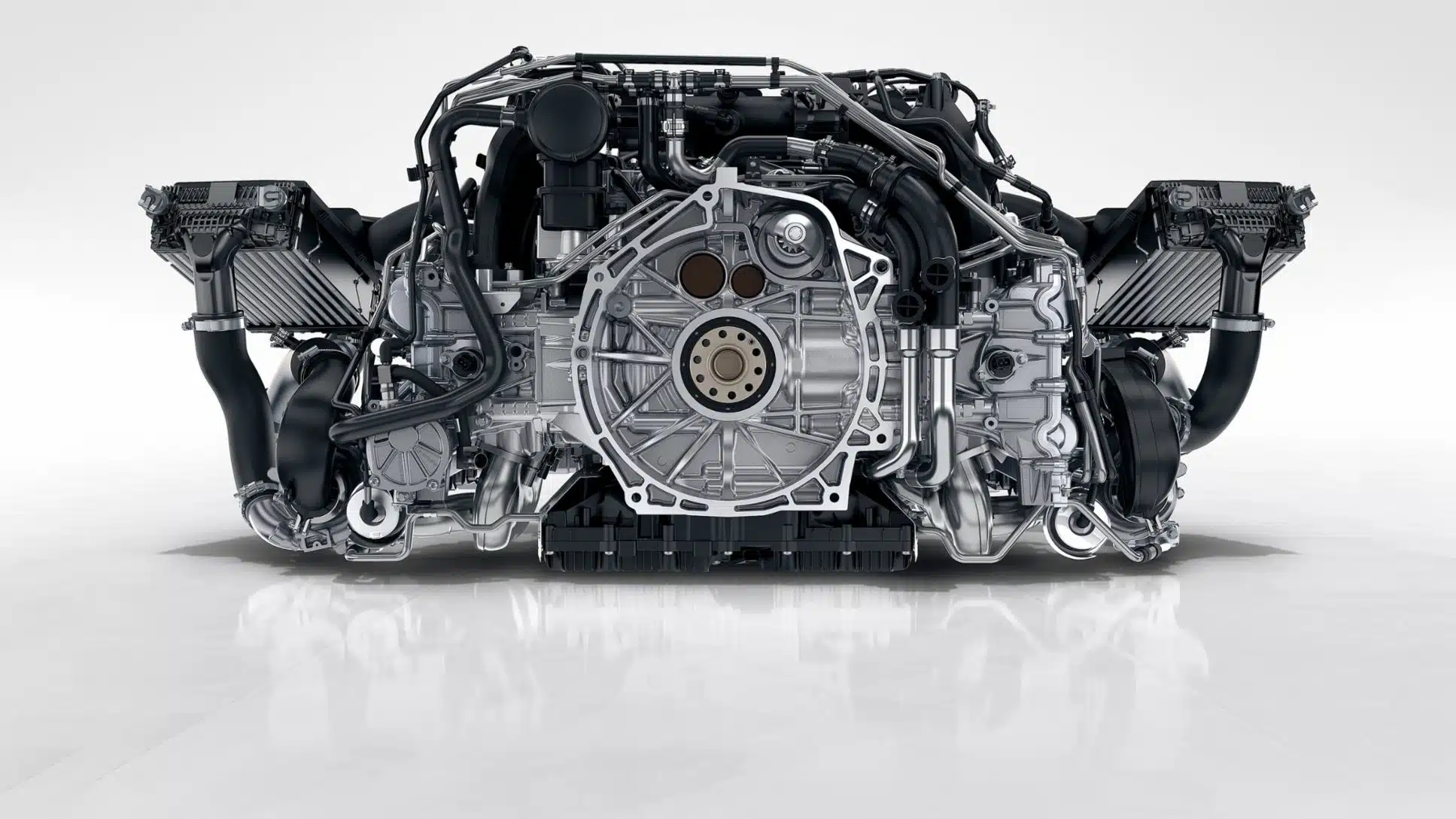
Flat engines are less common than an inline or V engine, and the cylinders are arranged horizontally like a flat version of the V engine.
Flat engines are found in Porsches and Subarus because they have a low centre of gravity, which helps aerodynamics, and their perfect balance creates high performance with little, if any, vibration.
The only issue with a flat engine is how much space it takes up, as it’s incredibly wide. And because of the high-performance aspect, cars with one of these engines can be incredibly expensive.
W Engines
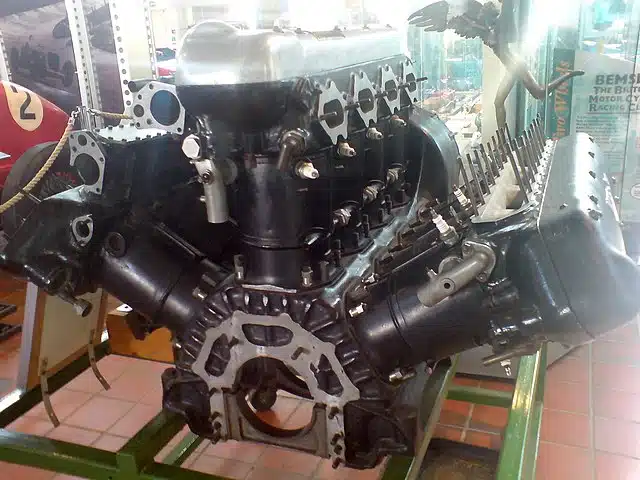
W engines are for small but powerful cars. If V engines are perfect for small crankshafts, the W engine halves that.
Instead of having engines in banks of two in a V shape, the W engine, unsurprisingly, has it in a W shape, which is very efficient and a good use of space.
The W engine has the same issues as a V engine, and are also expensive, because you’re packing a lot of cylinders into a smaller space.
You can find W engines inside Volkswagen cars, but they are for smaller vehicles that need more power.
Daisy is a technology and automotive journalist covering artificial intelligence, consumer tech, Apple news, cryptocurrency, emerging technologies, and transportation innovation. Since joining the team in 2025, she has reported on everything from AI-powered startups and major iOS updates to viral car stories and the latest developments shaping transportation and the digital economy. Drawing on her background in automotive journalism and a degree in History and Journalism from Goldsmiths, University of London, Daisy specializes in breaking down complex topics into clear, engaging reporting for a global audience. Her work spans cutting-edge technology, innovative vehicles, and the people driving change across both industries. Daisy has gained first-hand access to some of the world's most talked-about technologies and innovators, including meeting Tesla's Optimus humanoid robot during its first European appearance in London. She has also discussed the future of space exploration with an astronaut, bringing unique insights and real-world perspectives to her coverage of emerging technology.