Exclusive $200,000-a-year boarding school takes delivery of a $17M solar-electric superyacht for student sailing trips
Published on Oct 08, 2026 at 10:49 AM (UTC-4)
by Alessandro Renesis
Last updated on Oct 08, 2026 at 10:49 AM (UTC-4)
Edited by
Mason Jones
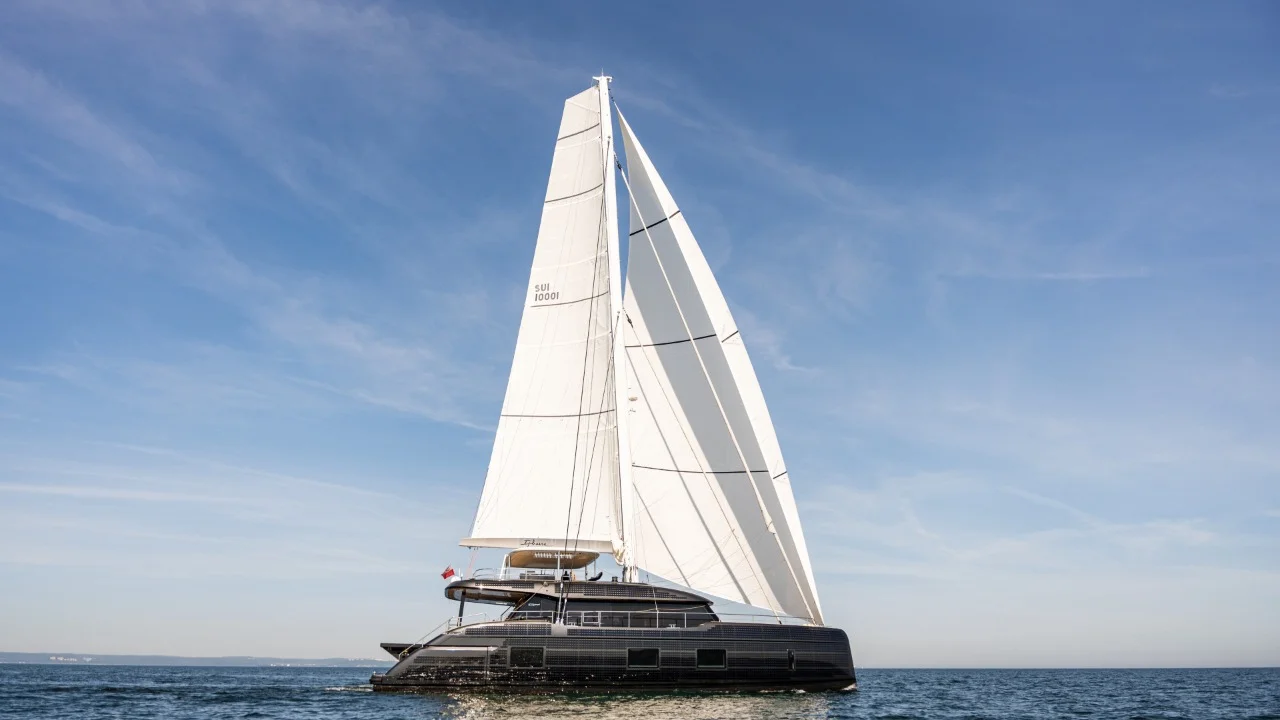

A Swiss boarding school just took delivery of a solar-powered electric superyacht for its students.
And yes, this is a real project, with the yacht commissioned by the school’s former director.
The yacht cost around $17 million – and here’s how it’s going to be used.
This is one of the ‘greenest’ yachts in the world
We should always be careful when using the words ‘clean’ and ‘green’ in yachting, which is possibly the least energy efficient form of transport alongside aviation.
But, all things considered, this solar-powered electric superyacht is quite green.
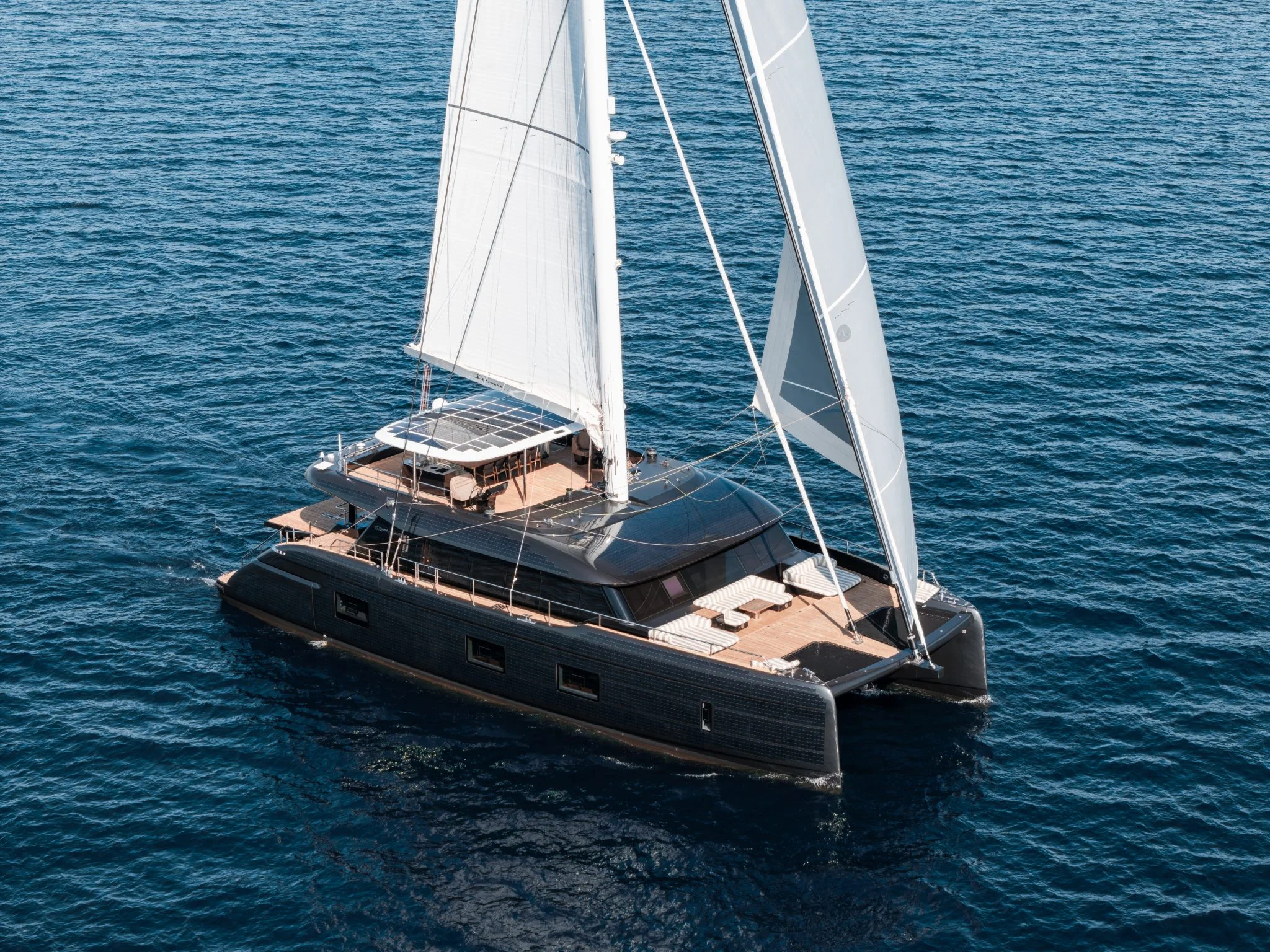
Built by Sunreef Yachts, Ipharra (sometimes also called known as II or 100 Eco Ipharra) is a 94-foot (28.65-meter) yacht powered by solar energy that recharges the electric motors.

What the school will use the yacht for
Institut Le Rosey is a very expensive Swiss boarding school.
Tuition and boarding fees hover around 130,000–160,000 CHF, which converts to roughly $170,000–$200,000 per year.
That works out to over $16,000 per month.
That’s way above the median salary in every country in the world.

The Swiss boarding school accepts around 420 students per year.
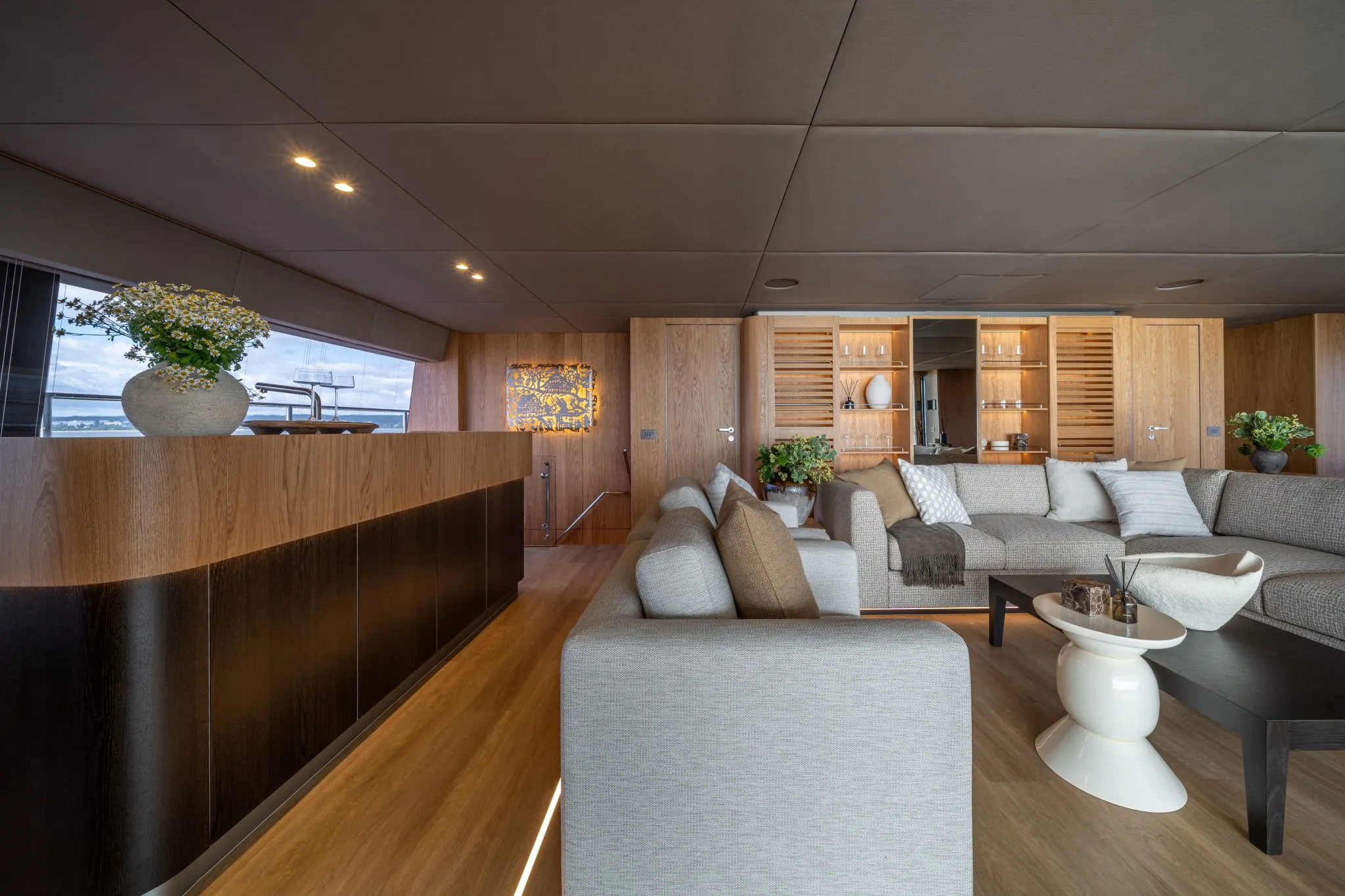
The yacht is set to give students hands-on educational opportunities at sea.
Students will study ocean conservation, renewable energy technologies, electronic navigation, and traditional sailing mechanics on the high seas.
The main reason why it’s so hard to make a superyacht efficient
With a car or a train, extra weight creates a few problems, but these problems are mostly limited to efficiency and fuel consumption.
When it comes to yachts and planes, extra weight means extra safety hazards.
Pound for pound, the energy-to-weight ratio provided by massive diesel engines – which is what most yachts use – is miles better than that of batteries.
Marine diesel fuel delivers roughly 12,000 Wh/kg in terms of energy density, whereas top-tier lithium-ion marine battery packs yield around 150–250 Wh/kg.
Even accounting for electric motor efficiency, which is significantly higher, fuel remains around 15-20 times lighter per usable unit of energy.
Relatively small(ish) yachts can be powered by solar energy and batteries, but this becomes difficult or downright impossible for bigger yachts.
The battery pack would simply be too heavy, and the boat would sink.
As battery technology improves, energy density will get better and, sooner or later, this problem will be resolved.
But, for now, it isn’t.
Alessandro is an automotive journalist with 10 years of experience covering supercars, automotive history, emerging vehicle technology, and luxury transportation. He wrote the first article published on SupercarBlondie.com when the website launched in 2022 and has since built a reputation for insightful reporting across the automotive and transportation industries. His expertise is grounded in hands-on experience. Alessandro has driven every Tesla model ever produced, from the original Roadster to the Cybertruck, and regularly covers the latest developments in electric vehicles and automotive innovation. His passion for transportation extends beyond cars, he has even flown a Boeing 787 Dreamliner simulator in Addis Ababa, Ethiopia. His reporting spans everything from classic American muscle cars and rare automotive discoveries to luxury yachts, private aircraft, high-end watches, and cutting-edge vehicle technology. Known for his deep knowledge of automotive history and ability to uncover the stories behind iconic vehicles, Alessandro brings readers a blend of historical context, technical expertise, and first-hand experience.