12-year-old student invents emergency breathing filter using an everyday phone grip to help people escape smoke
Published on Oct 06, 2026 at 5:36 AM (UTC-4)
by Daisy Edwards
Last updated on Oct 06, 2026 at 5:36 AM (UTC-4)
Edited by
Mason Jones
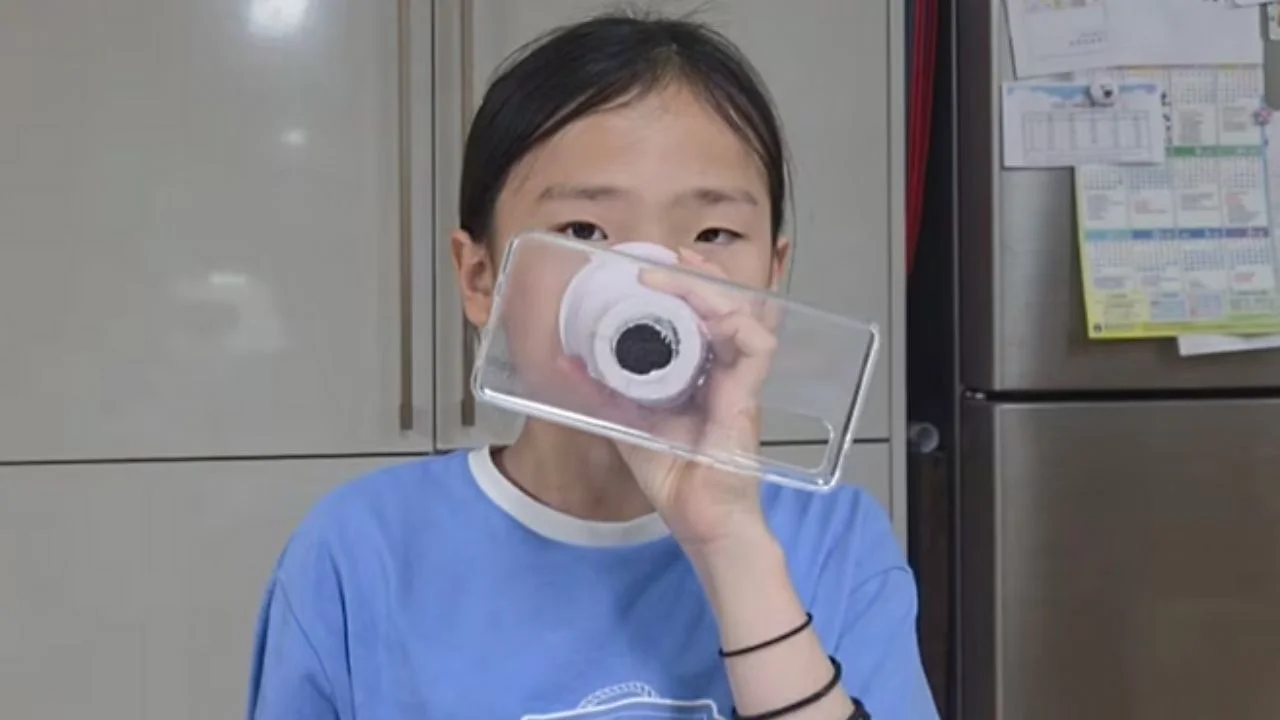

A 12-year-old student has turned one of the most ordinary things people keep beside their bed, a phone grip, into a clever piece of emergency equipment designed to help people escape smoke from a fire.
Kim Ji-on, a fifth-grade student at Chilcheon Elementary School in Geoje, South Korea, came up with a smartphone grip that unfolds into a temporary breathing aid containing activated carbon and a nonwoven filter.
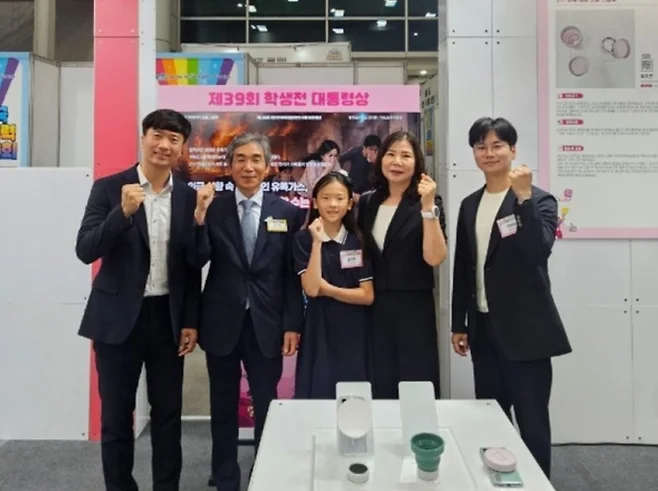
Her invention went on to win the Presidential Award at South Korea’s 2026 Korea Student Invention Exhibition, beating thousands of entries from students across the country.
It started with a devastating hotel fire
Kim first became interested in the problem after watching reports about the 2024 fire at a hotel in Bucheon, where smoke spread rapidly through the building and seven people died, and she decided she needed to make a gadget to help people in similar situations.
Reports at the time said many of the victims died from smoke inhalation, while investigators also found that the hotel did not have a sprinkler system.
What particularly stuck with Kim was hearing that some people trapped inside had made what turned out to be their final phone calls to their families.
She began wondering whether there was something people could have with them at all times that might help them breathe while escaping.
The answer, rather surprisingly, was the smartphone.
Kim later visited a fire station as part of a school activity, where she learned that smoke and toxic gases can incapacitate people before flames actually reach them.
That prompted her to think about turning the phone grip already attached to a smartphone into something more useful during those crucial first moments of a fire.
Related


The phone grip transforms into a breathing filter
With help from her teachers, Kim developed what is called the ‘Initial Fire Evacuation Breathing GripTok’.
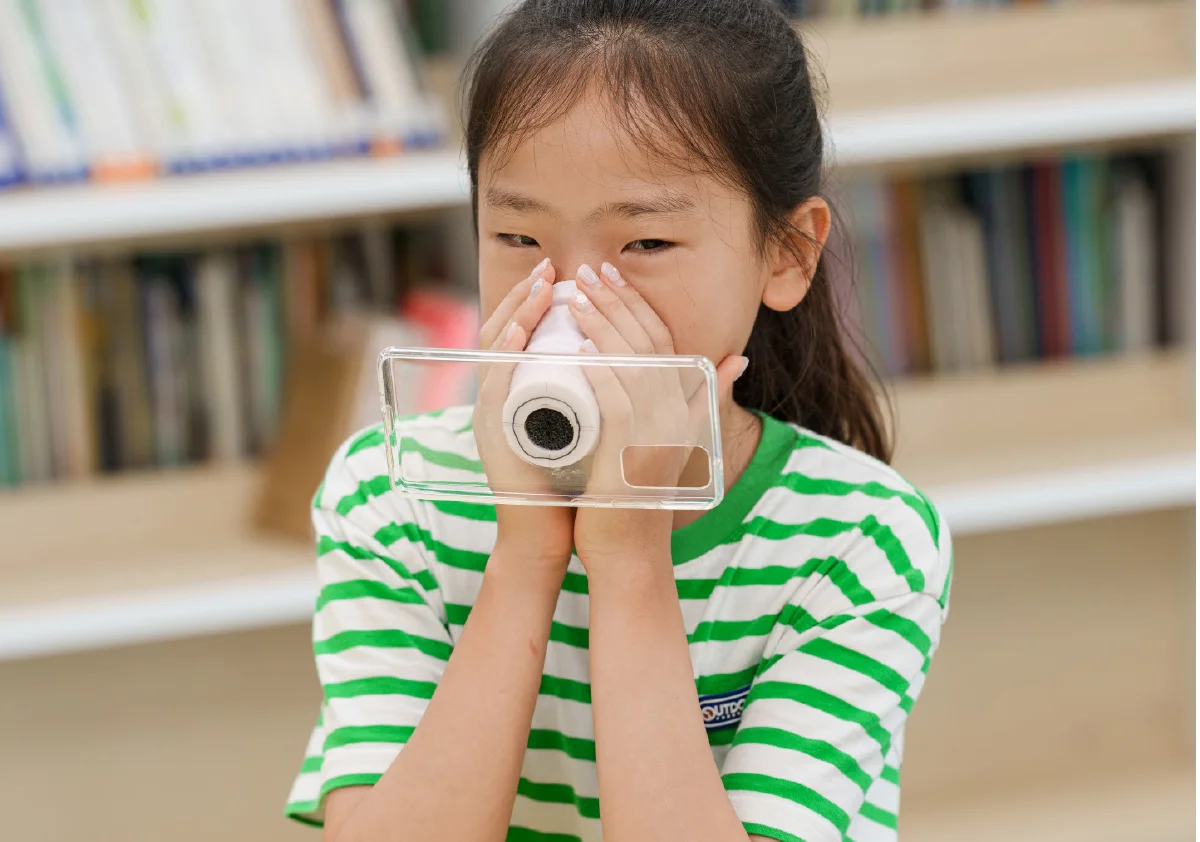
During normal use, it works like an expandable smartphone grip, but in an emergency, it can be unfolded and positioned over the nose and mouth.
Inside are activated carbon material and a nonwoven filter, and the activated carbon is intended to absorb certain harmful gases, while the nonwoven material can capture fine particles in smoke.
And there’s a very practical reason for putting it on a phone.
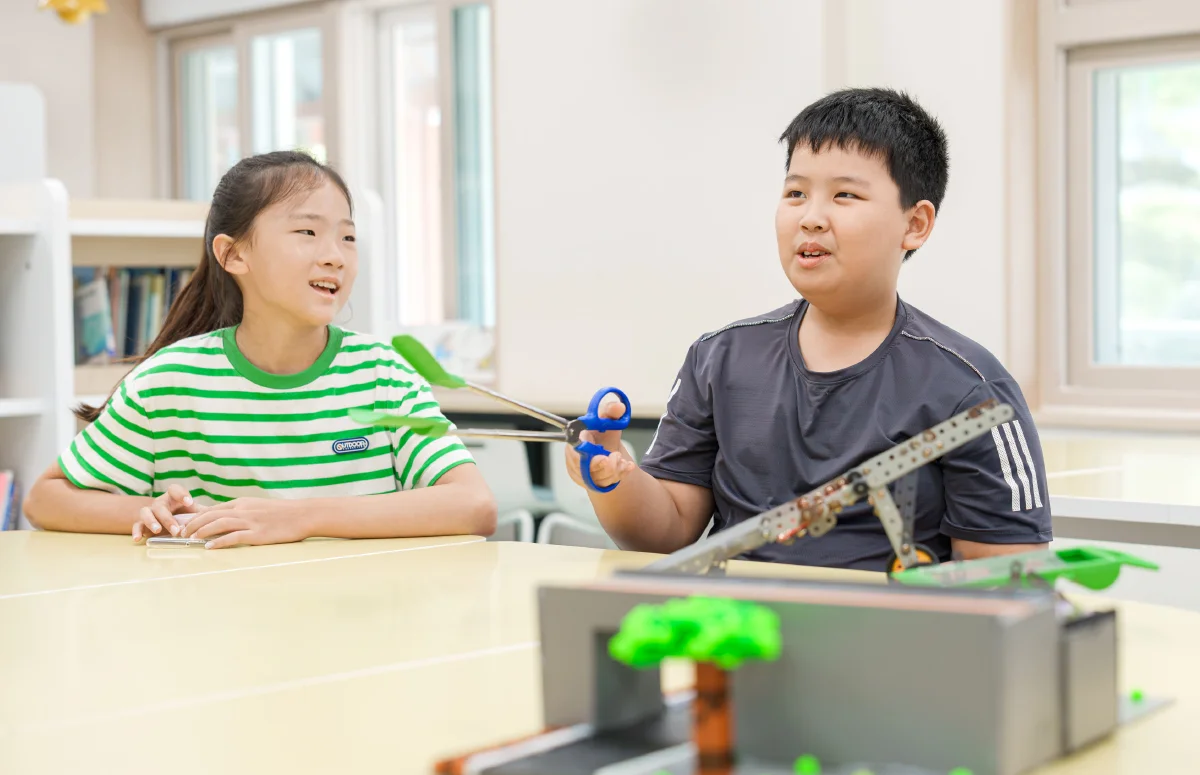
A smartphone is something people are likely to grab immediately during an emergency, and it may already be sitting on a bedside table when a fire breaks out at night.
Kim told Korean media that she wanted to attach protective equipment to something people carry with them and keep nearby while sleeping, potentially making it easier to access during an emergency.
The invention isn’t intended to replace a proper gas mask or certified escape respirator.
Kim herself acknowledged that it would not provide protection for as long as a real gas mask, but said it could potentially buy someone the crucial first one or two minutes needed to escape.
That’s an important distinction because fire smoke can contain carbon monoxide, and standard activated carbon does not effectively remove carbon monoxide on its own.
Proper fire escape respirators therefore require specifically designed filtration systems and testing.
She beat nearly 7,000 inventions to win the top prize
The little phone accessory ended up making a very big impression.
A total of 6,959 ideas were submitted to the 2026 Korea Student Invention Exhibition, with 183 inventions ultimately selected for awards following a nine-stage judging process.
Kim’s invention took the Presidential Award – the competition’s highest honor – despite her competing against older middle and high school students.
The exhibition was part of South Korea’s 2026 Youth Invention Festival, held in Daegu from July 30 to August 1, and even more impressively, this was reportedly Kim’s first invention competition.
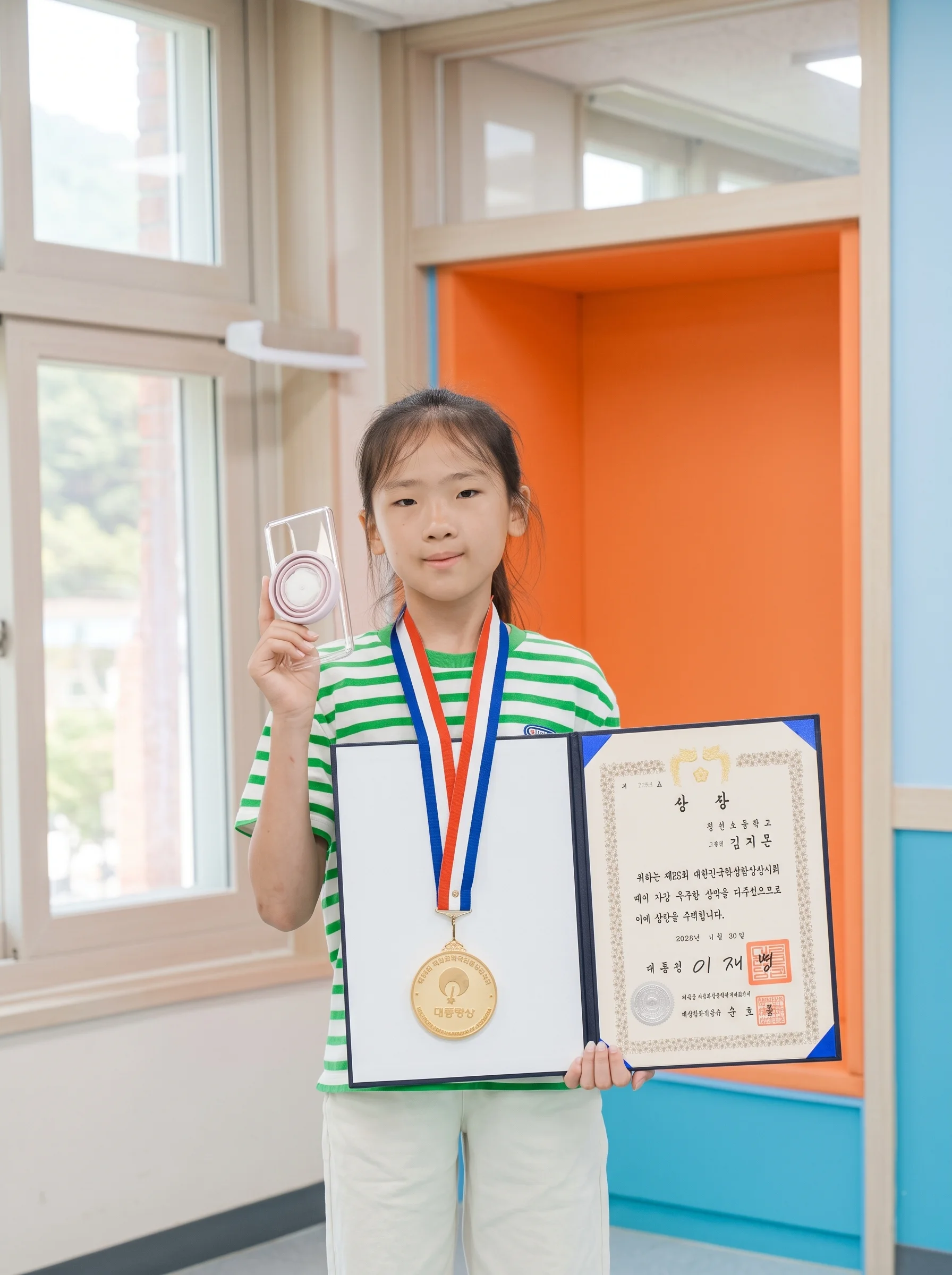
She also plans to donate her 3 million won prize money, worth around $2,120, to help people in developing countries, according to Korean and international reports, not bad for a simple phone grip.
And while it may still need plenty of development and testing before it could become a real-world fire safety product, Kim has managed to turn an everyday smartphone accessory into an idea that could make people think very differently about what they reach for when the fire alarm goes off.
Daisy is a technology and automotive journalist covering artificial intelligence, consumer tech, Apple news, cryptocurrency, emerging technologies, and transportation innovation. Since joining the team in 2025, she has reported on everything from AI-powered startups and major iOS updates to viral car stories and the latest developments shaping transportation and the digital economy. Drawing on her background in automotive journalism and a degree in History and Journalism from Goldsmiths, University of London, Daisy specializes in breaking down complex topics into clear, engaging reporting for a global audience. Her work spans cutting-edge technology, innovative vehicles, and the people driving change across both industries. Daisy has gained first-hand access to some of the world's most talked-about technologies and innovators, including meeting Tesla's Optimus humanoid robot during its first European appearance in London. She has also discussed the future of space exploration with an astronaut, bringing unique insights and real-world perspectives to her coverage of emerging technology.




