How close are we to how the 1927 film Metropolis imagined what 2026 would look like
Published on Jan 05, 2026 at 4:14 PM (UTC-5)
by Alessandro Renesis
Last updated on Jan 05, 2026 at 4:14 PM (UTC-5)
Edited by
Amelia Jean Hershman-Jones
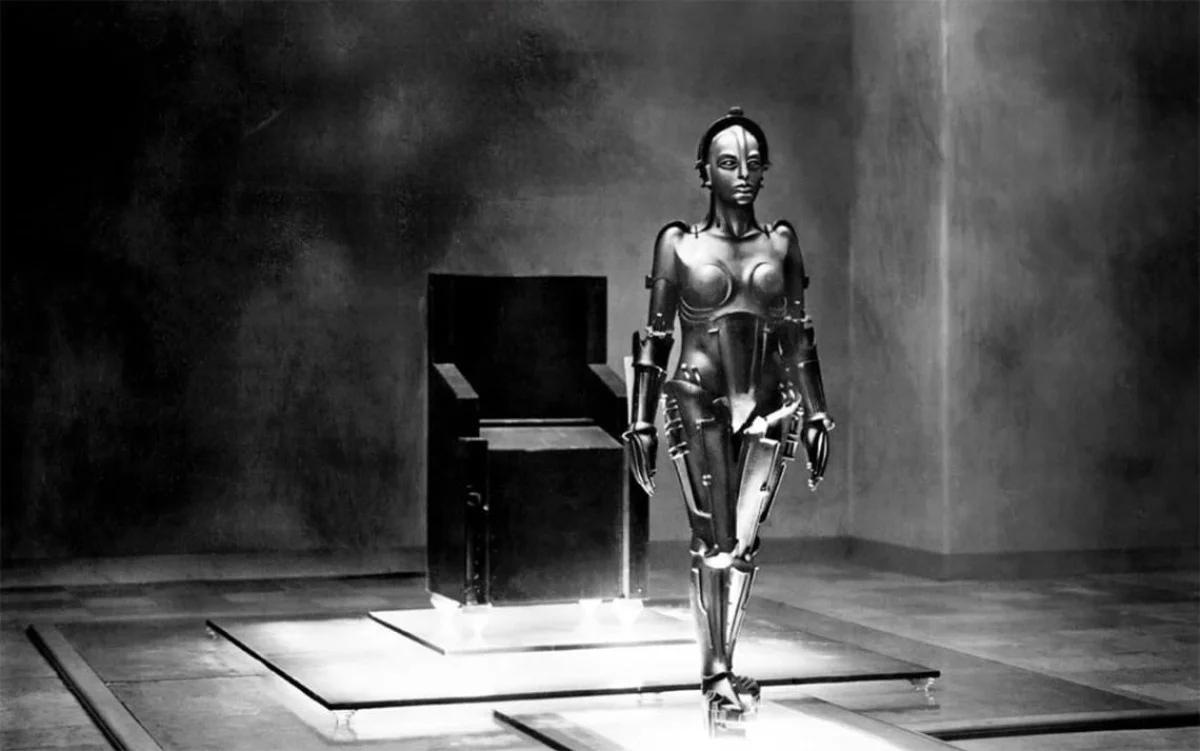

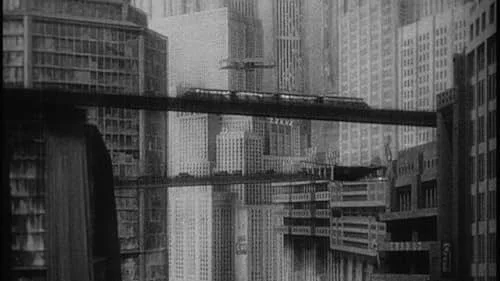
The 1927 film Metropolis, a movie that’s nearly 100 years old, is going viral because it was set in what we now call ‘present day’ – the year 2026.
Technically, this is a German-language movie, but that really doesn’t matter because it’s a silent movie.
But what matters is that now, 100 years later, we find ourselves in the surreal position of being able to watch this movie and compare what they thought 2026 would look like to what it actually looks like.
While the creators managed to nail several aspects of our modern social structure and technology, they also fell into the same trap as every other visionary in history, predicting two things that still aren’t here.
DISCOVER SBX CARS: The global premium car auction platform powered by Supercar Blondie
Metropolis nailed at least two or three things about today’s world
The 1927 film Metropolis was probably what we’d call a ‘box office bomb’.
It cost the equivalent of $24.5 million to film and only made back $1 million.
It wasn’t even particularly popular with critics, who apparently accused its story of being ‘naive’.
Today, 100 years later and with tons of hindsight, the first thing we can say about this movie is that there are a couple of aspects of modern society it absolutely nailed.
Among other things, Metropolis predicted the rise of video calling.
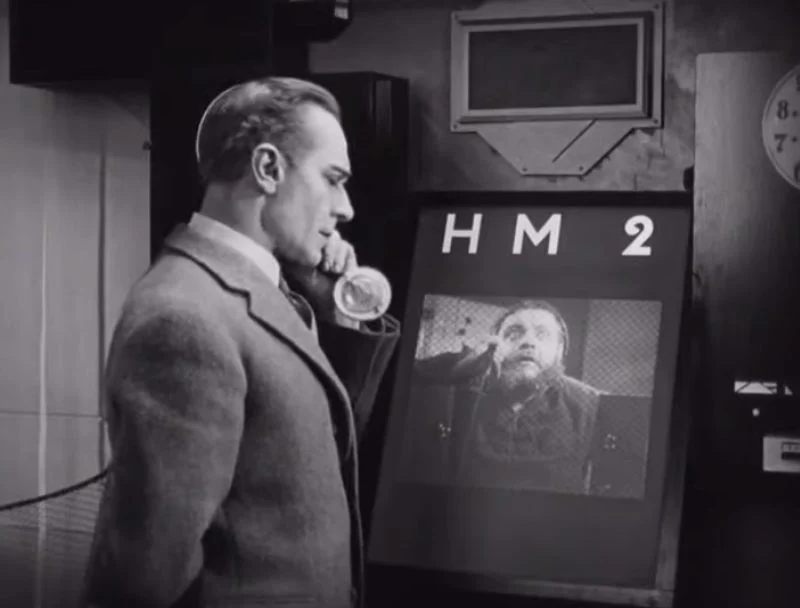
One of the film’s most famous scenes features one of the main characters using a wall-mounted screen to video call his subordinates.
It also predicted deepfakes, which is incredible if you think about it, because predicting deepfakes in 1927 must’ve required an incredible combination of brainwork and creativity.
Last but certainly not least, it predicted the general idea of workers becoming invisible drones doing the heavy lifting for the rich.
That’s pretty accurate, too.
Related
The two things the movie got wrong
Nearly every single movie set in this century but filmed decades ago predicted two things: flying cars and robots.
And for the most part, they all got it wrong, including the 1927 film Metropolis.
In 2026, flying cars exist, but they’re still far from mainstream.
In fact, they’re not even in ‘beta phase’ – you only have a few pilot programs in a handful of cities like Dubai in the UAE and Shenzhen, China, and even then, they’re restricted to pre-approved flight corridors.
The same goes for robots – or androids, to be accurate.
While companies like Tesla show off prototypes like Optimus, they are essentially just high-end marketing ploys for now.
Indeed, some companies are already employing these androids, but they’re only doing so in closed environments for repetitive tasks.
The idea that you can just go out there and buy an android that drives you to work and then gets back home to do house chores is still years, if not decades, away.
Alessandro is an automotive journalist with 10 years of experience covering supercars, automotive history, emerging vehicle technology, and luxury transportation. He wrote the first article published on SupercarBlondie.com when the website launched in 2022 and has since built a reputation for insightful reporting across the automotive and transportation industries. His expertise is grounded in hands-on experience. Alessandro has driven every Tesla model ever produced, from the original Roadster to the Cybertruck, and regularly covers the latest developments in electric vehicles and automotive innovation. His passion for transportation extends beyond cars, he has even flown a Boeing 787 Dreamliner simulator in Addis Ababa, Ethiopia. His reporting spans everything from classic American muscle cars and rare automotive discoveries to luxury yachts, private aircraft, high-end watches, and cutting-edge vehicle technology. Known for his deep knowledge of automotive history and ability to uncover the stories behind iconic vehicles, Alessandro brings readers a blend of historical context, technical expertise, and first-hand experience.




