1986 TV program made surprisingly accurate prediction about what driving cars would be like today
Published on Sep 06, 2025 at 9:34 PM (UTC-4)
by Daisy Edwards
Last updated on Sep 06, 2025 at 9:34 PM (UTC-4)
Edited by
Emma Matthews
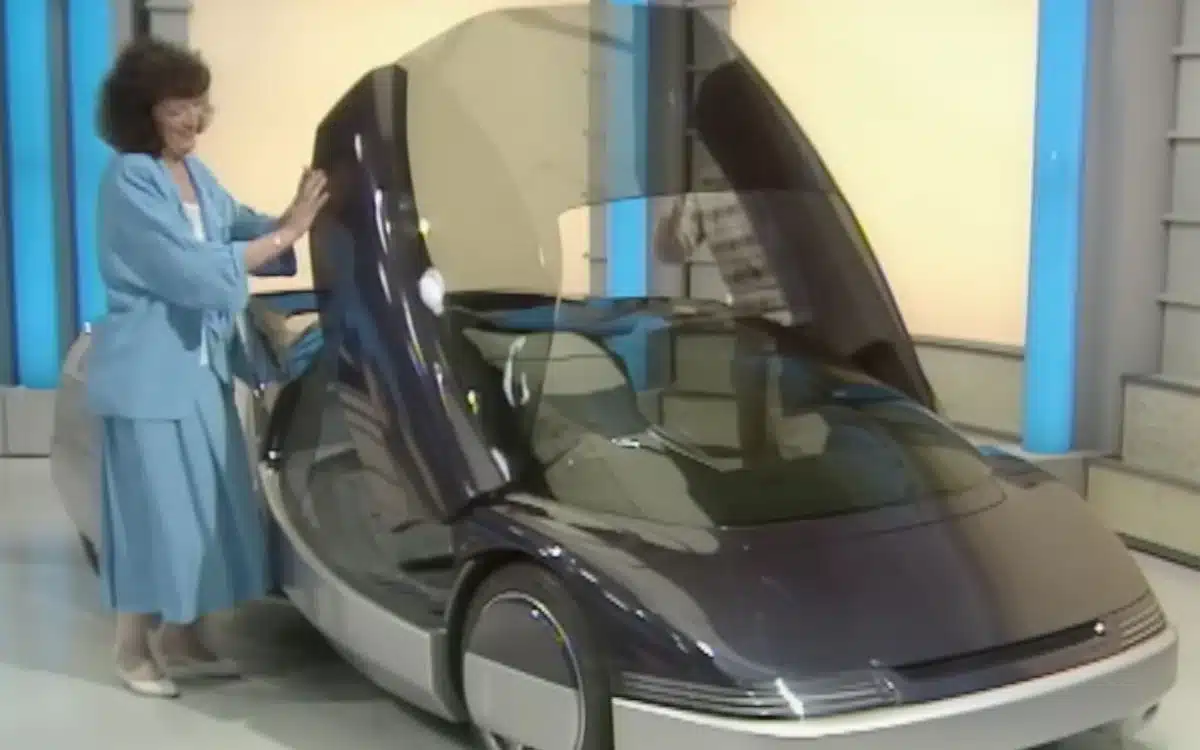

There’s nothing like when pop culture from the past accurately predicts the future, and Tomorrow’s World, a 1986 TV program, made a surprisingly accurate prediction about what driving cars would be like today.
The show aired on the BBC throughout the ’80s and was known for showing off the tech of the future. But almost 40 years on, it’s weird to see how accurate some of the predictions were.
Tomorrow’s World predicted things that have become part of everyday Western driving culture, like screen-based infotainment systems, in-car GPS technology, and even a live traffic network.
The alarmingly accurate predictions make us wonder what cars will be like 40 years from now, and whether we will be able to predict the future as accurately as the BBC did.
EXPLORE SBX CARS – Supercar auctions starting soon powered by Supercar Blondie
The surprisingly accurate prophetic 1986 TV program
When the Tomorrow’s World episode aired in 1986, it discussed what the potential future of the world of driving would be like. But there’s a good chance nobody thought that their predictions would be so spot on.
While the BBC version of the car of the future looked like any kind of modern hypercar with batwing doors, it was the inside that was remarkably spot on.
Firstly, the host of the program showed the car that had ditched traditional dials and gauges for a primarily screen-based display. At the time, this was radical.
But now you can’t help but think of Tesla’s central touchscreen.
The 1986 car of the future also came with a very early and rudimentary prototype of an in-car Sat Nav, the navigation system came with ‘bubble memory’, an early digital storage technology.
It’s kind of like Waze’s great-great-great-great-great-grandparent.
The difference between the ’80s version of the GPS and today’s was that the maps didn’t update if a road was closed or there was traffic.
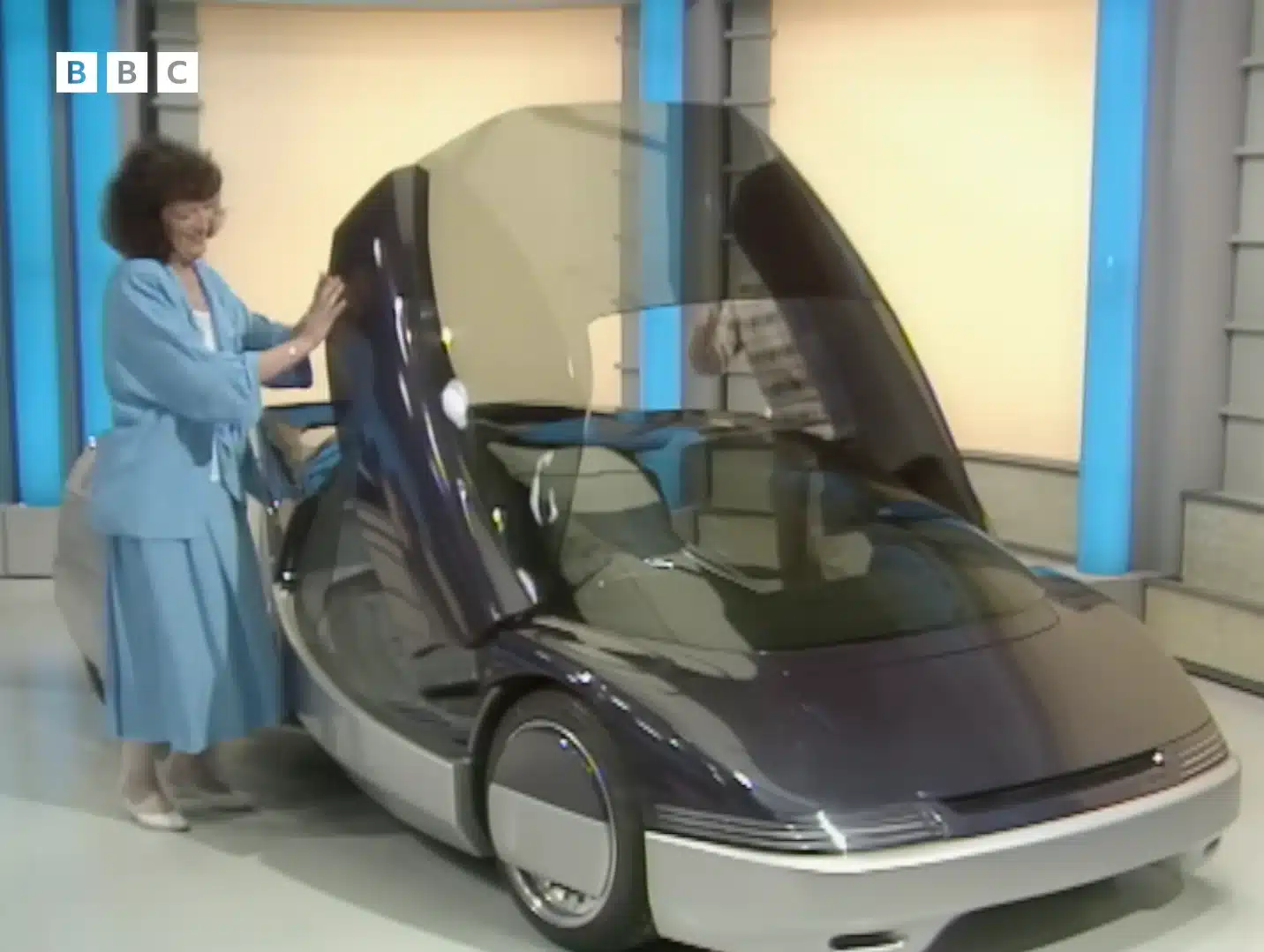
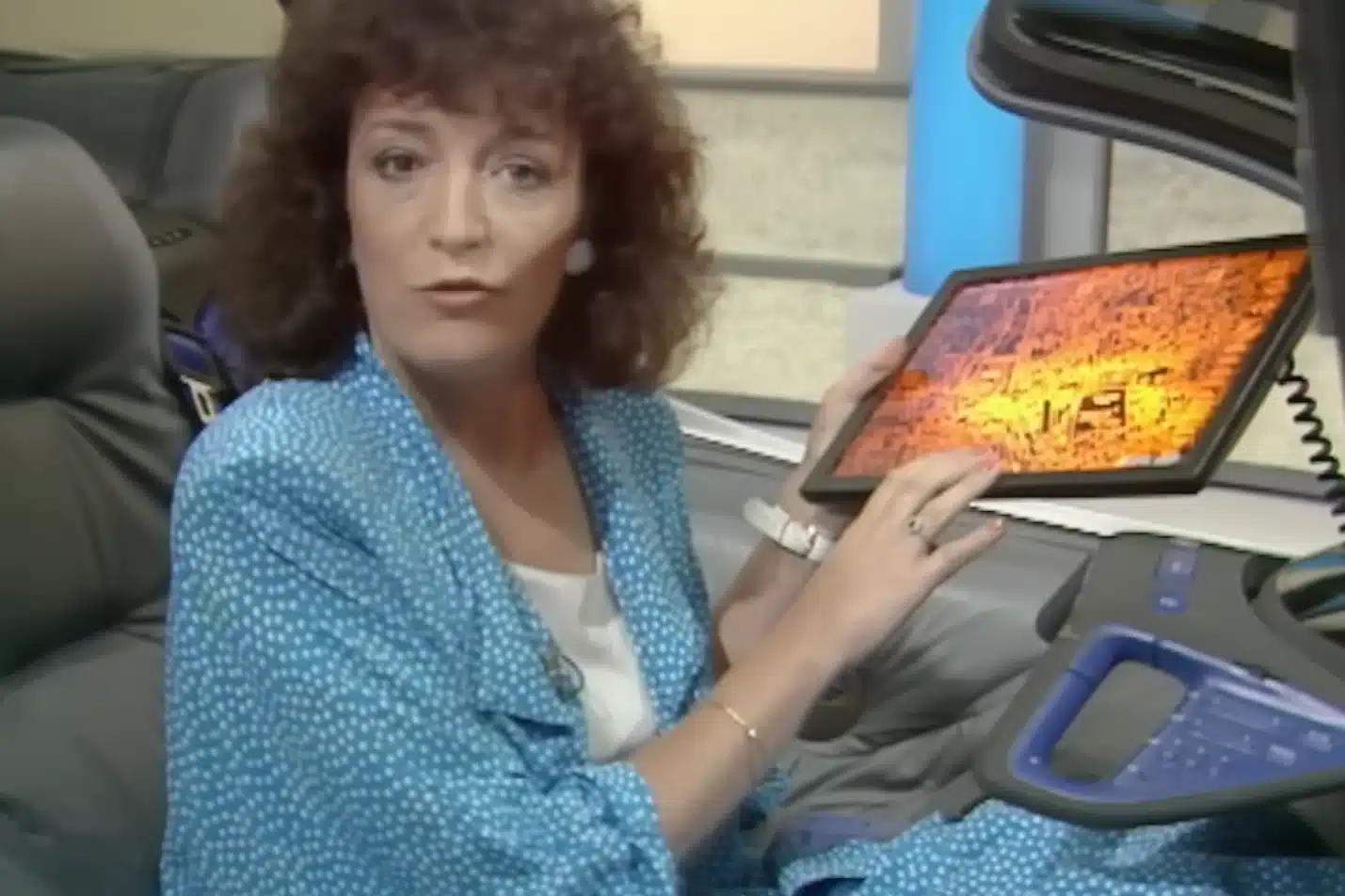
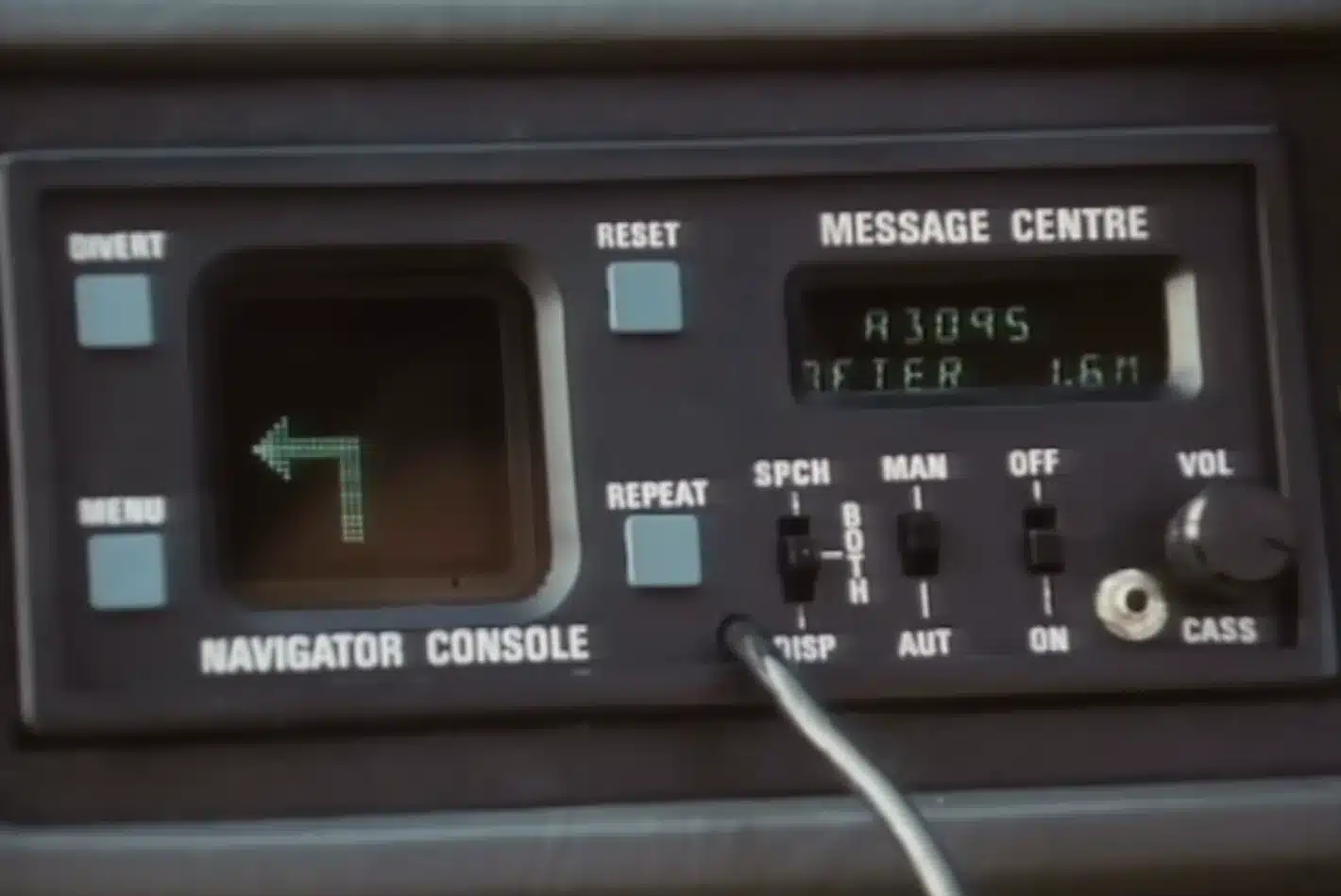
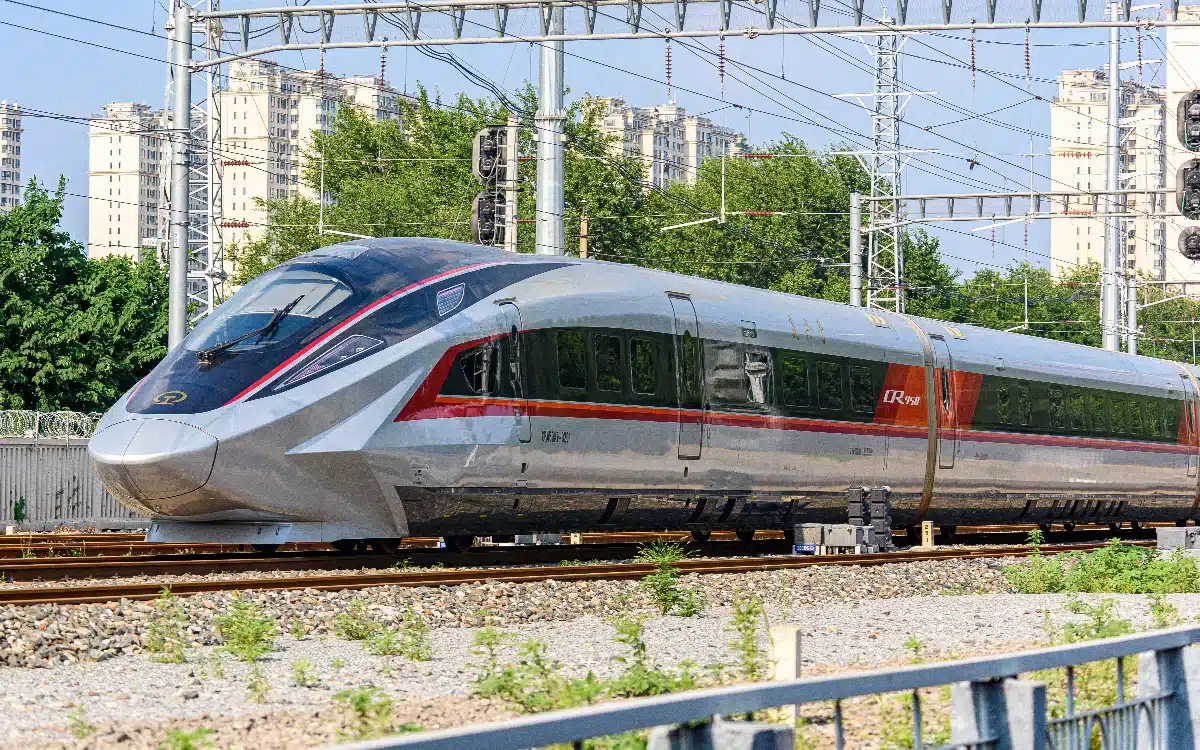
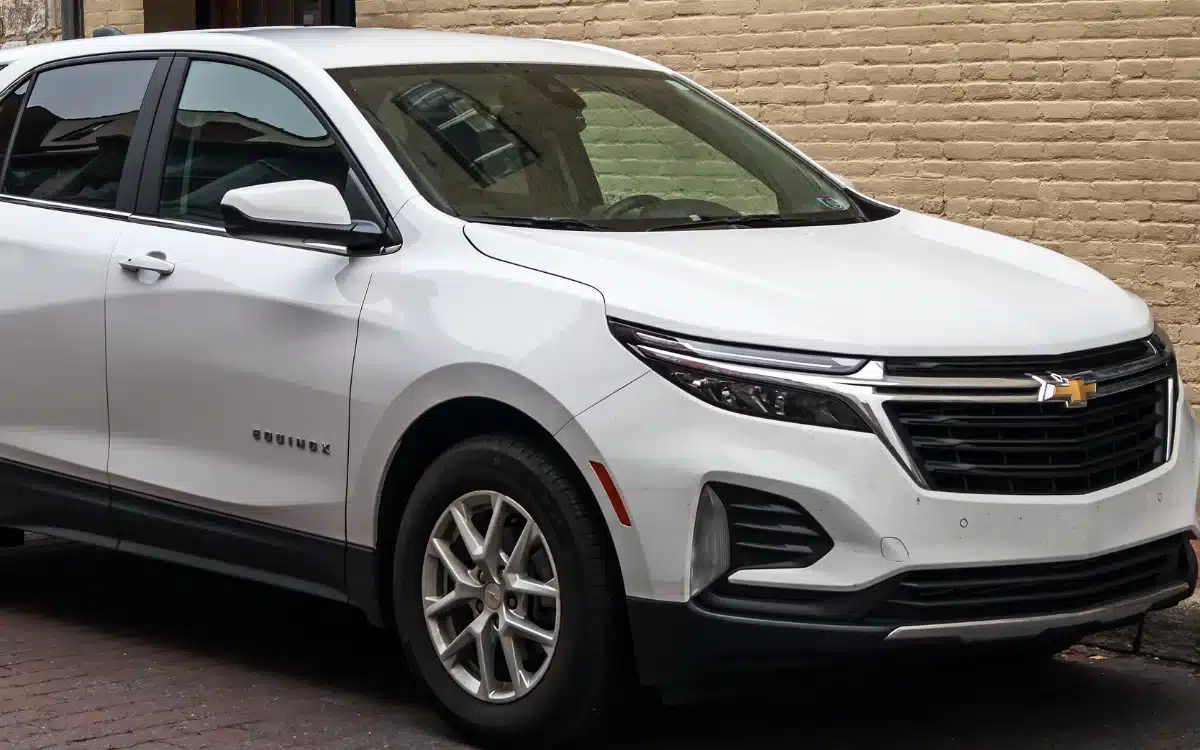
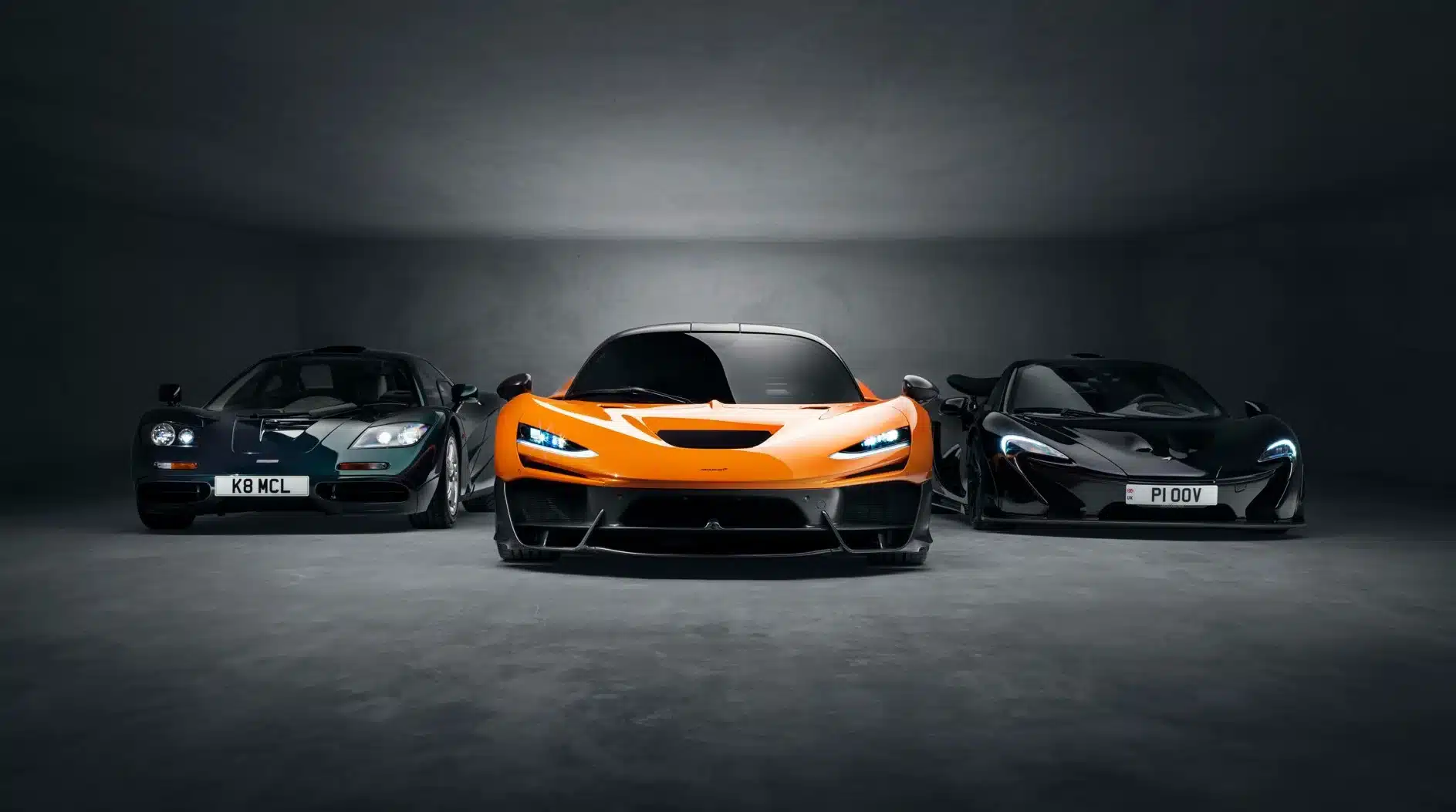
What the ’80s thought driving cars would be like today
The BBC also predicted that there would be roadside computers that directed cars. In an experiment, a Range Rover communicated with in-road sensors and redirected traffic if there was a jam.
While they hadn’t managed to incorporate it into the GPS system yet, this is something that certainly happens today with traffic rerouting apps.
These demo computers even showed how, if a pile-up delayed one driver, the central computer would instantly redirect following cars to a faster route.
That’s eerily close to the way modern navigation apps crowdsource traffic data from millions of users.
The 1986 TV program makes you think, how surprisingly accurate would the 2020s equivalent of cars of the future be in 40 years, and will we be able to predict as accurately as the BBC did back in the eighties?

Daisy is a technology and automotive journalist covering artificial intelligence, consumer tech, Apple news, cryptocurrency, emerging technologies, and transportation innovation. Since joining the team in 2025, she has reported on everything from AI-powered startups and major iOS updates to viral car stories and the latest developments shaping transportation and the digital economy. Drawing on her background in automotive journalism and a degree in History and Journalism from Goldsmiths, University of London, Daisy specializes in breaking down complex topics into clear, engaging reporting for a global audience. Her work spans cutting-edge technology, innovative vehicles, and the people driving change across both industries. Daisy has gained first-hand access to some of the world's most talked-about technologies and innovators, including meeting Tesla's Optimus humanoid robot during its first European appearance in London. She has also discussed the future of space exploration with an astronaut, bringing unique insights and real-world perspectives to her coverage of emerging technology.




