Air Traffic Control is a tech masterpiece that quietly stops hundreds of disasters every day
Published on Mar 09, 2026 at 2:12 AM (UTC+4)
by Daisy Edwards
Last updated on Mar 09, 2026 at 12:33 PM (UTC+4)
Edited by
Amelia Jean Hershman-Jones
Air Traffic Control is a technological work of art that quietly stops hundreds of disasters every day – but many of us take it for granted.
Around 100,000 flights take to the skies daily, carrying more than 10 million passengers around the world.
Despite that enormous amount of traffic, mid-air collisions are incredibly rare.
That is thanks to one of the most impressive technology systems that most people never even think about.
Click the star icon next to supercarblondie.com in Google Search to stay ahead of the curve on the latest and greatest supercars, hypercars, and ground-breaking technology
The incredible tech that lets controllers see every plane in the sky
Before Air Traffic Control can guide the 100,000 aircraft across the world in the sky each day, it first has to see them, and that’s where technology comes in.
It all begins with radar, where large rotating dishes send out radio signals that bounce off aircraft and show controllers where something is flying.
But modern tracking goes much further because aircraft carry transponders that reply when radar pings them, sending back information like their flight number and altitude.
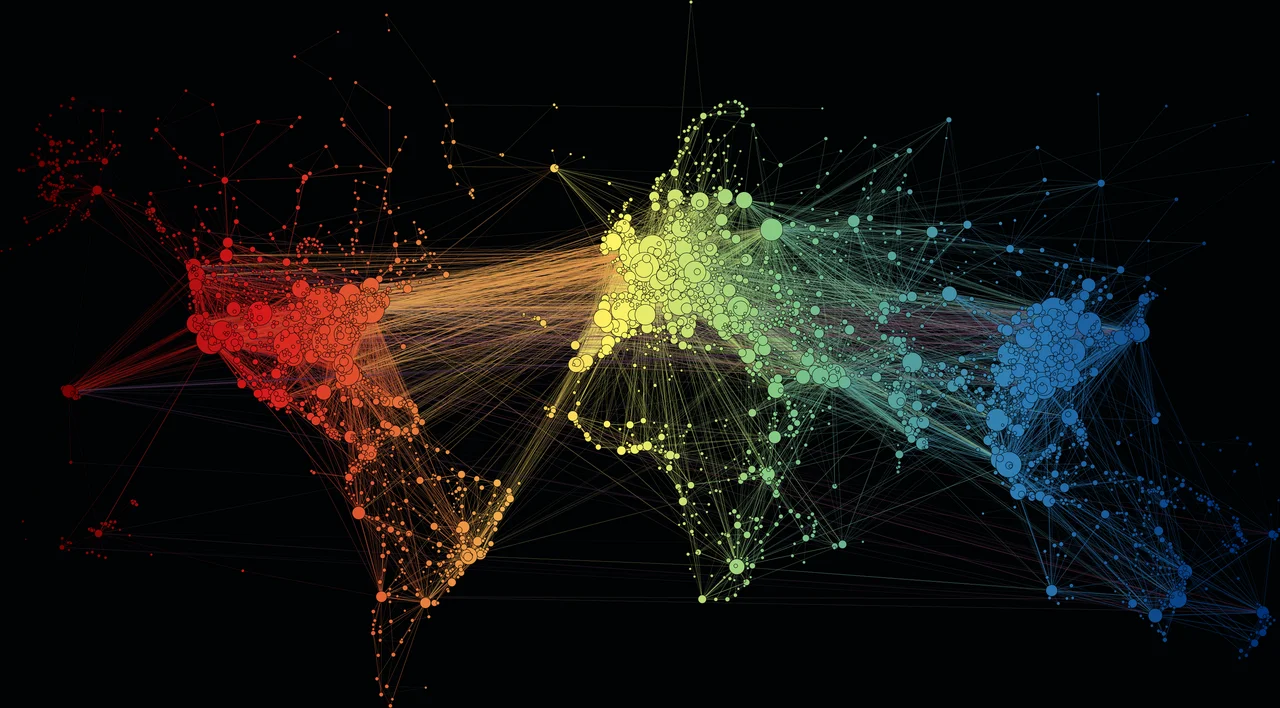
This is why controllers see labeled aircraft on their screens rather than just moving dots.
Many modern aircraft also broadcast their GPS location using a system called ADS-B.
It works a bit like live location sharing on your phone, constantly transmitting an aircraft’s position, speed, and direction.
Even in places where radar coverage is limited, other technologies can triangulate the aircraft’s position, while satellites now track flights over oceans and remote regions.
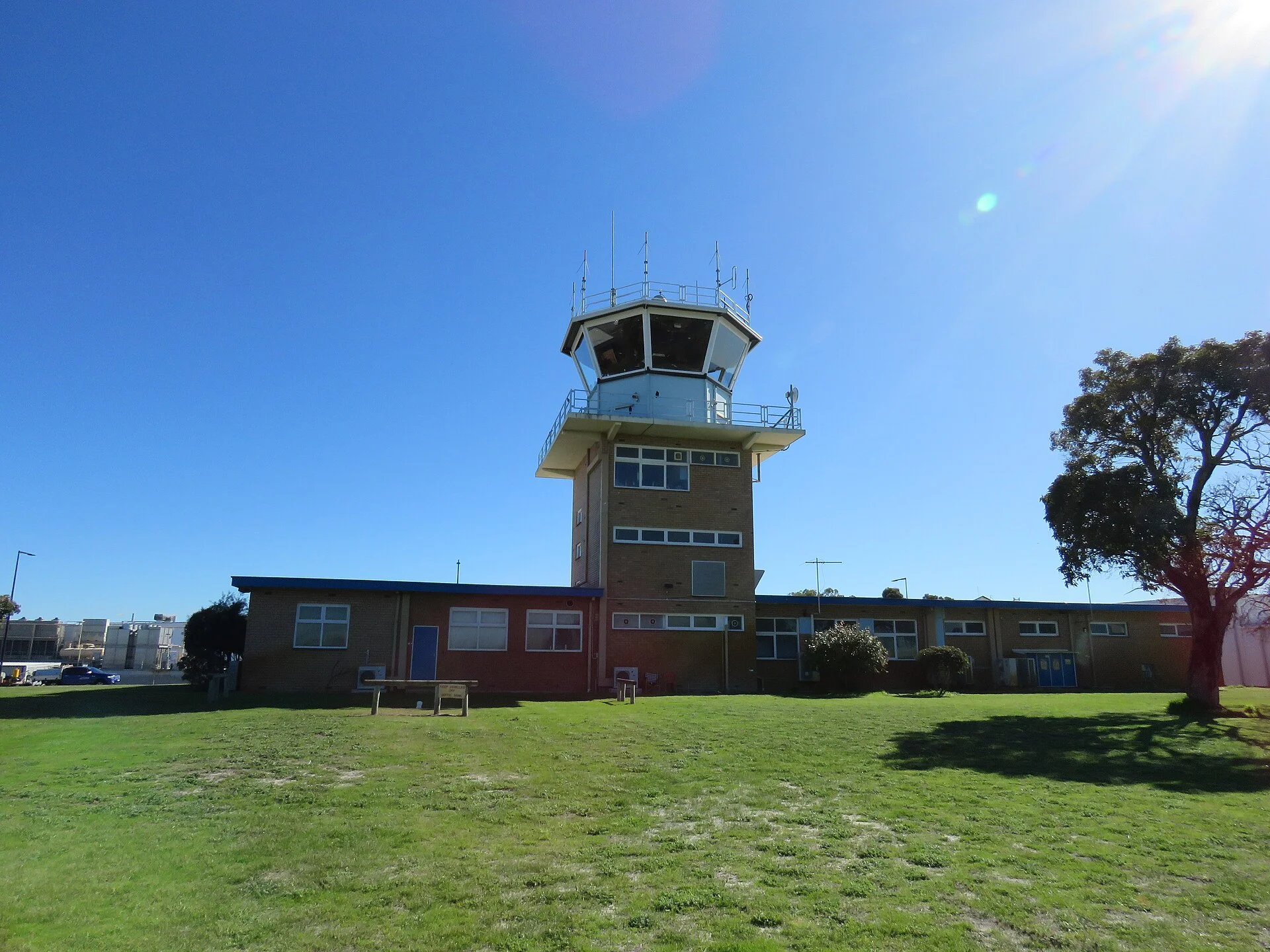
Air Traffic Control works hard to keep the planes separate in the sky
Seeing aircraft is only part of the job because the real tech masterpiece magic comes from the software constantly checking that every plane stays safely spaced from the others.
Controllers have warning systems that predict problems before they happen.
If two aircraft appear to be getting too close, a Short-Term Conflict Alert flashes on screen so the controller can quickly adjust their paths.
Other systems monitor altitude to make sure aircraft stay clear of terrain and mountains.
Aircraft themselves also have a powerful backup called the Traffic Alert and Collision Avoidance System (TCAS), a collision-avoidance computer that can instruct pilots to climb or descend immediately if another plane gets too close.
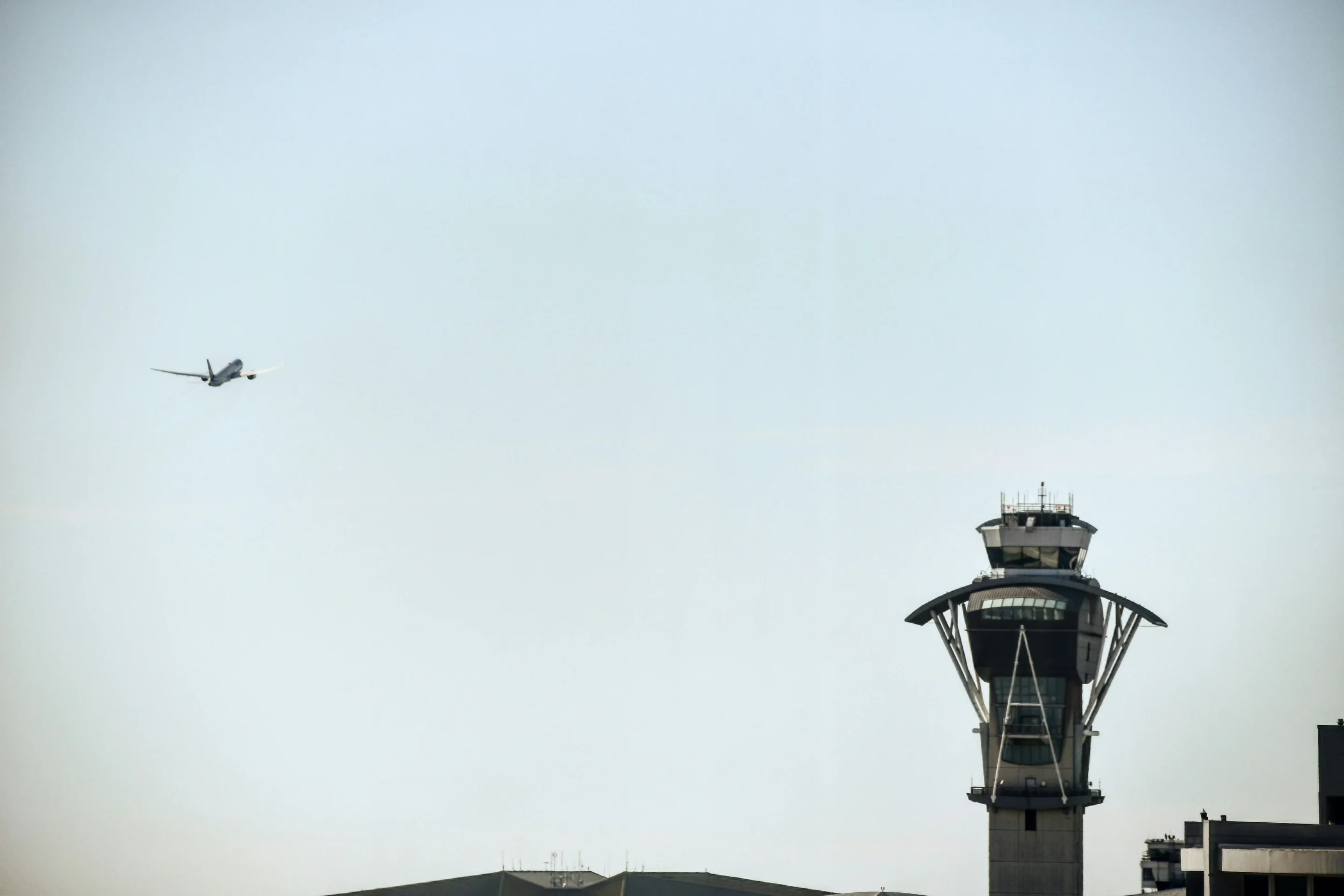
Together, these layers of technology create one of the most advanced safety systems in the world.
Radar, satellites, onboard computers, and smart warning software all work together to manage thousands of flights at once.
It is a huge plane ballet choreography happening quietly in the background, ensuring passengers experience nothing more dramatic than a smooth journey from takeoff to landing, and maybe some in-flight snacks.
Check out this Xplained video to learn more about the tech masterpiece that is the world of Air Traffic Control.

DISCOVER SBX CARS: The global premium car auction platform powered by Supercar Blondie