Airport radars may accidentally be alerting aliens who are 200 light-years away, study claims
Published on Jul 09, 2025 at 10:43 PM (UTC-4)
by Alessandro Renesis
Last updated on Jul 09, 2025 at 10:43 PM (UTC-4)
Edited by
Emma Matthews
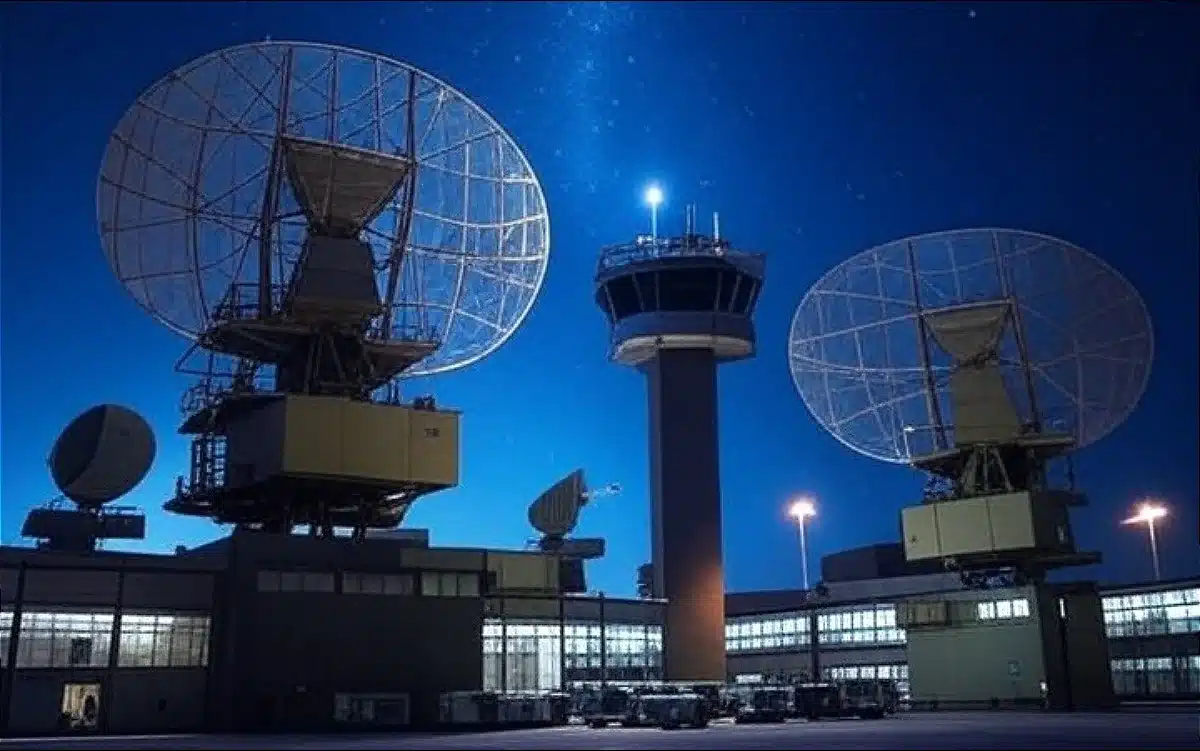

A new study shows that airport radars could potentially act as beacons and could be alerting aliens who happen to be light-years away and listening.
According to the new study, it is possible that some of these radar signals could be interpreted as a form of life.
And the study also confirms these signals are clearly much stronger than we think.
Imagine flying from JFK to LAX and having an alien 200 light-years away saying, ‘Oh, look, humans are on the move again’.
DISCOVER SBX CARS: The global premium car auction platform powered by Supercar Blondie
The reason why airport radars could send these signals
This study may sound a bit bizarre, but it isn’t.
According to a study conducted by the University of Manchester, presented at the Royal Astronomical Society’s National Astronomy Meeting (NAM 2025), airport radar signals could unintentionally provide proof that we exist.
The study examined ‘electromagnetic leakage’ from civilian airport radars, and preliminary findings confirm these signals could be interpreted as proof of life.
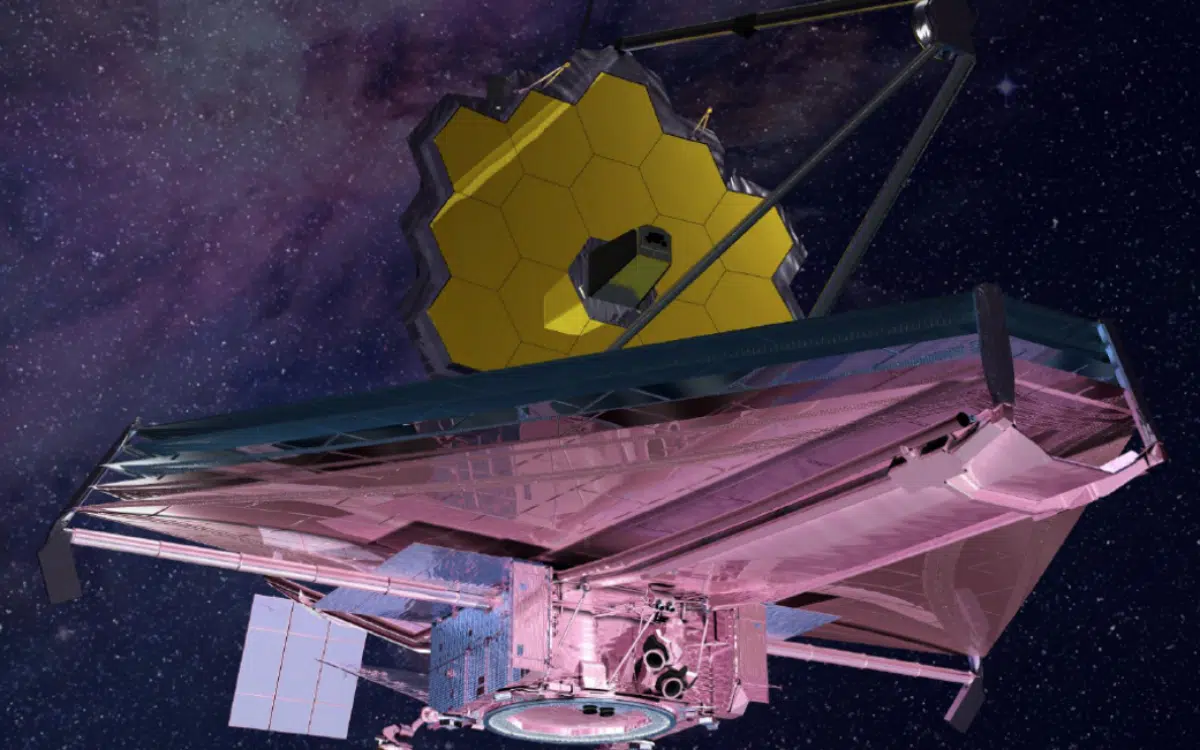
A they’re strong enough to be detected from light-years away, assuming aliens have telescopes that are as powerful as our James Webb scope. So we could be alerting aliens to our very existence.


These preliminary findings hinge on two assumptions
We should point out that these preliminary findings hinge on at least two assumptions.
First, that aliens exist, and second, if they do, they’ve got access to some pretty heavyweight tech.
The James Webb Telescope was launched in 2021 to replace the old Hubble telescope.
The new telescope is a lot more powerful than its predecessor and, thanks to its immense range, the Webb telescope is able to see things Hubble couldn’t see or – sometimes – see the same things, but better.
That’s exactly what happened.
For example, when the James Webb Space Telescope managed to provide details regarding some unidentified frozen objects rotating around Pluto’s orbit and around the orbit of two other dwarf planets, Makemake and Eris.
It would not have been possible to get that range from Hubble.
More importantly, the telescope recently confirmed the universe is expanding faster than ever, even though scientists aren’t exactly sure why.
So, assuming aliens have access to something similar, they could be sitting there, in their spaceship or their flying saucer-shaped home, and thinking:
“These creatures on that planet in the Milky Way sure do like to send these signals, don’t they?”
Click the star icon next to supercarblondie.com in Google Search to stay ahead of the curve on the latest and greatest supercars, hypercars, and ground-breaking technology.
Alessandro is an automotive journalist with 10 years of experience covering supercars, automotive history, emerging vehicle technology, and luxury transportation. He wrote the first article published on SupercarBlondie.com when the website launched in 2022 and has since built a reputation for insightful reporting across the automotive and transportation industries. His expertise is grounded in hands-on experience. Alessandro has driven every Tesla model ever produced, from the original Roadster to the Cybertruck, and regularly covers the latest developments in electric vehicles and automotive innovation. His passion for transportation extends beyond cars, he has even flown a Boeing 787 Dreamliner simulator in Addis Ababa, Ethiopia. His reporting spans everything from classic American muscle cars and rare automotive discoveries to luxury yachts, private aircraft, high-end watches, and cutting-edge vehicle technology. Known for his deep knowledge of automotive history and ability to uncover the stories behind iconic vehicles, Alessandro brings readers a blend of historical context, technical expertise, and first-hand experience.




