Arizona has been hosting the world’s largest Earth science experiment since 1987, spanning 7.2 million cubic feet
- Arizona is playing host to the world’s largest Earth science experiment
- Eight people lived inside Biosphere 2 in an environment intended to replicate Earth
- The results were mixed, to put it mildly
Published on Feb 21, 2025 at 11:02 AM (UTC-5)
by Ben Thompson
Last updated on Feb 24, 2025 at 1:54 AM (UTC-5)
Edited by
Tom Wood
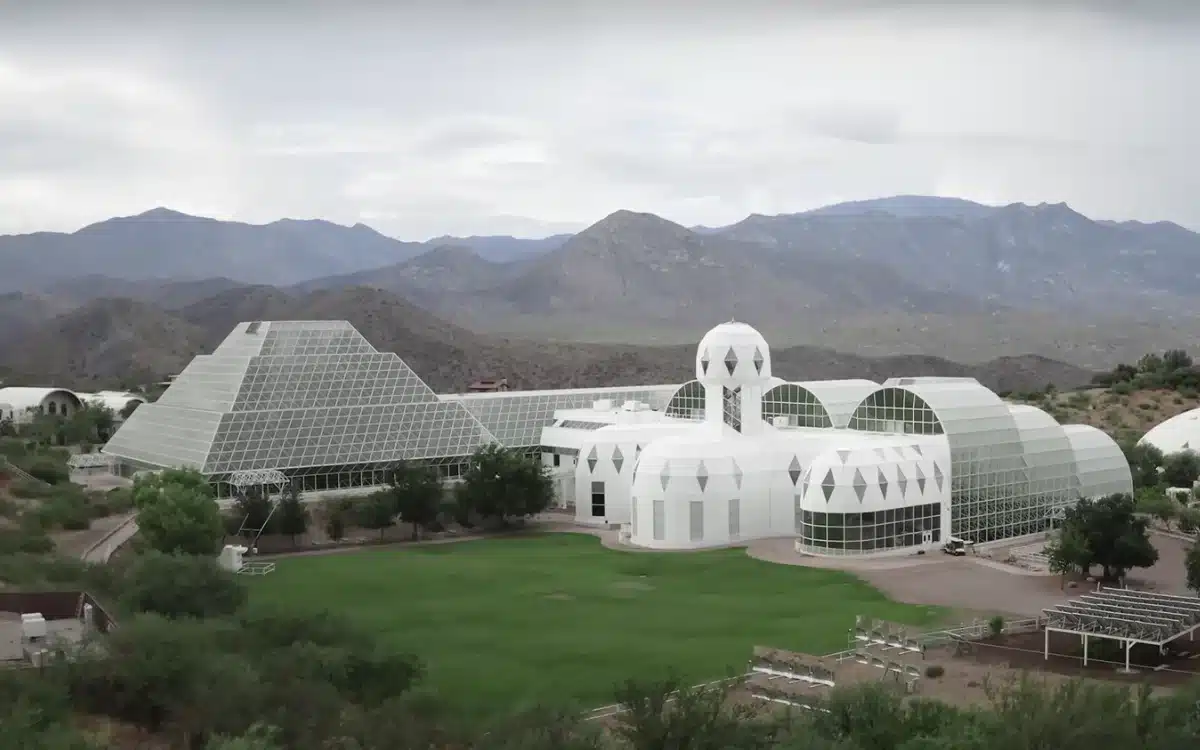

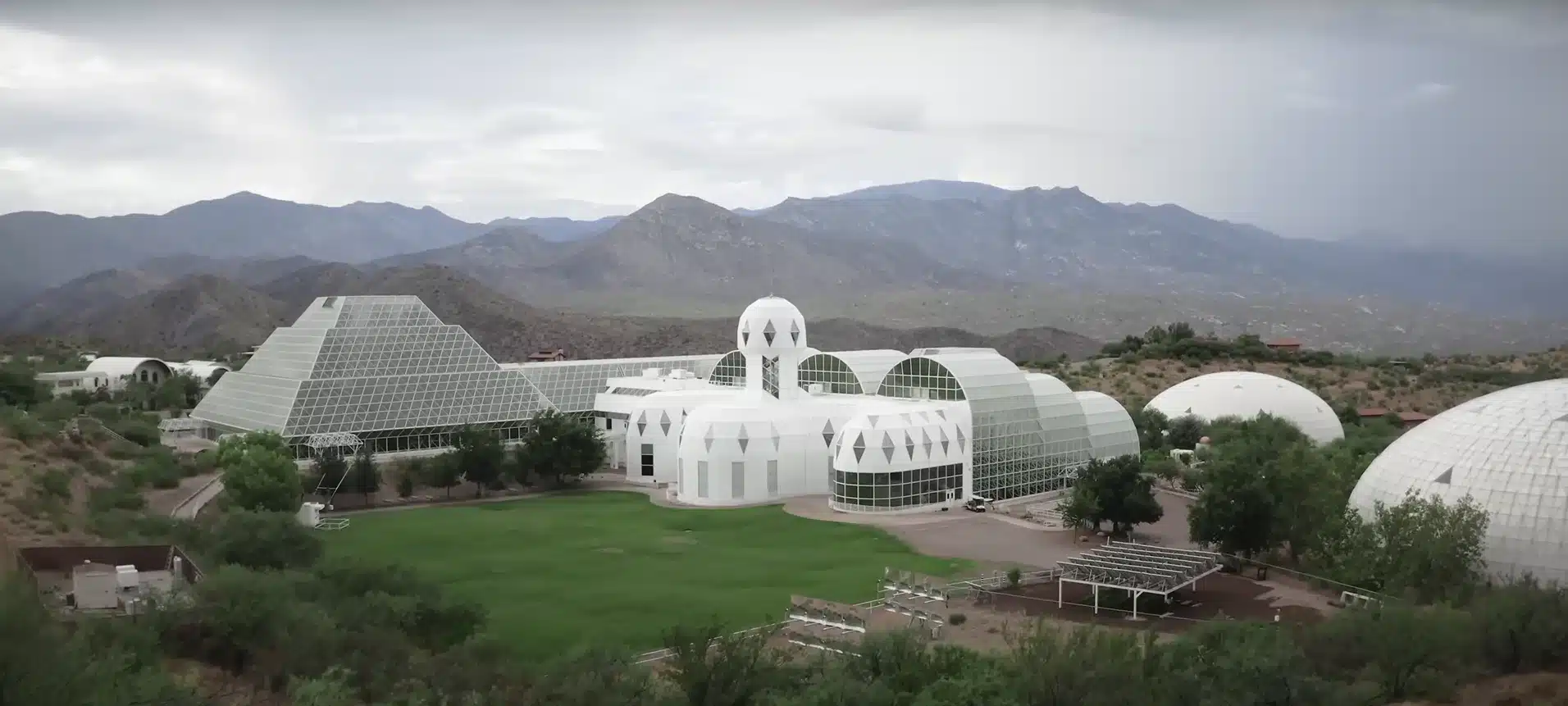
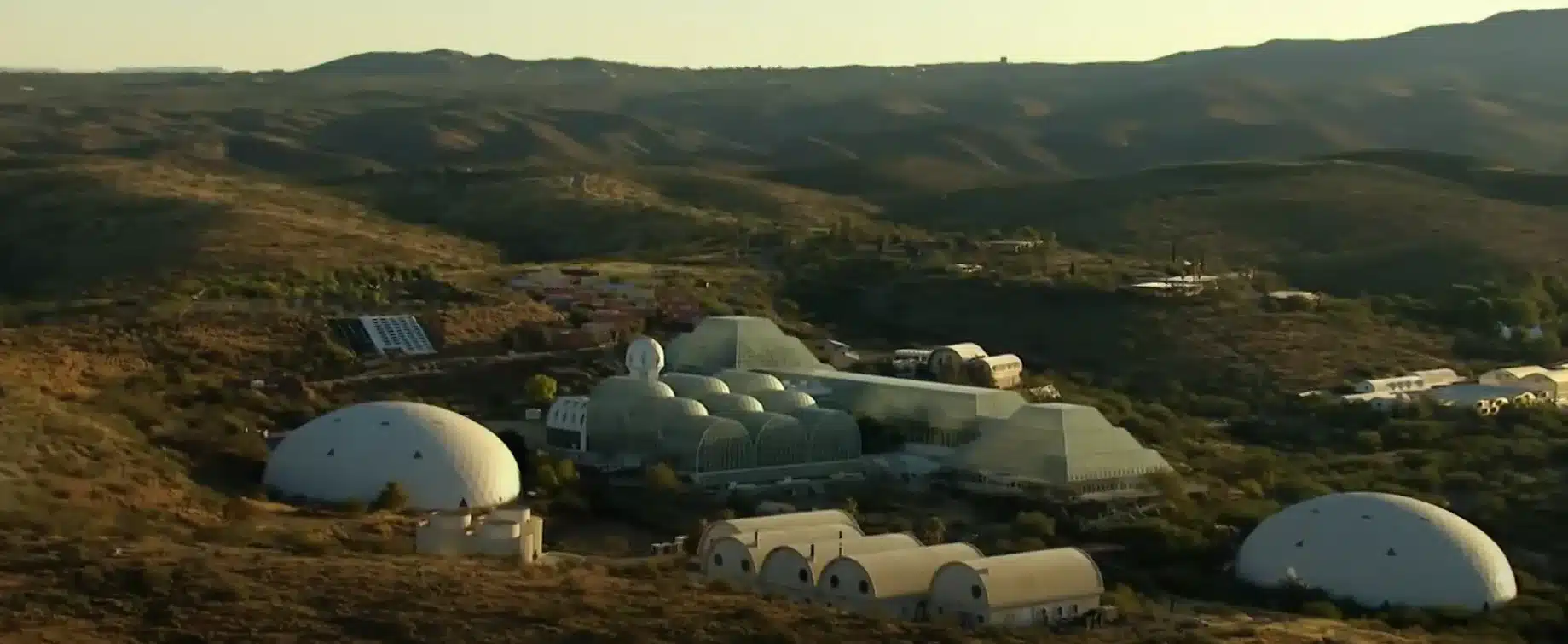
Arizona has been hosting the world’s largest Earth science experiment since 1987 – and at 7.2 million cubic feet, it’s a big one.
This is Biosphere 2, and it’s been designed to replicate Earth’s natural ecosystem in an enclosed environment.
Space Biospheres Ventures built the facility to see if humans could survive in a self-contained habit.
It cost $150 million to create, but how would it fare in the long run?
DISCOVER SBX CARS: The global premium car auction platform powered by Supercar Blondie
The 7.2 million cubic feet Arizona science experiment that didn’t go to plan
In 1991, eight people entered the facility and were sealed in.
They weren’t allowed anything from the outside world – all food and water had to come from inside the biosphere and they couldn’t communicate with outsiders.
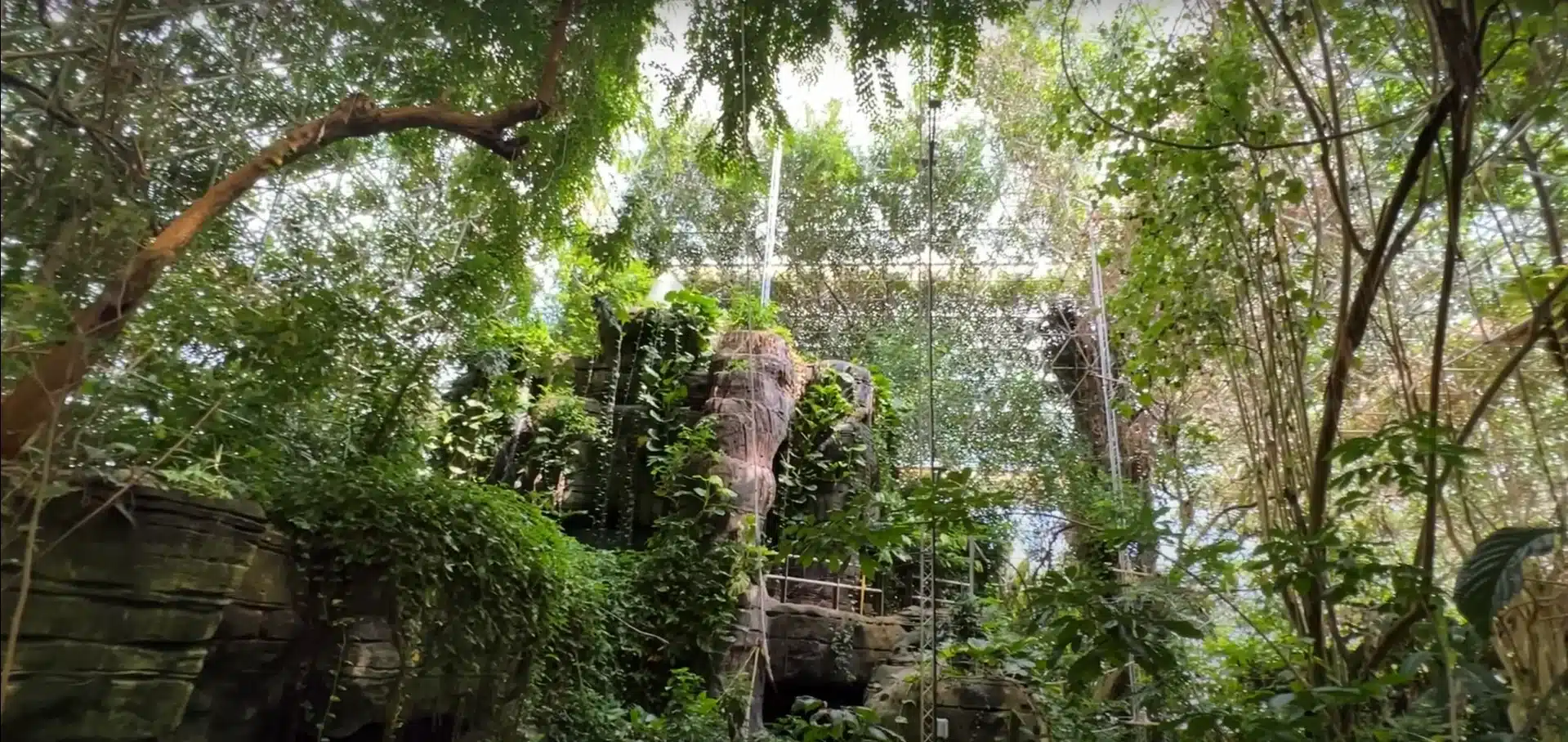
Inside their new home was forests, deserts, tons of animals and even a coral reef.
It was a very diversified environment, and things started off promisingly enough.
But when things went bad, they went really bad.
Scientists were forced to pump extra air into the enclosure after oxygen levels dipped to a dangerously low level.
The crew of eight were forced to tighten their belts in other ways, as they began rationing food once supplies ran low.
As a result of low morale, the group broke off into two factions.
Bear in mind, during this period, people could still visit the biosphere and look in through the glass.
Not the most encouraging display if the team are divided and they’re barely feeding themselves.
Strange things can happen to humans in unfamiliar environments – and space is no different.

How did Biosphere 2 end – and what is it like now?
When it came time for them to leave in 1993, they were underweight and a little worse for wear.
The experiment was attempted again in 1994, but yielded similar results.

Halfway through the second run, Space Biosphere Ventures went bust and Columbia University took over the management position in 1995.
This would go to the University of Arizona in 2007, who have kept it open for the public whilst continuing to conduct research there.
The building is still in good shape and the interior is somewhere between resembling a museum and a botanical garden.
Whether or not this experiment can be deemed a failure is up to personal interpretation.
One of the original biosphere residents, Mark Nelson gave his assessment: “Just the fact that the same number of people came out as went in is a triumph.
“I like to say we built it not because we had the answers.
“We built it to find out what we didn’t know.”
That’s the thing about science – you never exactly how things might pan out.
But scientists are always looking to push the boundaries of what’s possible.
That’s why robots could prove revolutionary in disaster relief, and whole neighborhoods are being built using 3D printers.
So whilst Biosphere 2 didn’t reach its full potential the first time around, there’s always hope for the future.
Ben joined Supercar Blondie in February 2025 after being published by international organizations including LADbible, The Sun, the New York Post, and the Daily Mail. He covers supercars, rare and collectible vehicles, aviation, luxury assets, and the fascinating people behind them. His reporting has explored everything from seven-figure supercars and historic Ferrari collections to unusual aircraft adventures and extraordinary automotive discoveries from around the world. Ben has also gained first-hand insight into vehicle craftsmanship and customization, including visiting specialist workshops to see bespoke vehicles up close.




