Flat Earther spends $20,000 on experiment to finally prove the Earth is flat and it goes exactly how you think it does
Published on Sep 09, 2026 at 4:55 AM (UTC-4)
by Daisy Edwards
Last updated on Sep 22, 2026 at 11:18 AM (UTC-4)
Edited by
Ben Thompson
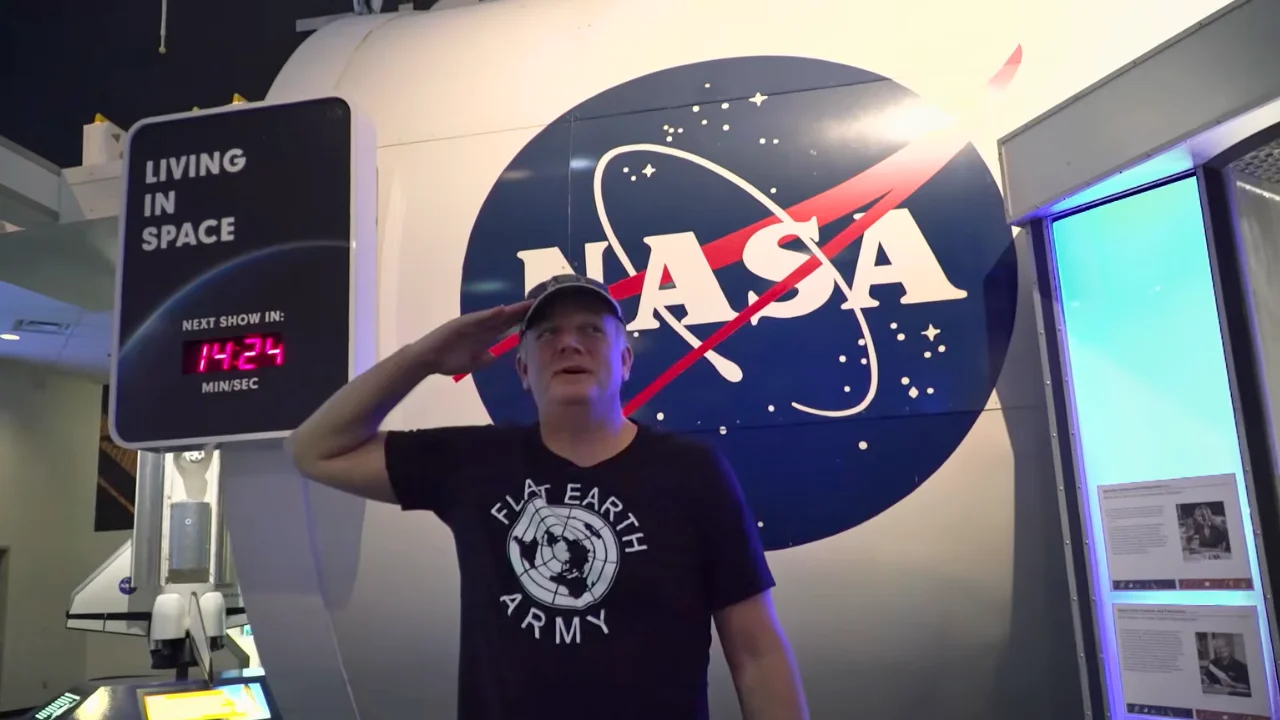

A Flat Earther once spent $20,000 on an experiment designed to finally prove that the Earth is flat.
Bob Knodel was so convinced that the planet wasn’t rotating that he invested in a highly precise laser gyroscope to put the theory to the test.
The experiment was filmed for the documentary Behind the Curve, which followed members of the Flat Earth movement as they tried to find evidence supporting their beliefs.
Unfortunately for Knodel, the expensive experiment produced a result that was rather difficult to explain away.
The $20,000 experiment was supposed to prove the Earth was flat
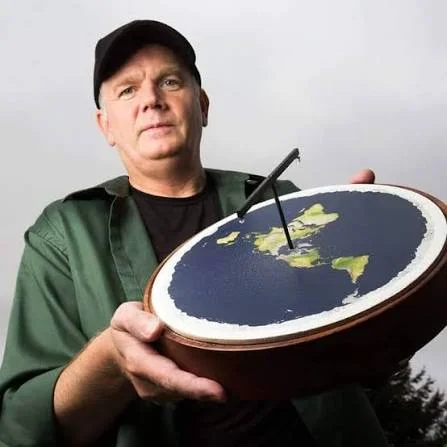
Bob Knodel was one of the Flat Earth movement’s more prominent figures and ran the YouTube channel Globebusters, where he discussed the most controversial space belief that the Earth is a flat, stationary plane.
So when it came to testing whether the planet actually rotates, he and his team decided to use some seriously expensive equipment.
The team spent around $20,000 on a ring laser gyroscope, an extremely precise instrument capable of detecting rotational movement.
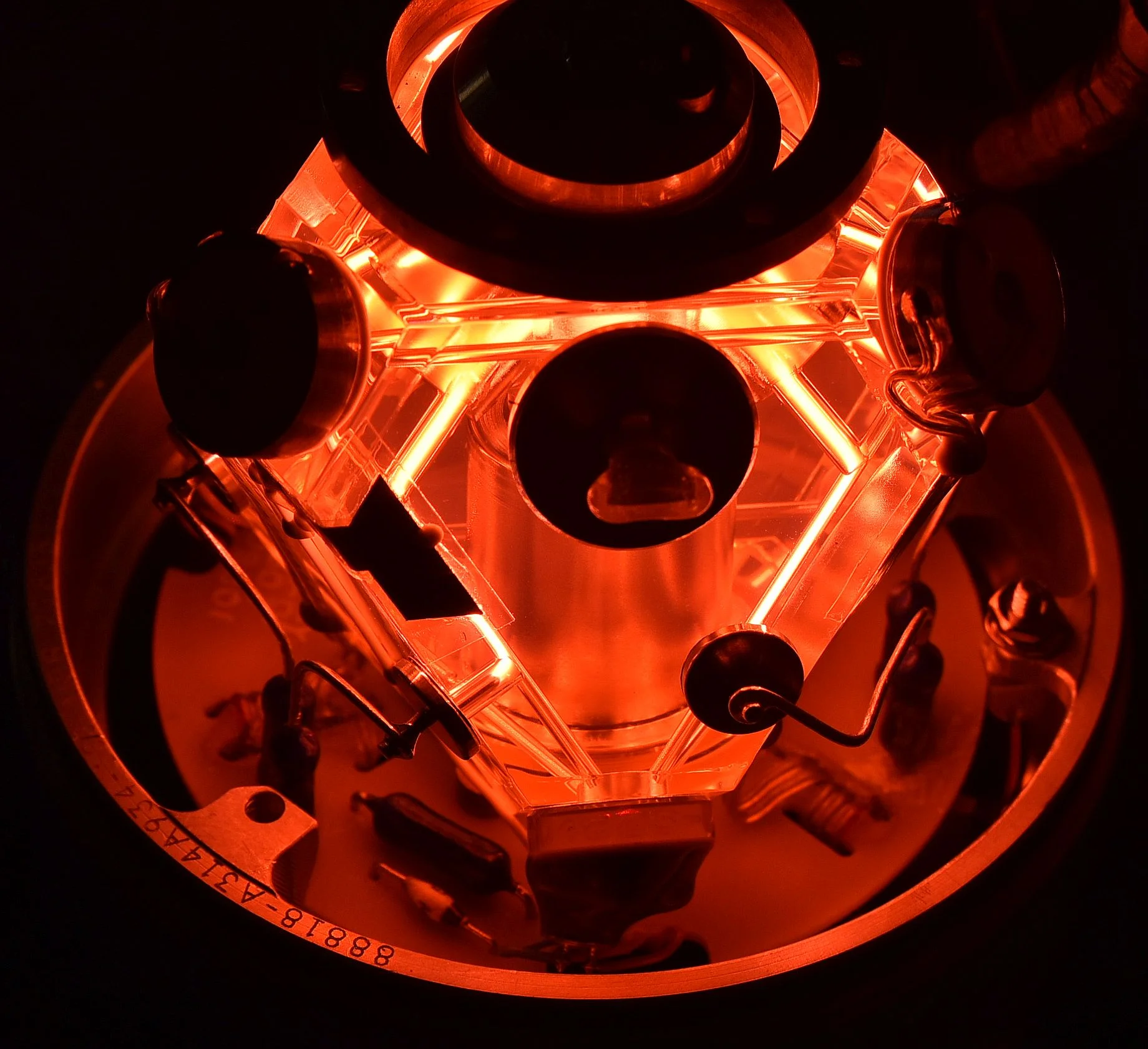
Their thinking was relatively straightforward: if the Earth was rotating, the gyroscope should be able to detect that movement.
A rotating planet should produce a drift of around 15 degrees per hour because the planet completes one rotation every 24 hours.
If the planet wasn’t rotating, as Knodel believed, the gyroscope shouldn’t detect that movement.
The experiment therefore appeared to offer exactly the kind of test the Flat Earth community had been looking for, and then they switched the gyroscope on.
The experiment produced a result the Flat Earther didn’t want
The gyroscope detected a drift of 15 degrees per hour.
That was the exact figure the team expected to see if the Earth was rotating.
Rather than proving the planet was stationary, the $20,000 experiment had produced a result consistent with the Earth spinning on its axis.
The moment was captured in Behind the Curve, the 2018 documentary that followed prominent Flat Earthers and their attempts to test their beliefs.
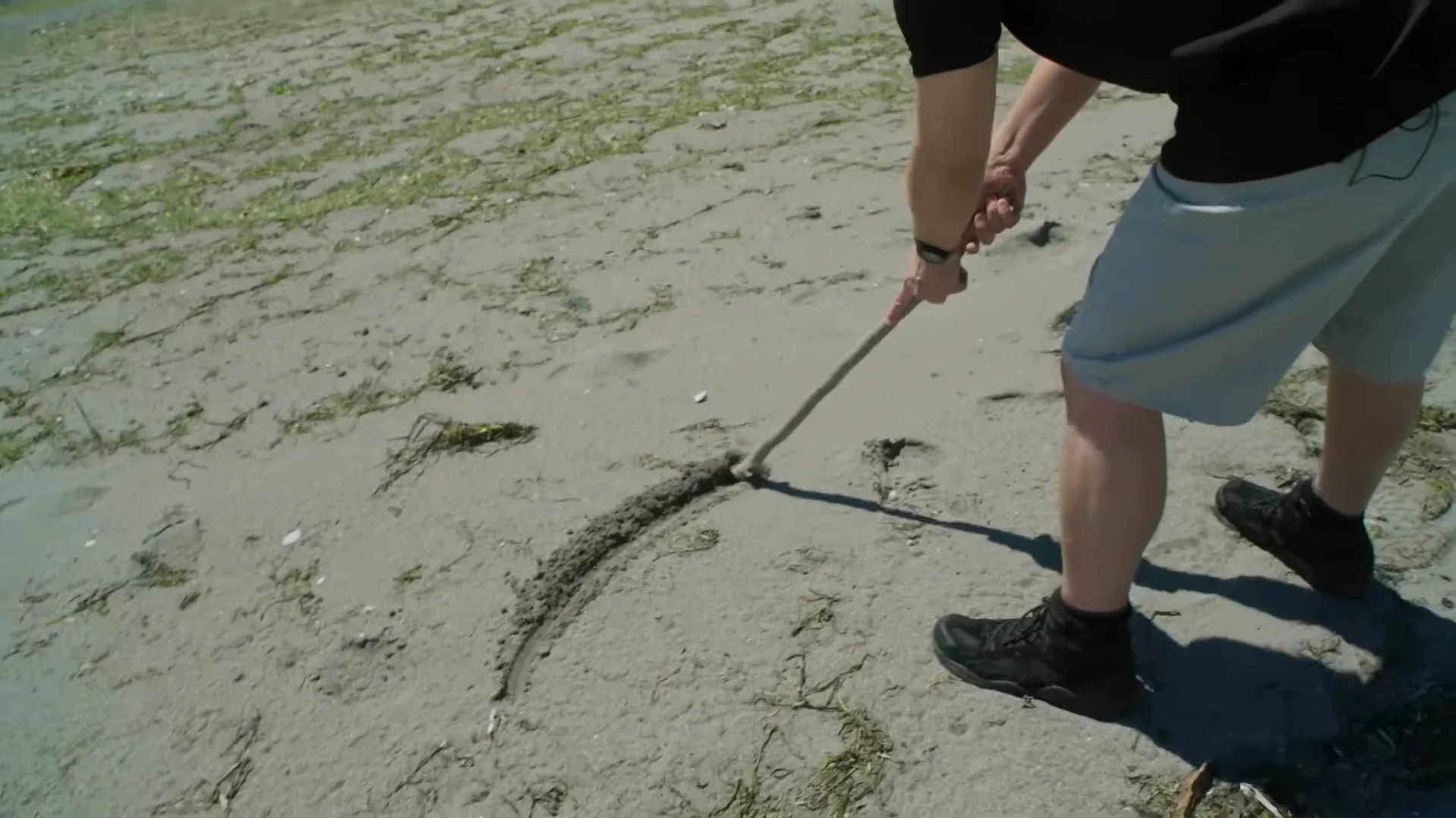
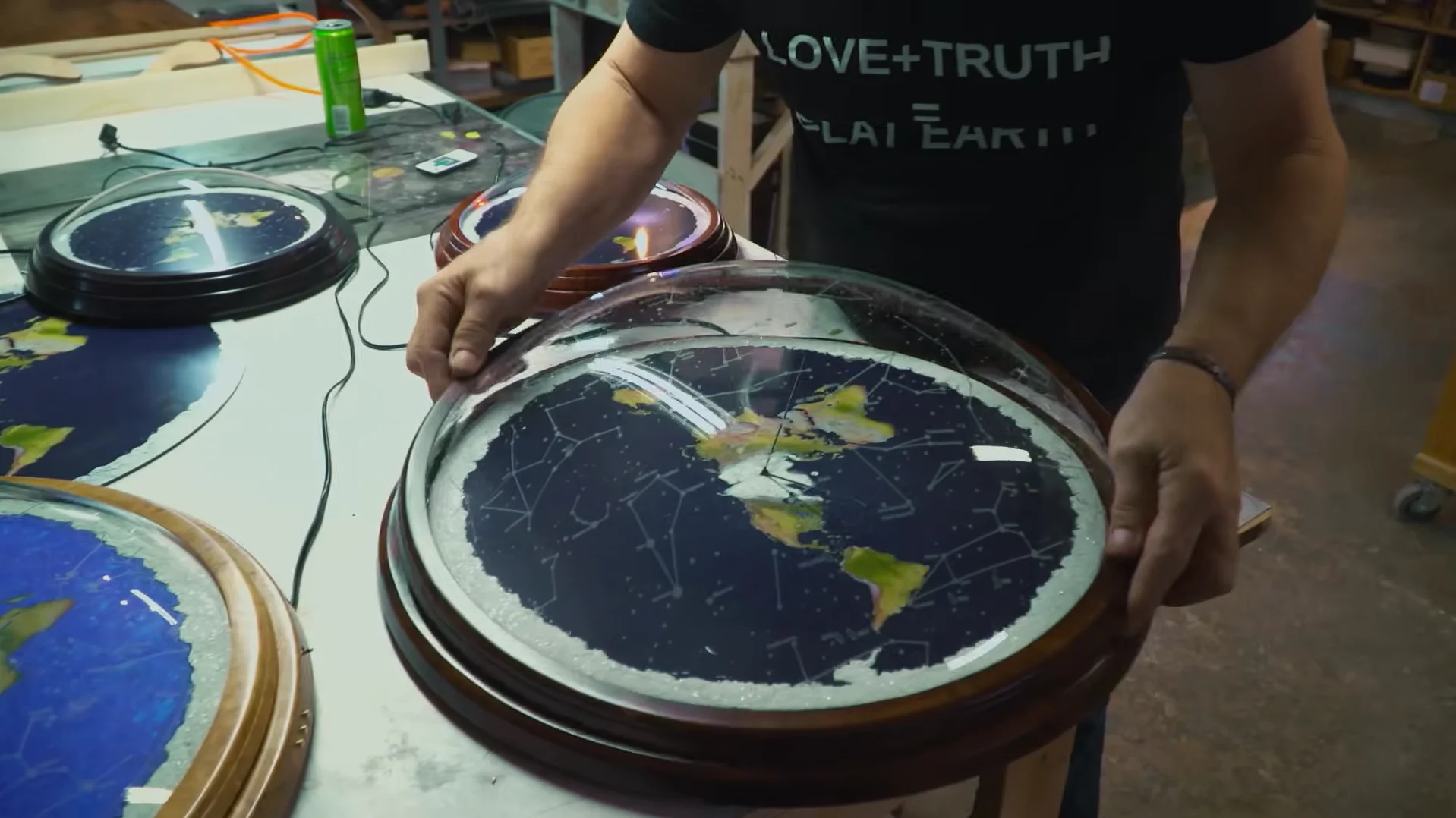
Knodel openly acknowledged that the result was a problem, but instead of accepting that his hypothesis had been disproven, he and the team began looking for another explanation for the reading.
He explained that they weren’t willing to accept the result and wanted to find out whether the gyroscope was actually detecting something other than our planet’s rotation.
That made the experiment one of the most unintentionally hilarious moments in the documentary.
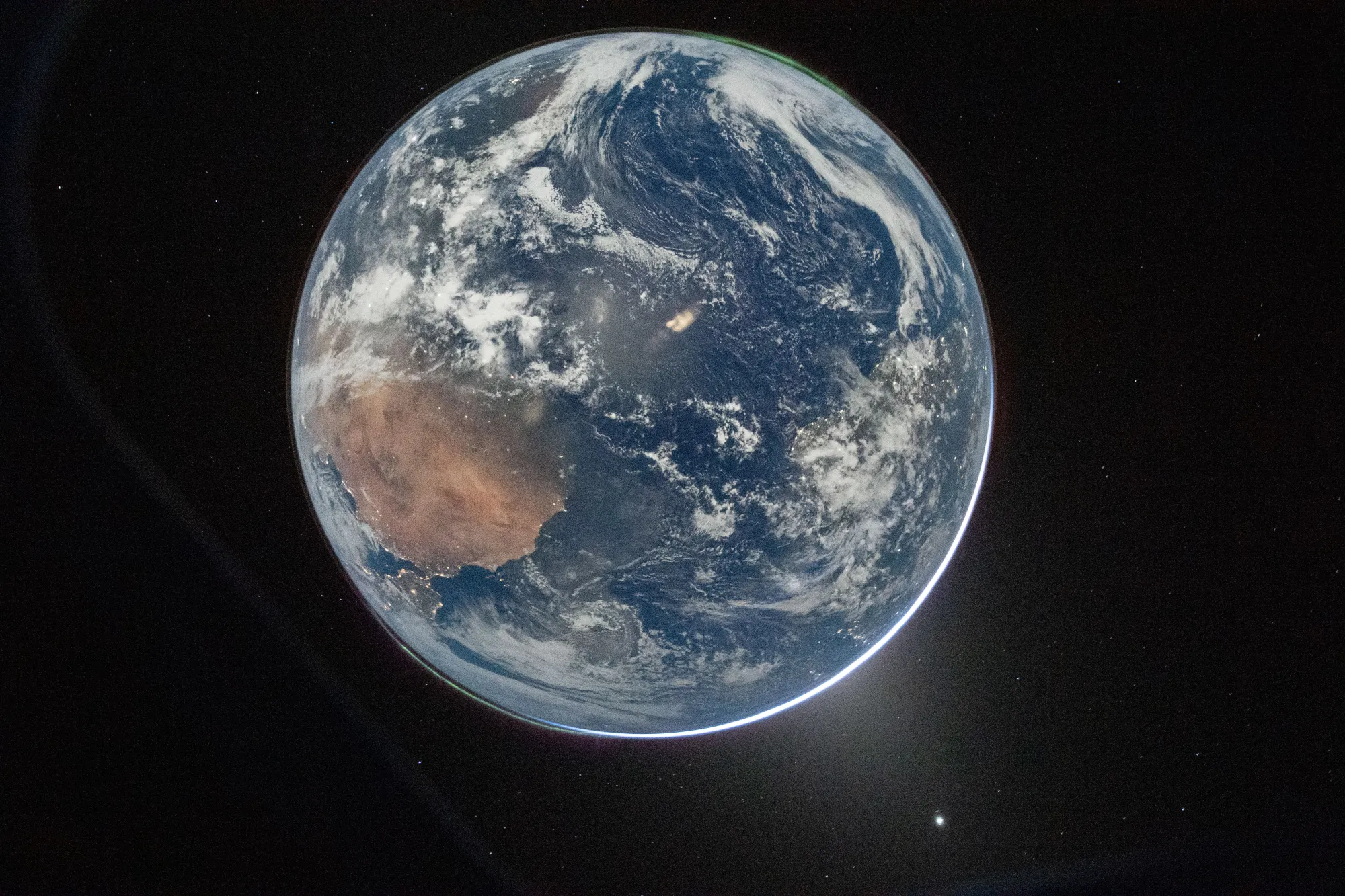
The situation became even more awkward because another experiment featured in Behind the Curve also produced evidence that was consistent with a curved planet.
Flat Earther Jeran Campanella carried out an experiment involving two boards with holes positioned above a stretch of water.
A light was placed on the other side, with the experiment designed to determine whether the our planet’s surface curved between the points.
The light wasn’t visible when positioned at the height predicted by the flat-Earth model, but became visible when raised higher – a result consistent with the curvature of the planet.

The $20,000 gyroscope experiment has since become one of the most famous examples of an experiment producing the exact opposite of its intended conclusion.
It also demonstrates a fundamental principle of science: an experiment isn’t supposed to prove what you already believe, it’s supposed to test whether your belief survives contact with the evidence.
In this case, the evidence was pretty difficult to ignore.
Daisy is a technology and automotive journalist covering artificial intelligence, consumer tech, Apple news, cryptocurrency, emerging technologies, and transportation innovation. Since joining the team in 2025, she has reported on everything from AI-powered startups and major iOS updates to viral car stories and the latest developments shaping transportation and the digital economy. Drawing on her background in automotive journalism and a degree in History and Journalism from Goldsmiths, University of London, Daisy specializes in breaking down complex topics into clear, engaging reporting for a global audience. Her work spans cutting-edge technology, innovative vehicles, and the people driving change across both industries. Daisy has gained first-hand access to some of the world's most talked-about technologies and innovators, including meeting Tesla's Optimus humanoid robot during its first European appearance in London. She has also discussed the future of space exploration with an astronaut, bringing unique insights and real-world perspectives to her coverage of emerging technology.




