Fastest train in the world hits 357mph at top speed, and it isn't in Japan or China
Published on Oct 11, 2025 at 3:30 PM (UTC-4)
by Alessandro Renesis
Last updated on Oct 30, 2025 at 8:23 AM (UTC-4)
Edited by
Kate Bain
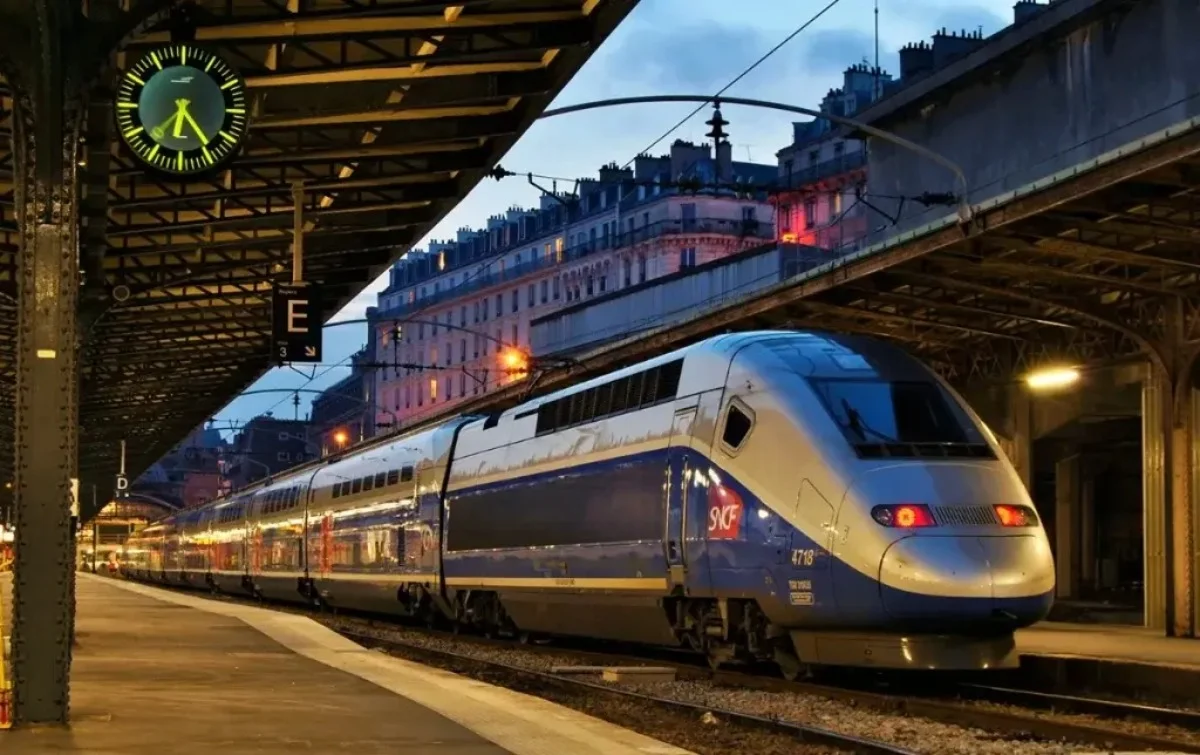

Amidst the rise of maglev trains in Japan and China, France’s intercity high-speed rail service, TGV, still holds the record for the fastest train in the world.
TGV achieved a top speed of 357mph (575.48km/h) in 2007, which is still a record to this day.
This record is unlikely to be beaten.
And there are a couple of reasons for this.
DISCOVER SBX CARS: The global premium car auction platform powered by Supercar Blondie
How the fastest train in the world achieved this incredible record
In 2007, a TGV on a modified railway consist reached a top speed of 574.8KM/H (357MPH).
This is a record for steel-wheel trains, and also in absolute terms.
In 2015, a Japanese maglev train briefly reached 603KM/H (375MPH), and there’s a train in China that’s theoretically capable of reaching 621MPH.
However, some people argue these two records don’t count because the first one was achieved on a test run, while the second one was achieved with what is basically a lab test.
Either way, the first part of the record – the steel-wheel part – is unlikely to be beaten.
For two reasons.
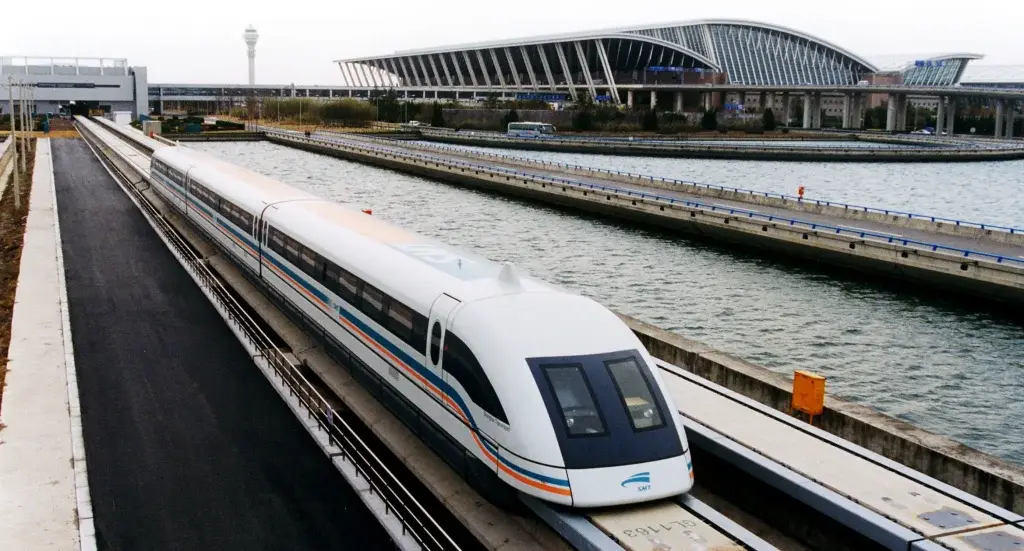
First, it is much easier to reach record speeds using magnetic levitation, which means that development of high-speed steel-wheel trains is gradually being phased out to prioritize maglev.
And second, this was a record on a modified, custom railway.
In car terms, that’s the same as taking a supercar, giving it track-only wheels, track-only suspension and removing all seats but one and then setting a record around the Nürburgring.
It’s important, and it makes headlines, but it’s mostly symbolic.

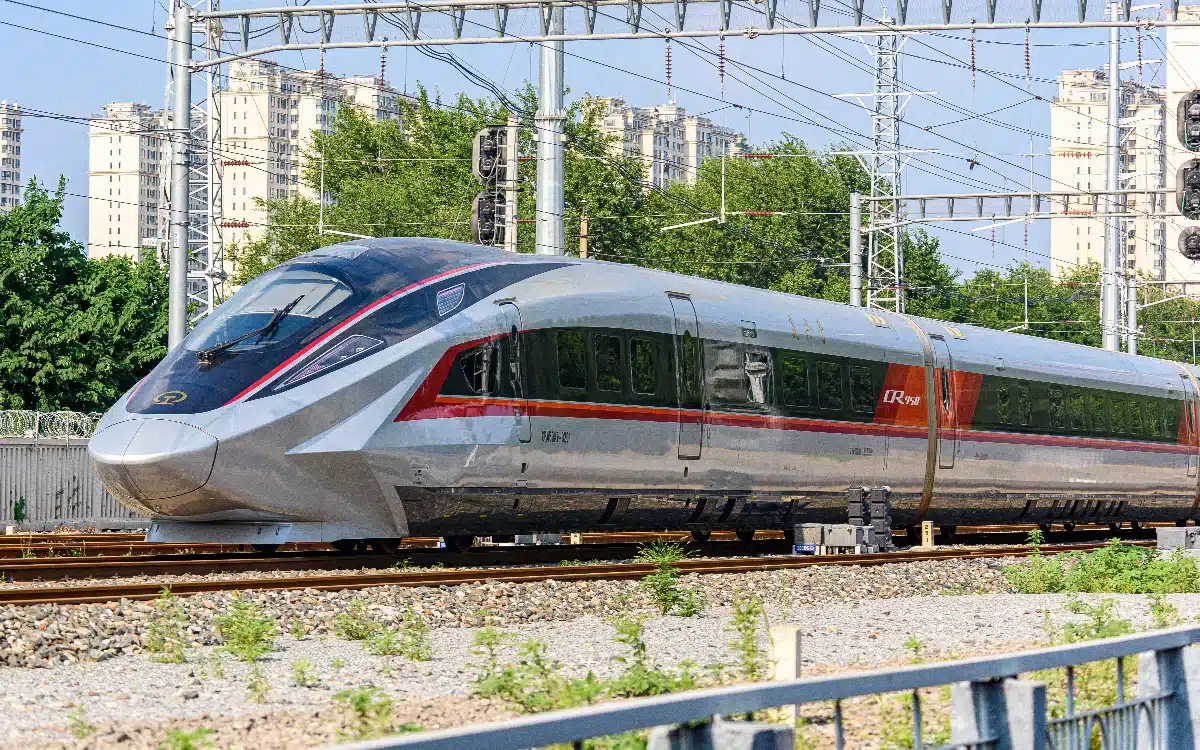

Why Maglev is the future
Japan and China are spearheading the transition towards maglev trains.
With magnetic levitation, trains move using powerful magnets that lift them and propel them above the track, eliminating friction from wheels and reducing heat.
As a result, these trains are more efficient, and much faster.
Maglev trains are already operational in China and Japan, although adoption everywhere else is quite slow.
There are currently around six operational maglev trains in the world, and they’re all in China or Japan, with the excption of the Incheon Airport Maglev, which is being used in South Korea.
Alessandro is an automotive journalist with 10 years of experience covering supercars, automotive history, emerging vehicle technology, and luxury transportation. He wrote the first article published on SupercarBlondie.com when the website launched in 2022 and has since built a reputation for insightful reporting across the automotive and transportation industries. His expertise is grounded in hands-on experience. Alessandro has driven every Tesla model ever produced, from the original Roadster to the Cybertruck, and regularly covers the latest developments in electric vehicles and automotive innovation. His passion for transportation extends beyond cars, he has even flown a Boeing 787 Dreamliner simulator in Addis Ababa, Ethiopia. His reporting spans everything from classic American muscle cars and rare automotive discoveries to luxury yachts, private aircraft, high-end watches, and cutting-edge vehicle technology. Known for his deep knowledge of automotive history and ability to uncover the stories behind iconic vehicles, Alessandro brings readers a blend of historical context, technical expertise, and first-hand experience.




