Canadian authorities warn drivers to be careful using Google Maps after directions mishap and it’s a win for its rivals
Published on Mar 04, 2026 at 5:05 AM (UTC+4)
by Alessandro Renesis
Last updated on Mar 03, 2026 at 3:37 PM (UTC+4)
Edited by
Mason Jones
Canadian authorities had to intervene and warn drivers who were apparently blindly following Google Maps and got in trouble.
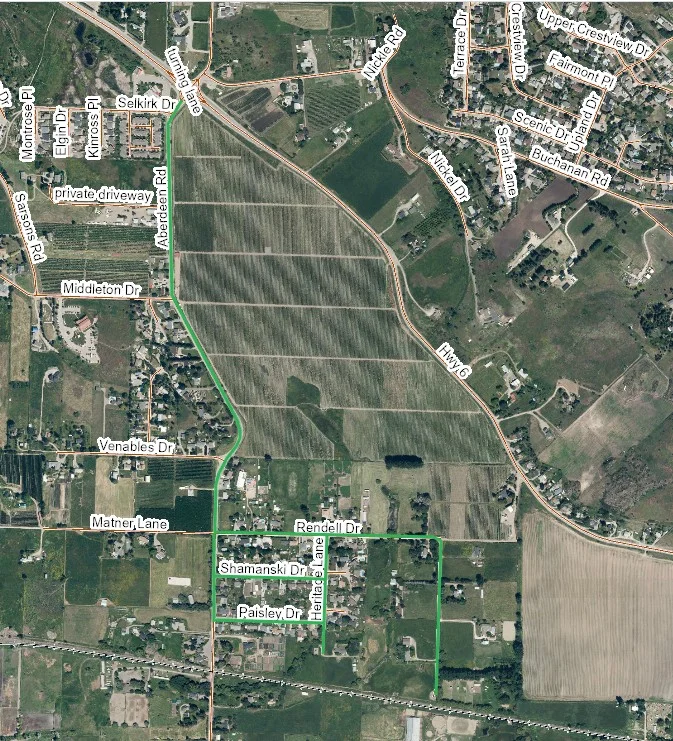
A major road closure in British Columbia, Canada, led to chaos when several drivers followed directions to a road that had been shut and got stuck in muddy fields.
Google Maps isn’t the only navigation app with this problem.
But there’s another app that stood out thanks to this incident.
DISCOVER SBX CARS: The global premium car auction platform powered by Supercar Blondie
Here’s what happened, and why this helped one of Google Maps’ rivals
Google Maps apparently began suggesting a new ‘shortcut’ following a major road closure in the District of Coldstream.
The problem is that drivers ended up being redirected through private lawns, muddy fields, and snow-covered closed roads.
Canadian authorities stressed that drivers – not the navigation app – are legally responsible for their actions, which is why they urged drivers to follow common sense (and road signs) more than an app.
Amid the chaos, Waze got some free publicity because, as some might know, the app relies on feedback and live reports from users more than it relies on GPS data and algorithms.
Click the star icon next to supercarblondie.com in Google Search to stay ahead of the curve on the latest and greatest supercars, hypercars, and ground-breaking technology
Why navigation apps sometimes get things wrong
There are several reasons why Google Maps and rival apps get things wrong, but it all boils downs to one element: the algorithm isn’t human and doesn’t reason.
Generally speaking, Google Maps uses a mix of satellite images, local government records and Google Street View data.
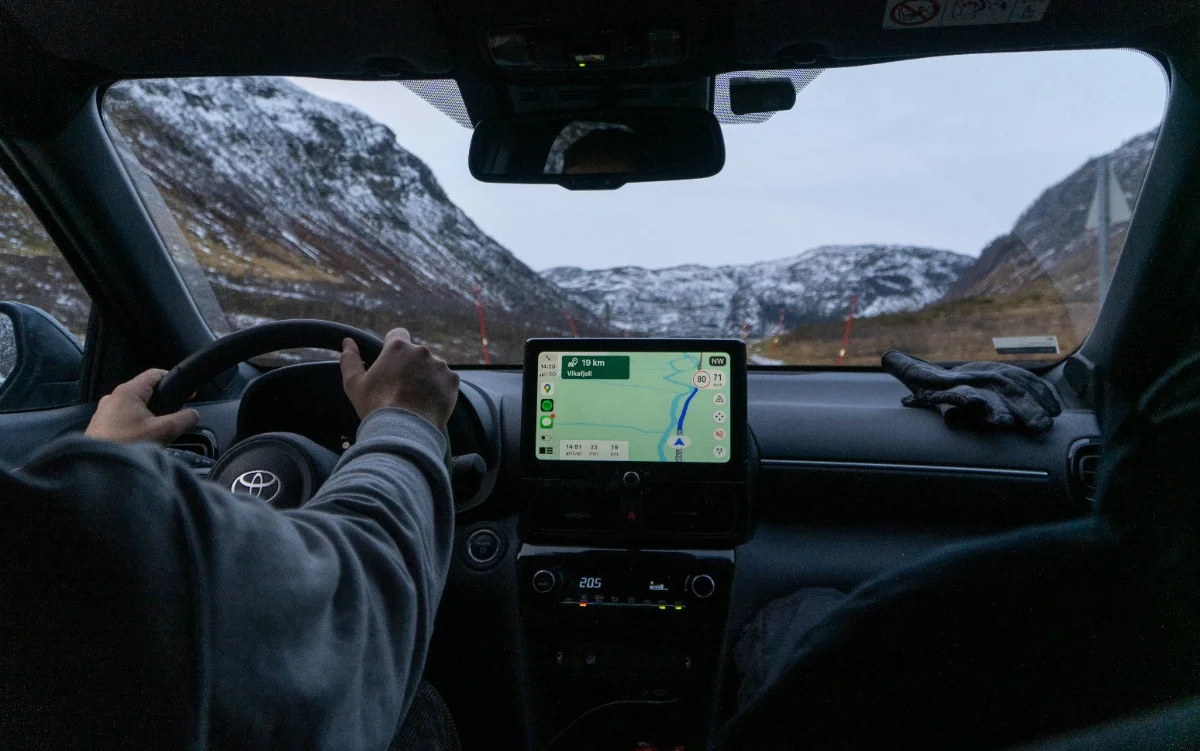
But with that combination, it could easily end up categorizing a road as ‘secondary road’, even though that road might be a private road or a dried-up creek bed.
Also, the algorithm tends to ‘mathematically’ prioritize the shortcut regardless of what the shortcut actually is.
On top of that, there could be problems with delayed synchronization, for example when the road has recently been closed, or when there’s a fence or a ditch that the AI doesn’t ‘see’.
After beginning his automotive writing career at DriveTribe, Alessandro has been with Supercar Blondie since the launch of the website in 2022. In fact, he penned the very first article published on supercarblondie.com. He’s covered subjects from cars to aircraft, watches, and luxury yachts - and even crypto. He can largely be found heading up the site’s new-supercar and SBX coverage and being the first to bring our readers the news that they’re hungry for.