Harvard professor issues warning after noticing something strange about AI users
Published on Mar 08, 2026 at 2:16 AM (UTC+4)
by Claire Reid
Last updated on Mar 05, 2026 at 1:32 PM (UTC+4)
Edited by
Mason Jones
A Harvard professor has issued a worrying warning after claiming to notice a strange trend in people who frequently use AI.
Not too long ago artificial intelligence was the sort of thing you’d only see in science fiction movies.
But in recent months, there’s been huge advances in technology and people are using AI to do everything from writing emails to losing weight.
However, Harvard astronomy professor Avi Loeb claims to have spotted something concerning about those who use AI excessively.
DISCOVER SBX CARS – The global premium auction platform powered by Supercar Blondie
The Harvard professor says he spotted a concerning trend amongst ‘excessive’ AI users
AI use is becoming more and more prevalent in everyday life, and lots of folks use it to save a bit of time.
But Loeb claims to have noticed a common problem developing in people who are relying on it too much.
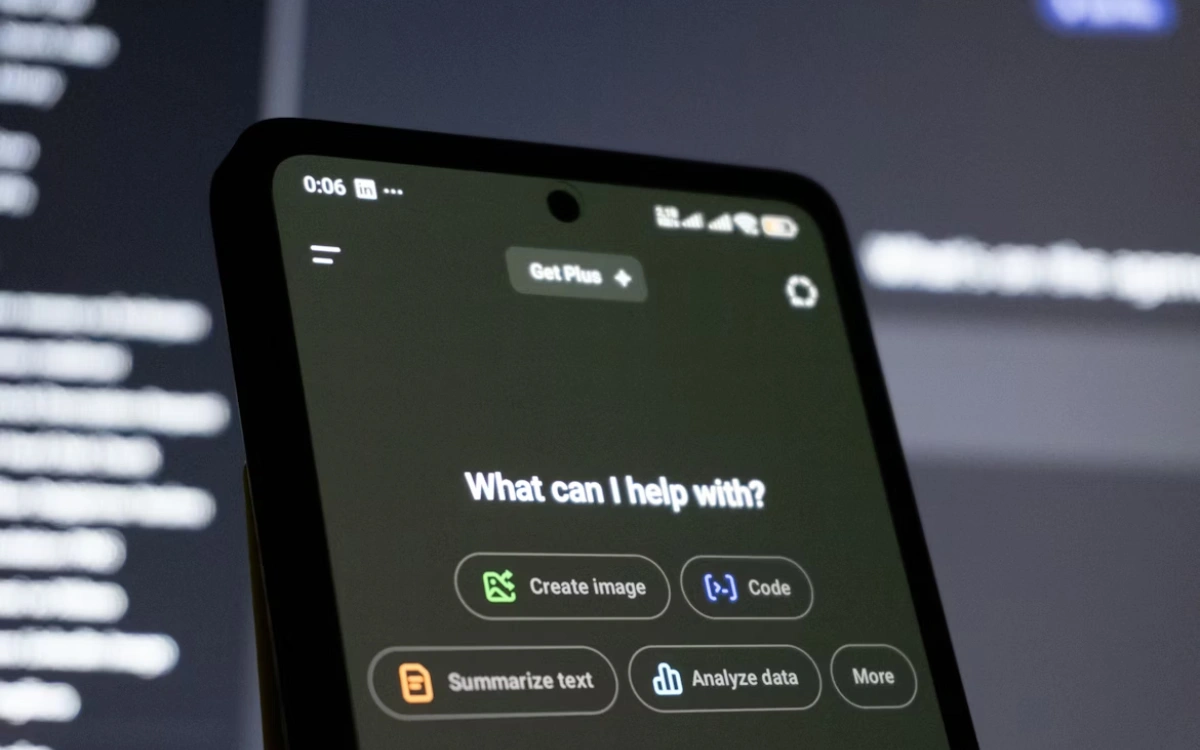
In a recent blog post, Loeb said that modern technology meant that ‘AI agents can enter all aspects of human existence’ and that it was having a negative impact on how people think.
“Recently, I noticed that some people around me are starting to lose their cognitive abilities as a result of excessive use of Artificial Intelligence (AI) platforms, such as ChatGPT, Claude or Gemini,” Loeb wrote.
“This phenomenon resembles muscle loss from excessive use of public transportation as a substitute for walking.
“In academia, the only reliable way of testing the cognitive abilities of students right now is by placing them in a Faraday cage.”
A recent study from Switzerland appeared to back up what Loeb suspected.
Researchers wanted to see if there was a link between frequent AI use and critical thinking abilities, and found there were ‘potential cognitive costs of AI’.
“Our research demonstrates a significant negative correlation between the frequent use of AI tools and critical thinking abilities,” the author concluded.
Click the star icon next to supercarblondie.com in Google Search to stay ahead of the curve on the latest and greatest supercars, hypercars, and ground-breaking technology
The professor also warned that human relationships could suffer
Later on in the blog post, Harvard professor Loeb went on to say that people who are interacting with AI chatbots on a personal level run the risk of ‘sabotaging attention to real humans’.
And while this may sound a little far-fetched, in China there has been a reported increase of young women choosing AI boyfriend’s over the real deal.

The country has seen an increase in the use of companion chatbots, like Replika, with some women admitting to using the apps to talk to their AI boyfriends for hours each day.
In response, officials in China have warned tech companies that they must not attempt to ‘design goals to replace social interaction’ and are set to bring in new laws around AI apps.
Timeline of key AI breakthrough moments
1950: British mathematician Alan Turing devises the ‘Imitation Game’, now known as Turing Test, designed to test a machine’s ability to replicate human intelligence and behavior
1956: The term ‘Artificial Intelligence’ is officially coined during a research project at Dartmouth College in the UK
1966: MIT professor Joseph Weizenbaum creates ‘ELIZA’, a rudimentary AI-powered chatbot that mimics human behavior
1997: IBM supercomputer Deep Blue defeats world chess champion Garry Kasparov
2011: Apple introduces Siri, the first AI-powered assistant integrated directly into a smartphone
2016: An AI bot writes an entire movie (Sunspring) from scratch, including the film’s soundtrack and screenplay
2022: OpenAI launches ChatGPT, the world’s first widely available AI-powered chatbot
DISCOVER SBX CARS: The global premium car auction platform powered by Supercar Blondie
With a background in both local and national press in the UK, Claire has covered a range of topics, including technology, gaming, and cryptocurrency, since joining the editorial team at Supercar Blondie in May 2024. Her ability to be first to a story has been integral to making SB’s coverage of scientific discovery, AI, and global tech news a slick 24/7 operation.