How a 1990s Japanese game console became one of the world’s first GPS navigation systems
Published on Jul 02, 2025 at 2:09 PM (UTC-4)
by Callum Tokody
Last updated on Jul 02, 2025 at 2:09 PM (UTC-4)
Edited by
Tom Wood
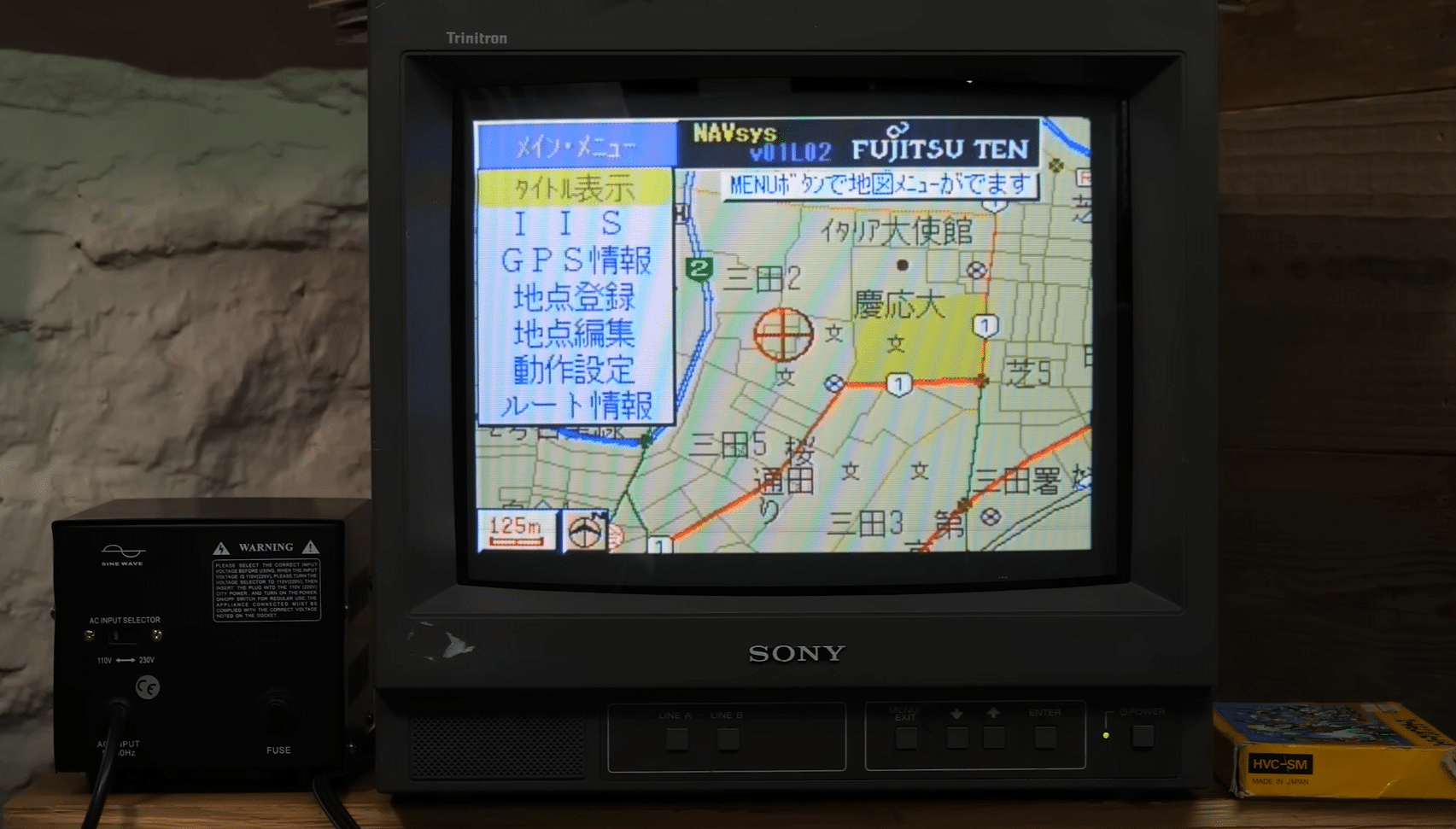

The Car Marty marked the first GPS navigation system ever brought to market using a Fujitsu console, combining gaming hardware with in-car tech.
This hybrid device was designed to give drivers real-time mapping long before satellite navigation became standard.
It represented a forward-looking move by Fujitsu into automotive electronics.
The technology was bold, but its complexity limited its reach beyond early adopters.
VISIT SBX CARS – View live supercar auctions powered by Supercar Blondie
Fujitsu console turned into a navigation device
The idea began with the FM Towns, a Fujitsu console originally released as a desktop computer in 1989.
In 1993, Fujitsu converted that hardware into a home gaming console, the FM Towns Marty.
The following year, the company launched the Car Marty, a version adapted for in-car tech applications.
The device came with a CD-ROM drive, PCMCIA slot, and optional GPS module, all packed into a box meant for dashboard integration.
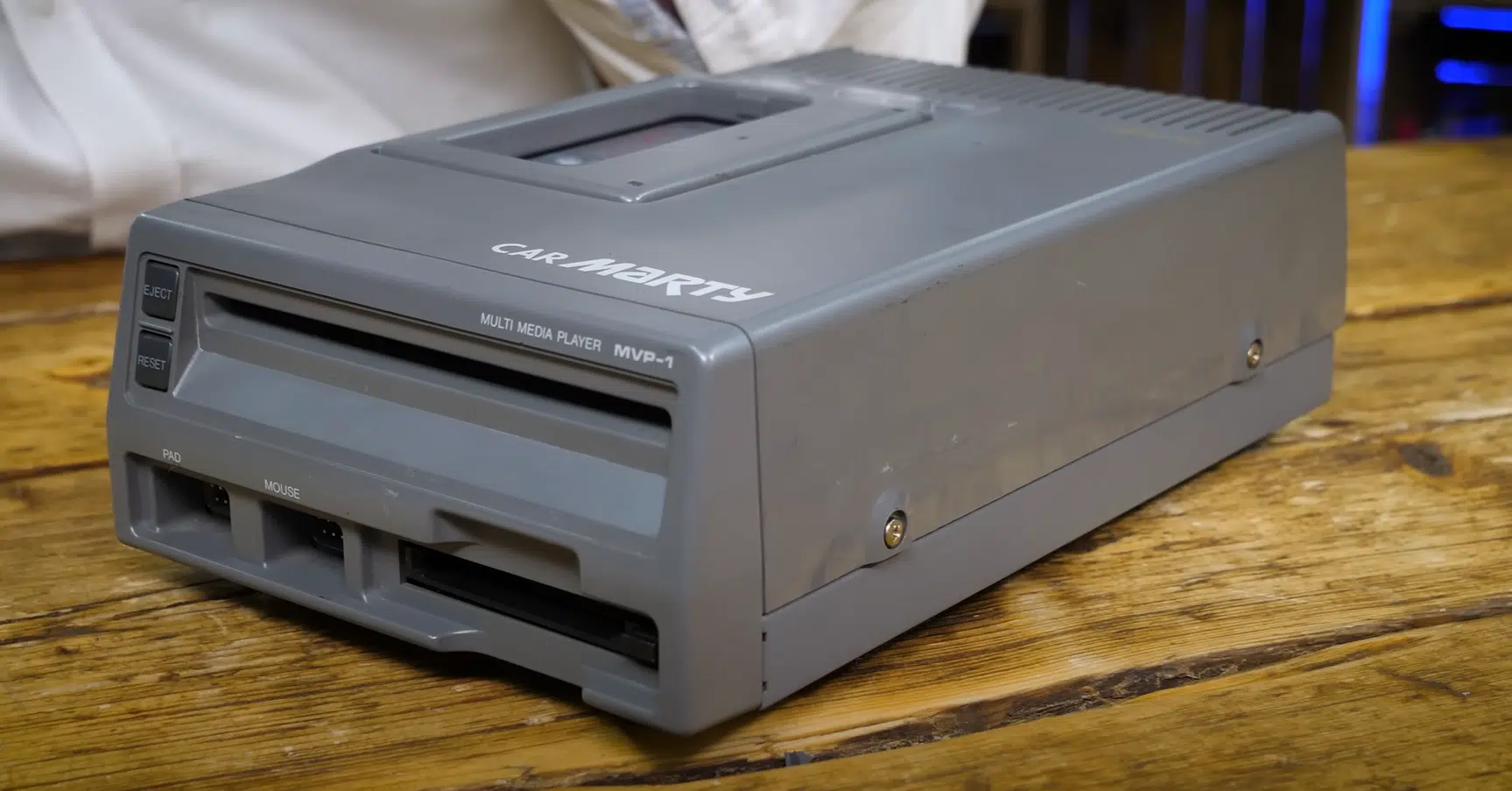
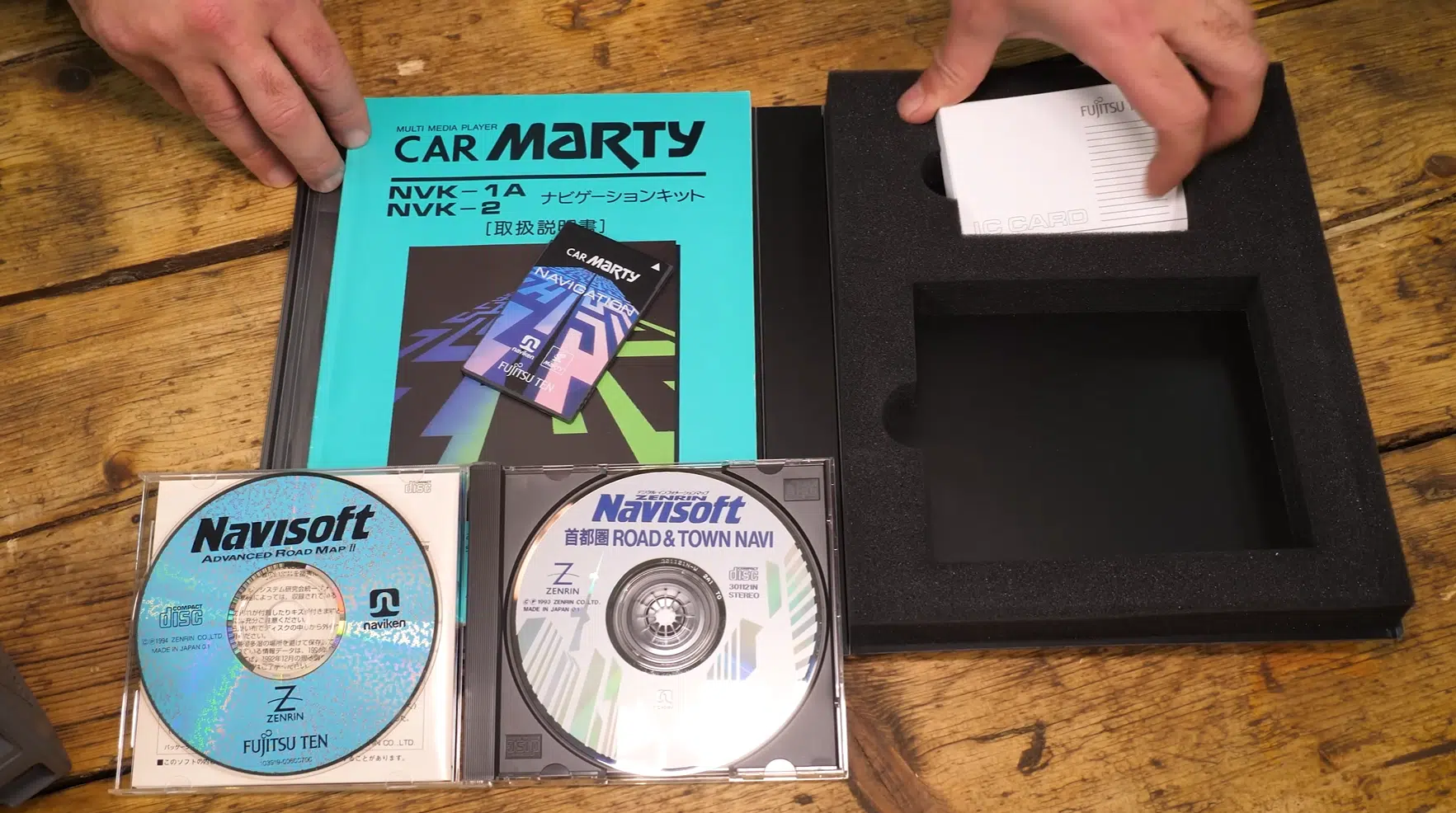
To activate its first GPS navigation features, users needed to install a small LCD screen, mount a GPS antenna, and load maps via CD-ROMs.
Navigation relied on a one-handed controller, and the maps were supplied by Zenrin, a well-known Japanese cartography firm.
Though performance was slow by today’s standards, it delivered real-time directions using the same architecture as the original Fujitsu console.
The Car Marty also offered cross-functionality. A handle allowed users to unplug it from their vehicle and bring it back inside to play games.
This concept of portable in-car tech was unusual at the time.
By enabling drivers to use a single Fujitsu console for both entertainment and navigation, the company briefly blurred the lines between two rapidly evolving industries.

Why the first GPS navigation system was too far ahead
Despite being the first GPS navigation option for everyday drivers, the Car Marty struggled in the market.
Its high cost, equivalent to over $4,000 today, combined with a complex installation process, limited its appeal.
Setting it up required space for the screen, receiver, cables, and main unit.
The in-car tech also lacked integration with existing vehicle controls, meaning the system had to function independently of factory equipment.
The Car Marty was never sold outside Japan.
While the concept was innovative, the execution demanded too much technical effort from the consumer.
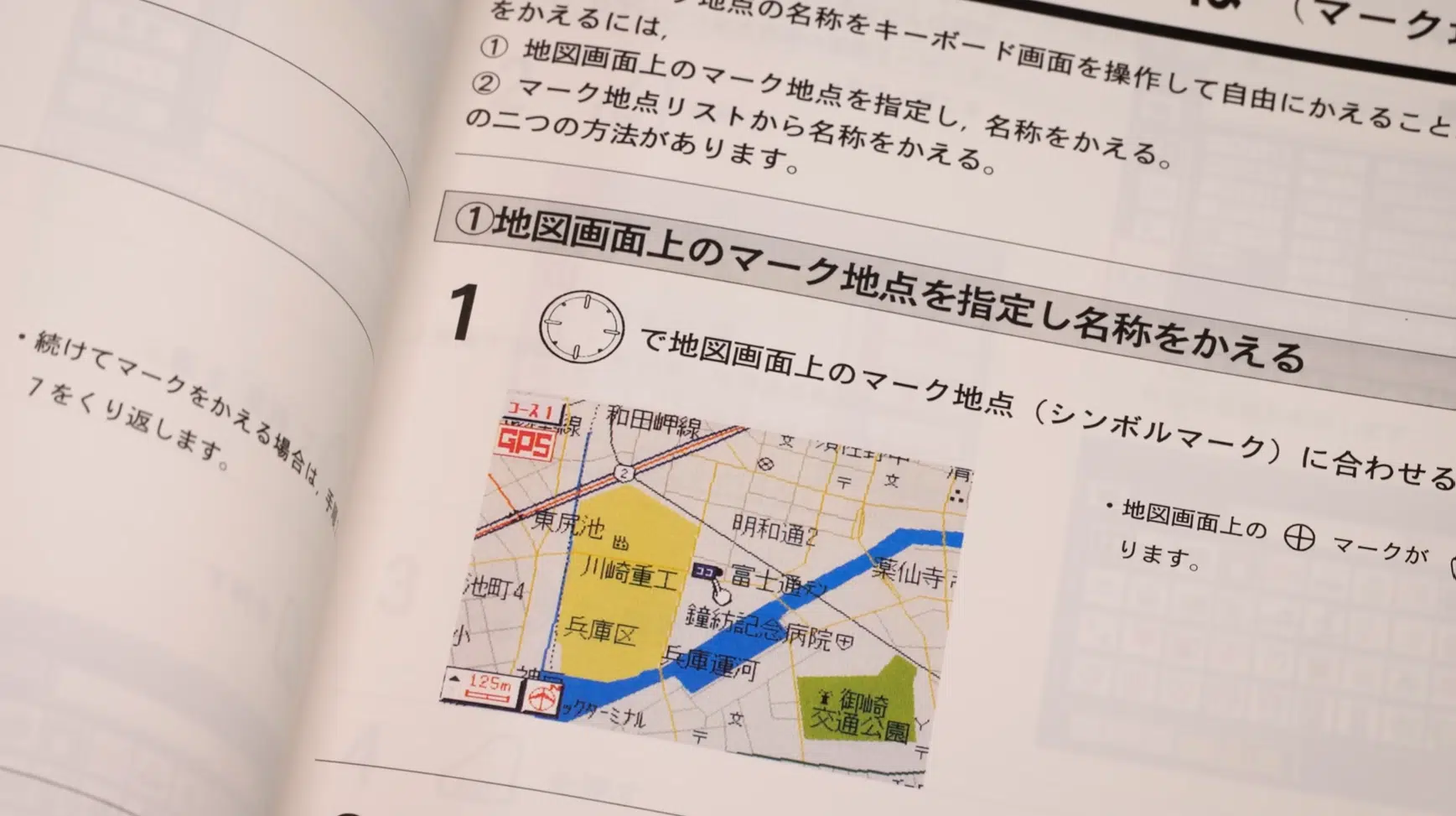
Videos of the system in use show clear but slowly loading maps, and reports suggest basic route guidance was available.
Its use of real GPS signals placed it ahead of many factory systems at the time, but the interface and hardware were not built for long-term support.
Fujitsu ended production of the Car Marty within a year.
Only a few thousand units were sold, and very few working examples remain.
The Fujitsu console that powered it was also discontinued shortly after, ending the company’s brief attempt to enter the in-car tech market.
The Car Marty’s legacy lies in what it represented.
It showed that the first GPS navigation systems could exist in consumer vehicles, even if the technology was not yet ready for mass adoption.
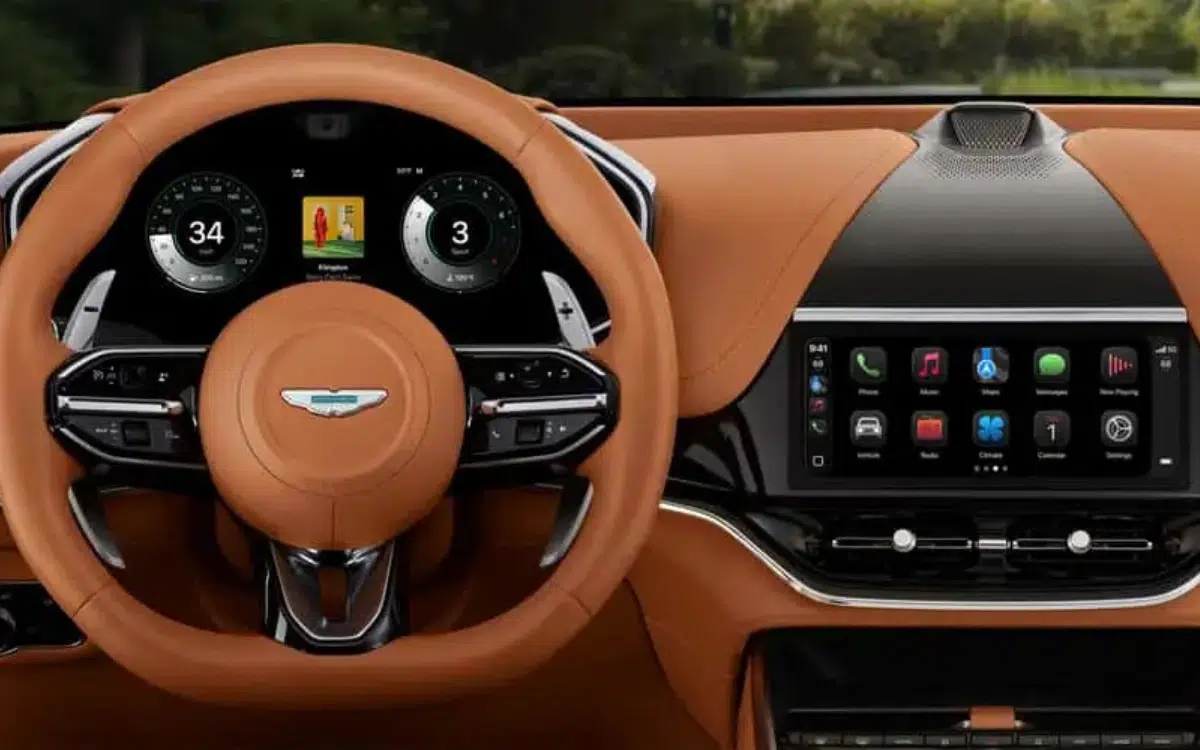
While today’s infotainment units are faster, cheaper, and integrated at the factory level, this Fujitsu console helped set the direction.
It combined two industries into one piece of hardware, and although it faded quickly, it was part of a turning point in automotive history.




