Man explains how Americans can legally claim US land after finding $500 of silver that's now become his
Published on Apr 06, 2026 at 9:33 AM (UTC-4)
by Daisy Edwards
Last updated on Apr 07, 2026 at 12:40 PM (UTC-4)
Edited by
Emma Matthews
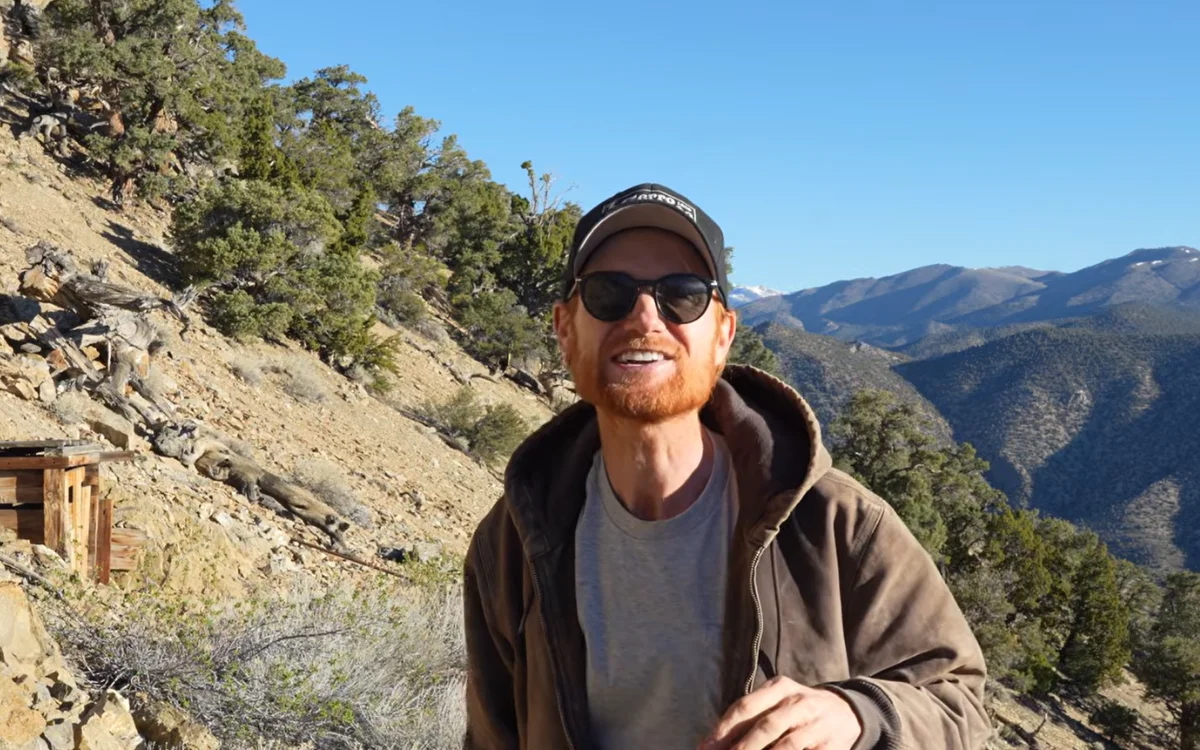

In a process that is much simpler than you’d expect, here’s how Americans can legally claim US land after one man found $500 of silver that’s now become his.
Instead of buying land outright, he used a little-known law that allows individuals to claim mineral rights on public land.
After scouting the area, he managed to extract silver worth hundreds of dollars from a hillside that technically belonged to everyone.
Now, he has the exclusive right to mine whatever valuable materials might still be hidden beneath it.
How Americans can legally claim US land using a 150-year-old law
The entire process doesn’t involve complicated tech or futuristic equipment; it hinges on a piece of legislation called the General Mining Act of 1872.
This law allows individuals to stake a claim on certain public lands and gain the rights to any valuable minerals they find and mine there.
It sounds simple, but there are a few important steps involved.
First, you have to check whether the land is actually available to claim, as not all public land is fair game.
Some areas are protected, already claimed, or withdrawn from mining altogether.
Using official mapping tools, the YouTuber known as Ghost Town Living identified a potential site and then headed out in person to investigate whether it was worth pursuing.
After collecting samples and spotting promising materials like galena, he confirmed there was a strong chance of valuable minerals being present.
That satisfied what is known as the ‘Prudent man’ rule, meaning it would be reasonable to invest time and effort into mining the site.
Related


There are strict rules involved with mining gold and silver
Once he had identified a viable spot, the next step was to physically stake the claim.
This involved placing marked posts in the ground and attaching documentation that clearly outlined who was claiming the land, where it was located, and what was being mined.
He then had to file paperwork with the local county and the Bureau of Land Management to make it official.
But there is a catch: claiming land this way does not mean you suddenly own it.
You cannot build a house, fence it off, or stop others from walking across it, but what you do get is exclusive access to the minerals beneath the surface, including gold, silver, and other valuable resources.
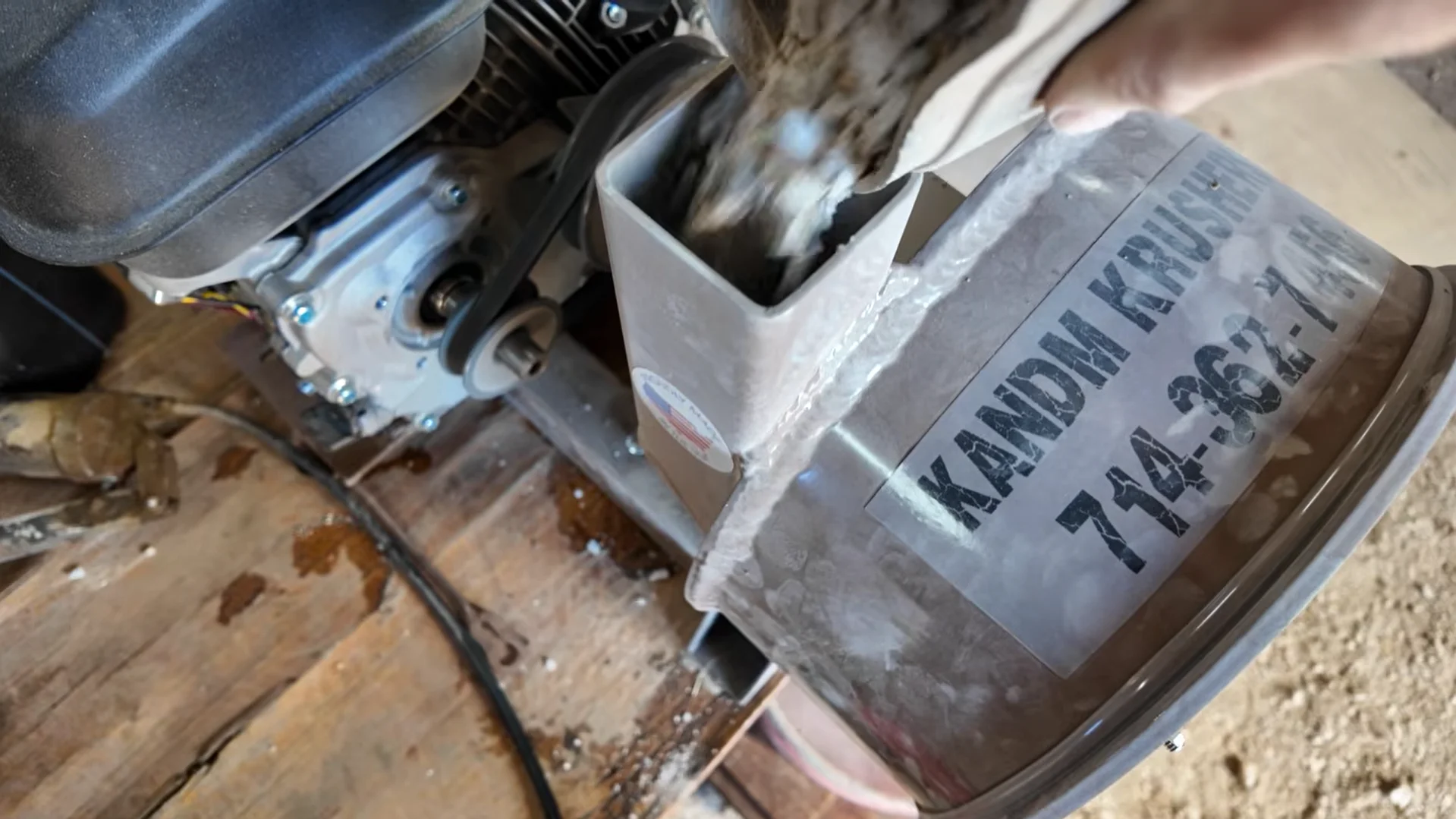
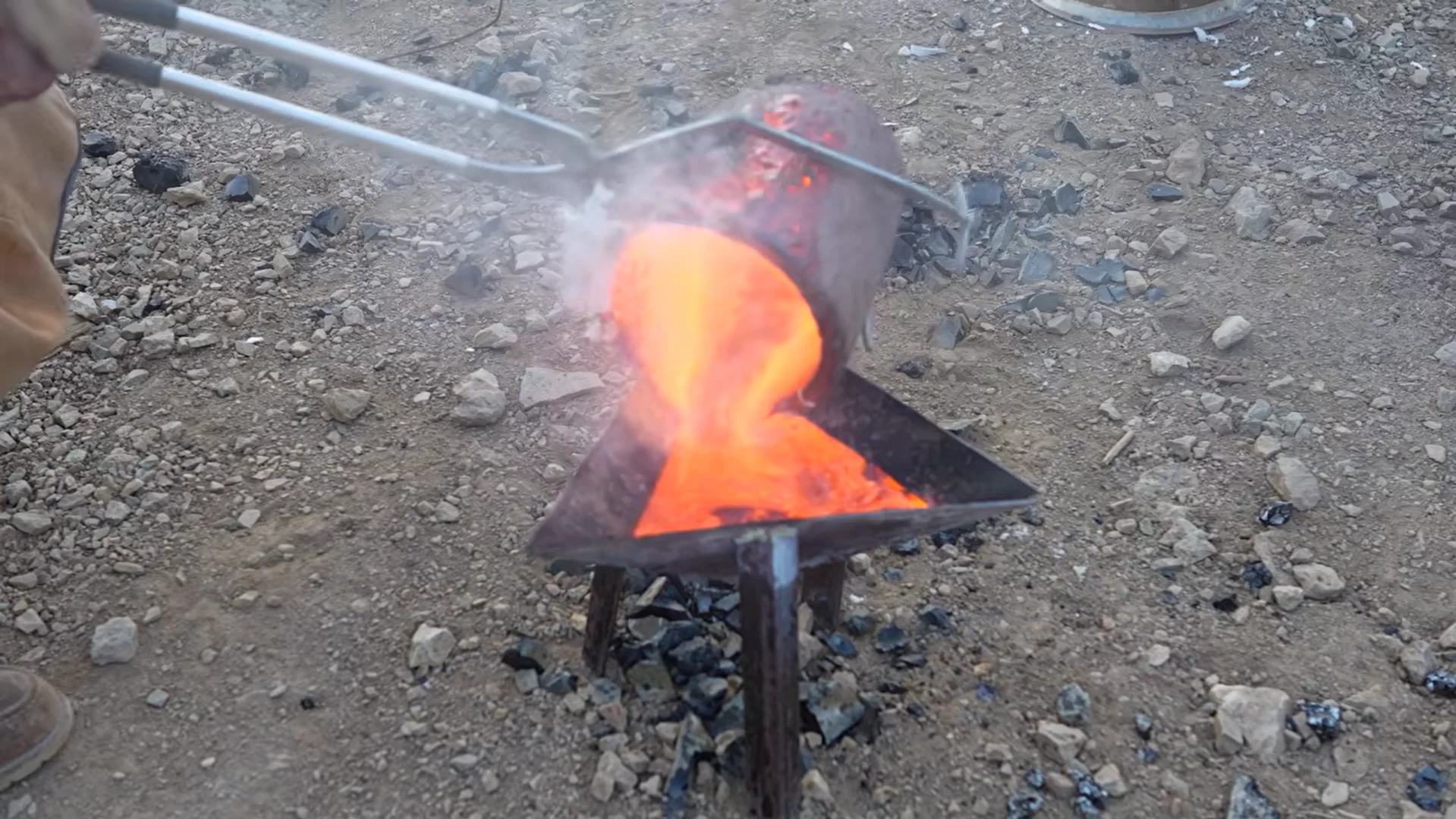
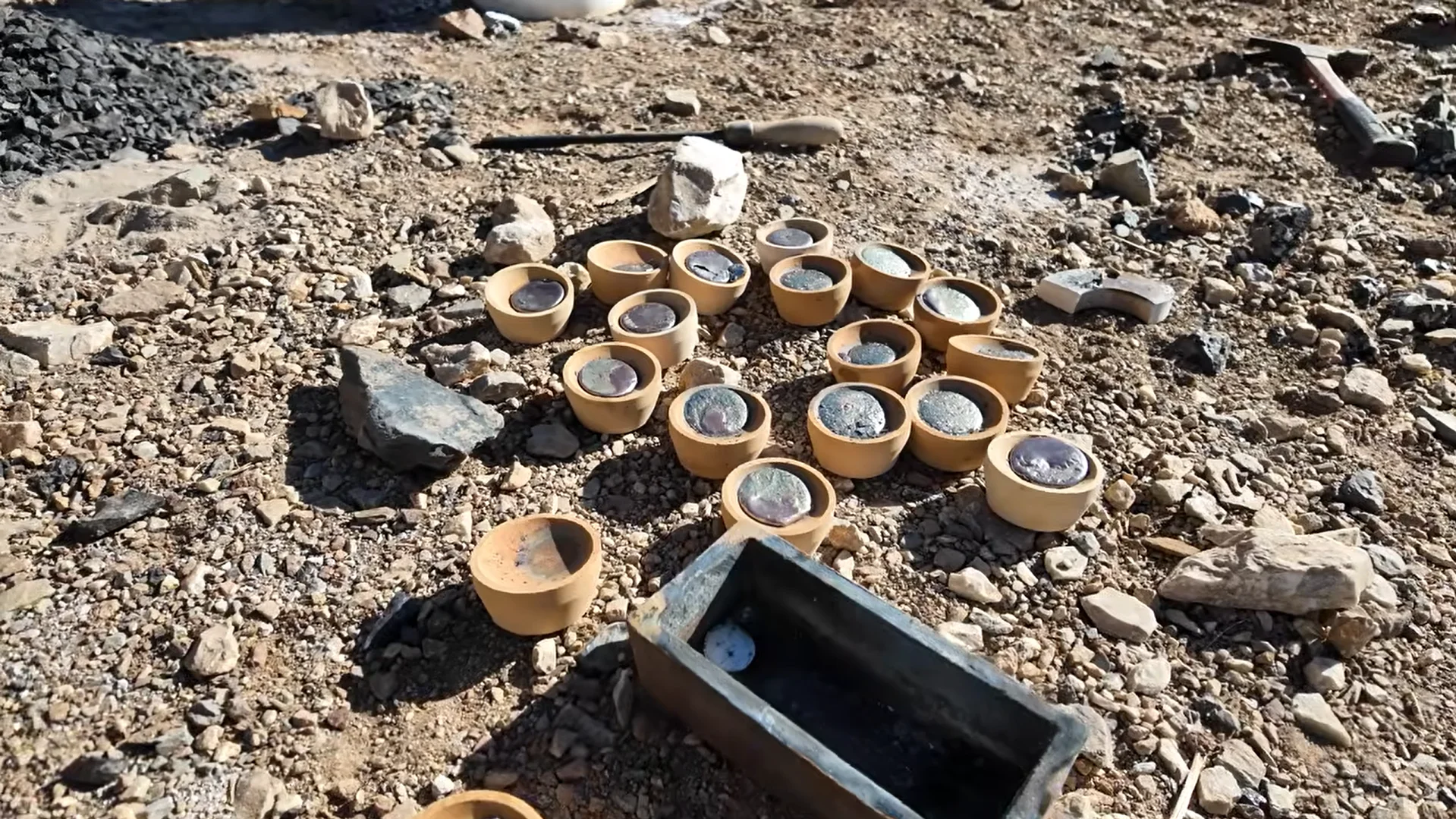
After completing the process, the man returned to mine the site and processed the material he collected.

In the end, he extracted around three to four ounces of silver, worth roughly $500.
It might not make him rich, but it proves that more than a century later, the dream of striking it lucky on public US land is still very much alive.
Daisy is a technology and automotive journalist covering artificial intelligence, consumer tech, Apple news, cryptocurrency, emerging technologies, and transportation innovation. Since joining the team in 2025, she has reported on everything from AI-powered startups and major iOS updates to viral car stories and the latest developments shaping transportation and the digital economy. Drawing on her background in automotive journalism and a degree in History and Journalism from Goldsmiths, University of London, Daisy specializes in breaking down complex topics into clear, engaging reporting for a global audience. Her work spans cutting-edge technology, innovative vehicles, and the people driving change across both industries. Daisy has gained first-hand access to some of the world's most talked-about technologies and innovators, including meeting Tesla's Optimus humanoid robot during its first European appearance in London. She has also discussed the future of space exploration with an astronaut, bringing unique insights and real-world perspectives to her coverage of emerging technology.




