The iPhone almost never existed and it took one annoying Microsoft engineer at a dinner party to make Steve Jobs will it into being
Published on Mar 06, 2026 at 9:51 AM (UTC-5)
by Daisy Edwards
Last updated on Mar 06, 2026 at 9:51 AM (UTC-5)
Edited by
Ben Thompson
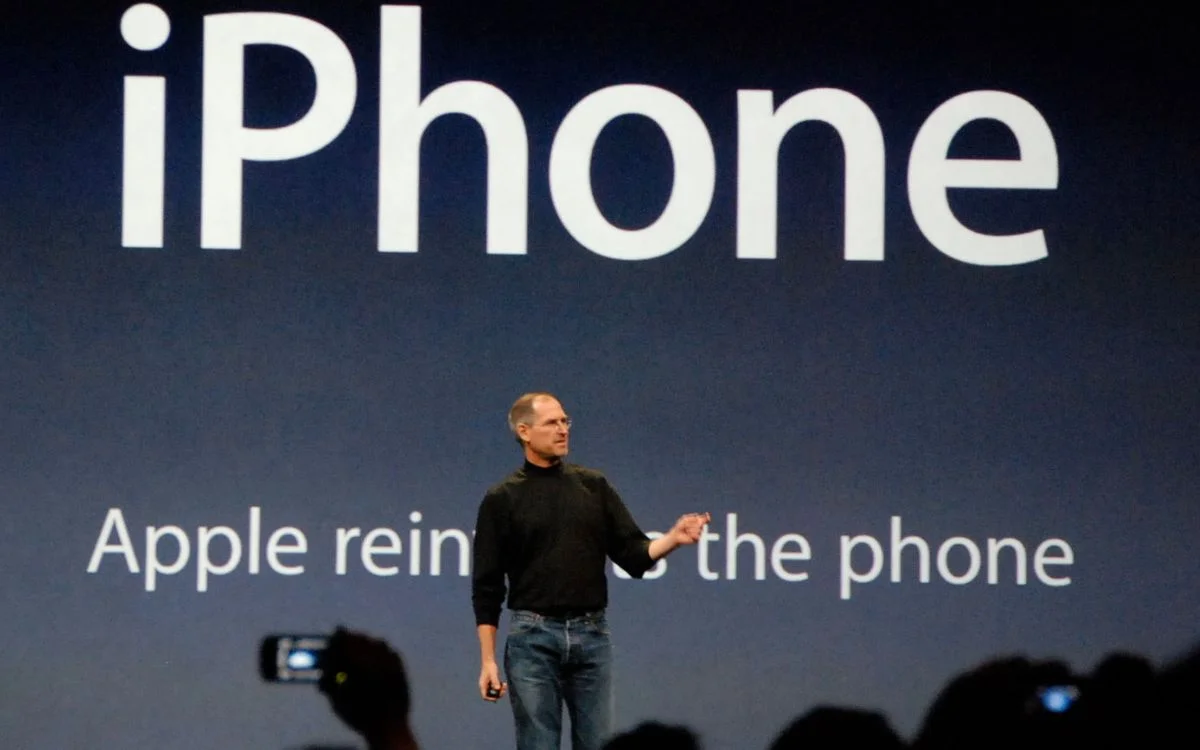

Did you know that the iPhone as you know it almost never existed, and it took one annoying Microsoft engineer at a dinner party to make Steve Jobs will it into being?
Before Apple’s most iconic gadget changed the world in 2007, the company was actually chasing a very different dream behind closed doors.
According to a new excerpt from David Pogue’s upcoming book Apple: The First 50 Years, the road to the iPhone was full of experiments, dead ends, and one dinner conversation that seriously got under Jobs’ skin.
And without that moment, the device that now feels totally inevitable might never have happened at all.
Click the star icon next to supercarblondie.com in Google Search to stay ahead of the curve on the latest and greatest supercars, hypercars, and ground-breaking technology
The iPhone almost never existed because Apple was building something else first
Long before Apple had settled on a phone as its flagship gadget, its teams were obsessed with rethinking how people interacted with screens.
In the early 2000s, designers including Duncan Kerr, Bas Ording, and Imran Chaudhri were experimenting with multi-touch technology.
They were using a larger custom-built FingerWorks pad and a projector rig, creating the kind of pinch, stretch, and swipe gestures that now feel second nature.

The surprising part is that these experiments were originally meant to inspire a tablet, not a pocket-sized device.
Steve Jobs loved the potential, but the early tablet prototypes were too chunky, too heavy, and just not good enough to become a real product.
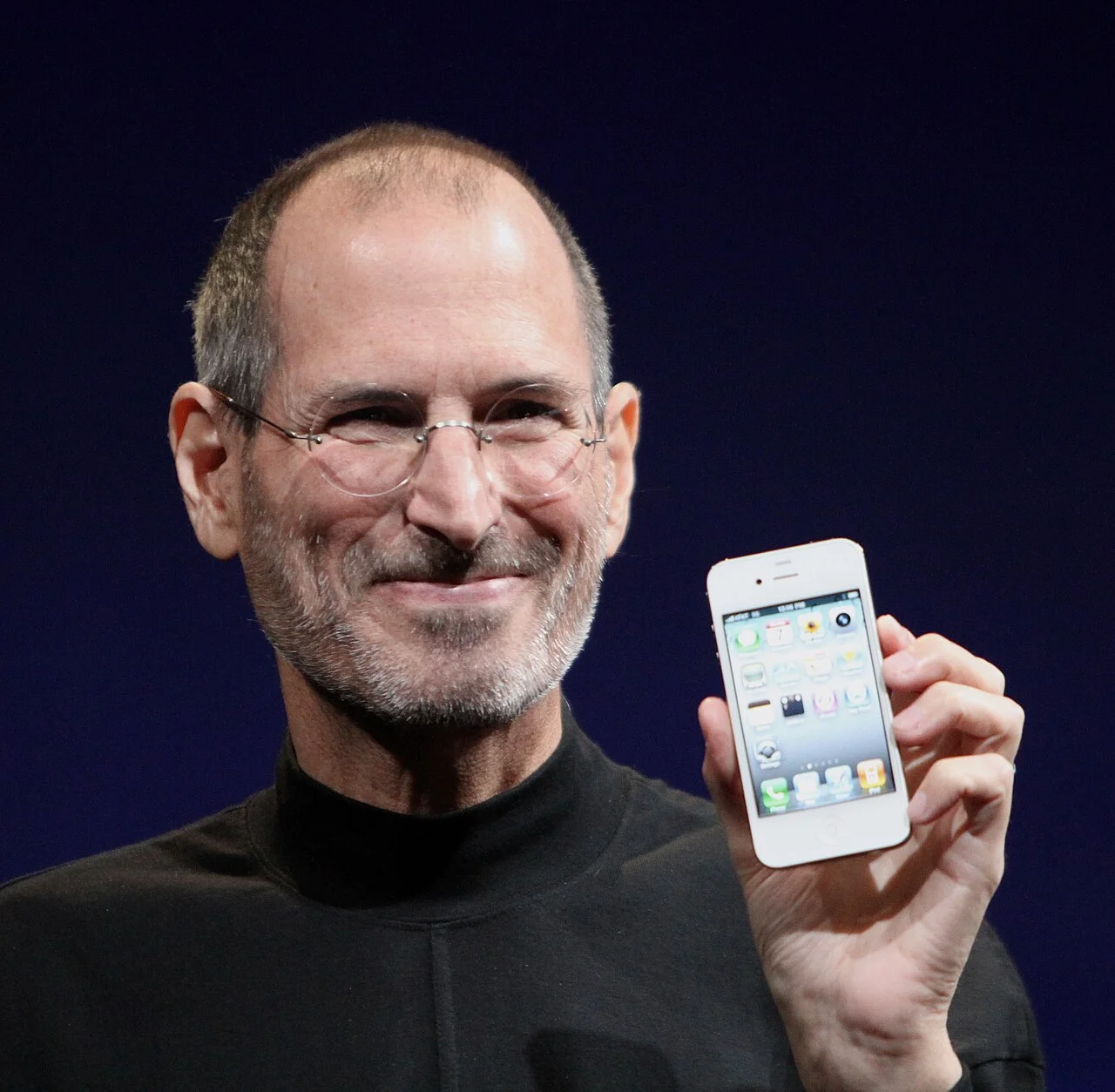
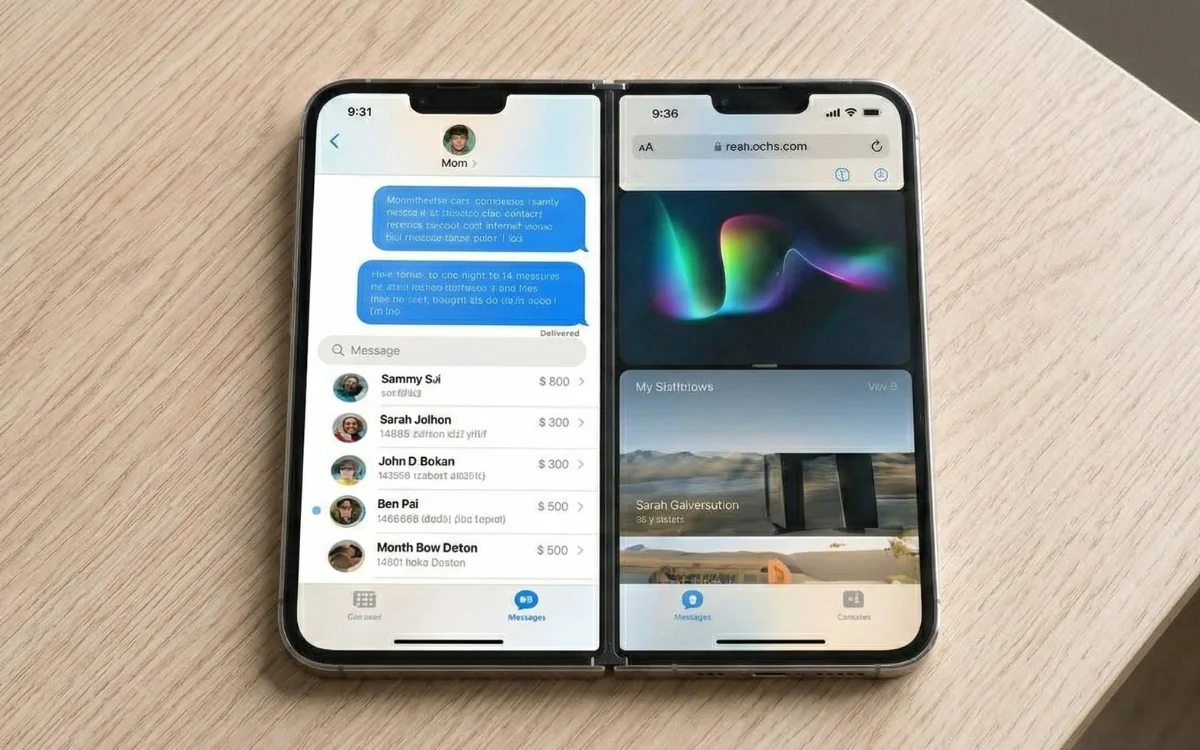
One Microsoft engineer annoyed Steve Jobs into inventing it
The turning point came in late 2005, when Jobs attended a birthday dinner for a Microsoft engineer who would not stop talking about stylus-based tablets.
Jobs later said he was so fed up after hearing the pitch again that he went home furious and decided Apple had to show the world what a proper tablet should look like, with fingers instead of a stylus.
That moment reignited Apple’s work on multi-touch hardware, but at the same time, the company was also waking up to a bigger threat: mobile phones were getting better at music, and that meant the iPod’s dominance would not last forever.

Apple first tried teaming up with Motorola, but the disappointing result pushed the company toward making its own handset.
Two secret internal concepts then battled it out, one inspired by the iPod and another built around multi-touch, and Jobs ultimately backed the more ambitious touchscreen idea.
That decision turned into Project Purple, and the rest is tech history.
Daisy is a technology and automotive journalist covering artificial intelligence, consumer tech, Apple news, cryptocurrency, emerging technologies, and transportation innovation. Since joining the team in 2025, she has reported on everything from AI-powered startups and major iOS updates to viral car stories and the latest developments shaping transportation and the digital economy. Drawing on her background in automotive journalism and a degree in History and Journalism from Goldsmiths, University of London, Daisy specializes in breaking down complex topics into clear, engaging reporting for a global audience. Her work spans cutting-edge technology, innovative vehicles, and the people driving change across both industries. Daisy has gained first-hand access to some of the world's most talked-about technologies and innovators, including meeting Tesla's Optimus humanoid robot during its first European appearance in London. She has also discussed the future of space exploration with an astronaut, bringing unique insights and real-world perspectives to her coverage of emerging technology.




