'Last mile' is the issue that's holding AI back from completely transforming everything
Published on Mar 15, 2026 at 6:44 PM (UTC-4)
by Daisy Edwards
Last updated on Mar 15, 2026 at 6:44 PM (UTC-4)
Edited by
Mason Jones
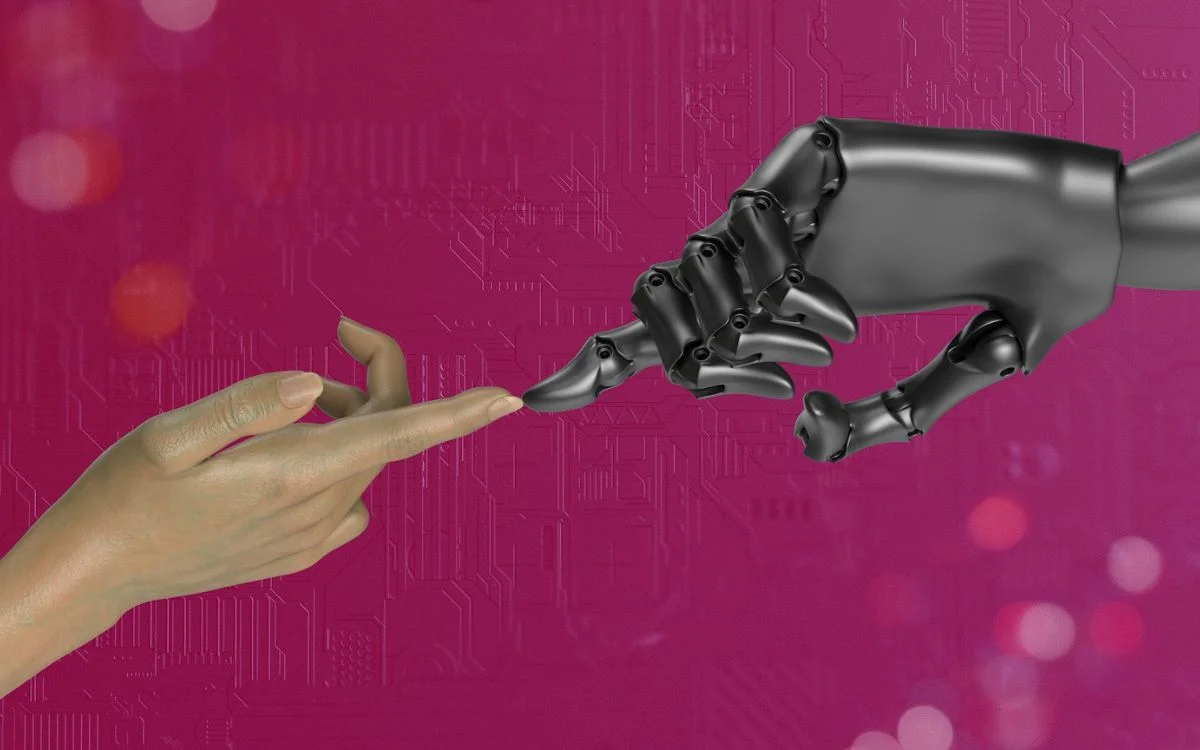

Did you know that something known as the ‘last mile’ is the issue that’s holding AI back from completely transforming companies?
AI tools are everywhere right now, from ChatGPT to Copilot, and companies have been pouring huge amounts of money into pilots, tests, and flashy internal launches.
But according to the Harvard Business Review, the thing slowing real progress is not the tech itself.
It’s the messy final stretch where powerful AI has to fit into the way real businesses actually work.
Click the star icon next to supercarblondie.com in Google Search to stay ahead of the curve on the latest and greatest supercars, hypercars, and ground-breaking technology
The ‘last mile’ is where the future stalls
Recent research has shown that plenty of big companies, tech-based or otherwise, have already kicked off hundreds of AI pilots and handed workers access to major tools.
On paper, that sounds like the future has already arrived, but in reality, many businesses are still stuck in trial mode, with exciting experiments that never quite turn into a full company-wide shift.
The big problem is that technical capability has to meet organizational design, and that final connection is proving much harder than many leaders expected.

That means the issue is not simply whether AI is smart enough; it is whether teams, workflows, management structures, and day-to-day operations are actually built to use it properly.
A company can have the latest AI tools sitting on laptops across the office, but if the business itself has not been reshaped around them, the transformation stalls before it really begins.
Related


It’s holding AI back from completely transforming companies
The Harvard Business Review says few companies have truly changed their operating and business models around AI, even after major investment.
Researchers behind the piece say the biggest obstacle is usually not model quality or data availability, but the final stretch where the technology has to connect with people, processes, and the structure of the organization.

They also point to multiple structural frictions that can stop businesses from moving from scattered AI experiments to a genuinely AI-native model.
So while AI still looks set to transform just about everything, this is a reminder that the hardest part may not be building the tools, it may be redesigning the world around them and helping people truly understand.
Daisy is a technology and automotive journalist covering artificial intelligence, consumer tech, Apple news, cryptocurrency, emerging technologies, and transportation innovation. Since joining the team in 2025, she has reported on everything from AI-powered startups and major iOS updates to viral car stories and the latest developments shaping transportation and the digital economy. Drawing on her background in automotive journalism and a degree in History and Journalism from Goldsmiths, University of London, Daisy specializes in breaking down complex topics into clear, engaging reporting for a global audience. Her work spans cutting-edge technology, innovative vehicles, and the people driving change across both industries. Daisy has gained first-hand access to some of the world's most talked-about technologies and innovators, including meeting Tesla's Optimus humanoid robot during its first European appearance in London. She has also discussed the future of space exploration with an astronaut, bringing unique insights and real-world perspectives to her coverage of emerging technology.




