Man tries DIY solar hack we're told never to do to see what actually happens
Published on Mar 22, 2026 at 10:38 PM (UTC+4)
by Daisy Edwards
Last updated on Mar 20, 2026 at 8:51 PM (UTC+4)
Edited by
Amelia Jean Hershman-Jones
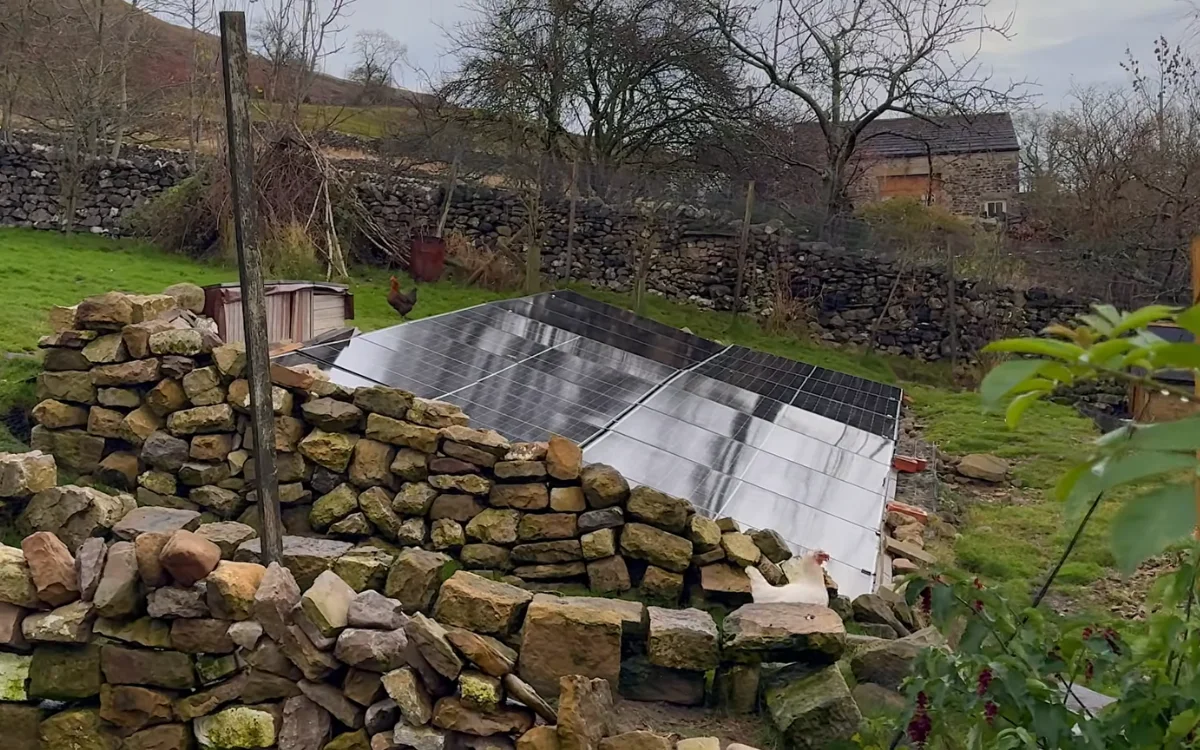

Ignoring all government and professional guides, this man tried a DIY solar hack we’re told never to do to see what actually happened and whether it would actually be disastrous.
The experiment focused on a controversial plug-in solar setup that sends power back through a standard UK socket, something that is currently not allowed under normal guidance.
But instead of just talking about the risks, he decided to test the idea in real life and measure the results for himself.
What he found could spark a lot more conversation about whether small-scale plug-in solar has a future in the UK – do not try this at home!
Click the star icon next to supercarblondie.com in Google Search to stay ahead of the curve on the latest and greatest supercars, hypercars, and ground-breaking technology
The DIY solar hack we’re told never to do was put to the test
This man’s DIY solar panel tech setup was inspired by the kind of balcony solar systems that have already taken off in Germany and Belgium.
Using two solar panels with a combined peak output of just over 800W, he estimated the system could generate around 750kWh of electricity per year.
At current prices, that works out to about £190 ($254) in yearly savings, with a possible payback period of less than two years if most of the energy is used as it is generated.
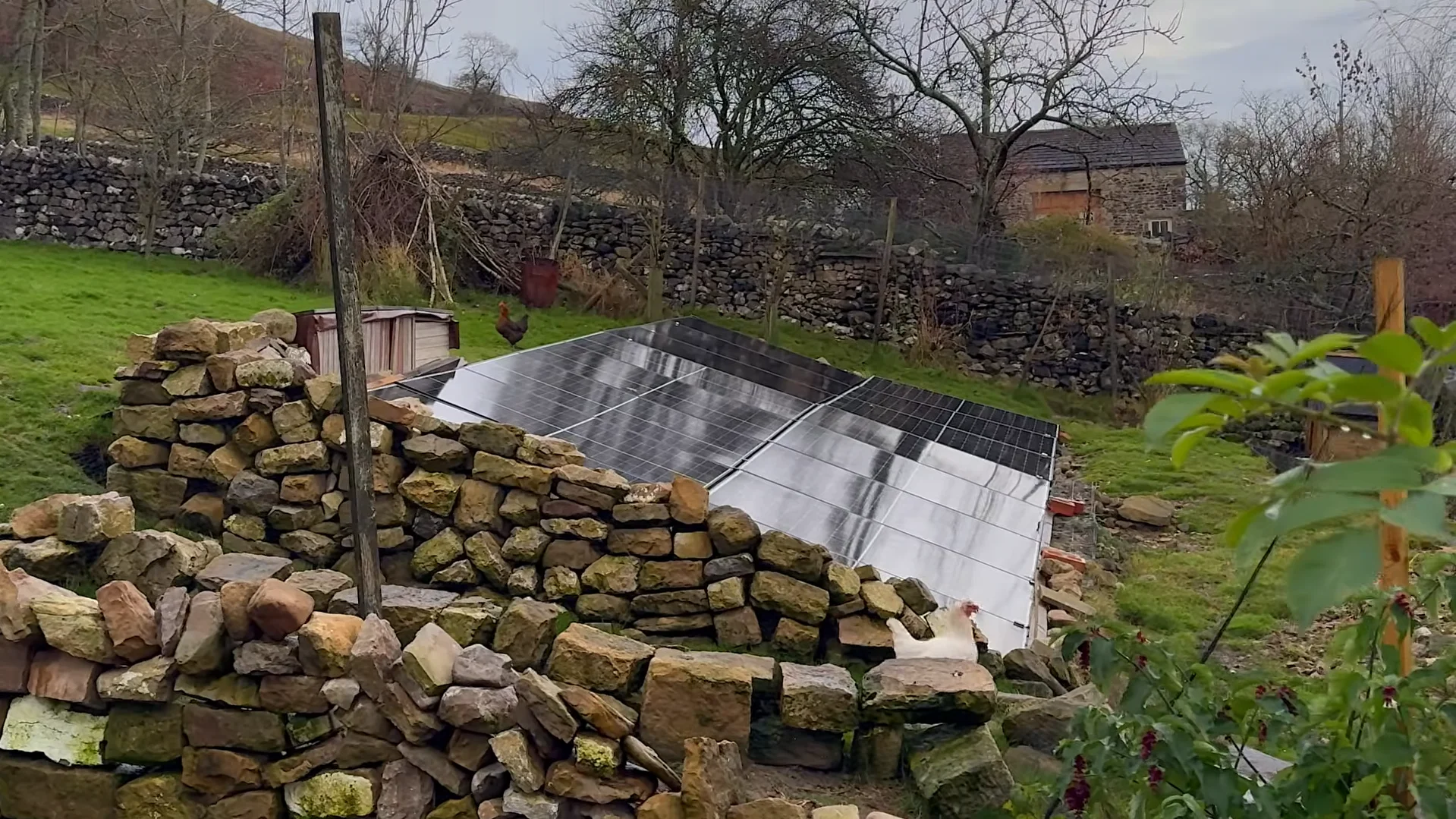
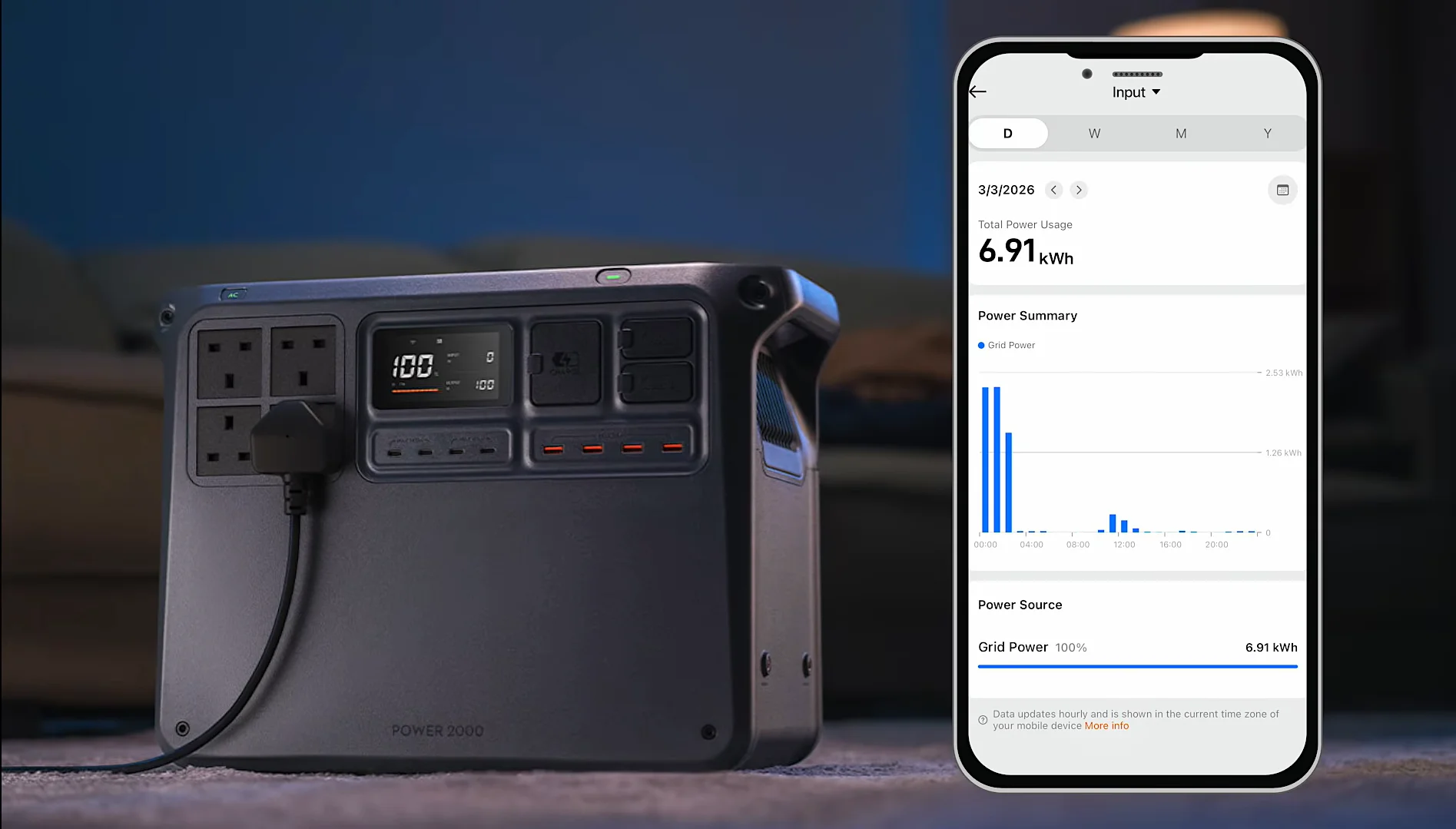
To make the most of the power, he paired the solar panels with a DJI Power 2000 battery system and expanded it to 6kWh of storage.
On a sunny day, the system was already producing more than 500W, with some electricity running the house and the rest flowing into the battery.
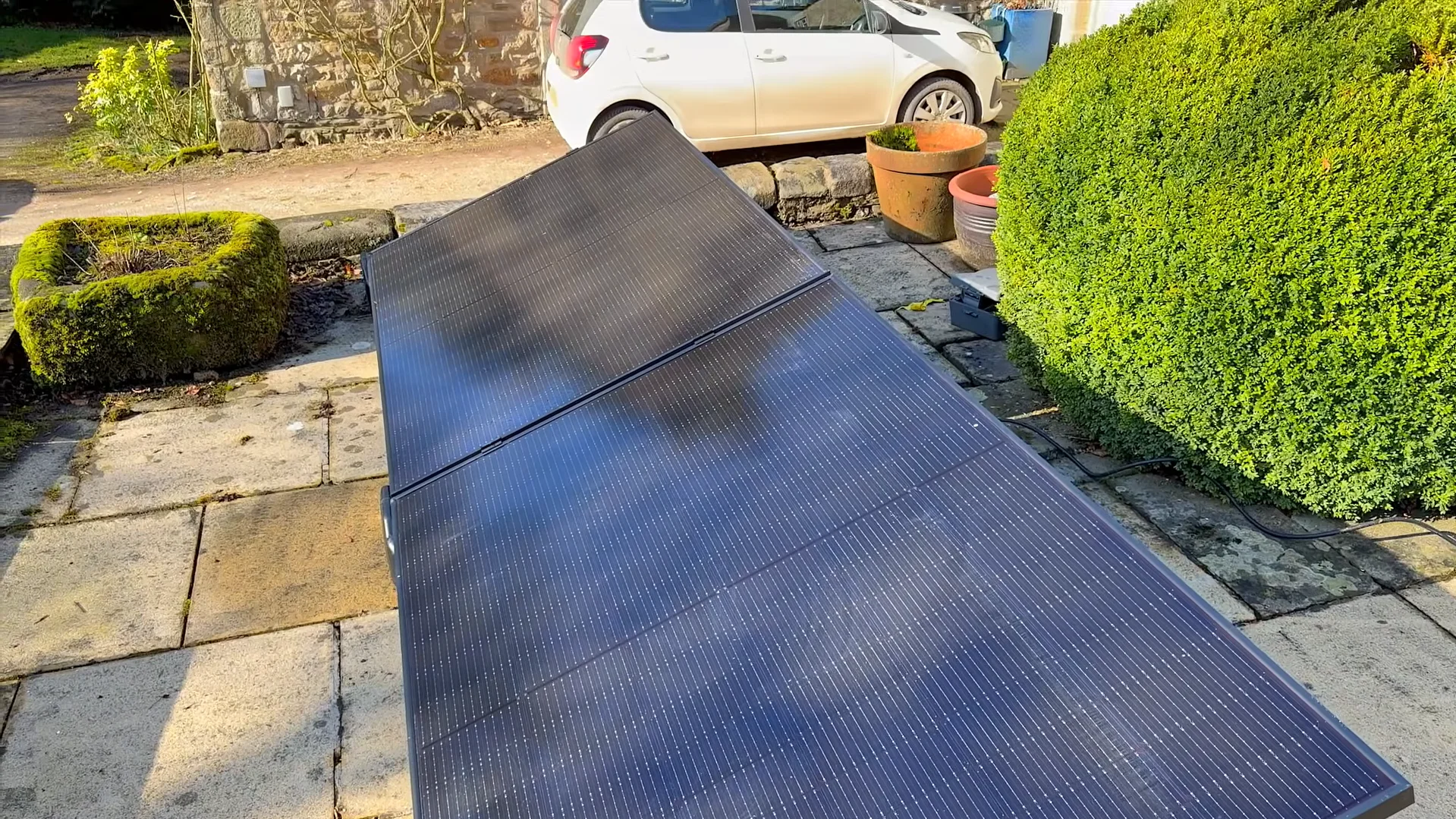
What actually happened when he put it to the test
The biggest concern was safety, especially with electricity flowing the ‘wrong way’ through a standard plug.
But when he unplugged the system, the voltage immediately disappeared thanks to the micro inverter’s anti-islanding protection.
He also tested the setup with a safety device in the distribution board to see whether reverse power flow would cause it to fail, and it tripped off without drama.
That said, he was clear that this does not automatically make every plug-in solar product safe.
He pointed out that problems could still appear if people start stacking multiple units on the same circuit, using extension leads, or running outdoor equipment without proper care.
He also looked at the battery side of the setup and found that round-trip efficiency was around 70 percent.

Even so, by charging the battery overnight on a cheap tariff and using that stored power later, he estimated savings of around £1 a day, with a storage payback of about seven years.
For renters especially, this DIY solar hack is appealing because the whole system can be unplugged, removed, and taken to a new home.
However, you should always seek help from a registered professional electrician if you’re thinking of making the switch.
DISCOVER SBX CARS: The global premium car auction platform powered by Supercar Blondie