Microsoft blew $7,600,000,000 on a secret dream product that never saw the light of day
Published on Mar 04, 2026 at 11:32 AM (UTC-5)
by Daisy Edwards
Last updated on Mar 04, 2026 at 11:32 AM (UTC-5)
Edited by
Amelia Jean Hershman-Jones
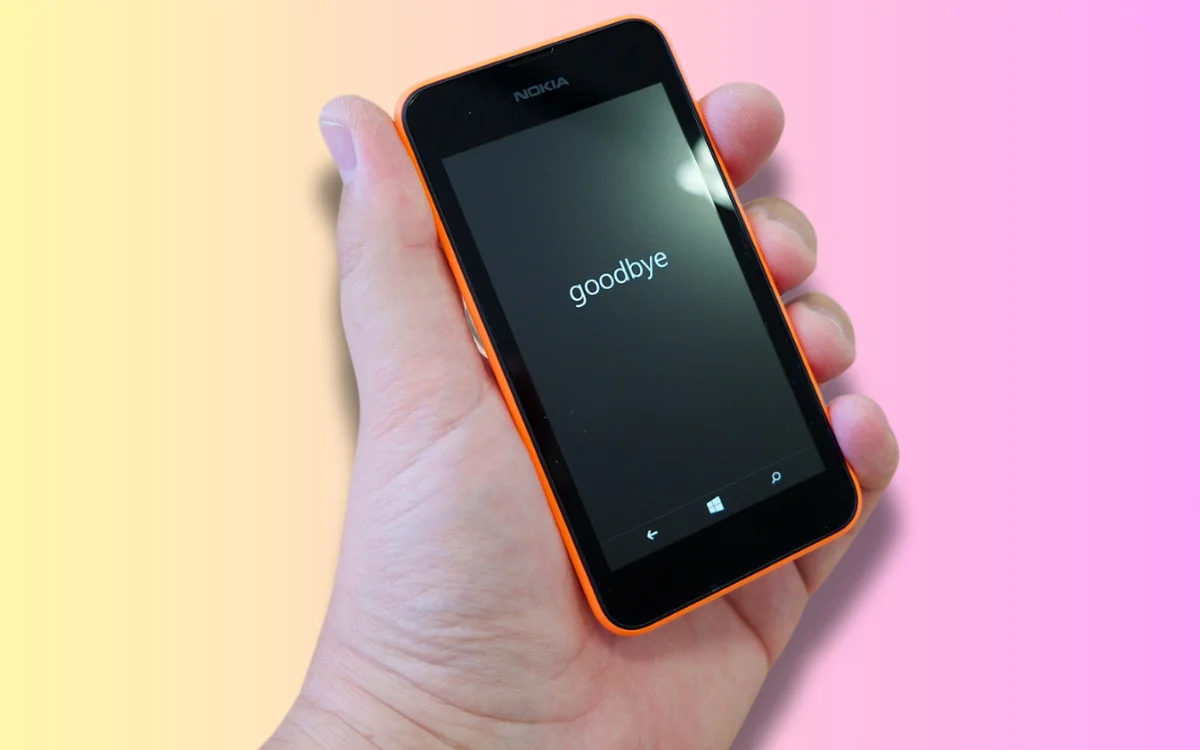

Did you know that Microsoft blew $7,600,000,000 on a secret dream product that never saw the light of day?
The tech giant spent years chasing a future in which your phone would work like a pocket-sized Windows PC, then quietly walked away.
It all traces back to Microsoft’s blockbuster Nokia deal and the flashy Lumia era that promised a whole new mobile ecosystem.
Instead, the ‘dream’ never became a reality.
EXPLORE SBX CARS – Supercar auctions starting soon powered by Supercar Blondie
How Microsoft blew $7,600,000,000 chasing the Lumia dream
This sad tech story begins back in 2012, when Microsoft bought Nokia’s phone business for about $7.3 billion, hoping to turbocharge the Windows Phone and take the fight to Apple and Google.
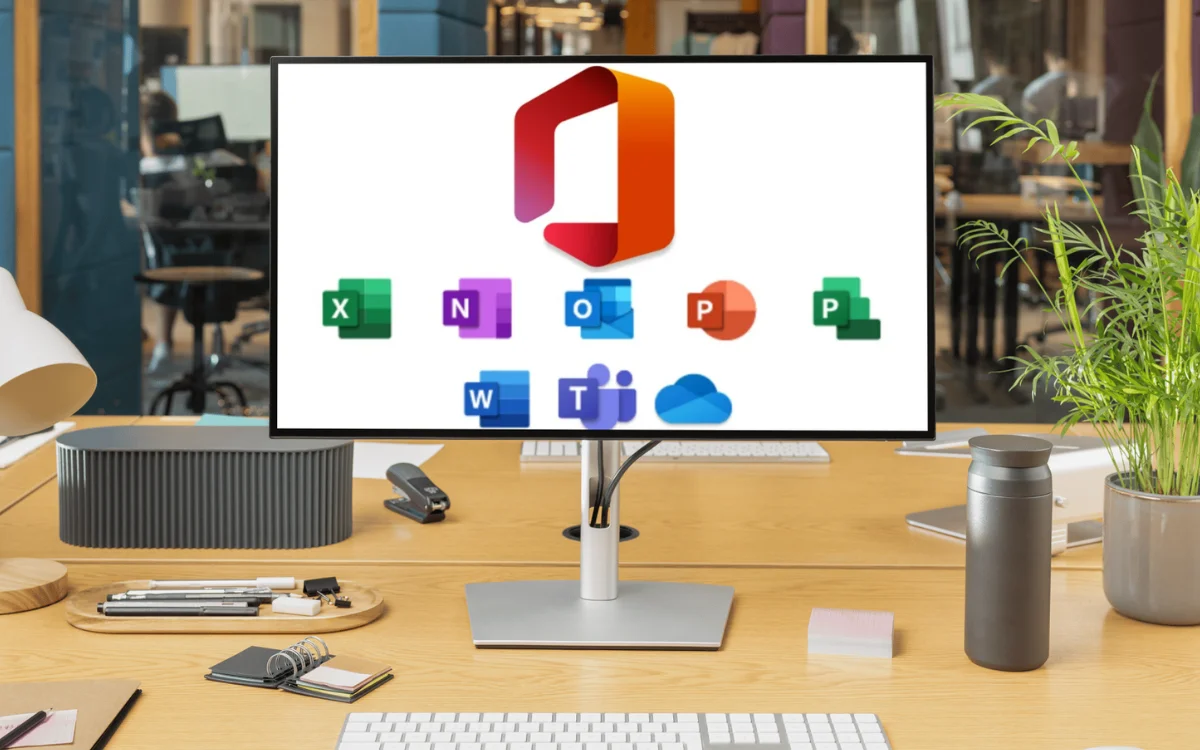
Microsoft had the plan to build a smartphone experience that felt like Windows in your hand.
By 2010, Microsoft had Windows Phone software ready, and it powered the Nokia Lumia line, letting users tap into familiar apps like Word, Excel, and PowerPoint while on the go.

And for a moment, it looked like it could work; the Lumia handsets were sleek, colorful, and different enough to stand out in a sea of glass slabs.
But the smartphone world moves at lightspeed, and Lumia simply couldn’t keep pace with the constant upgrades and rapid-fire launches from Apple and Google.
The Lumia series reportedly suffered from complaints about slow performance, lag, and freezing. Microsoft only released nine Lumia phones before the whole line was discontinued, with the series ending in 2016.

Click the star icon next to supercarblondie.com in Google Search to stay ahead of the curve on the latest and greatest supercars, hypercars, and ground-breaking technology
The secret dream product that never saw the light of day
From 2014 to 2015, the dream product started to turn into a write-off.
Microsoft announced major layoffs, including 7,800 job cuts tied to its phone business, and took a $7.6 billion loss related to the mobile phone unit.
CEO Satya Nadella framed it as a pivot away from a standalone phone business toward building a broader Windows device ecosystem, but the mobile comeback never really happened.

Microsoft did try again later with the Surface Duo, a dual-screen Android phone announced in October 2019 and released in September 2020, before the Duo line was ultimately discontinued in 2023.
The wild part?
For all that money and effort, Microsoft’s original ‘Windows phone for everyone’ dream is now basically a tech ghost story, the kind that makes you wonder what could have been if it had just hit the timing right.
Daisy is a technology and automotive journalist covering artificial intelligence, consumer tech, Apple news, cryptocurrency, emerging technologies, and transportation innovation. Since joining the team in 2025, she has reported on everything from AI-powered startups and major iOS updates to viral car stories and the latest developments shaping transportation and the digital economy. Drawing on her background in automotive journalism and a degree in History and Journalism from Goldsmiths, University of London, Daisy specializes in breaking down complex topics into clear, engaging reporting for a global audience. Her work spans cutting-edge technology, innovative vehicles, and the people driving change across both industries. Daisy has gained first-hand access to some of the world's most talked-about technologies and innovators, including meeting Tesla's Optimus humanoid robot during its first European appearance in London. She has also discussed the future of space exploration with an astronaut, bringing unique insights and real-world perspectives to her coverage of emerging technology.




