NASA conducted study where one identical twin was sent into space for a year to see how he'd change
Published on Feb 06, 2026 at 8:43 AM (UTC+4)
by Molly Davidson
Last updated on Feb 06, 2026 at 5:32 PM (UTC+4)
Edited by
Kate Bain

To understand what space really does to the human body, NASA sent one identical twin into orbit for a year while his brother stayed on Earth.
Same DNA. Same astronaut training. Two lives split by one extreme environment.
One body lived in microgravity, radiation, isolation, and a rigid routine, while the other stayed grounded, moving through a far messier, more familiar world.
What followed became one of the most detailed human spaceflight experiments ever attempted.
DISCOVER SBX CARS – The global premium auction platform powered by Supercar Blondie
What actually happened when one identical twin lived in space for a year?
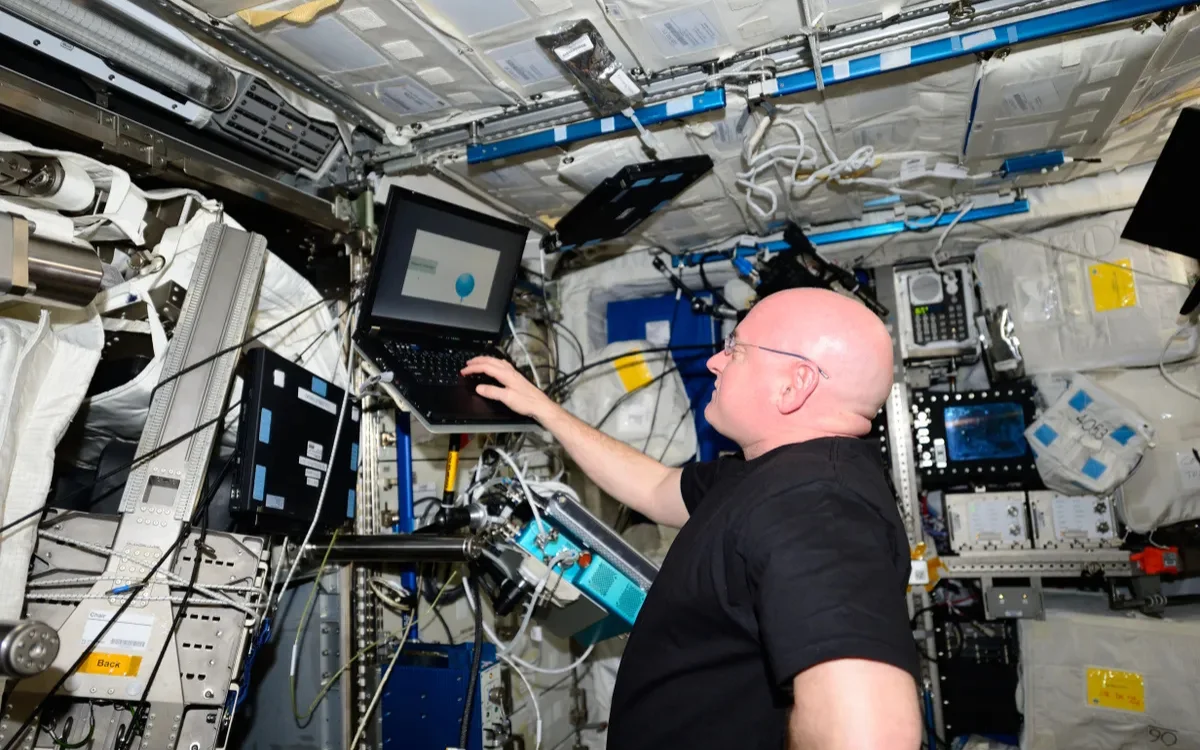
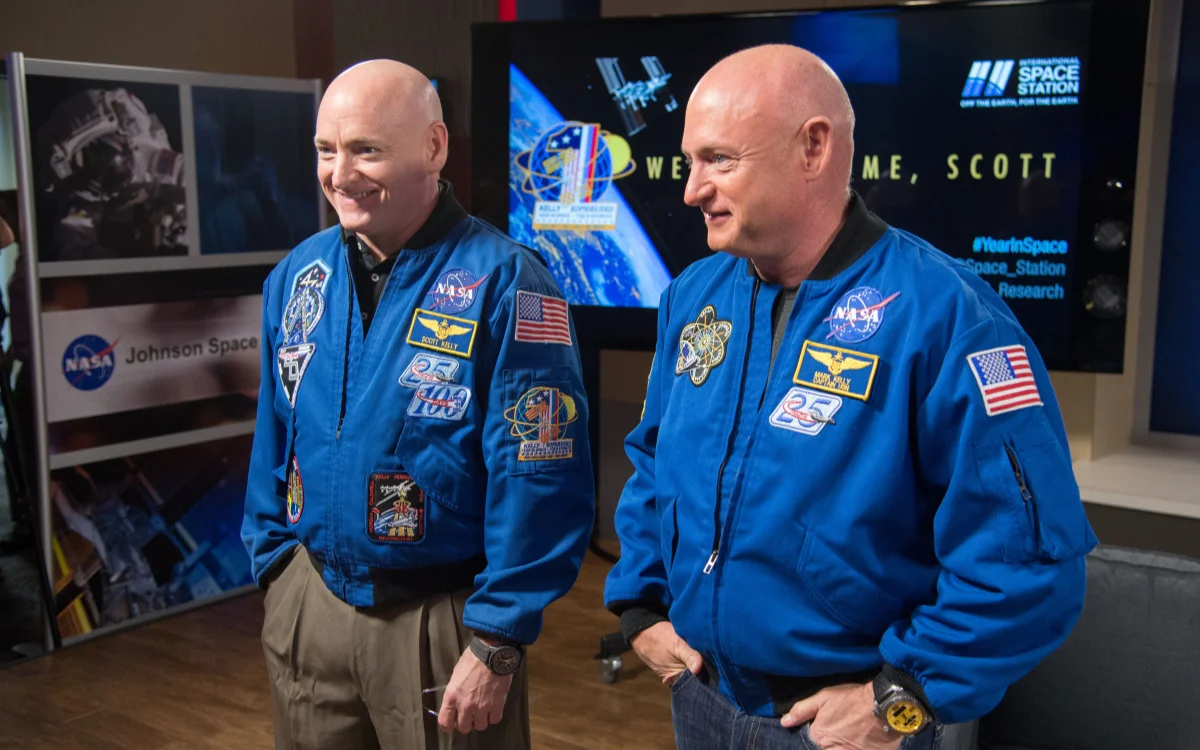
When Scott Kelly launched to the International Space Station in 2015, he began a 340-day mission unlike any before it.
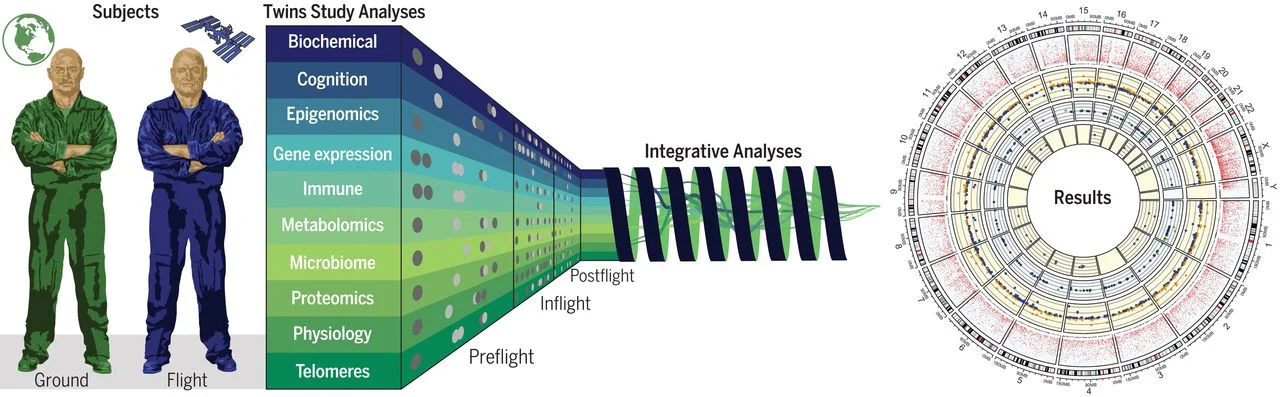
His identical twin brother, Mark Kelly, stayed on Earth, giving researchers a rare, real-world baseline for comparison.
More than 80 NASA scientists tracked both men before, during, and after the mission, measuring how Scott’s body changed relative to Mark’s over the same period.
This wasn’t about space effects in isolation, but what shifted specifically because one twin left the planet.
The differences appeared quickly.
In orbit, Scott experienced large changes in gene expression, with more than 1,000 genes altering activity soon after arrival.
Mark’s gene expression changed too, but far less dramatically, suggesting Scott’s body was reacting directly to microgravity and radiation rather than everyday life.
The immune system followed the same pattern.
Scott’s immune-related genes became far more active, as if his body was on constant alert.
Mark, despite a more varied and unpredictable life on Earth, showed fewer extreme immune responses.
One of the strangest findings involved telomeres, the protective caps on chromosomes.
Scott’s lengthened in space, while Mark’s followed the expected aging pattern.
After Scott returned, his telomeres shortened rapidly, with some ending up shorter than before the mission.
Radiation exposure also set them apart, with Scott showing more DNA damage and repair activity than his Earth-bound twin.
Most of those changes faded after he returned.
Within six months, more than 91 percent of Scott’s gene expression shifts had returned to baseline, closely matching Mark’s again.
Scott later said it took about eight months before he felt fully recovered.
Click the star icon next to supercarblondie.com in Google Search to stay ahead of the curve on the latest and greatest supercars, hypercars, and ground-breaking technology
The NASA twins study reshaped plans for deep space missions
The study’s value wasn’t shock.
It was clarity.
Humans didn’t evolve for microgravity or constant radiation, but the research showed how adaptable the body could be.
Most effects were reversible, which matters for future Moon and Mars missions.
At the same time, the study flagged risks that may build over time, including cardiovascular strain, DNA damage, vision problems, and cancer risk.
The findings, later published in Science, are now a reference point for long-duration spaceflight.
There were no biological deal-breakers, just clear warnings about what needs monitoring and mitigation.
NASA set out to see what would happen if two identical humans lived in radically different worlds for a year.
What they learned is that space leaves a mark, but not one that stops us from exploring farther.
The full report on the NASA identical twin study can be found here.
DISCOVER SBX CARS: The global premium car auction platform powered by Supercar Blondie
With roles at TEXT Journal, Bowen Street Press, Onya Magazine, and Swine Magazine on her CV, Molly joined Supercar Blondie in June 2025 as a Junior Content Writer. Having experience across copyediting, proofreading, reference checking, and production, she brings accuracy, clarity, and audience focus to her stories spanning automotive, tech, and lifestyle news.