NASA is racing to save a $500,000,000 observatory that is falling out of orbit by hiring a startup to launch a rescue spacecraft in under nine months
Published on Mar 28, 2026 at 10:51 PM (UTC-4)
by Daisy Edwards
Last updated on Apr 02, 2026 at 12:21 PM (UTC-4)
Edited by
Emma Matthews
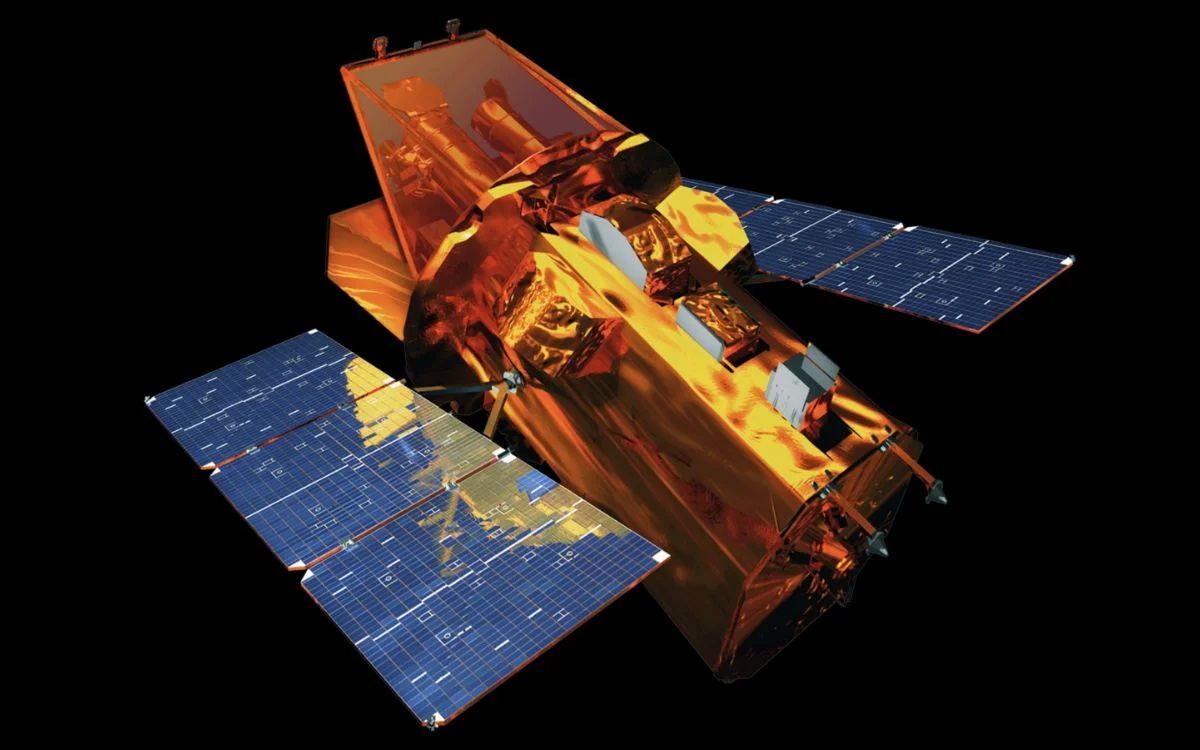

There is a $500,000,000 observatory that is falling out of orbit, and, understandably, NASA is panicking
It sounds less like a routine space mission and more like the plot of a blockbuster where the clock is ticking, and the stakes are sky high.
The observatory in question is NASA’s Neil Gehrels Swift Observatory, a spacecraft that has spent more than two decades hunting some of the universe’s most violent explosions.
Now, after years in space, Swift is losing altitude fast, and NASA is betting on a tiny private company to pull off an extraordinary last-minute save.
Click the star icon next to supercarblondie.com in Google Search to stay ahead of the curve on the latest and greatest supercars, hypercars, and ground-breaking technology
NASA is racing to save a $500,000,000 observatory
Swift launched in 2004 and became one of NASA’s great cosmic spotters, tracking gamma ray bursts and other dramatic events across the universe.
But the spacecraft is now battling orbital decay, with atmospheric drag slowly pulling it closer to Earth and putting its future at risk.
NASA even paused most of Swift’s science operations in February 2026 to buy the mission more time while a rescue plan came together.
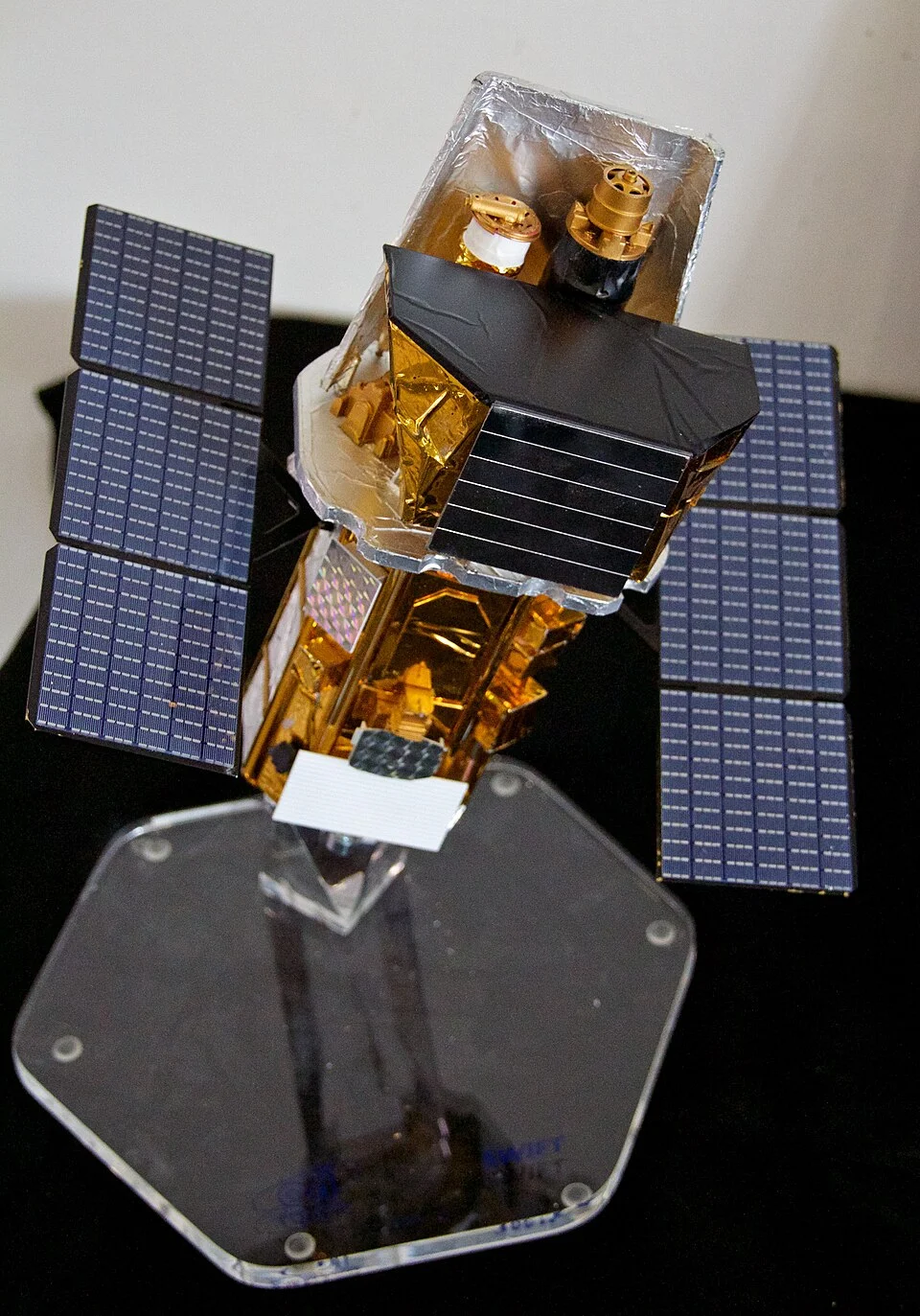
That rescue is not coming from astronauts in a giant shuttle-style mission, however.
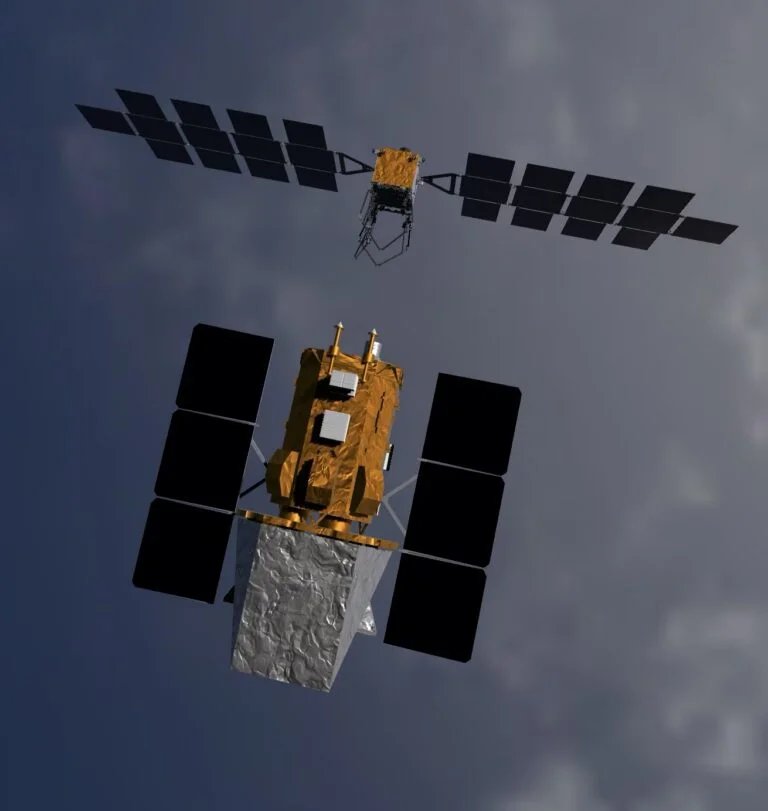
Instead, NASA awarded Arizona startup Katalyst Space Technologies a contract worth about $30 million to develop a robotic spacecraft that can meet up with Swift and push it into a higher, safer orbit.
For a mission involving a $500 million observatory, it’s a surprisingly lean and daring solution.
Related

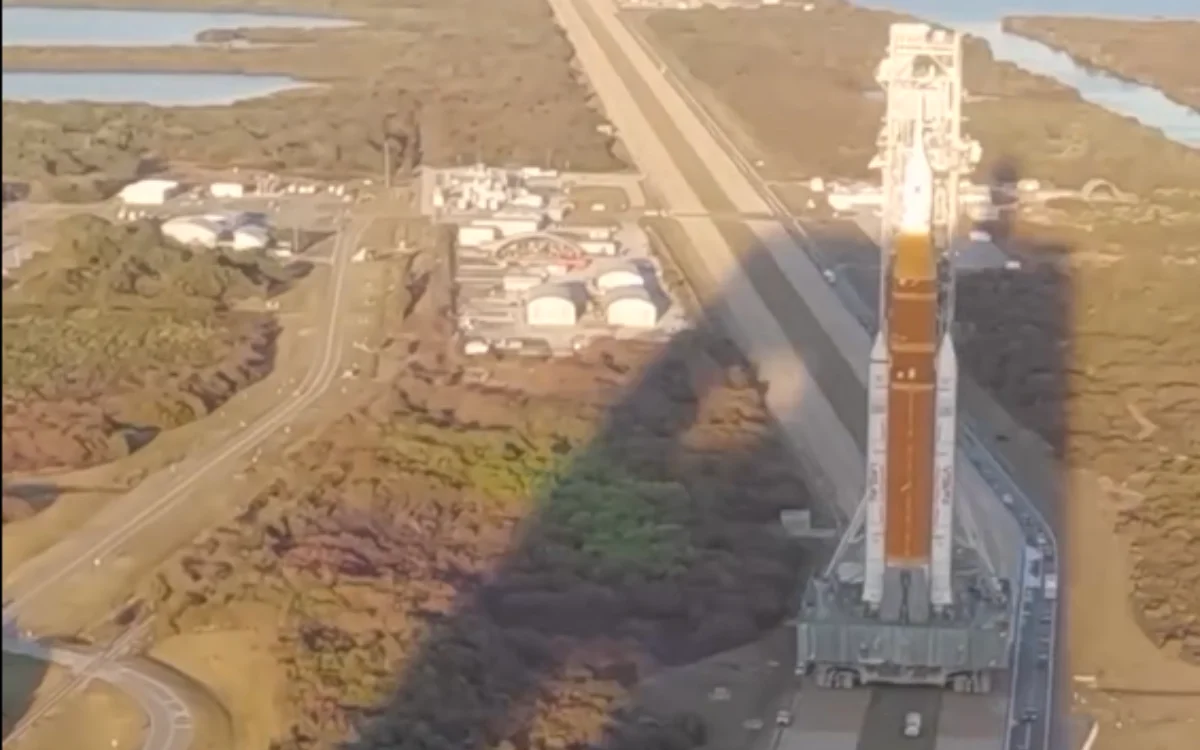
The startup is sending a rescue spacecraft
What makes this especially jaw-dropping is the timeline.
Katalyst has to move fast, with the mission targeting launch by this summer, meaning the company has only months to get its spacecraft ready, send it into orbit, catch up with Swift, and perform a delicate boost maneuver.
That is a huge ask because Swift was never designed to be serviced in space.
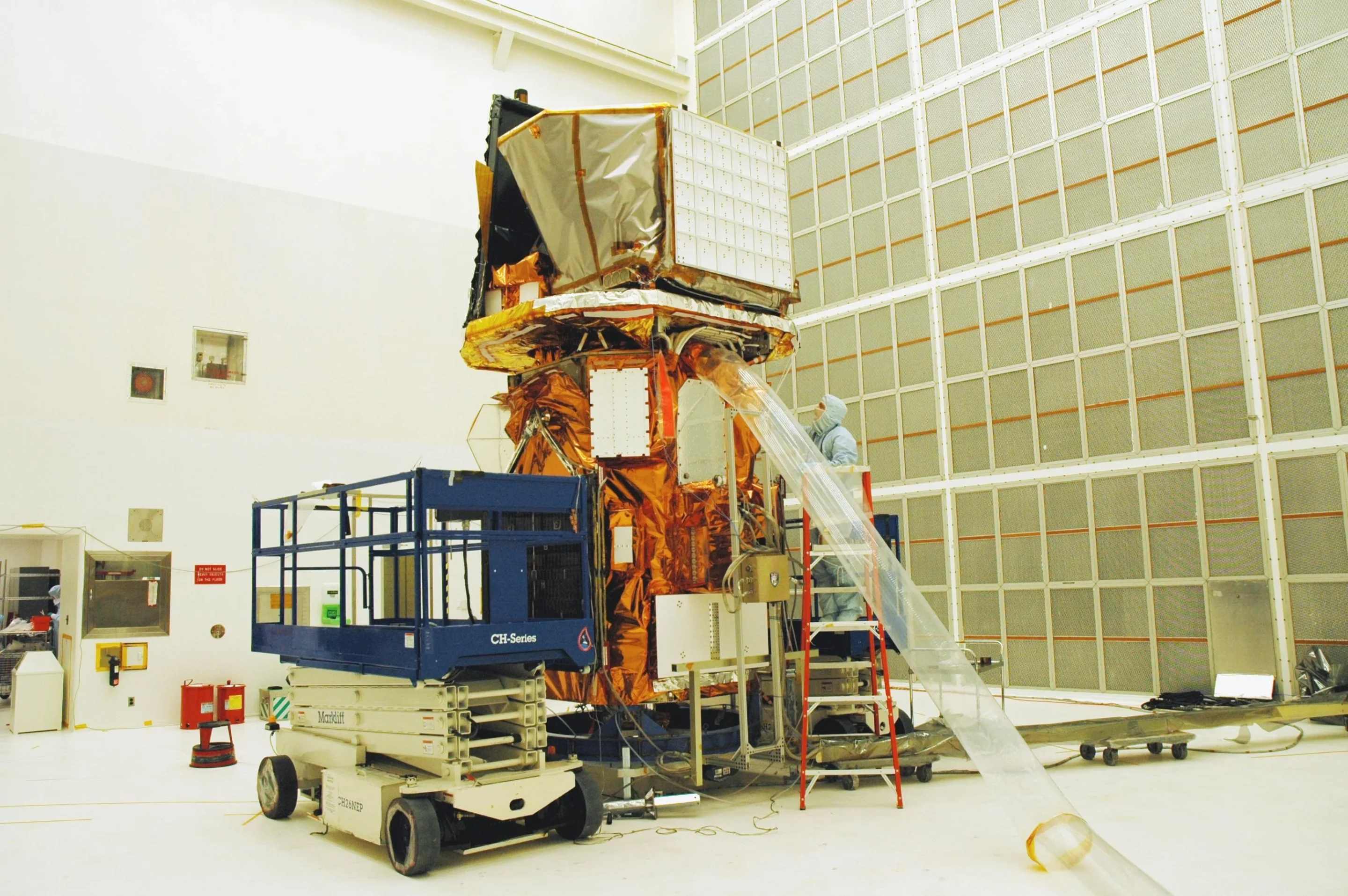
The rescue craft will have to rendezvous with an aging observatory, latch on cleverly, and then gently raise its orbit before Earth’s atmosphere wins the battle.
If it works, the mission could keep Swift alive and prove that rescuing old satellites is no longer science fiction.
Daisy is a technology and automotive journalist covering artificial intelligence, consumer tech, Apple news, cryptocurrency, emerging technologies, and transportation innovation. Since joining the team in 2025, she has reported on everything from AI-powered startups and major iOS updates to viral car stories and the latest developments shaping transportation and the digital economy. Drawing on her background in automotive journalism and a degree in History and Journalism from Goldsmiths, University of London, Daisy specializes in breaking down complex topics into clear, engaging reporting for a global audience. Her work spans cutting-edge technology, innovative vehicles, and the people driving change across both industries. Daisy has gained first-hand access to some of the world's most talked-about technologies and innovators, including meeting Tesla's Optimus humanoid robot during its first European appearance in London. She has also discussed the future of space exploration with an astronaut, bringing unique insights and real-world perspectives to her coverage of emerging technology.




